If you flew to Europe chasing that romantic postcard vibe, a tiny culture shock can catch you off guard: pay-to-use public restrooms when you need them most. What people in South Korea expect for free in subways or government buildings often runs on a different logic across much of Europe.
Here’s a closer look at European public restrooms — yes, they really can shape your trip.
Why Europe’s public restrooms charge a fee
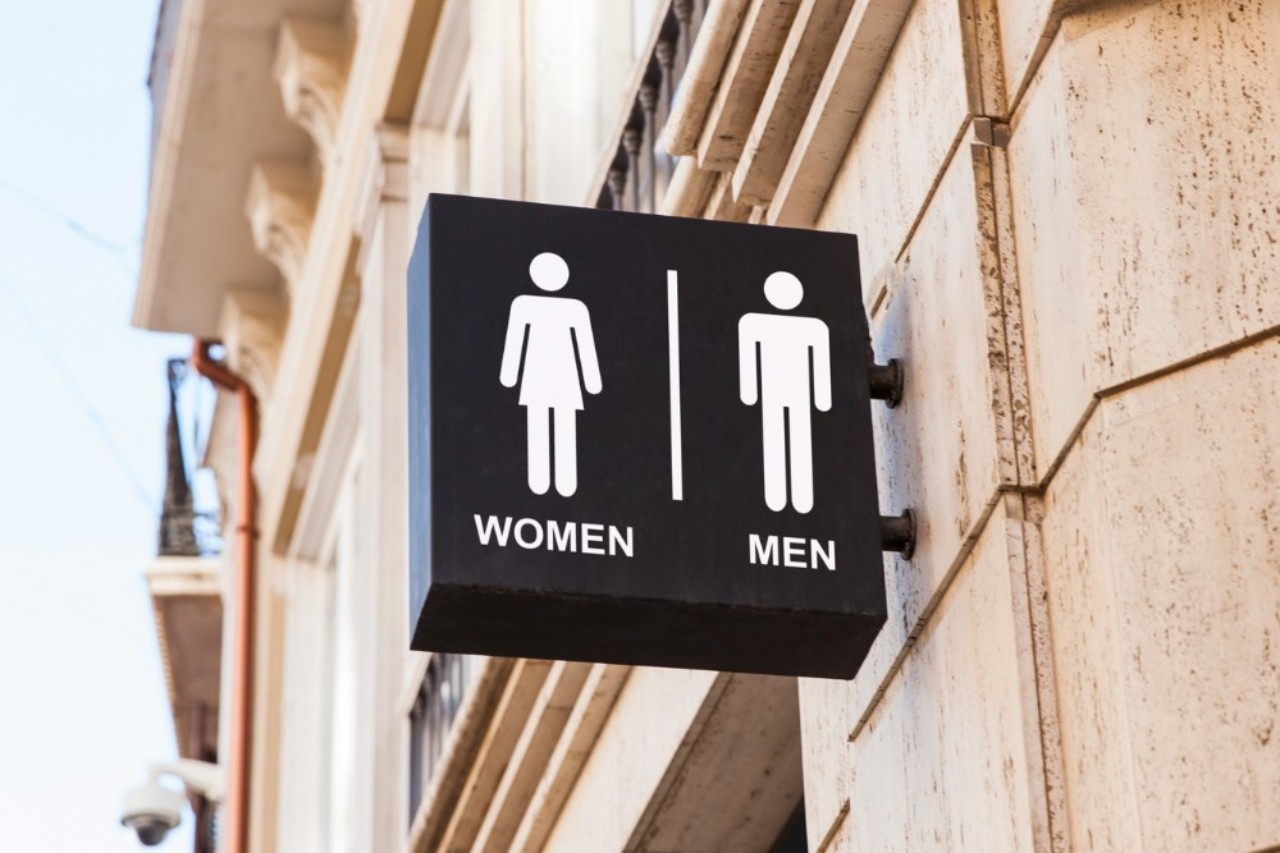
Back home, public restrooms in subway stations or government buildings are usually free. But in Europe that expectation gets flipped. Most public restrooms are strictly pay-to-use, and there are practical reasons for it.
The biggest factor is labor and maintenance. Cleaning staff wages are high across Europe, and charging a small fee to users has become an accepted way to keep facilities spotless. When an attendant sits at the entrance and wipes the toilet and floor after each person, you quickly understand why a fee makes sense.
Fees also serve security and safety purposes: they help prevent facilities from becoming long-term shelter sites and can deter drug use and other crimes. Charging to enter acts as a simple filtering mechanism.
Switzerland
Switzerland — notorious for its high cost of living — also ranks high for restroom fees. Bathrooms at central stations or tourist spots usually charge about 2 francs (about 3,000 KRW / about $2.25). You’re paying roughly the price of a convenience-store coffee. Because they charge more, many restrooms are kept almost hotel-clean, but you might pause if you dash in and see the price.
Norway
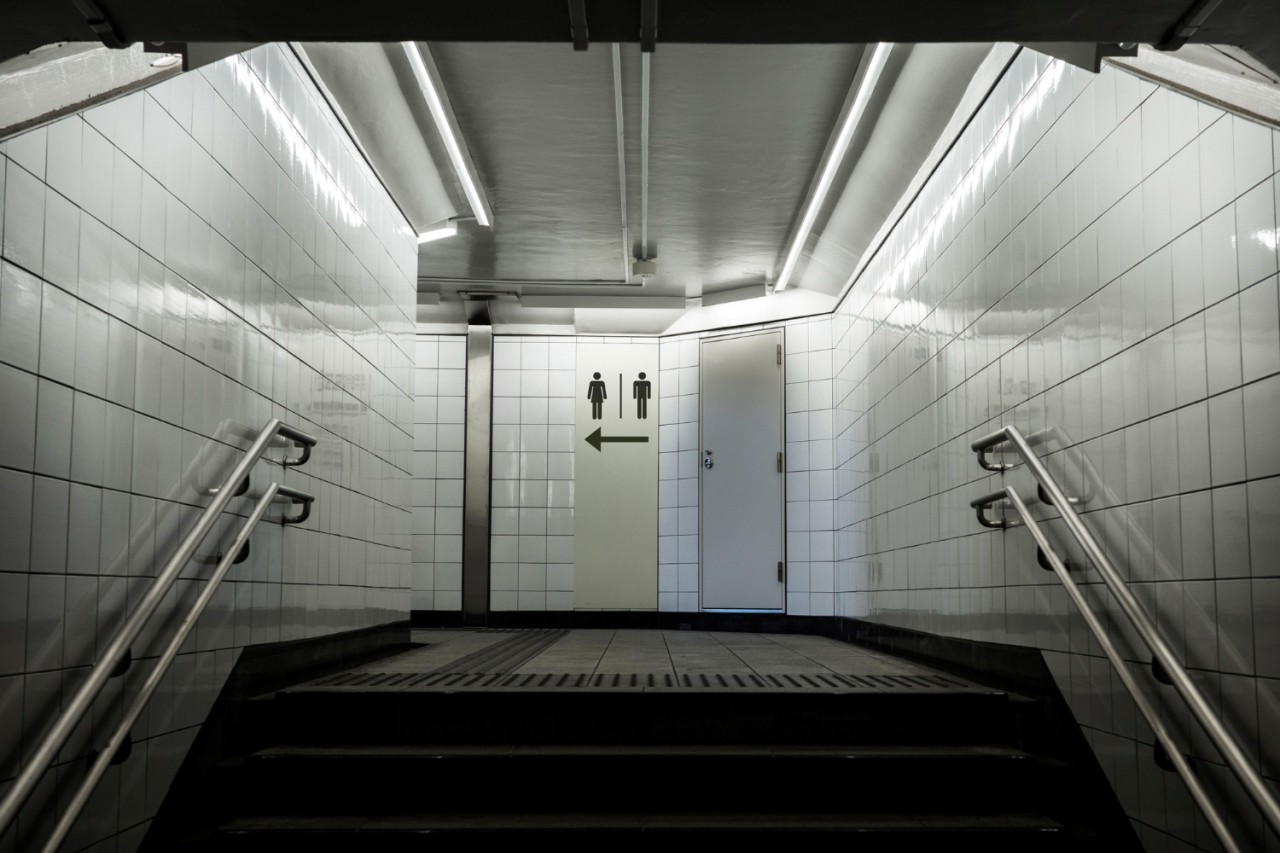
Nordic countries like Norway aren’t cheap either. You’ll typically pay 10–20 kroner (about 1,300–2,600 KRW / about $0.98–$1.95). A big plus: card payment systems are widely available, so you’re less likely to panic over not having coins. Still, that little fee on a receipt is a reminder of how high prices can be.
Netherlands
In the Netherlands — especially tourist-packed Amsterdam — public restrooms usually cost about €1 (about 1,500 KRW / about $1.13). Train station bathrooms are almost always pay-to-use. Doors typically open with a coin or a card tap; they’re well maintained, but paying €1 every time starts to add up.
Venice, Italy
Venice, overflowing with tourists, feels especially visitor-priced. Public toilets around St. Mark’s Square can charge around €1.50 (about 2,200 KRW / about $1.65). Restrooms are scarce and expensive to install, so prices stay high. Locals with resident cards may get discounts, but short-term visitors often end up paying the top rate.
Practical survival tips for restroom emergencies
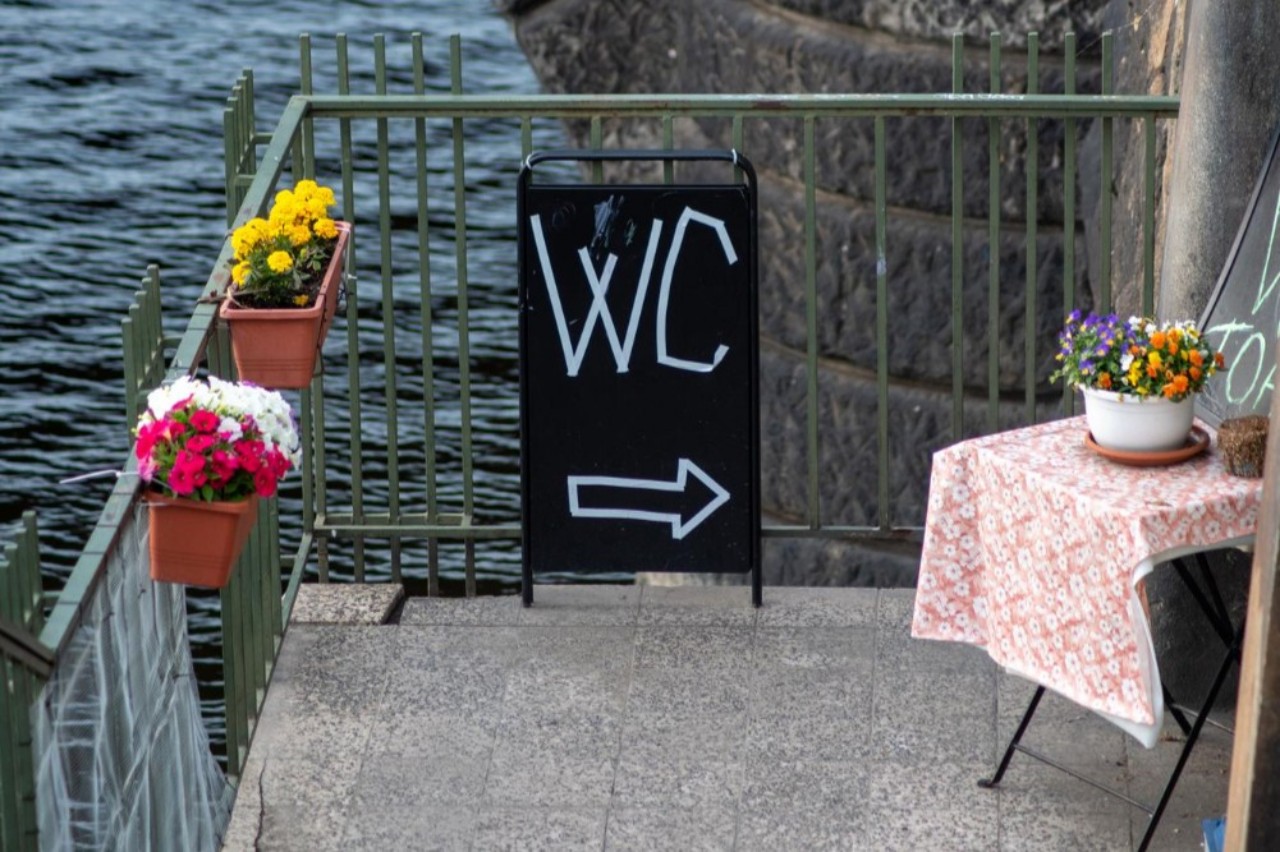
If you can’t find a public restroom nearby and it’s urgent, try these practical hacks.
First, hit global chains like McDonald’s or Starbucks. Many outlets print restroom passwords on the bottom of receipts — buy the cheapest drink and grab the code. Second, when you visit a museum or gallery, use the restroom as soon as you enter; think of restroom access as part of the admission. Third, install apps like Flush or Toilet Finder before you travel — they show the nearest free and paid toilets from your location.
Finally, keep two or three 50-cent or €1 coins in your pocket (about $0.54 or $1.07 each). Many pay toilets still rely on old coin slots, even though more places are adding card readers.