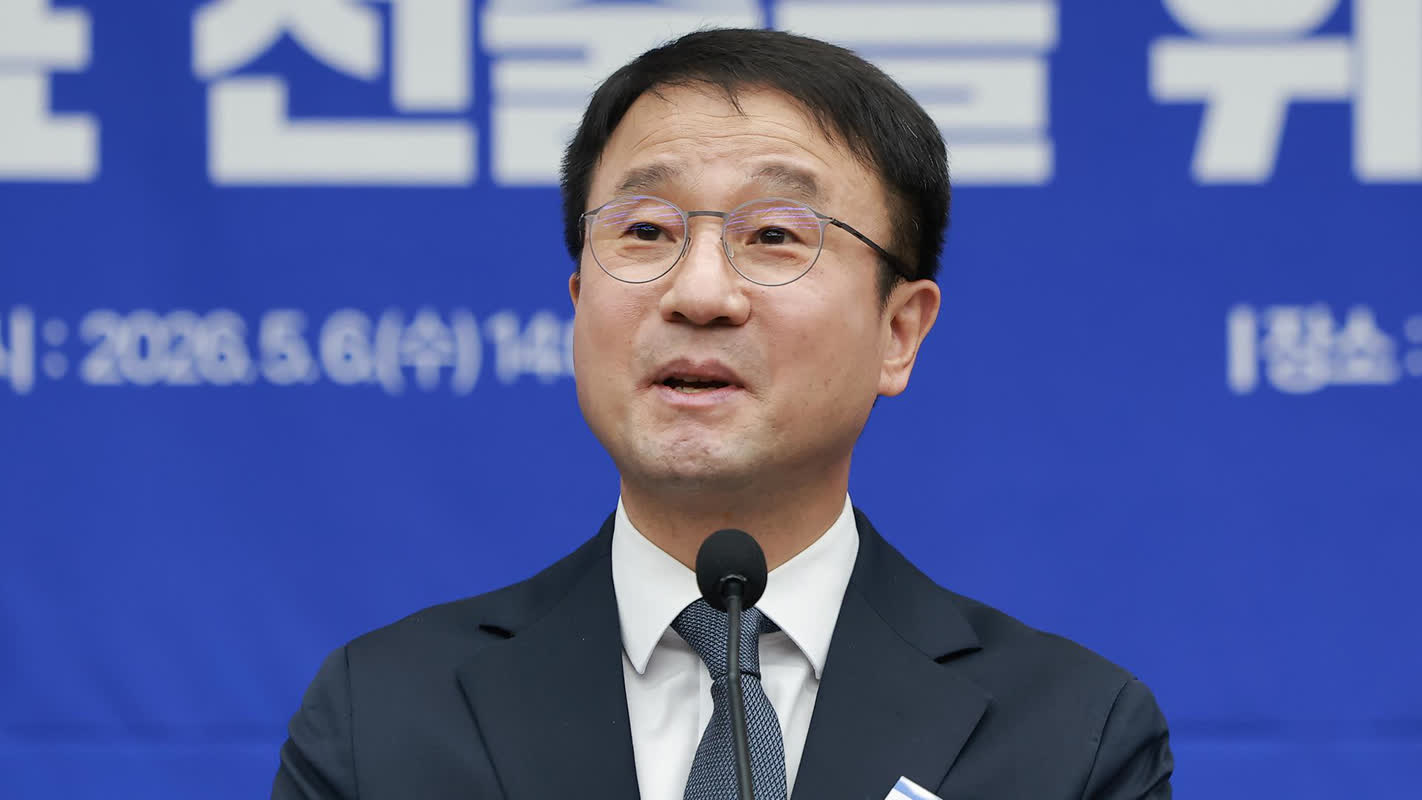
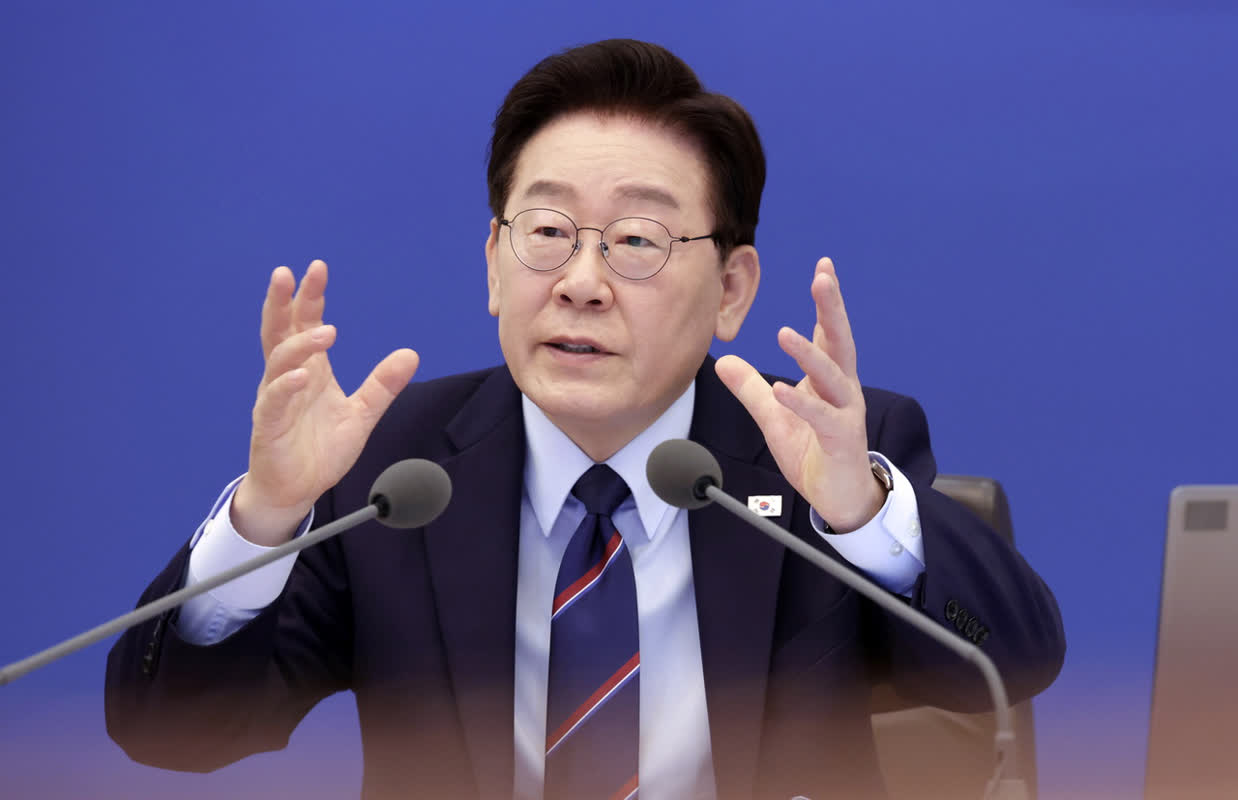
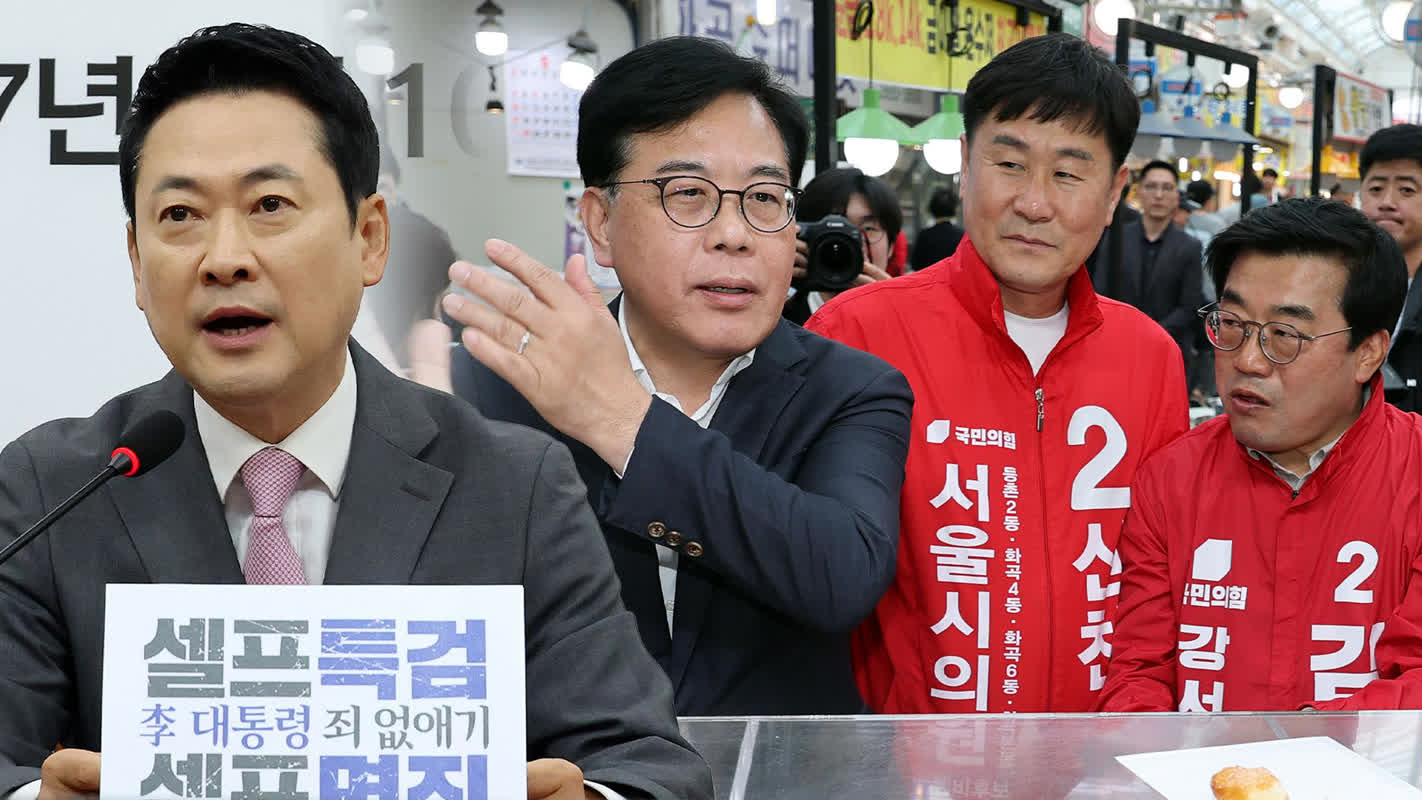
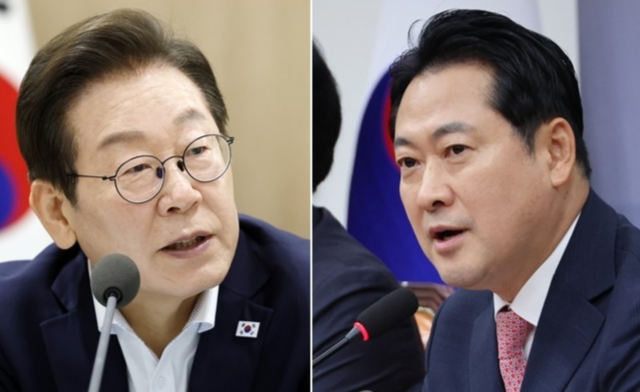
 Jang Dong-hyuk, leader of the People Power Party, accused Lee Jae-myung on May 14 of being motivated solely by money as a potential Samsung Electronics strike that could inflict tens of trillions KRW (roughly tens of billions USD) in losses looms, arguing that Kim Yong-beom’s call for a national dividend reveals Lee’s true intent.
 On his social media that day, Jang wrote, “Whether it’s excess corporate profits or excess tax revenue, Lee didn’t earn that money. From the start, Lee and the Democratic Party have no right to take a share.”
Jang went on to say that while Samsung and SK Hynix are performing well now, just three to four years ago they recorded huge losses during a global semiconductor downturn. He criticized the Democratic Party for fiercely opposing the People Power Party’s K-Chips Act—an effort to revive the semiconductor industry—labeling the opposition’s stance as an accusation of corporate favoritism.
He argued that, had his party not pressed to pass the K-Chips Act, South Korea might not have been able to take advantage of the current semiconductor supercycle.
Jang also accused the Democrats of routinely opposing future-oriented investments such as nuclear power, asking rhetorically whether the present chip boom would have been possible if former President Moon Jae-in’s anti-nuclear policy had succeeded.
He added that the Democrats still oppose a 52-hour exemption for semiconductor R&D, denouncing their repeated obstruction and characterizing the idea of forcibly claiming revenue as if they had earned it as “a classic gangster mindset.”
Jang urged that any excess tax revenue should first be used to pay down debt and warned the public not to be misled by the baseless claim that fiscal tightening is populism. “Stop chasing the national dividend pipe dream and focus on preventing a Samsung Electronics strike,” he said.
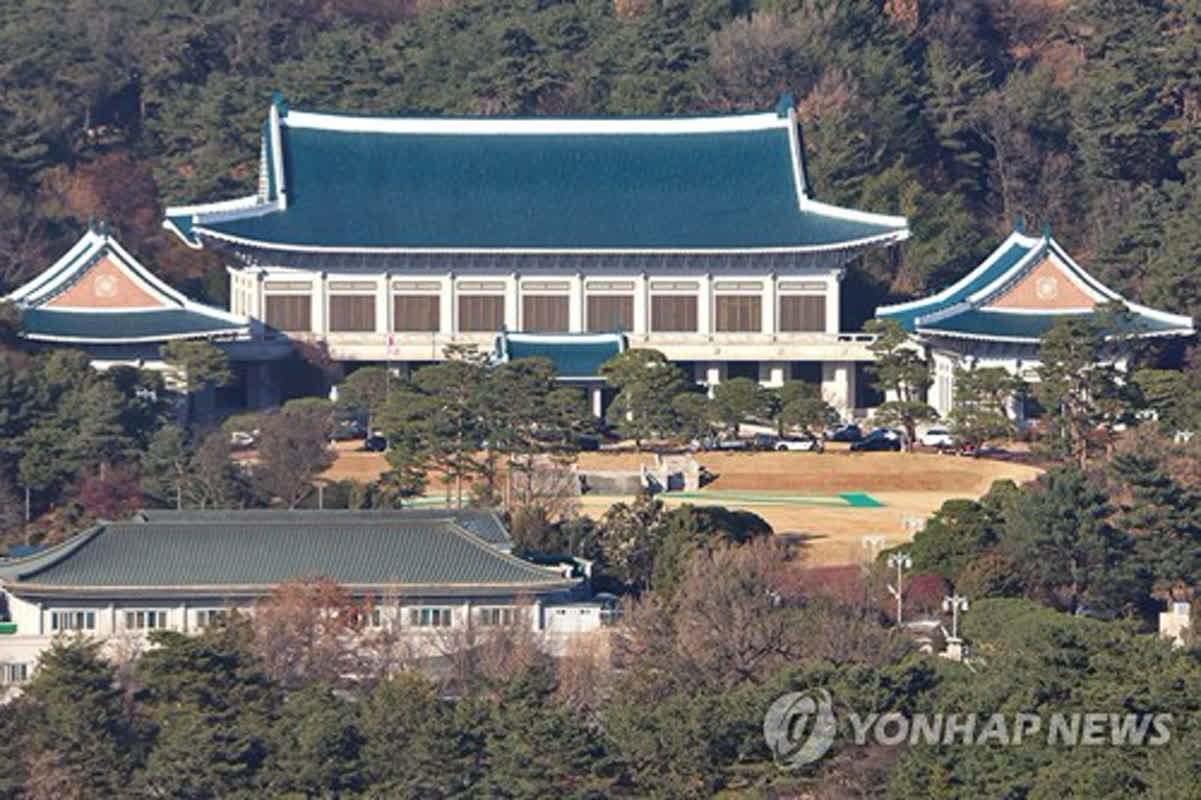
On May 11, Blue House policy chief Kim Yong-beom wrote on Facebook that society should reclaim a portion of chipmakers’ excess profits. Kim argued that an economy dominated by technological monopolies can deepen polarization, and that redistributing some excess profits could help close gaps and fund future social needs. The Blue House described the post as a personal opinion unrelated to internal deliberations, but opposition parties have treated it as the government’s position and launched sustained attacks.
Jang Dong-hyuk: Semiconductor boom is 'thanks to People Power' — Lee Jae-myung, don't fool the public with sophistry [Munhwa Ilbo]