더쎈뉴스 / The CEN News Reporter Lee Joo-sang | In Honam — traditionally regarded as a stronghold of the Democratic Party — the June 3 local elections carry a different significance than before.

South Jeolla Province (Jeonnam) and the city of Gwangju will, for the first time since administrative integration, elect a single metropolitan chief, making this race notable both for its political symbolism and as a potential turning point in the region's power balance.
This election for the Jeonnam–Gwangju integrated special mayor has been reshaped into a four-way contest after the Democratic Party, People Power Party, Progressive Party, and Justice Party each confirmed candidates.
While the Democratic Party is still widely seen as holding the advantage, analysts note that the new environment created by integration and the policy competition highlighted during the primaries could prove decisive.
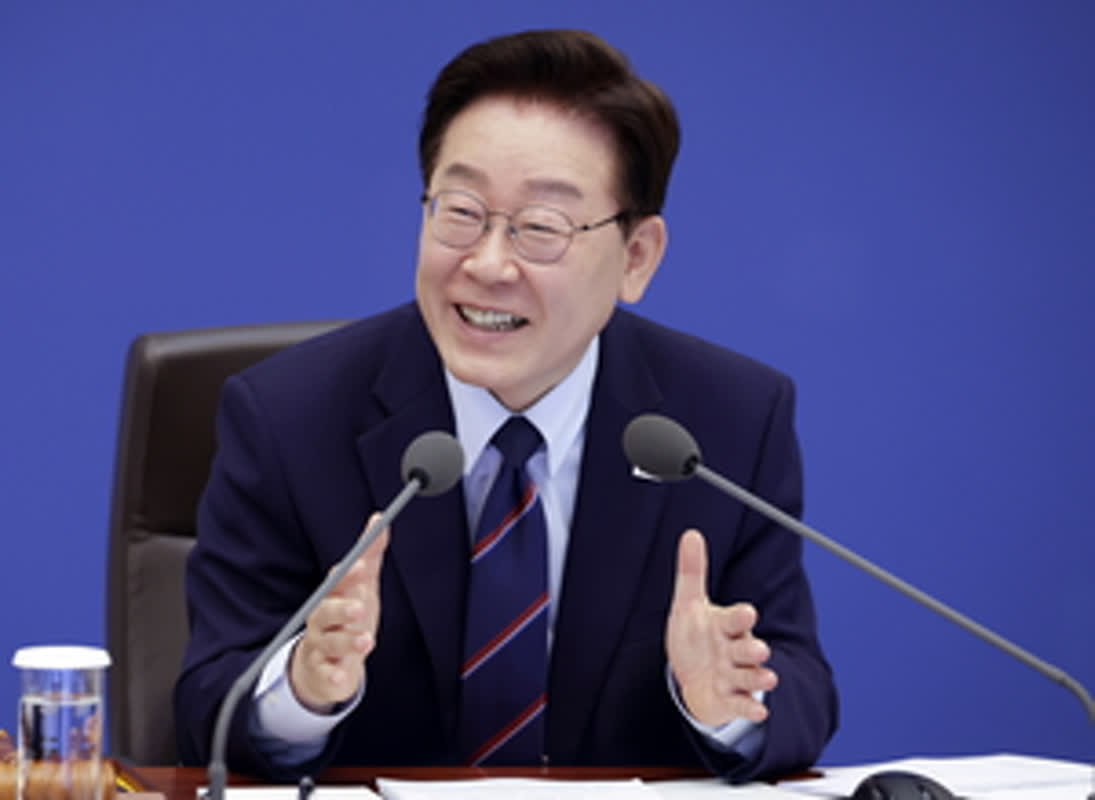
Democratic candidate Min Hyung-bae advanced to the general election after a hard-fought party primary and is regarded as leading in organizational strength and name recognition.
Running on a platform of a “citizen-sovereign government,” he has sought to seize the policy initiative with actionable pledges focused on a structural shift toward artificial intelligence (AI) and the energy sector, building regional power grids, and lowering industrial electricity rates.
Facing him, People Power Party candidate Lee Jung-hyun, drawing on a long record of campaigns in Honam, has set a goal of winning 30% of the vote.
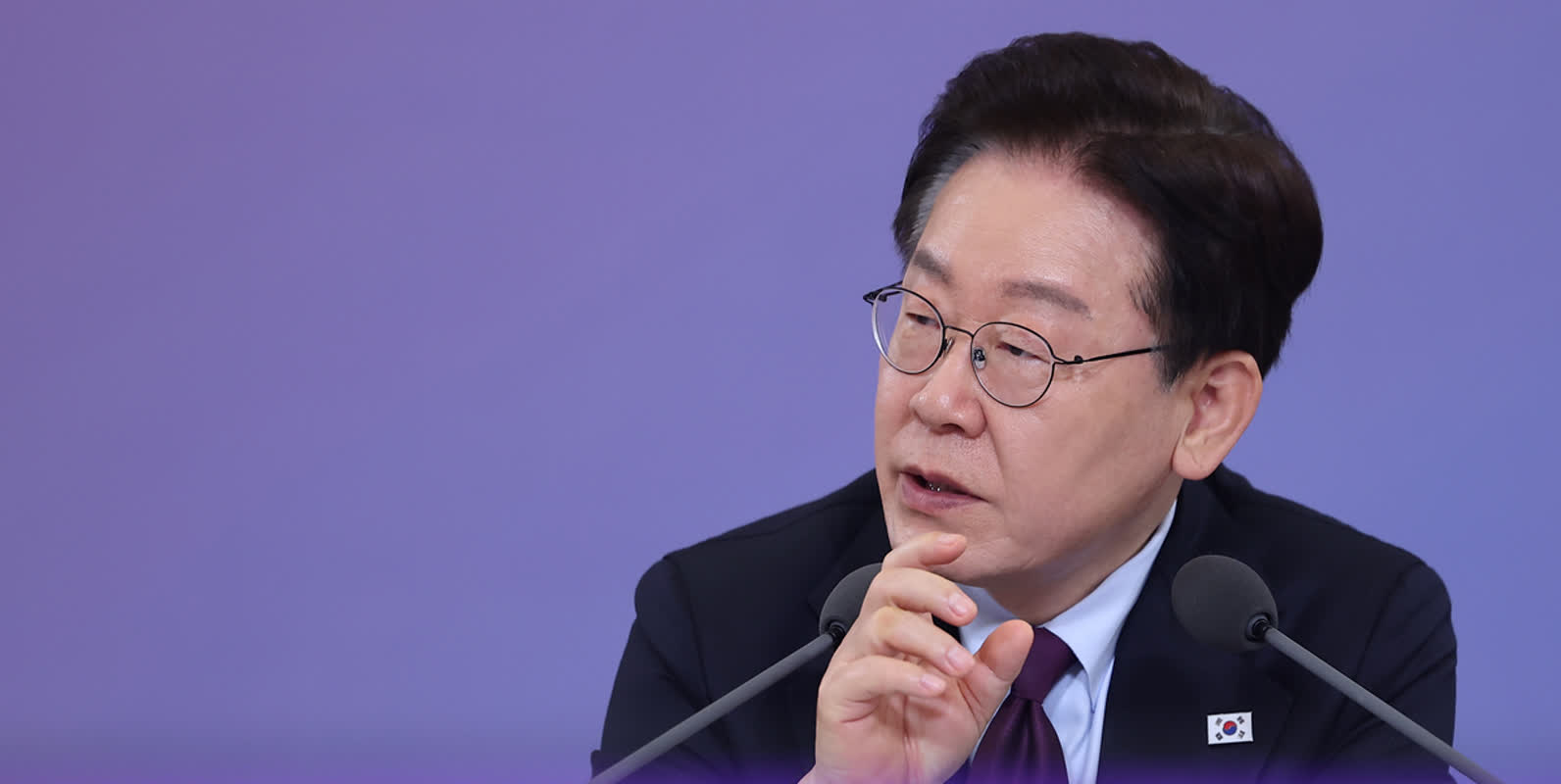
His growth-oriented platform — including plans for a 24-hour economic city and attracting major investment — aims to both consolidate conservative voters and broaden appeal to centrists.
Progressive Party candidate Lee Jong-wook, rooted in labor support, has proposed measures such as a 50 million KRW (about $37,500) youth entry grant, expanded youth housing, and an RE100-driven industrial transition, attempting to differentiate himself with youth- and basic-income-focused policies.
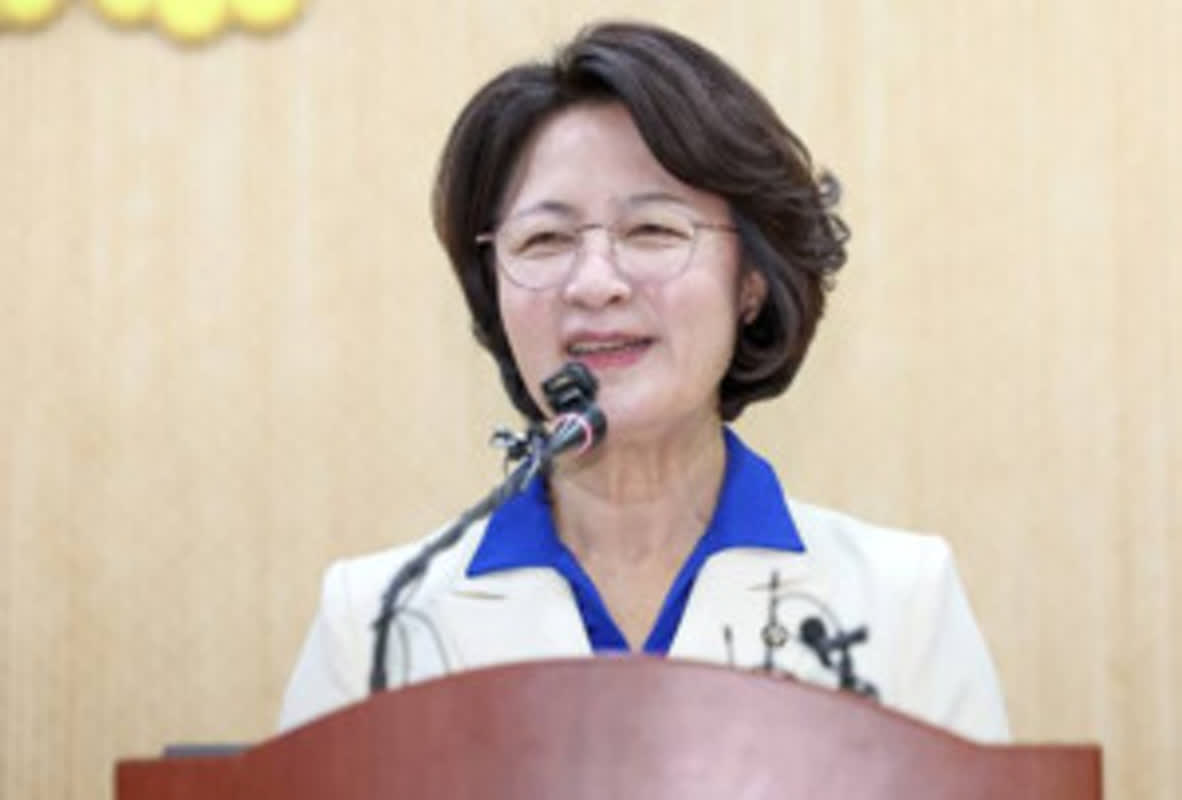
Justice Party candidate Kang Eun-mi, a former lawmaker, has put labor and welfare issues at the forefront. Her core pledges include expanding public jobs for people with severe disabilities, strengthening labor rights, and broadening the state's responsibility for care, all aimed at reinforcing the social safety net.
Observers say the key question is whether opposition candidates can carve out cracks in the Democratic Party's dominance through organized campaigning and policy competition.
In particular, attention is focused on how the new political landscape created by the launch of the integrated special city will affect voter choices.
Meanwhile, the National Innovation Party has yet to finalize a candidate, leaving its participation in the race uncertain.