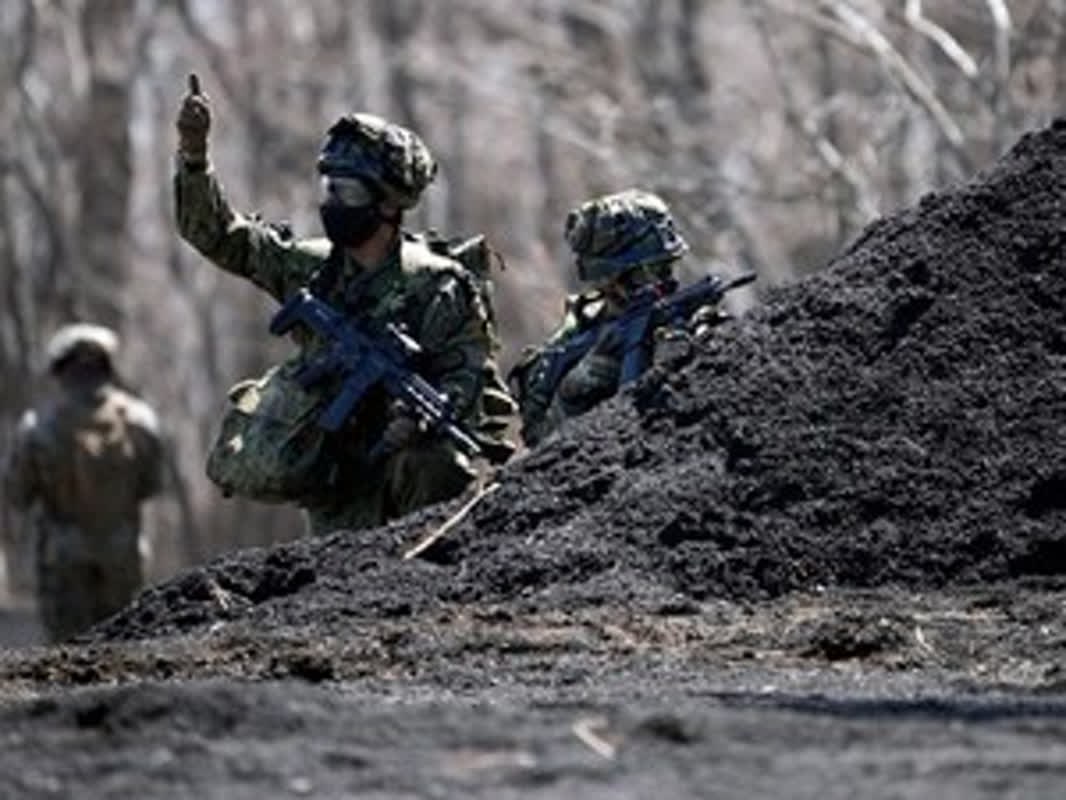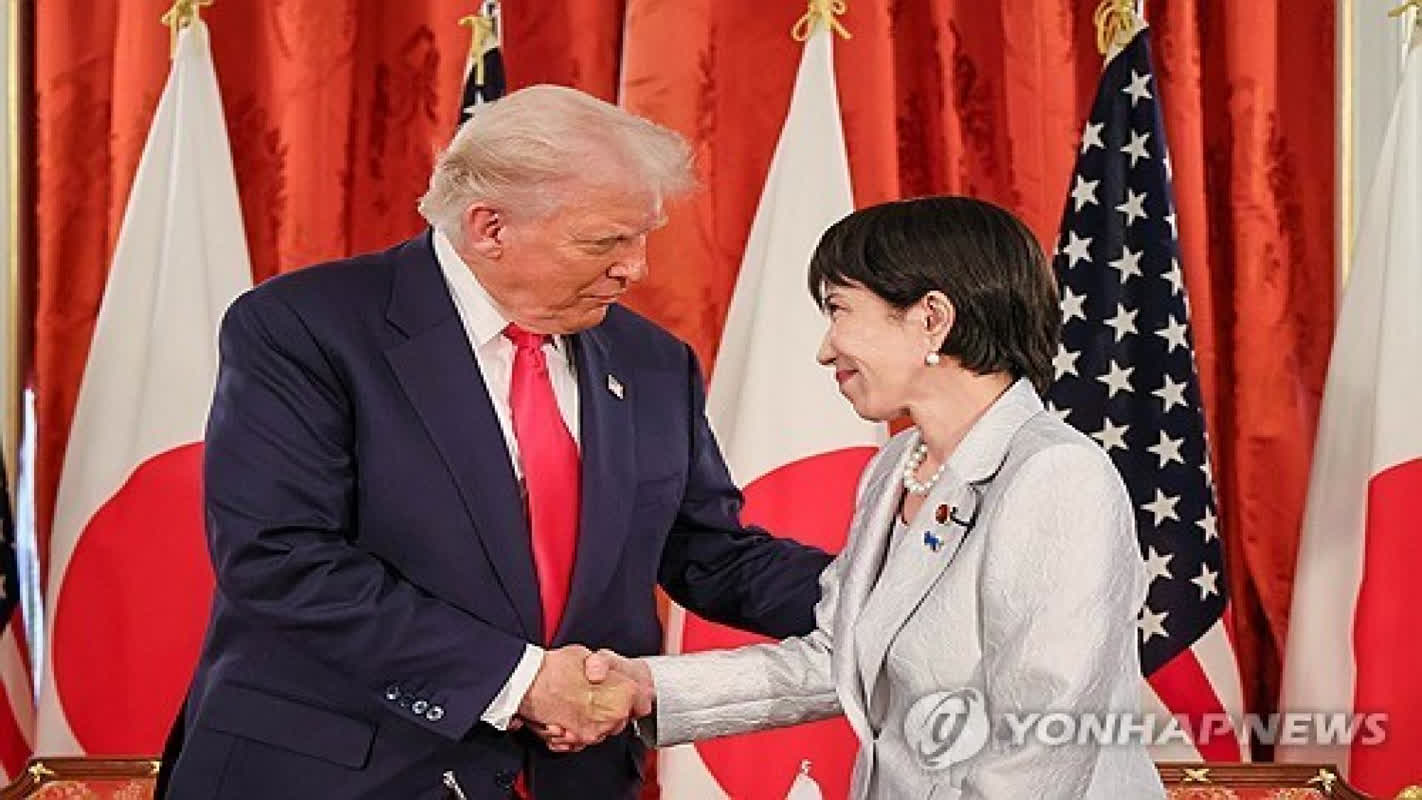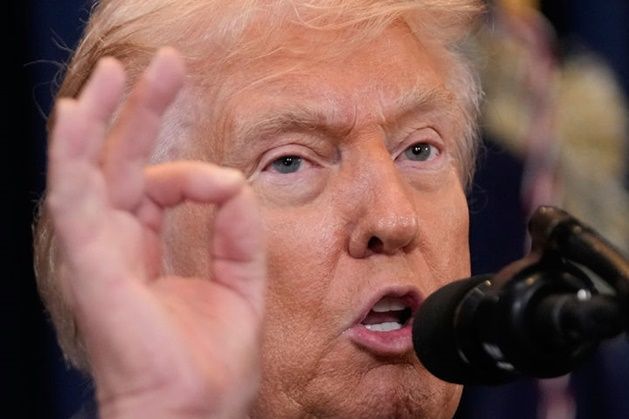
It’s been ten days since the U.S. launched military operations against Iran, but President Donald Trump’s objectives remain unclear. White House messaging has flipped between saying the campaign is “almost over” and that it will “go further,” deepening confusion about the operation’s real goals and strategy.
On the 10th (local time), Axios reported that Trump’s public statements on the Iran campaign lack coherence, noting that even after ten days of strikes conducted alongside Israel, the White House’s stated “end goal” keeps changing.
In an interview with The New York Times on the 1st — a day after the attacks began — Trump said he would continue strikes on Iran “four to five weeks if necessary,” suggesting he did not plan a protracted campaign. The next day he reversed himself, declaring “it doesn’t matter how long it takes,” and signaling a willingness to pursue a longer conflict.
On the 6th, Trump insisted there would be no negotiations with the Iranian regime, demanding “nothing short of unconditional surrender.” Two days later, after Iran officially announced the selection of hard-liner Mojtaba Khamenei as leader and oil prices spiked on escalation fears, messages from the U.S. government grew erratic as officials appeared to scramble.
On the 9th, in an interview with CBS, Trump said the operation would “end soon” and described it as a “short journey.” But after financial markets closed that night he abruptly backtracked, saying he would “keep striking hard,” contradicting his earlier comment.
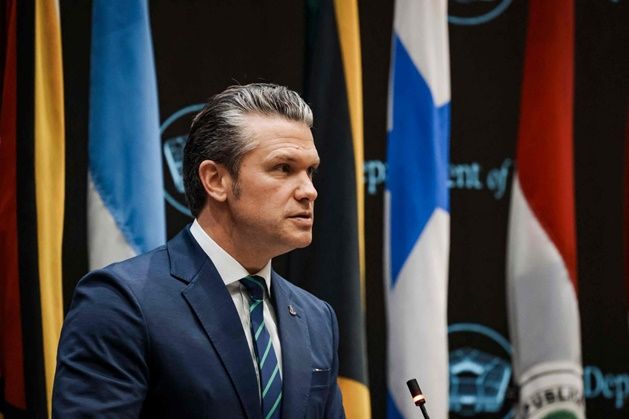
At the same time Trump was signaling a quick end, the U.S. War Department (formerly the Defense Department) posted on its social media a quote from War Secretary Pete Hegses saying “the fight starts now.” When reporters asked whether the campaign would “end soon” or whether “the fight starts now” was correct, Trump replied “both are true,” adding that “nation‑building is about to begin.”
Hegses then appeared to walk that back the following day. In a briefing on the 10th he said, “This is not 2003,” and stressed that “we’re not going to do nation‑building like George W. Bush or Barack Obama.”
The question of regime change in Iran is equally muddled. Hegses has denied that regime change is an objective of the operation, while Trump continues to cast the conflict in terms of Iran’s political system. After Mojtaba Khamenei’s selection, Trump dismissed him as “a lightweight” and called the choice “unacceptable,” openly signaling a desire to influence Tehran’s next leadership selection.
Endgame scenarios are chaotic as well. Last week Trump demanded “unconditional surrender” and said he would accept no compromise, yet days later he left open talks with Iran’s leadership. CNN noted that these mixed messages go beyond Trump’s trademark barrage of words or his tendency to narrate his own actions; they reflect mounting pressure on a president whose war — tied to his political legacy — is spiraling into a global energy and geopolitical crisis.
Colin Kahl, a former deputy undersecretary of defense for policy, warned in Foreign Affairs that when a war’s objectives are unclear, missions expand, timelines lengthen, and the conflict can gain its own momentum until the war itself becomes the purpose.
© Dailian Co. Unauthorized reproduction and redistribution prohibited.