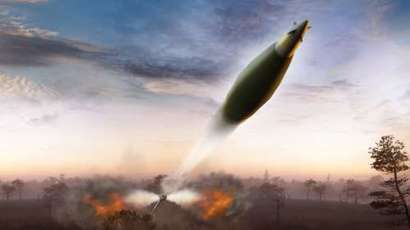
Background of Developing a Ballistic Correction Fuze
The Defense Acquisition Program Committee recently approved development of a 155mm ballistic correction fuze system. The program runs from 2026 through 2035 and is budgeted at 1,591,600,000,000 KRW (≈ $1.19 billion). Its primary objective is to reduce the circular error probable (CEP) of extended-range projectiles to within 5 meters.
The conflict in Ukraine highlighted the dispersion problem for long-range artillery. Conventional shells are pushed off course by wind and pressure variations, forcing excessive ammunition expenditure. South Korea intends to address this with cost‑effective “smart” technologies, targeting Excalibur‑level performance at roughly one‑tenth the price.
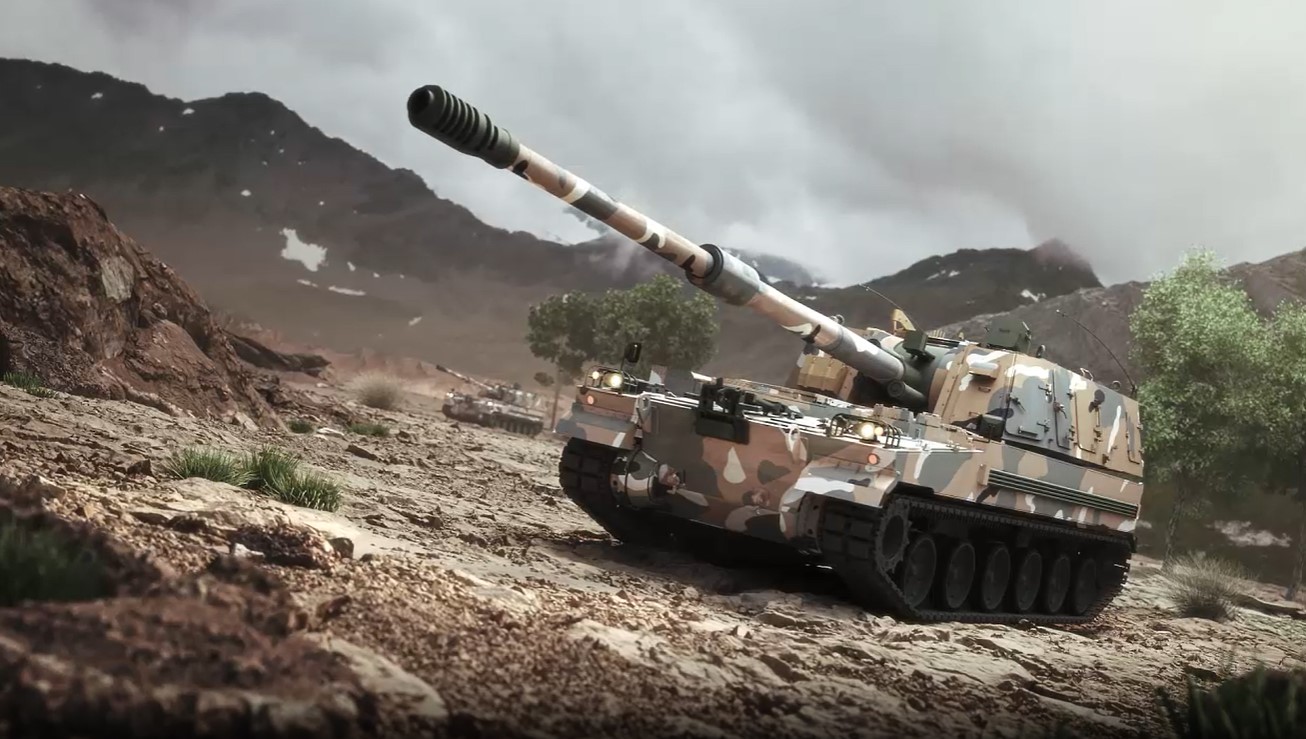
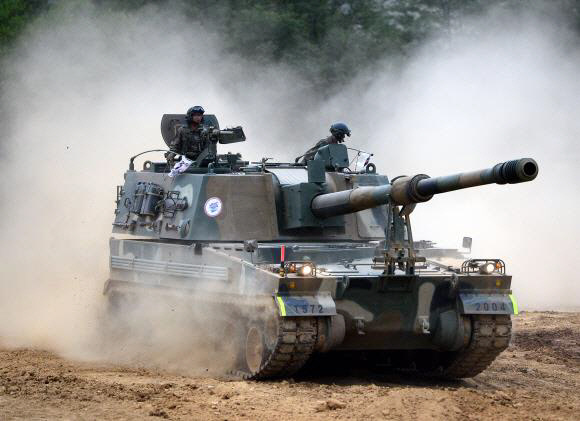
Domestic firms such as Poongsan are leading development, integrating the fuze as a package with the K9A3 self‑propelled howitzer. Officials say this is less a simple upgrade than a potential shift in how artillery will be employed.
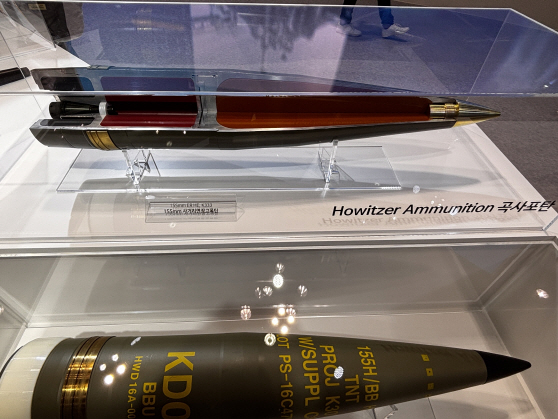
Limits of Existing Extended-Range Shells
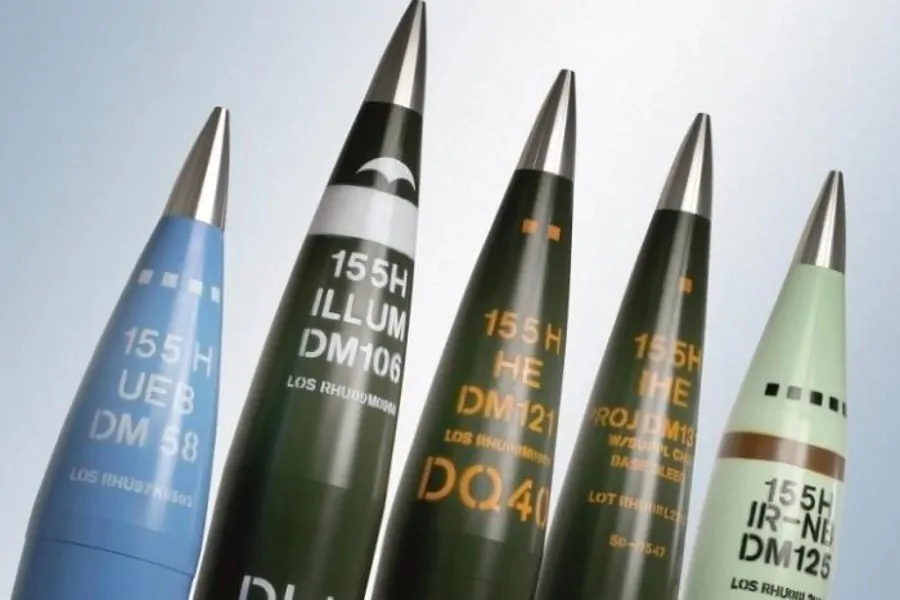
Extended‑range 155mm ammunition uses reduced drag and rocket assist to push ranges past 60 km from the old 40 km baseline. High‑explosive variants claim about 60 km, and dual‑purpose rounds roughly 50 km. But CEP often tops 100 meters, making those rounds unreliable for precision engagements.
Range growth amplifies environmental effects. As projectiles climb, pressure gradients and crosswinds produce lateral drift. Observation and adjustment procedures expose forward elements to drone threats and complicate shoot‑and‑scoot tactics. The net effect can be a three‑ to fivefold increase in ammunition demand.
Programs such as the U.S. PGK and Excalibur have grappled with similar issues. Korean extended‑range rounds are competitive on price, but accuracy gains became a pressing need—driving the move to a corrective fuze.
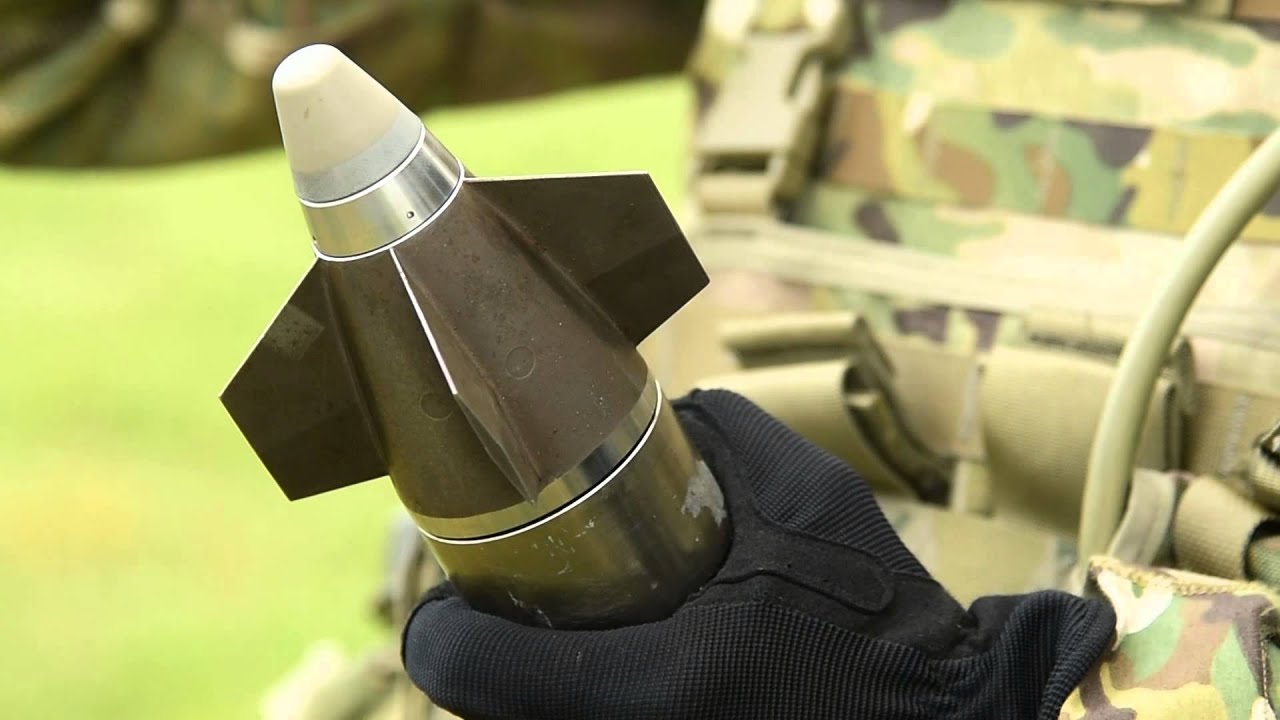
Core Technologies of the Ballistic Correction Fuze
The fuze houses a GNSS receiver, an inertial navigation system (INS) and control actuators. After launch it monitors the projectile’s flight and applies corrections in real time, targeting CEP on the order of 5 meters. Four tail fins provide steering authority to track the aim point.
Survivability through launch is a design driver: the electronics and structure use ultra‑high‑strength materials rated for more than 12,000 G. Circuits are engineered to operate under extreme thermal and vibrational stress. A data link enables nearby guns to share information for coordinated, dynamic corrections.
Compatibility is high: the fuze mounts on the base of existing 155mm projectiles and fits NATO‑standard systems such as the K9, M777 and FH70. Developers say it maintains effectiveness in contested electronic warfare environments.
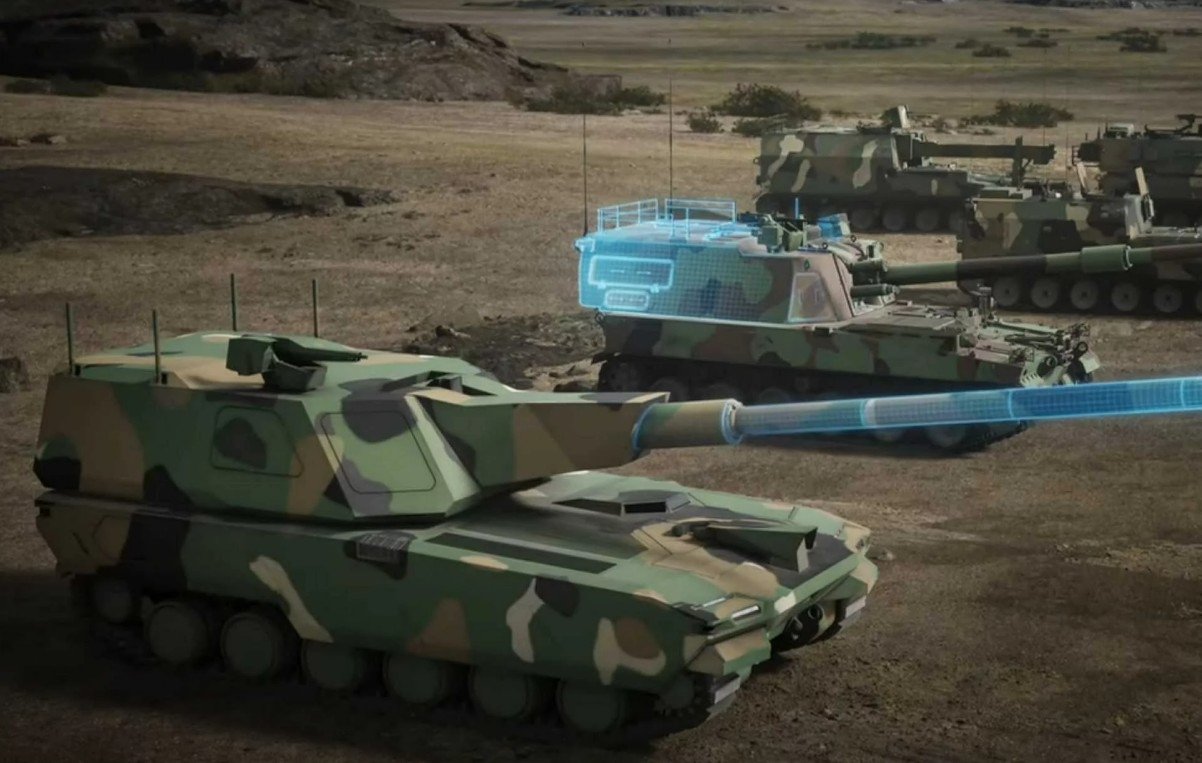
Achieving 100 km Precision Strikes
Paired with the K9A3’s 58‑caliber barrel, the system extends range to about 100 km. High‑energy propellants in the extended rounds combined with the fuze’s flight corrections produce significant synergy. Even under sustained rates—cited as 220 rounds per minute—dispersion reportedly stays near 2.3%.
Following launch, the shell can climb toward 20 km in altitude and execute mid‑course corrections. It factors wind and pressure data into the terminal trajectory. Commanders briefed on tests say first‑round hit probability exceeds 90% without an observation round.
Simulations indicate a 14% improvement in penetration against 200 mm of armor on tracked vehicles. A proximity‑detonation algorithm is used to induce top‑attack effects and maximize lethality.
Battlefield Application and Operational Efficiency
Shoot‑and‑scoot tactics become more viable: units can suppress a target with one or two rounds and relocate immediately. That operational flexibility could cut ammunition consumption by as much as 80% while tripling effective strike outcomes. The capability opens options for precise attacks on distant headquarters and other high‑value targets.
Networked artillery batteries would share environmental and targeting data in real time. That lets one battery use another’s wind readings to refine its own fire, strengthening coordinated strikes and improving survivability under drone and counter‑battery threats.
The change also reduces demand for air‑to‑ground sorties. If artillery reliably covers the 100‑km strike envelope, fighter aircraft can prioritize air superiority and other missions. The capability could be a strategic asset for seizing early‑war firepower advantage.
Economic and Export Impact
Despite a program price tag near 1,600,000,000,000 KRW (≈ $1.20 billion), officials expect strong returns. At an estimated unit cost of 30,000,000 KRW (≈ $22,500) per round, the solution is positioned as a lower‑cost alternative to Excalibur. Exporting the K9 package could multiply the domestic economic impact by up to ten times.
The fuze is reportedly a key option in Poland’s follow‑on contract and figures into talks with Australia and Norway. Middle East buyers are also said to prefer bundled 155mm extended rounds with corrective fuzes. Planners estimate the program could support roughly 5,000 domestic jobs and boost materials and electronic systems expertise.
Proponents view NATO certification and potential U.S. adoption as pathways to setting a global standard. Success would strengthen South Korea’s defense export ecosystem and accelerate its rise among leading arms exporters.
Global Competitive Edge and Future Outlook
Developers argue Korean technology addresses Excalibur’s cost and durability limits. With systems rated for extreme g‑loads—claimed up to 100,000 G—and predictive flight algorithms, they say failure rates fall by roughly 60%, putting program timelines and capability ahead of some European competitors.
Opportunities for growth are substantial: research is already exploring integration with hypersonic projectiles and laser guidance, building toward a sixth‑generation artillery concept. If mass production begins in 2035, South Korea’s army could field one of the most capable artillery forces in the world.
The effort aims to transform artillery into an AI‑networked combat arm. Export prospects in developing markets are broad. The program underscores the South Korean defense sector’s push to reshape the future of artillery warfare.