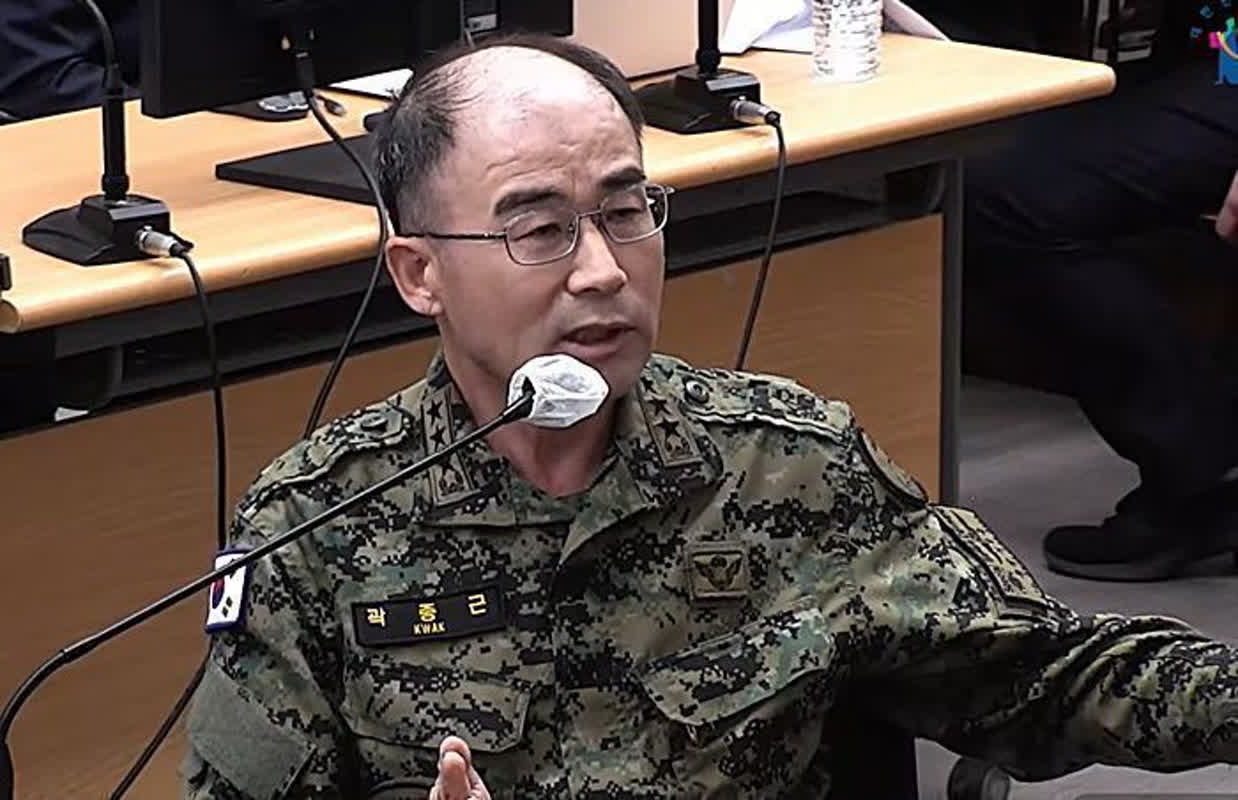
Defense Minister Ahn Gyu‑baek visited the Combined Air Component Command and other training sites on March 11 as the first‑half U.S.–South Korea joint exercise Freedom Shield (FS) was underway, inspecting the allies’ joint defense posture.
Ahn received a briefing on FS at the Defense Command Headquarters and told troops the exercise is essential not only to South Korea’s collective defense but also to keeping forces sharp—able to make sound decisions and execute operations under complex, realistic conditions. He encouraged the service members taking part.
Ahn also urged forces to make thorough preparations to restore wartime operational control, with a goal of completing verification of the Future Combined Command’s full operational capability (FOC) in 2026.
Earlier, Ahn had designated 2026 as the year to reclaim OPCON and said he plans to finish FOC verification by October. The OPCON transfer process is broken into initial operational capability (IOC), full operational capability (FOC), and full mission capability (FMC). South Korea has completed the FOC evaluation—the second phase—and is now in the verification stage.
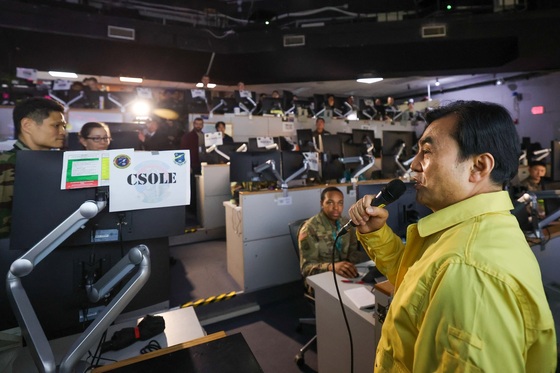
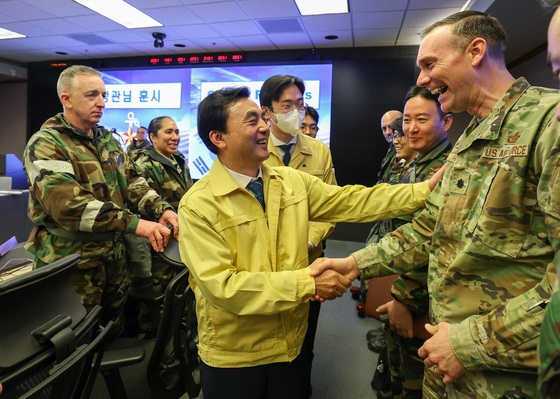
Ahn then visited the Combined Air Component Command, where he received briefings from the Air Operations Command chief and the commander of U.S. 7th Air Force. He said the U.S.–South Korea alliance forged through shared sacrifice is the bedrock of South Korea’s security, and he stressed that close communication and mutual trust between the two defense establishments are more important than ever in a rapidly changing security environment.
He reviewed 10 field maneuvers conducted that day, including combined flight training, and described the Combined Air Component Command as a core element of the U.S.–South Korea joint defense posture—a sharp spear and overwhelming force that must respond first in a crisis. He added that training is a lifeline for service members and that realistic drills are essential to acquiring and maintaining the skills and mindset needed for victory.
Ahn told participating ROK and U.S. personnel that the U.S.–South Korea joint defense system is among the world’s strongest and most effective. He said preserving and further strengthening that system after the OPCON transfer is a shared responsibility, and he praised the troops as the ones who make the alliance and joint defense posture real.
He also visited the Air Operations Command’s Space Operations Center to review current space operations.
At the center, Ahn warned that threats in space and cyberspace are increasingly unpredictable and complex. He urged sustained U.S.–South Korea cooperation to advance operational capabilities—such as space surveillance and reconnaissance—because those capabilities will shape future battlefields.