U.S. raised the intensity of the military operation
to the highest level
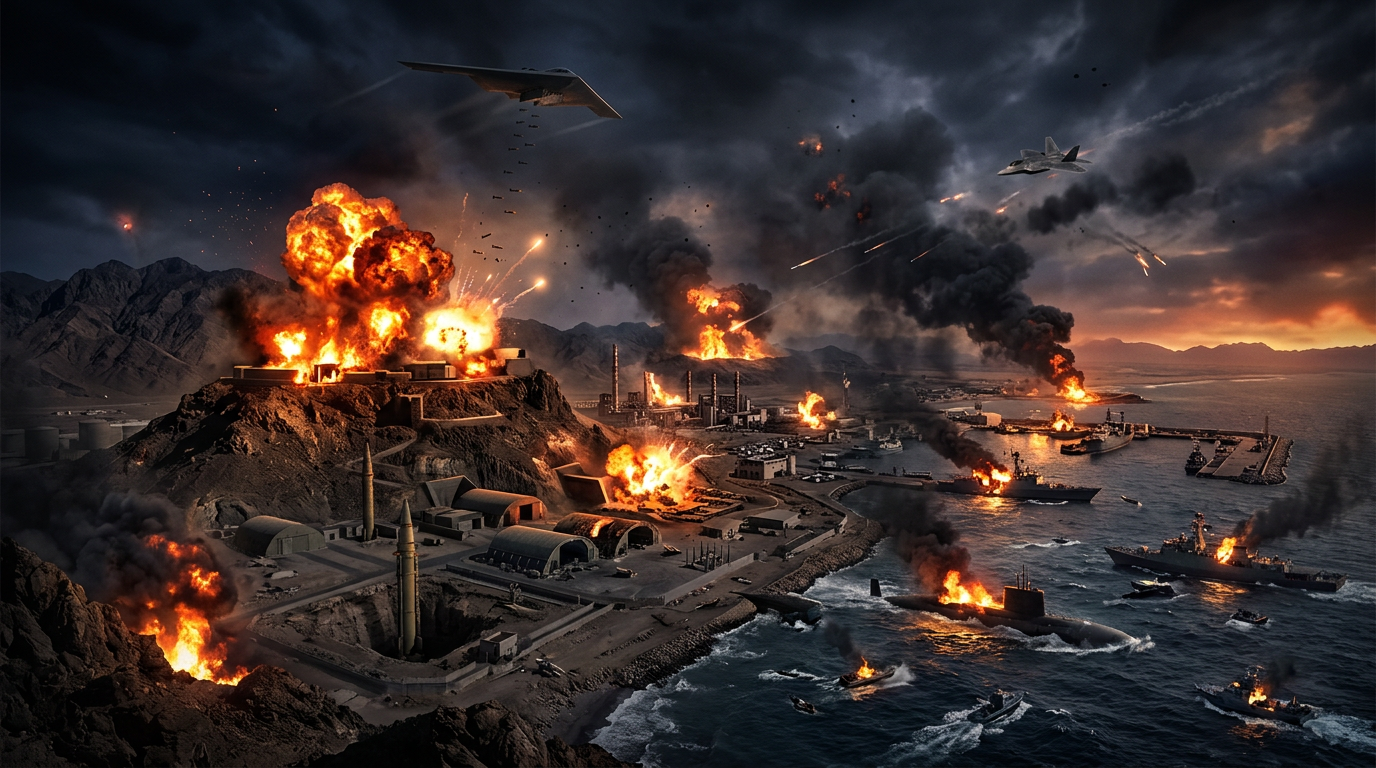
Eleven days after the operation began, the U.S. escalated its military campaign against Iran to the highest level.
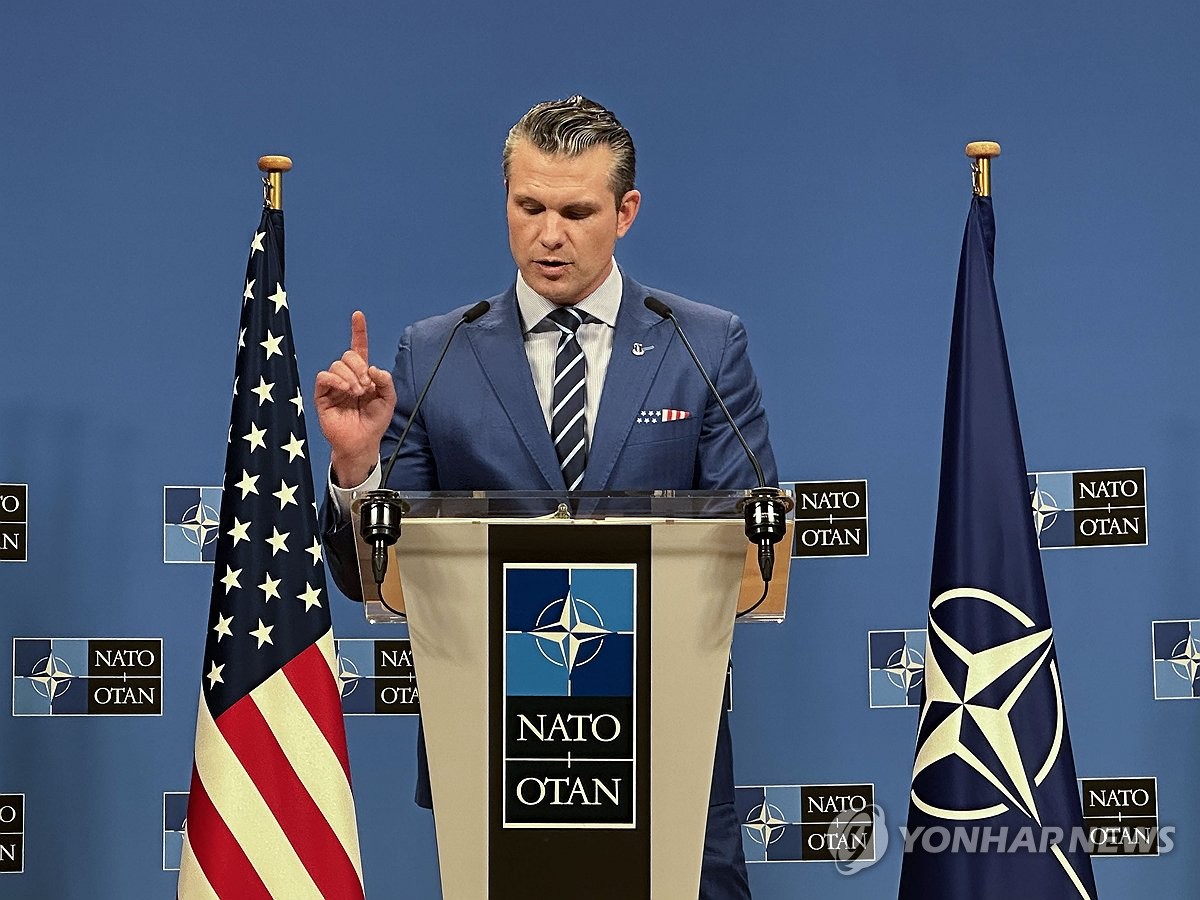
Defense Secretary Pete Hegses told reporters at the Pentagon in Washington, D.C., on the 10th (local time), “Today will be the most intense day of airstrikes in this operation.” He added, “We will not stop until the enemy is completely and decisively defeated.”
Operation Epic Fury, which began the evening of Feb. 28, 2026, is an overt, joint operation by the U.S. and Israel.
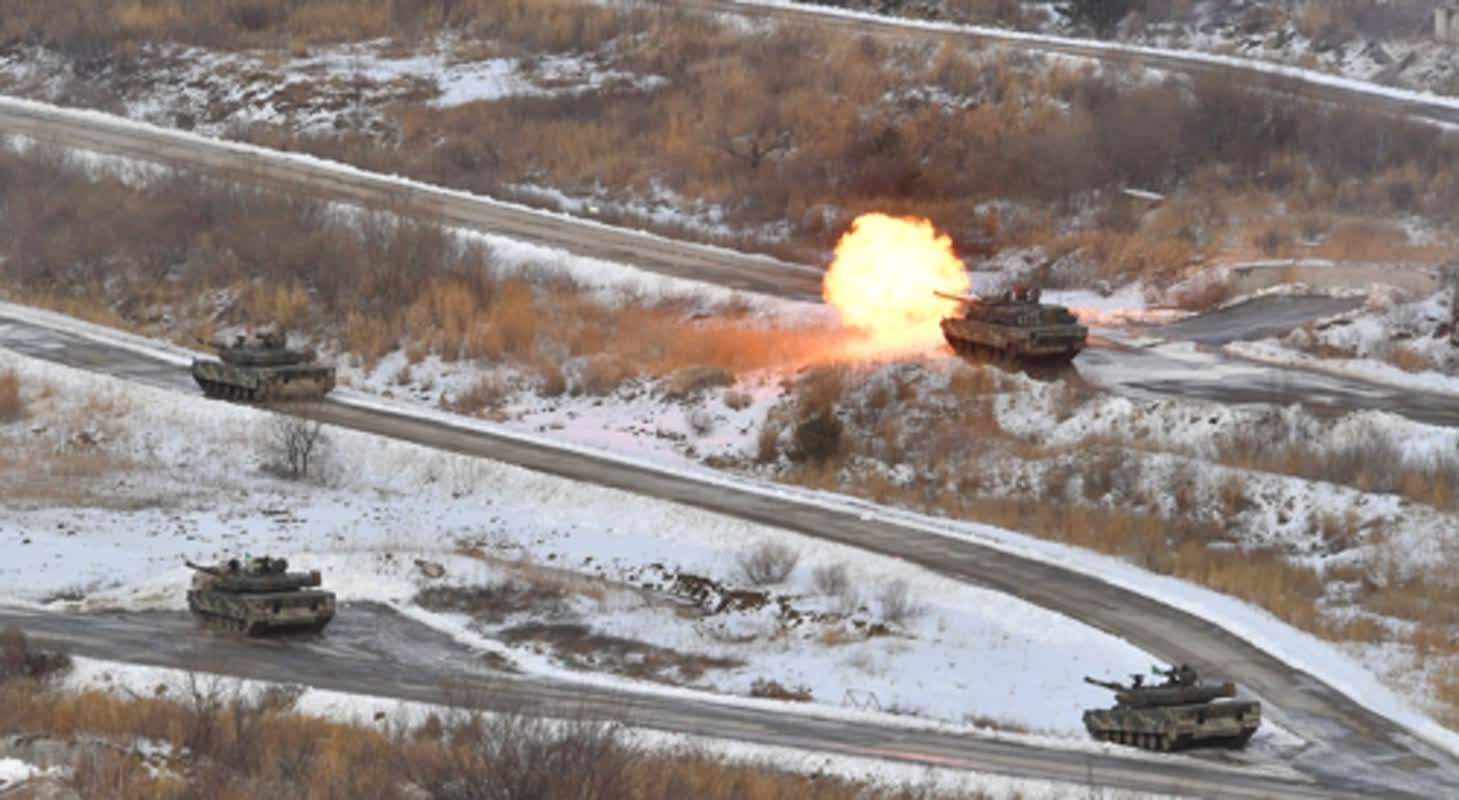
Commanders launched it two days after nuclear talks collapsed, with core objectives to cripple Iran’s missile and defense-industry infrastructure and to permanently block its path to nuclear weapons. More than 30 major military sites were hit simultaneously on the first day, and over 5,000 targets have been struck to date.
Three military objectives and battlefield results
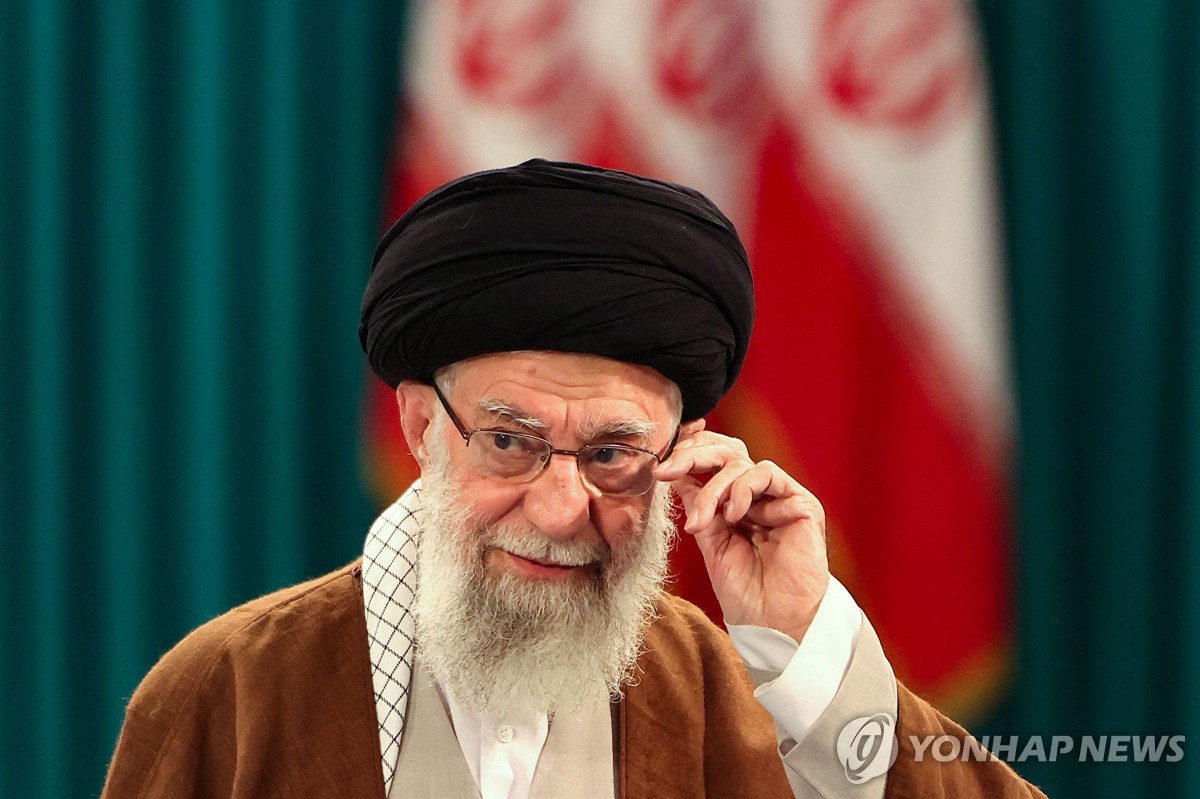
At a briefing, Joint Chiefs Chairman Dan Keane outlined three clear military objectives: neutralize Iran’s ballistic missile and drone capabilities; strike the Iranian navy to keep shipping through the Strait of Hormuz flowing; and destroy military and industrial infrastructure.
Keane said U.S. Strategic Command bombers dropped dozens of 2,000-pound GPS-guided bunker-buster bombs on missile launchers buried deep underground. Iranian forces lost 17 vessels, including submarines. Since the operation began, ballistic missile attacks have fallen by 90% and suicide drone attacks by 83%. “In the past 24 hours, Iran launched the fewest missiles on record,” Keane said, adding that the trend aligned with expectations.
Emphasizing a short expedition... preemptively avoiding long-term burdens
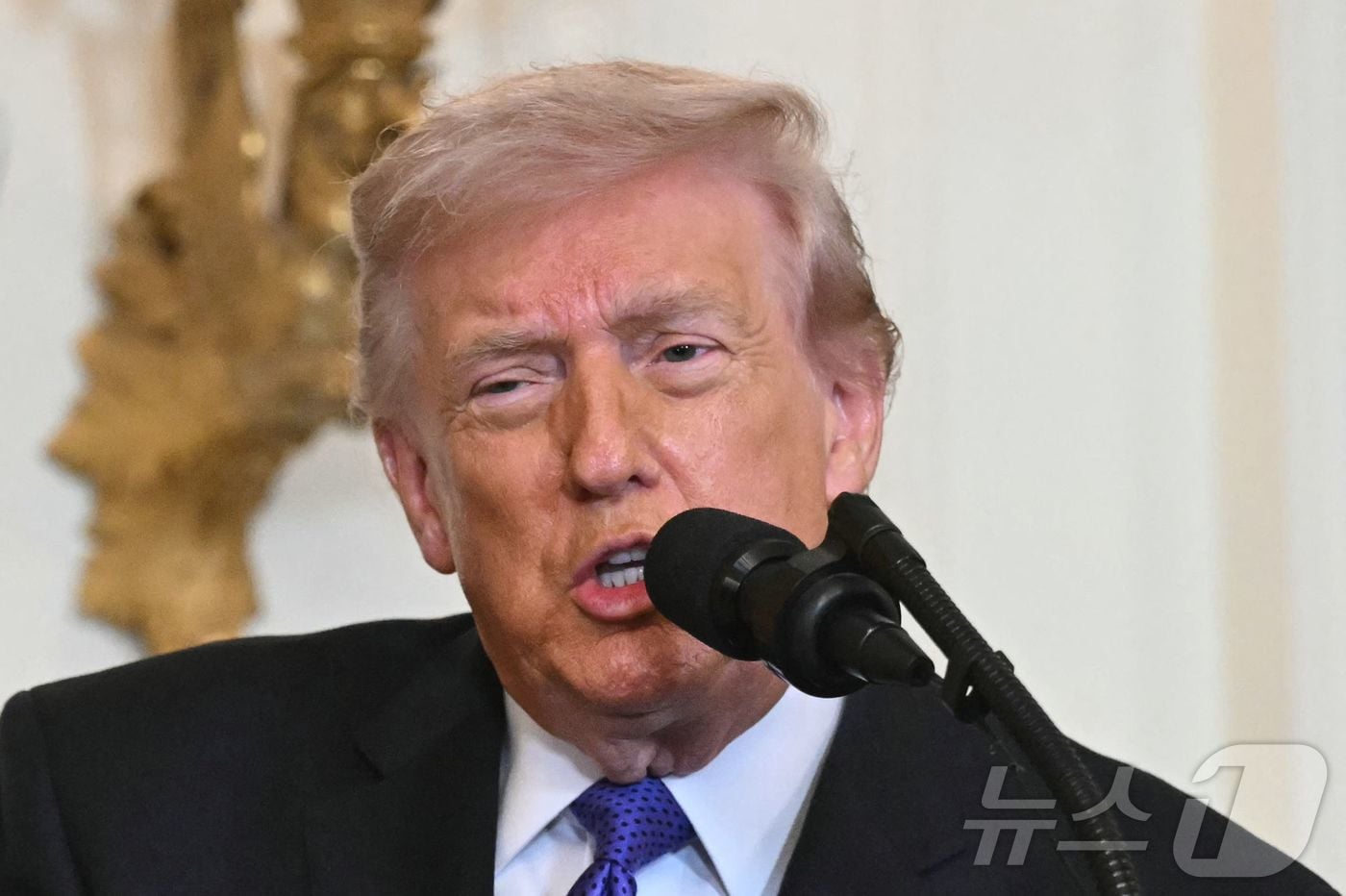
Hegses and President Trump have both emphasized the campaign will be short, and there’s a clear reason: public fatigue at home has become a political factor.
Hegses drew a line, saying, “This is not 2003. This is not an era for endless nation-building like under Bush or Obama.”
The day before, President Trump also described the operation as a “short expedition,” saying, “It will end soon.” That phrasing reflected pushback even within parts of the MAGA base, where some worry about the prospect of a larger ground deployment.
Military analysts warn the cost asymmetry could become a fiscal drag in a protracted fight: drones priced at roughly 30 million KRW (approximately $22,500) versus interceptor missiles that cost tens of billions of KRW (roughly $7.5 million per missile at 10 billion KRW) could make a long campaign prohibitively expensive.