Amid rising global geopolitical tensions, a state-of-the-art weapons system developed in Gumi, North Gyeongsang, has been making a significant impact on the international stage. Gumi-made systems proved their superior performance and rapid delivery in the Middle East and have evolved into a diplomatic lever that helps secure South Korea’s critical energy supply.
Following the success of the "Defense Industry Innovation Cluster," Gumi City attracted roughly 1.1219 trillion KRW (about $841.4 million) in investment and has announced plans to become a specialized materials, parts and equipment (so-bu-jang) industrial park to achieve full technological self-reliance. The city is positioning itself as a key forward base for K‑defense.
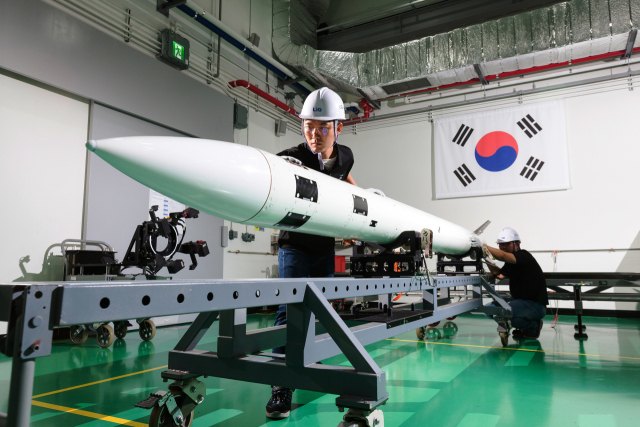
On the 12th, defense industry officials said the Gumi industrial complex, once the engine of Korea’s electronics sector, now produces advanced weapons systems on the back of mature infrastructure. Its flagship is the surface-to-air interceptor Cheongung‑II.
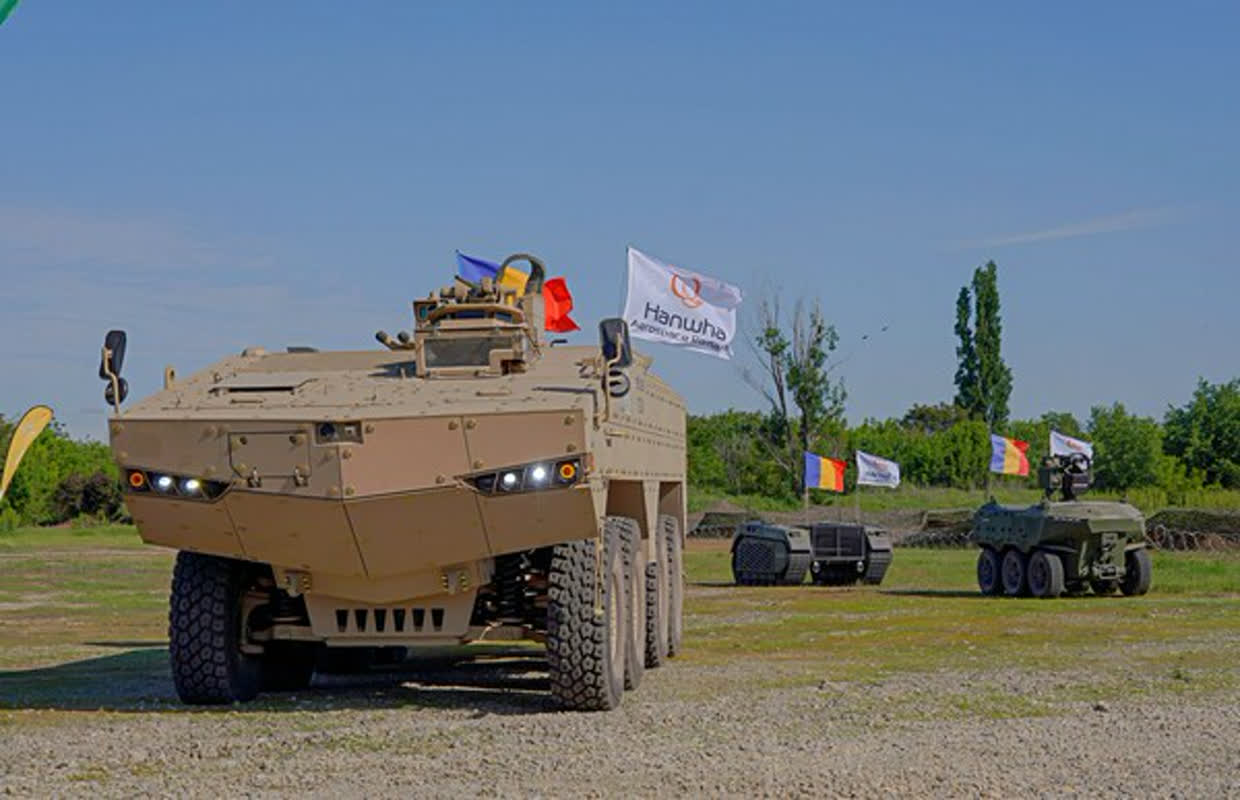
Developed through cooperation among major Gumi defense firms — including LIG D&A (formerly LIG Nex1) and Hanwha Systems — the system fully implements hit-to-kill capability, using cold launches and intercepting incoming missiles by direct impact at speeds exceeding Mach 5. With Hanwha Systems producing an advanced AESA radar and the core electronics for the Redback armored vehicle locally, Gumi has earned a reputation as the "mother factory" of premium weapons systems.
The value of Gumi-made weapons was proven in combat. Over UAE airspace, where strikes were intense, Cheongung‑II achieved an impressive 96 percent interception success rate, emerging as a guardian of the region’s skies.
When the UAE urgently requested early deliveries after depleting its interceptors, LIG D&A, Hanwha Systems and others put in extra shifts to accelerate production and complete expedited deliveries. Moved by that response, UAE leaders designated South Korea a top priority for crude-oil supplies amid market volatility and allocated 24 million barrels of strategic reserves to Korea. The episode became a 21st-century defense-energy swap: arms that protect an ally in exchange for securing a nation’s energy lifeline.
Industry officials say this outcome rests on a solid local ecosystem. Designated a "Defense Industry Innovation Cluster" in 2023, Gumi attracted 1.1219 trillion KRW (about $841.4 million) in defense-sector investment during the current municipal administration.
Gumi City is now pushing for formal designation as a defense so-bu-jang specialized park. City officials say they intend to domesticize 100 percent of core components so that not a single screw depends on foreign suppliers.
A Gumi city official said, "We will leverage the momentum from attracting roughly 1.1219 trillion KRW (about $841.4 million) through the Defense Industry Innovation Cluster to secure designation as a so-bu-jang specialized park, and we will make Gumi the central, fully integrated supply hub of K‑defense with premium systems like Cheongung‑II."