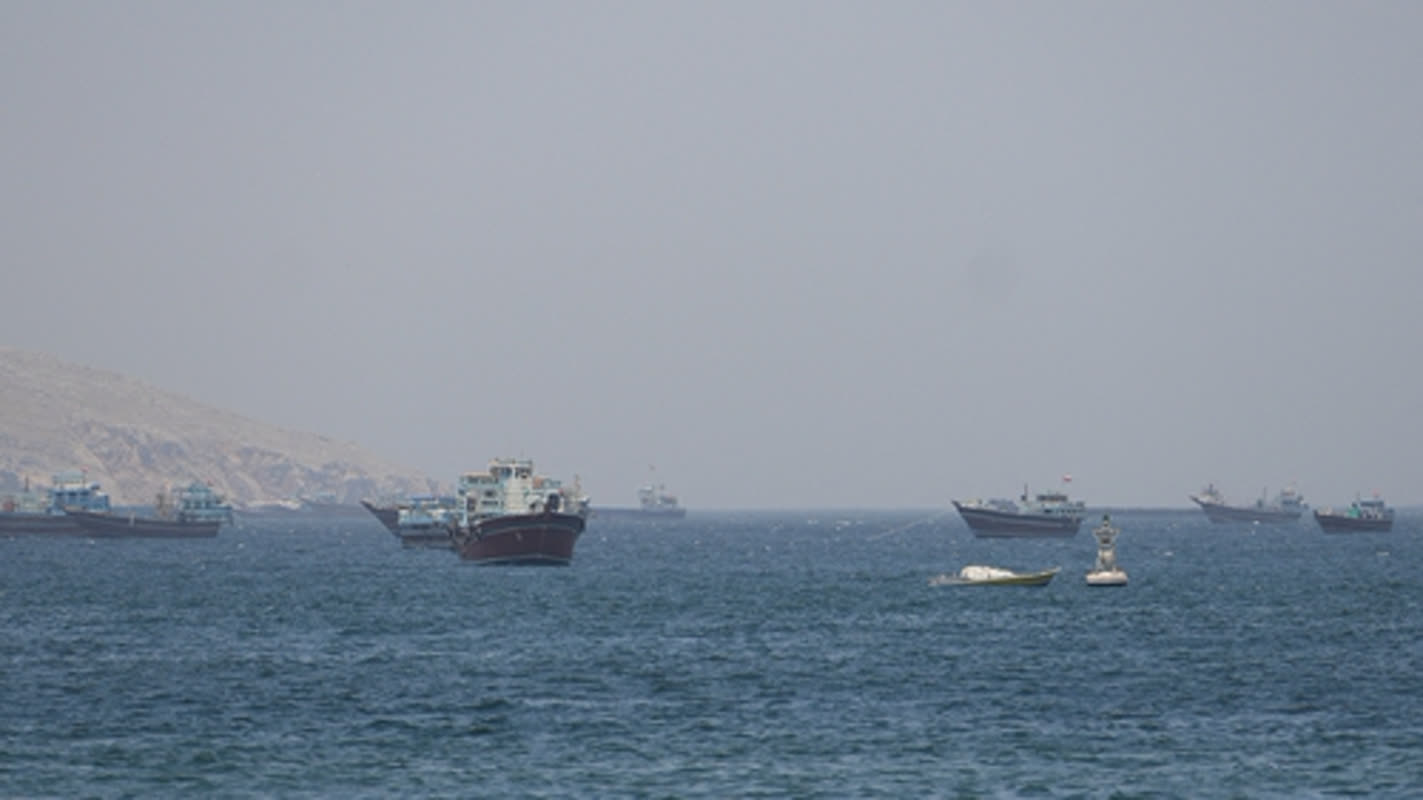
Authorities confirmed that vessels tied to Japan and Europe have transited the Strait of Hormuz, which had been effectively sealed amid escalating U.S.-Iran hostilities.
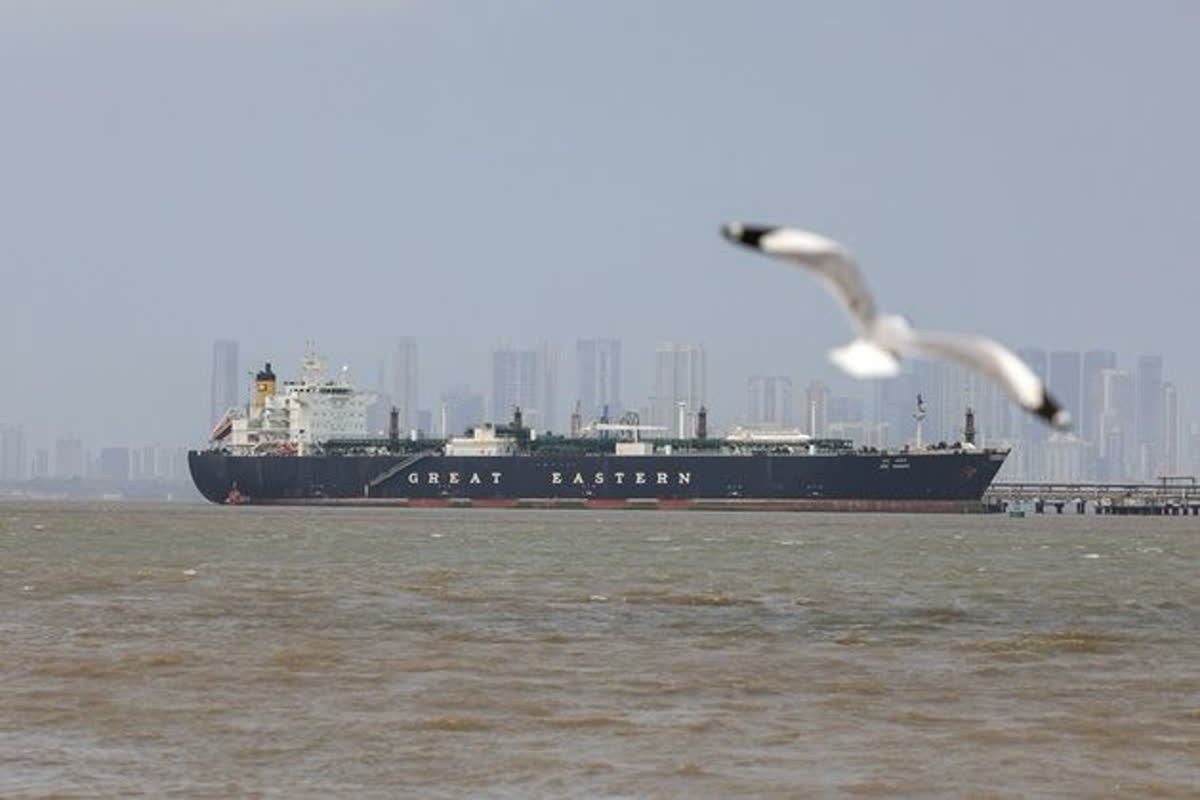
The Asahi Shimbun reported on April 3 (local time) that a liquefied natural gas (LNG) carrier operated by Japan’s Mitsui O.S.K. Lines (MOL) exited the Strait of Hormuz. The Panama-flagged vessel, SOHAR, is believed to be the first ship linked to Japan to transit the strait since the conflict began.
Tracking indicates the SOHAR had been anchored in the Persian Gulf before moving through the strait. Japan’s Minister of Land, Infrastructure, Transport and Tourism, Yasushi Kaneko, said at 7 a.m. that 45 Japan-related vessels remained in the Gulf, suggesting the SOHAR moved after that tally was issued.
MOL declined to disclose the crew composition but said it had confirmed the safety of both the crew and the vessel.
Earlier reports also indicated a French-operated ship passed the strait. Bloomberg reported that the container ship Kribi, operated by French carrier CMA CGM, transited the Strait of Hormuz. The Kribi sails under the Maltese flag and is owned by a French company.
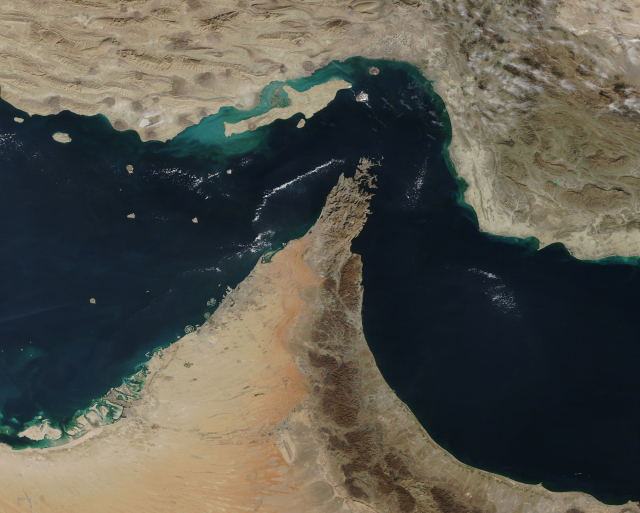
Vessel-tracking data show the Kribi departed waters near Dubai, United Arab Emirates, on the afternoon of April 2, sailed along the Iranian coast, and passed between Larak Island and Qeshm Island. That route follows a so-called “safe corridor” Iran opened on March 13, rather than the traditional channel.
During the voyage the ship broadcast ownership information via its automatic identification system (AIS), and officials confirmed it reached waters off Muscat, Oman, on the morning of April 3. Local sources likewise reported the ship’s passage through the strait.
The Kribi is roughly a 5,000-TEU container vessel, relatively small compared with the large ships COSCO has been operating in the area. CMA CGM is a Marseille-based shipping company; its founder, Jacques Saadé, was of Lebanese origin.
These transits mark the first confirmed passages by vessels linked to Japan and Western Europe since the Strait of Hormuz was effectively sealed following the outbreak of hostilities.