[Point Economy] SK Telecom is moving its proprietary artificial intelligence (AI) capabilities into the defense sector, aiming to validate next‑generation security solutions and reinforce its technology leadership.
△ Cooperation to build sovereign AI for defense autonomy
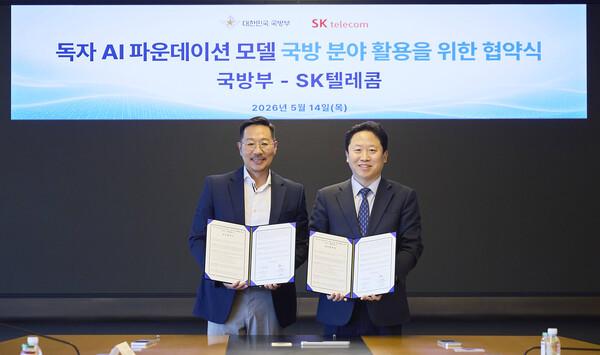
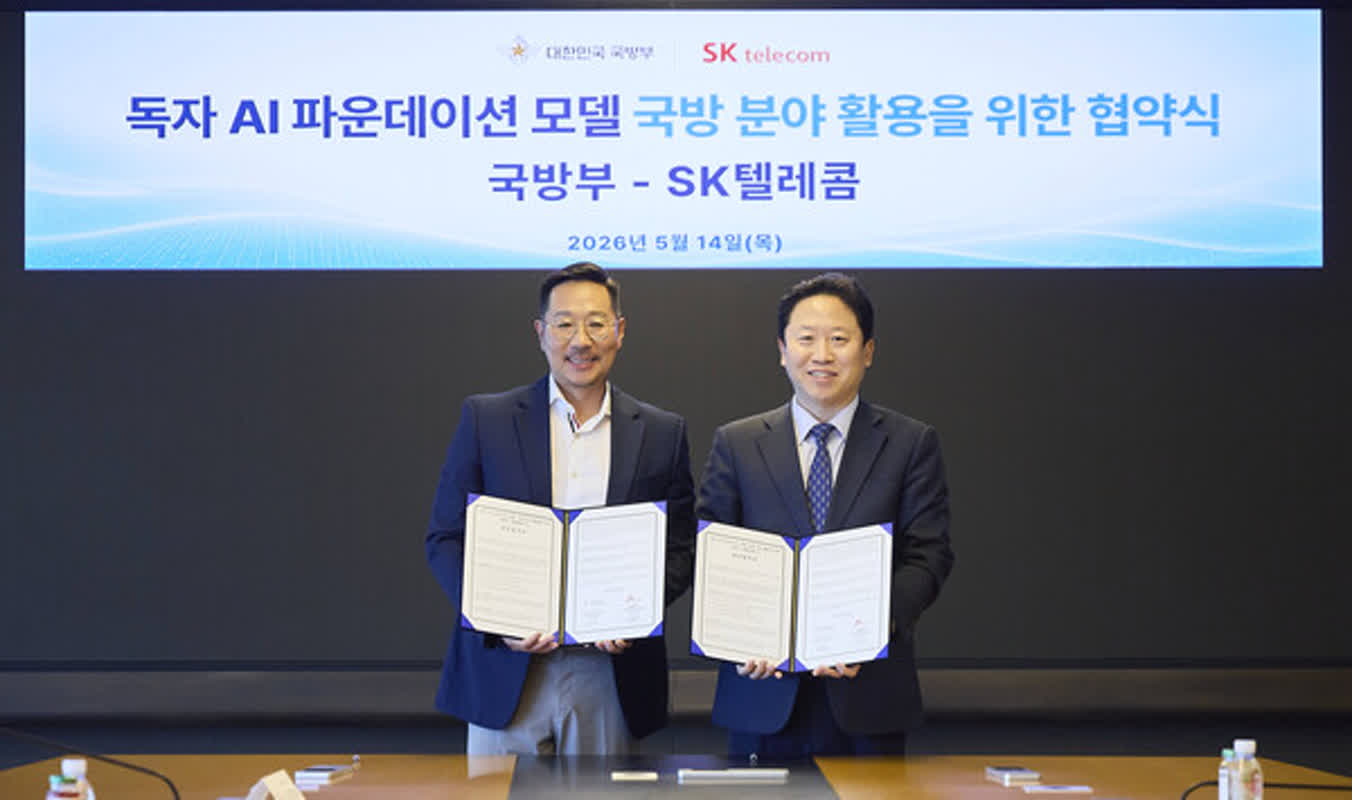
On May 14, SK Telecom signed an MOU with the Ministry of National Defense at its SKT Tower in Euljiro. The agreement is designed to accelerate digital transformation by integrating advanced private‑sector AI into defense administration and operational systems. The partners will run defense‑specific pilot programs based on a proprietary AI model, and SK Telecom will develop a lightweight model optimized for defense environments using its large‑scale model, A.X K1.
The effort goes beyond simple technical assistance. It centers on deploying a “sovereign AI” approach to ensure custody and control over defense data. SK Telecom plans to train specialized, hardened models on publicly available defense datasets, then apply model‑compression techniques so those models can run efficiently in secure defense settings. That combination is intended to improve operational effectiveness where data sovereignty and security are paramount.
The partners also plan to share infrastructure under the national AI initiative. The Defense Ministry has agreed to allocate GPU resources it secures in the second quarter to SK Telecom, which will use them to speed practical deployments of high‑performance defense models. By combining capabilities from the private sector, government, and military, the plan aims to create a self‑reliant AI ecosystem that minimizes leakage risks and strengthens collaboration on a national R&D infrastructure basis.
△ Passkey solution earns top‑grade certification, validating security reliability
SK Telecom also posted a security‑technology win. Its next‑generation authentication system, Passkey, received GS Certification Grade 1 from the Telecommunications Technology Association (TTA) on May 12. The Grade 1 designation indicates the software’s functionality and reliability were rigorously tested against recognized standards.
Passkey replaces traditional passwords with biometric authentication or device‑unlock credentials. Authentication occurs by matching a private key stored on the device with a public key on the server, so a password never traverses the network and the risk of credential theft is reduced. SK Telecom will first deploy the system internally to boost workplace efficiency and then expand it into sectors with stringent data‑security needs, including finance and healthcare.
SK Telecom says it will combine AI infrastructure and security technologies to help strengthen the competitiveness of the nation’s industries.