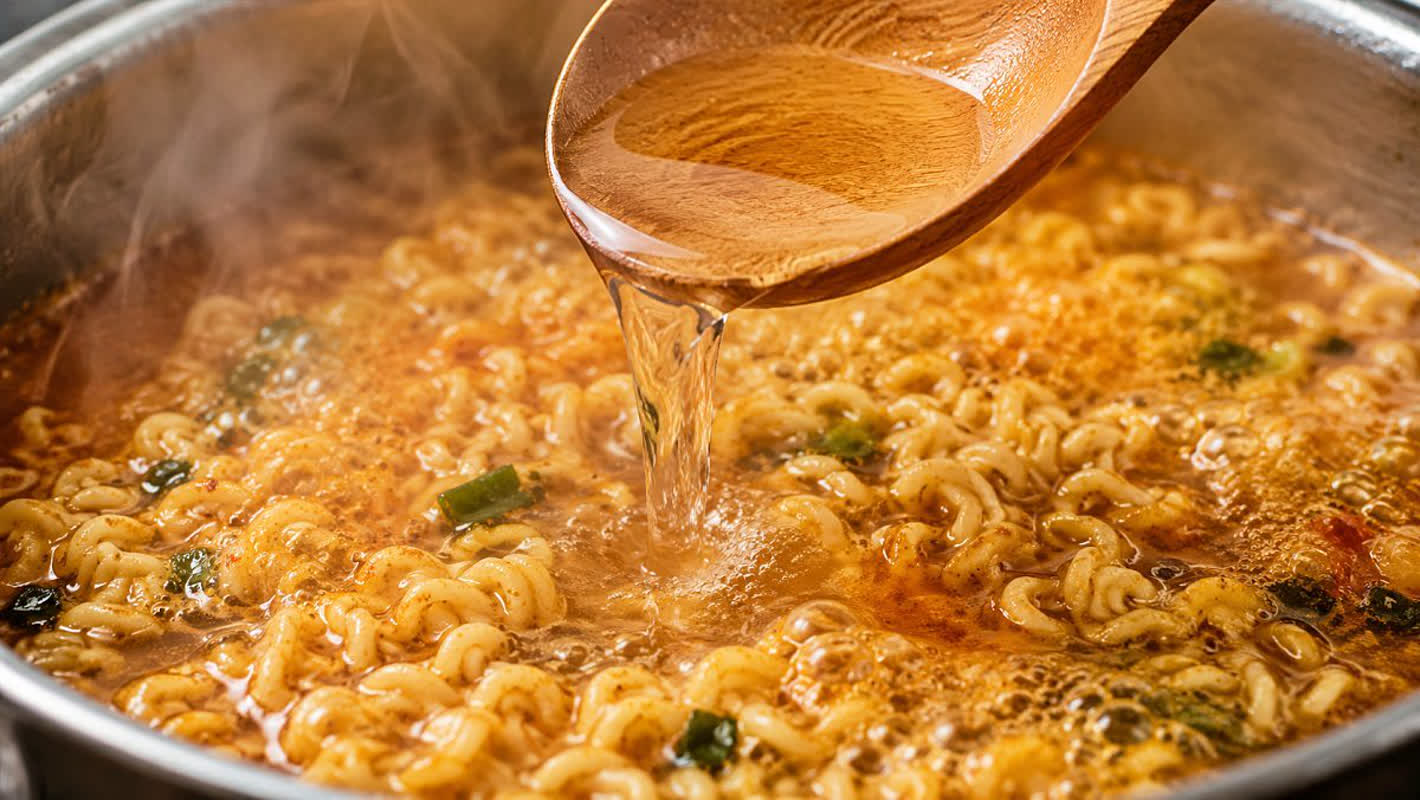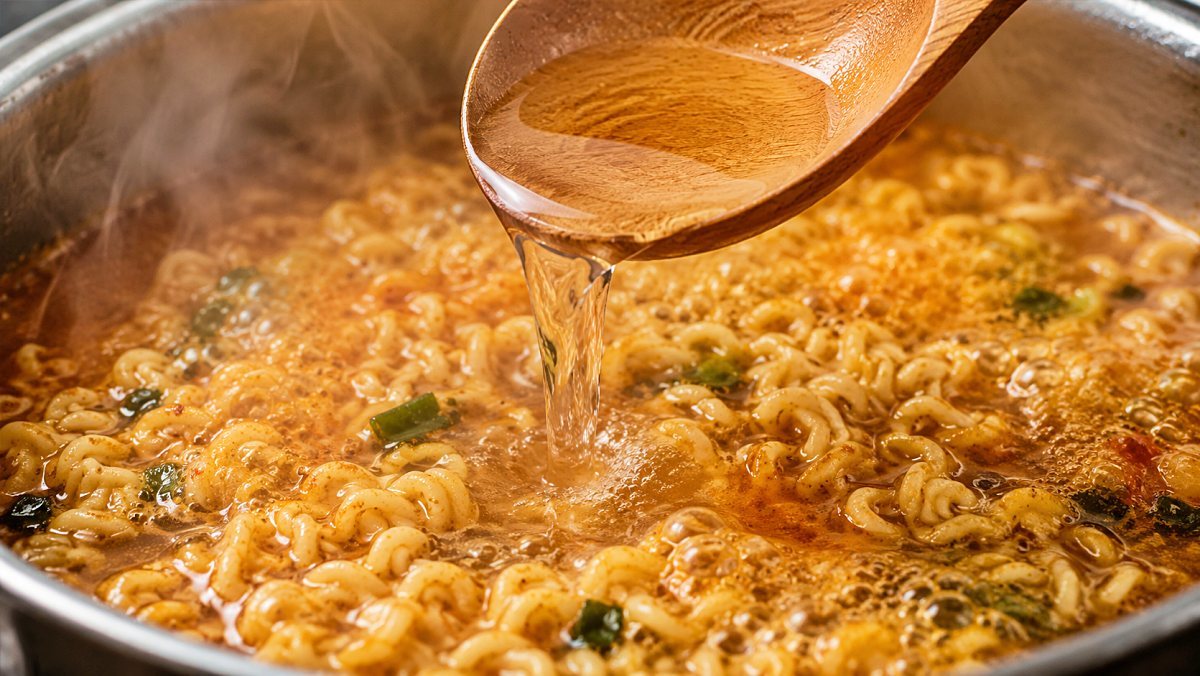
Ramen is the ultimate quick fix, but eating it the same way every time gets boring. A few simple pantry seasonings can completely lift the broth and make a familiar bowl feel new.
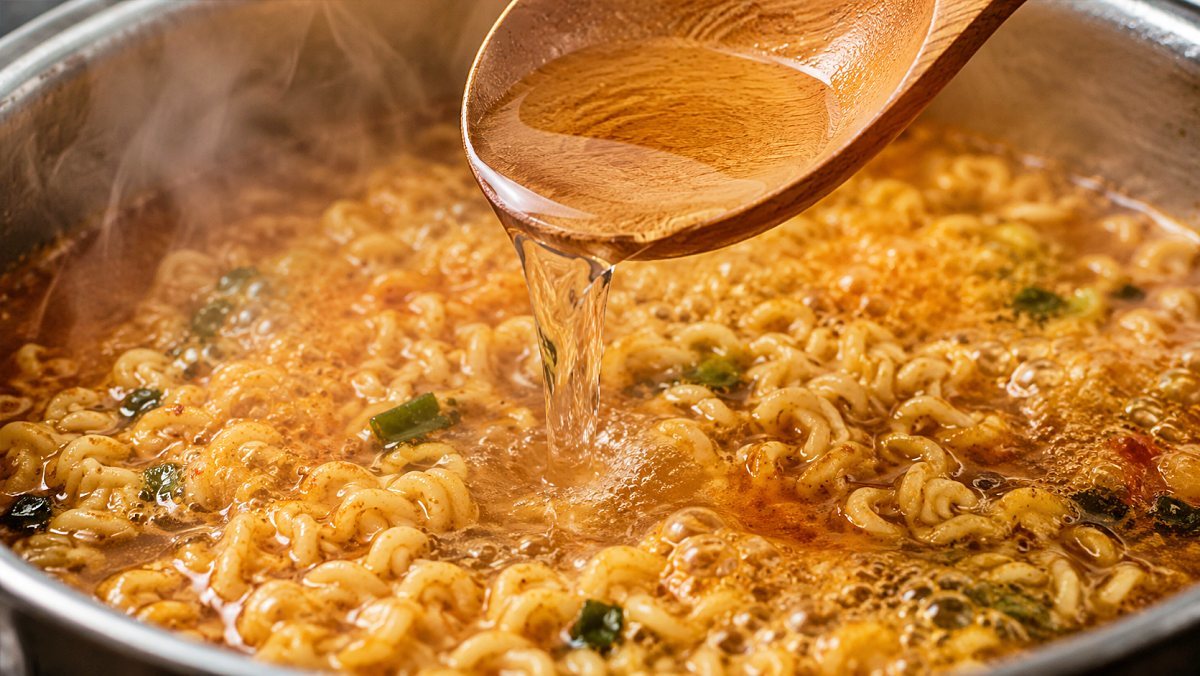
Brighten the broth with saeujeot (salted fermented shrimp)
If you want to cut the greasy edge of ramen and give it a refreshing finish, try a little saeujeot—Korean salted fermented shrimp. A tiny amount sharpens the broth and adds a clean, briny lift. It’s especially great in seafood-style ramen or clear broths where you want a crisp aftertaste.
For one ramen packet, aim for about 1 teaspoon of saeujeot (roughly 1/3 of a tablespoon). Because it’s quite salty, start small. Also cut the packet soup base by about 10–20% so the overall salt level stays balanced.
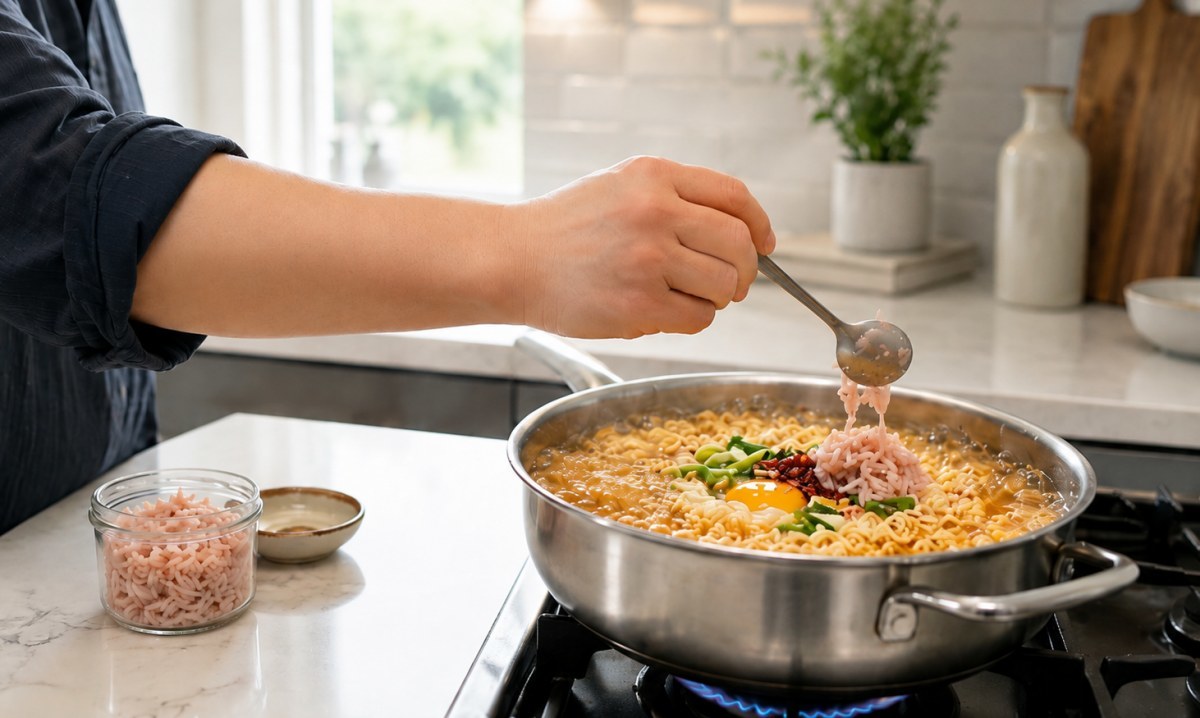
Timing is key. Add saeujeot when the water boils and you drop in the noodles so it blends into the broth naturally. If you add it too early and simmer it a long time, the shrimpy aroma can become pronounced. If the little bits bother you, scoop in just the liquid or finely chop the shrimp before adding.
Though salty, the right amount of saeujeot helps cut through the oil from fried noodles and the aggressive flavors of some soup bases. It’s an easy trick when a bowl feels too heavy.
Half a tablespoon of anchovy fish sauce for bold red broths
Anchovy fish sauce—made by fermenting anchovies with salt—adds deep umami to soups. A splash goes a long way in ramen, giving the broth more complexity than the packet alone. It pairs especially well with spicy, red broths.
Use about half a tablespoon. Add it when the water starts to boil so it dissolves into the broth and seasons the noodles. Heat softens its sharp aroma, leaving a toasty, savory note.
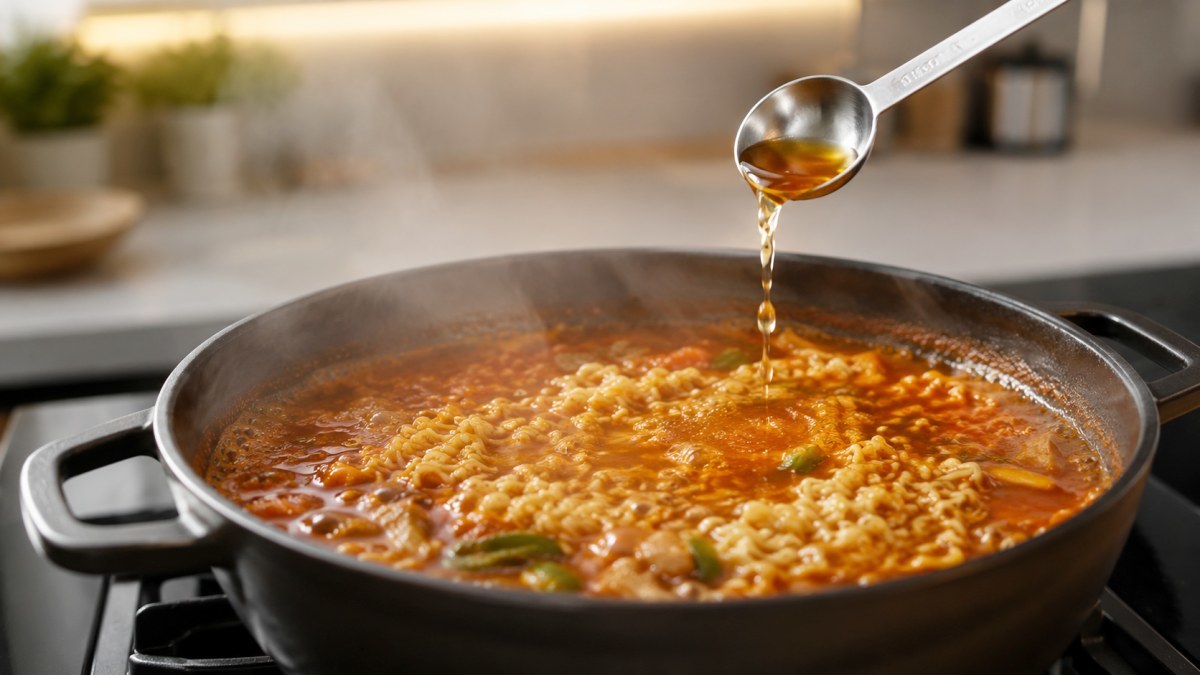
Avoid overdoing it—too much will darken the broth and make the aroma overpowering. Start with less than half a tablespoon and add a few drops at a time if you want more depth.
Ramen with anchovy fish sauce develops a heavier, stew-like quality—think spicy fish stew or knife-cut noodle broths. You don’t need a separate stock to get that richness. If you want extra heat, add a pinch of red pepper powder, but adjust the fish sauce and packet soup together so the salt level stays in check.
Use gukganjang (soup soy sauce) for a clean, salty finish
Swap darker soy sauces for gukganjang, the traditional Korean soup soy sauce. It’s lighter in color and emphasizes saltiness, so it seasons broths without making them muddy.
About half a tablespoon per packet works well. Add it when you dissolve the soup base before dropping in the noodles—this helps stabilize the broth. Gukganjang’s umami tones down the packet’s sharpness and gives the soup a clean, home-cooked finish.
Dark soy sauces can taste sweeter and darker when heated, which can feel heavy in ramen. Gukganjang keeps the broth bright, making it ideal for delicate or beef-flavored ramen.
Remember that saltiness varies by brand. Even the same half tablespoon can taste different, so always taste and adjust. If the packet soup already seems salty, reduce it before adding gukganjang.
Add oyster sauce for rich umami in veggie ramen
Oyster sauce brings deep umami and a hint of sweetness to the broth. It’s rich and viscous, so a little changes the soup’s character—perfect when you’re adding veggies like bean sprouts, onions, or cabbage.
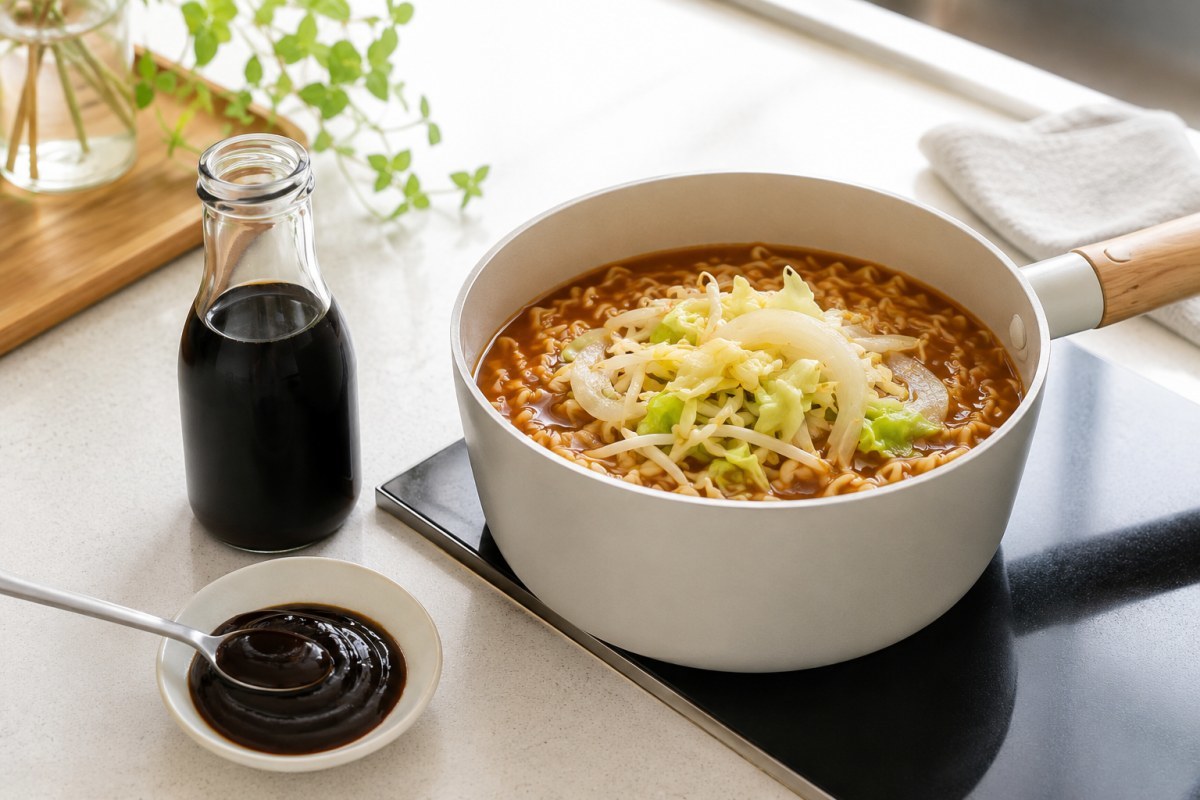
Use about half a tablespoon. Because oyster sauce is thick and flavorful, too much can weigh down the broth. Trim the packet soup a bit before adding so the ramen’s signature taste still comes through.
Balance oyster sauce with vegetables: add onions or cabbage while the water boils, then the noodles and soup base, and finish with the oyster sauce. The veggies’ natural sweetness blends beautifully with the sauce. Add bean sprouts in the last 30 seconds to keep them crisp.
Oyster sauce already has sweetness and salt, so extra sugar or seasonings aren’t usually necessary. If the broth thickens, add a touch more water. It’s an easy way to get a fuller, Chinese-style flavor.
Soften the heat and add nuttiness with toasted perilla powder
Toasted perilla seed powder brings a toasty, savory note and mellows spicy heat. It wraps the spice and gives the broth a warm, nutty aroma.
Add perilla powder at the end of cooking. If you simmer it too long, the soup can thicken and the noodles may lose bite. When the noodles are almost done, stir in 1–2 tablespoons, then turn off the heat.
For soupy bowls, up to 2 tablespoons works; for less broth, start with 1 tablespoon. Perilla powder absorbs liquid quickly, so if you use too much it will thicken fast. For a silkier finish, choose hulled, finely ground perilla powder.
Ramen with perilla powder tastes like hearty Korean soups such as jangkalguksu or perilla stew. Add scallions or mushrooms for balance. But don’t overdo it—use just enough to add that nutty note without masking the ramen itself.
Chopped garlic and scallions: the basics that always work
You don’t need exotic ingredients—minced garlic and scallions can totally lift a bowl. They’re pantry staples that cut grease and remove off-notes.
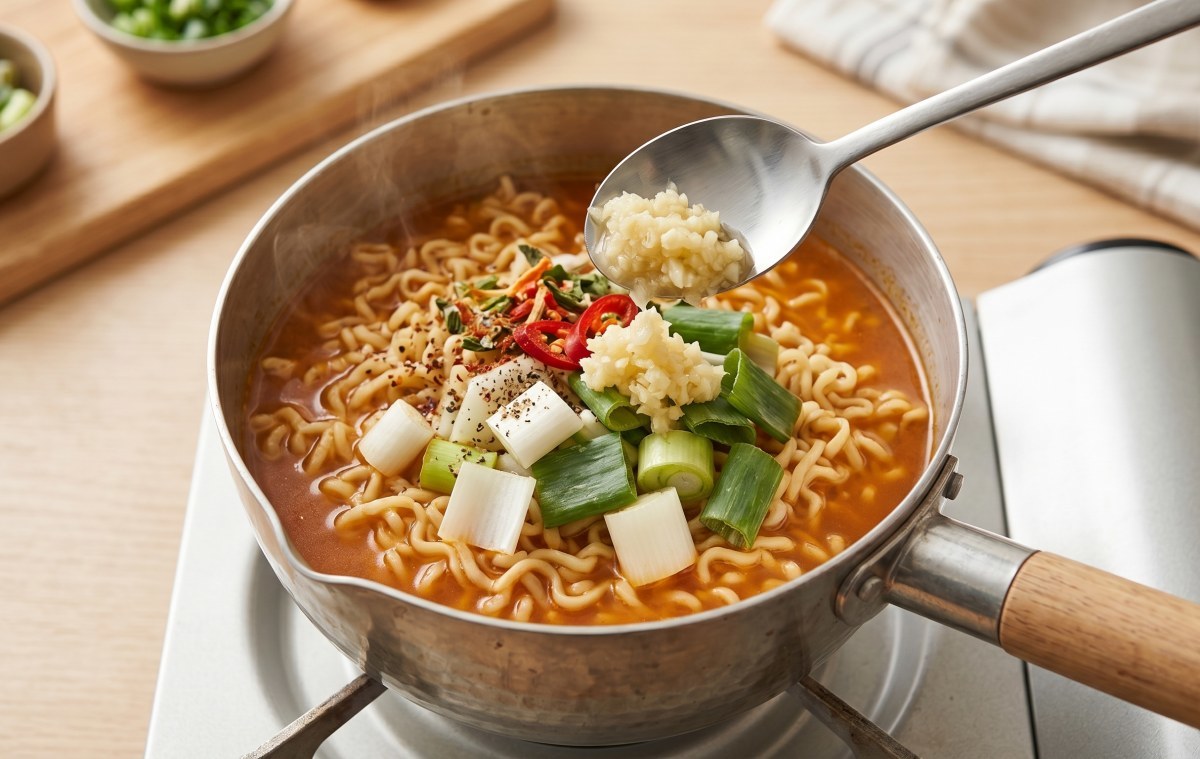
When you add minced garlic changes the result. Add it when the water first boils to tame its bite and let a gentle sweetness spread through the broth. Add it at the end to keep the garlic aroma bright and the soup more punchy. For a clean finish, a half tablespoon added just before turning off the heat is perfect.
Use the white and green parts of scallions differently: add the white part while the water boils for sweetness, and finish with the green part for aroma and texture. A generous handful of sliced scallions cuts oiliness and makes the broth feel fresher.
Finish with freshly cracked black pepper if you like. The packet may already contain some, but a light grind at the end sharpens the broth’s aroma. Don’t overdo it—too much pepper can make the soup bitter.
Adjust the packet soup before adding extras
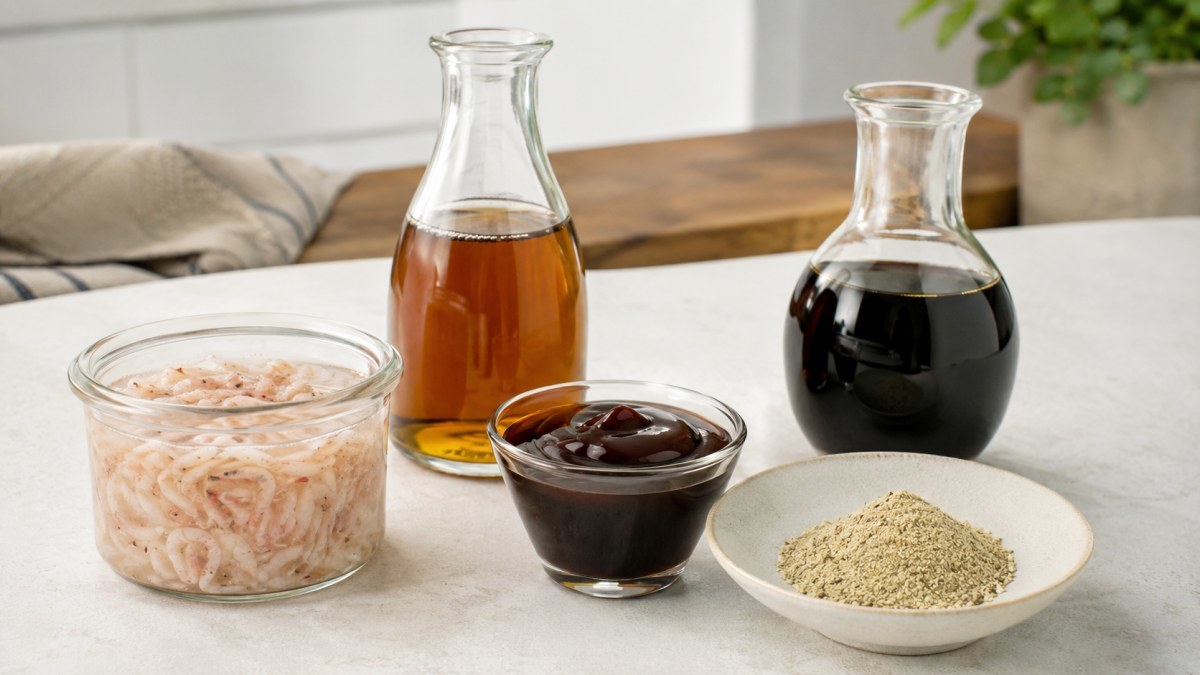
Before you add saeujeot, fish sauce, gukganjang, oyster sauce, or other seasonings, check the sodium level. The packet soup is already salty, so adding high-sodium ingredients can easily over-salt the bowl.
Start by reducing the packet soup by 10–30%. If you’re adding very salty seasonings like saeujeot or fish sauce, cut the packet more. Ingredients with little salt—like perilla powder or scallions—don’t require as much reduction.
You can also add about 50 mL (roughly 1.7 fl oz) more water. Extra seasonings can thicken the broth, so a bit more water helps tame saltiness. Don’t add too much, though—too much water dilutes flavor. Adjust gradually.
When you taste for seasoning, avoid sampling piping-hot broth. Heat suppresses saltiness and can trick you into adding too much. Near the end of cooking, let it cool a bit and taste a small spoonful to fine-tune.
Cooking order for springy noodles
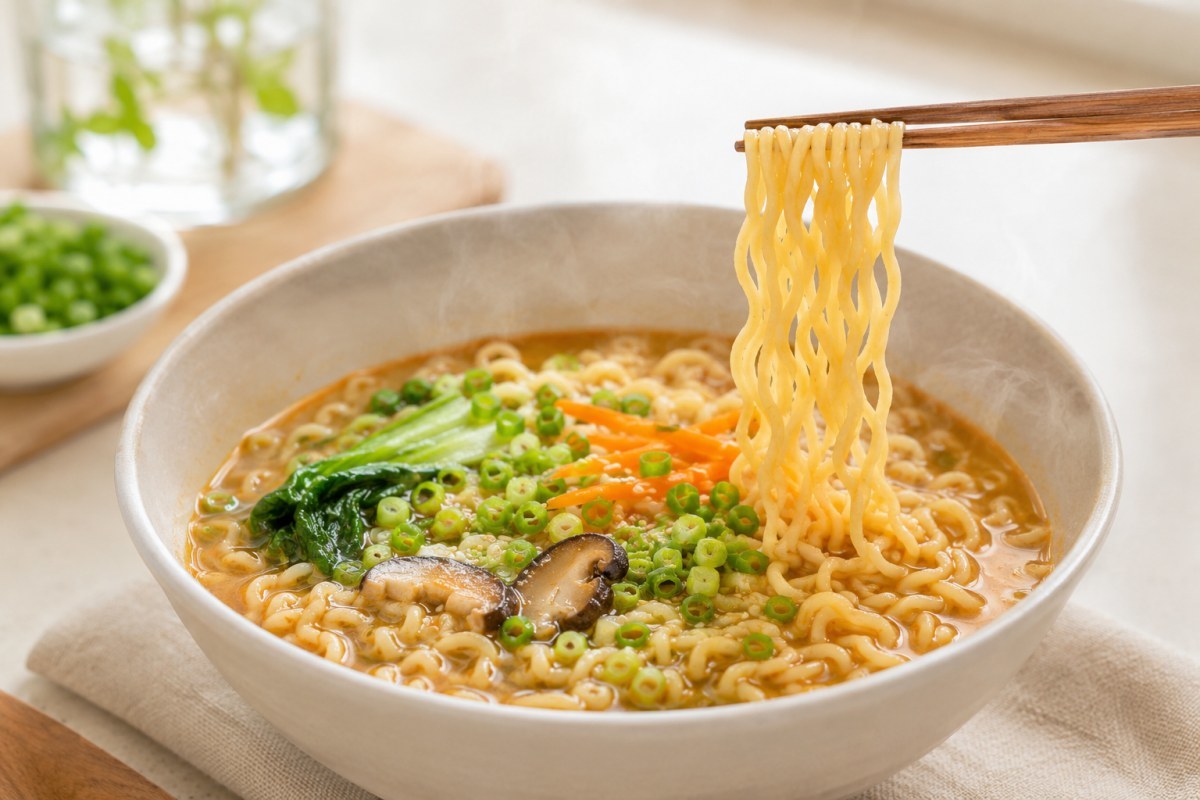
Noodle texture matters as much as broth. Adding seasonings changes broth density and can affect cooking time. Be careful not to over-simmer noodles after adding thickening ingredients like perilla powder or oyster sauce.
To keep noodles springy, lift them with tongs during cooking and let them briefly touch the air before dropping them back in. That short cooldown firms the texture and helps reduce broth cloudiness.
If you’re adding vegetables, stagger them by cooking time. Put onions, cabbage, and the white part of scallions in early; add bean sprouts and green scallion parts at the end to keep them crunchy. That way both broth and texture shine.
Deep flavor from familiar seasonings
Making better ramen isn’t about fancy ingredients—it’s about which seasonings you use and how much. Saeujeot brightens clear broths, anchovy fish sauce deepens spicy red soups, and gukganjang adds clean saltiness. Oyster sauce gives a rich, Chinese-style umami with veggies, and perilla powder adds that toasty note that softens heat.
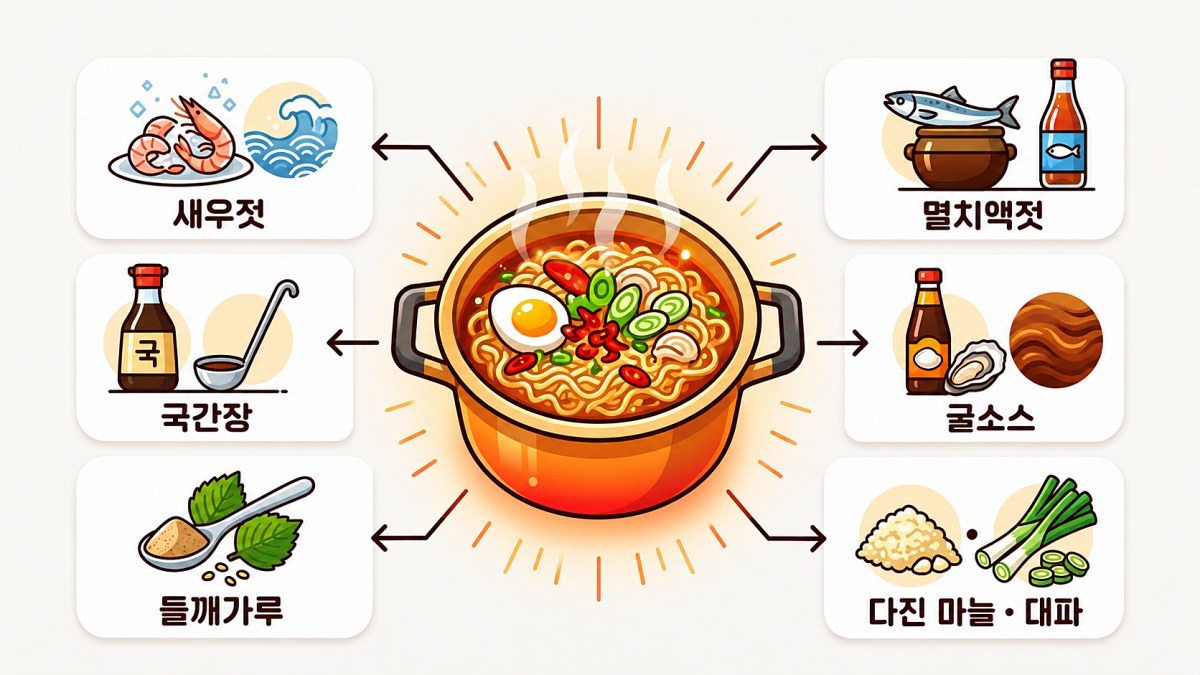
The rule of thumb: don’t add too much at once. For one packet, most seasonings work well around half a tablespoon. Reduce the packet soup when you add high-salt ingredients, and add a touch more water if the broth thickens. Taste at the end and only correct what’s missing to keep the balance right.
Pantry staples like saeujeot, fish sauce, gukganjang, oyster sauce, and perilla powder are great in soups, stews—and ramen. When your usual bowl starts to feel stale, small tweaks—like a teaspoon of saeujeot, half a tablespoon of fish sauce, or half a tablespoon of gukganjang—can make the broth sing. Using what you already have well can seriously upgrade a single bowl of ramen.