Ryu Hyun-mi, President, World Food Culture Exchange Association
 Roads begin with the wind. People then lay their lives on those roads. That’s how the Tea-Horse Road (Cha Ma Gu Dao) was born. Calling it simply a trade route for tea and horses barely scratches the surface. The trail carries the weight of survival, the weight of layered time, and a thousand quiet stories that prove what it means to be human.
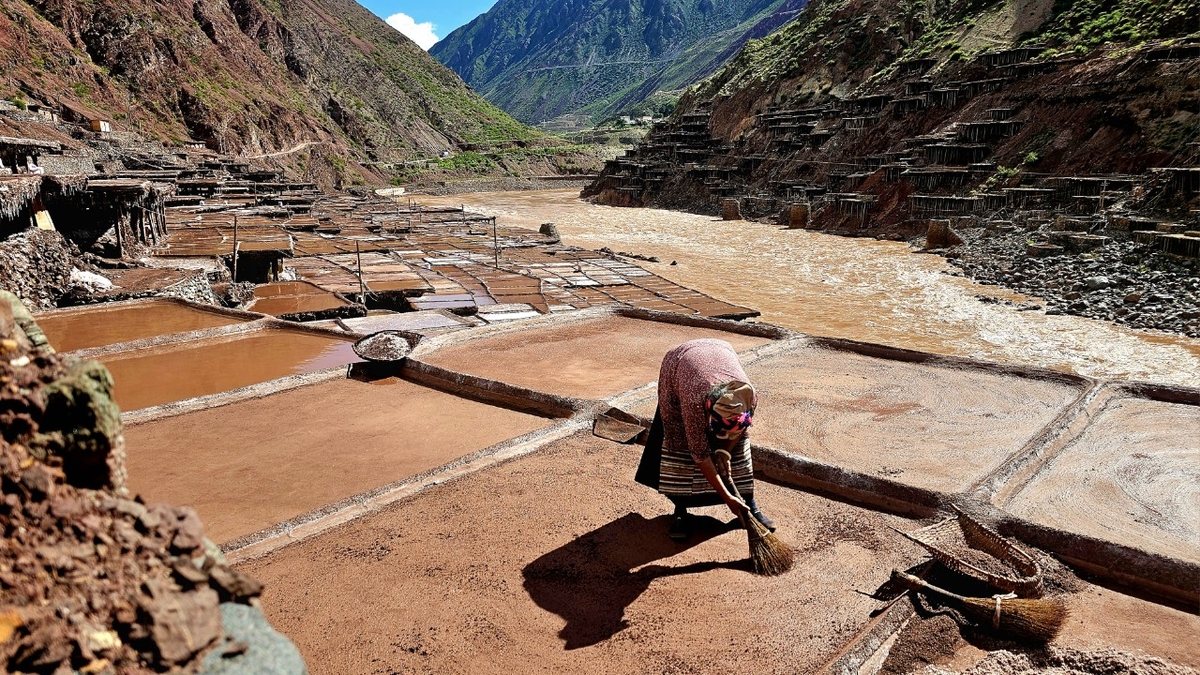
 I found Yenjing (鹽井) on that road. It’s a tiny village on the border between eastern Tibet and Yunnan, perched along the deep gorge of the Lancang River—the upper reaches of the Mekong. Known as the “salt well,” Yenjing has produced salt the same way for more than a thousand years.
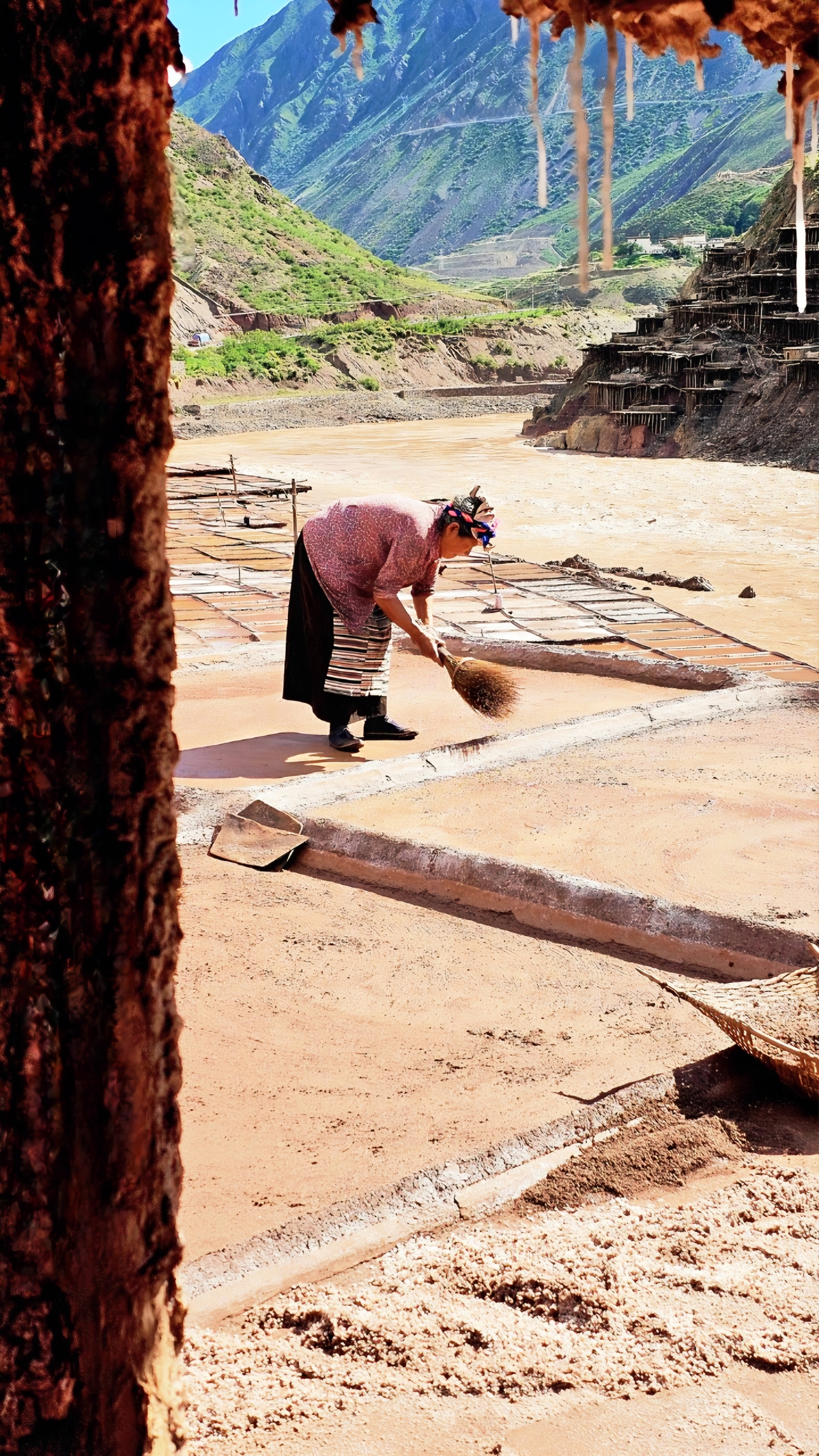
If there is a salt field at the edge of the world, Yenjing is it. At 2,400 meters above sea level, the air is thin, the breath quick, and the wind relentless. Still, people dig wells into the cliffs to lift brine, channel it through wooden pipes up to terraced salt pans like rice fields, and then wait—sun and time do the rest.
Yenjing’s salt is never boiled. The sun dries it, the wind hardens it, and time finishes it. That humble method forces a question: are we making food, or are we simply helping nature finish the work?
Food begins with salt
Our tables were built on salt. It’s more than a seasoning; it’s a condition of survival. Salt preserves food, brings ingredients to life, and keeps the body in balance. It’s always been central to food even while staying mostly invisible. You don’t always notice it, but without it everything collapses.
The salt from Yenjing travels the same routes—up to mountain villages, onto nomads’ tables, into the day-to-day meals of unnamed people. Along those paths, food becomes more than consumption. It becomes a way to sustain life and the language that holds communities together. That salt wakes us up to one truth: a single meal carries a life lived in coexistence with nature.
 Taste remembered by the hands
 Many hands work the salt pans of Yenjing—hands darkened by the sun, cracked, quietly repetitive. Those hands do more than make salt. They stack days, endure seasons, and stitch lives together. They scoop brine, pour it over the pans, rake, and repeat. In that repetition is a thousand-year story that a sentence can’t hold.
Salt making is both labor and prayer. In the silent, rhythmic movements, people become reverent and meet life’s essence. Living is not about accomplishing something new; it’s about carrying something forward to the end.
That is why Yenjing’s salt tastes different. It isn’t just salty—it tastes like time, like the sweat of work, like a life steeped in effort.
We often chase bold flavors—instant, loud, and thrilling. Yenjing’s salt takes the opposite route: it’s the flavor of waiting, of restraint, of harmony with nature.
Great food doesn’t overpower its ingredients. It lifts their true flavors and aromas quietly. Salt is used sparingly, but it reaches the deepest places. More isn’t better; the right amount is what completes a dish. That tiny, balanced pinch makes a meal feel refined. Yenjing’s salt reminds us that depth in cooking comes not just from technique but from attitude.
Food becomes memory, and salt holds that memory
People ultimately live on memories—the family table from childhood, a meal made with care, a warm bowl of soup that comforted you on a hard night. Those memories give us strength to keep going.
At the center of those memories is something unseen: salt. Once it’s blended into food, you don’t notice it, but without it survival would be impossible. That’s why Yenjing’s salt is called “white gold.”
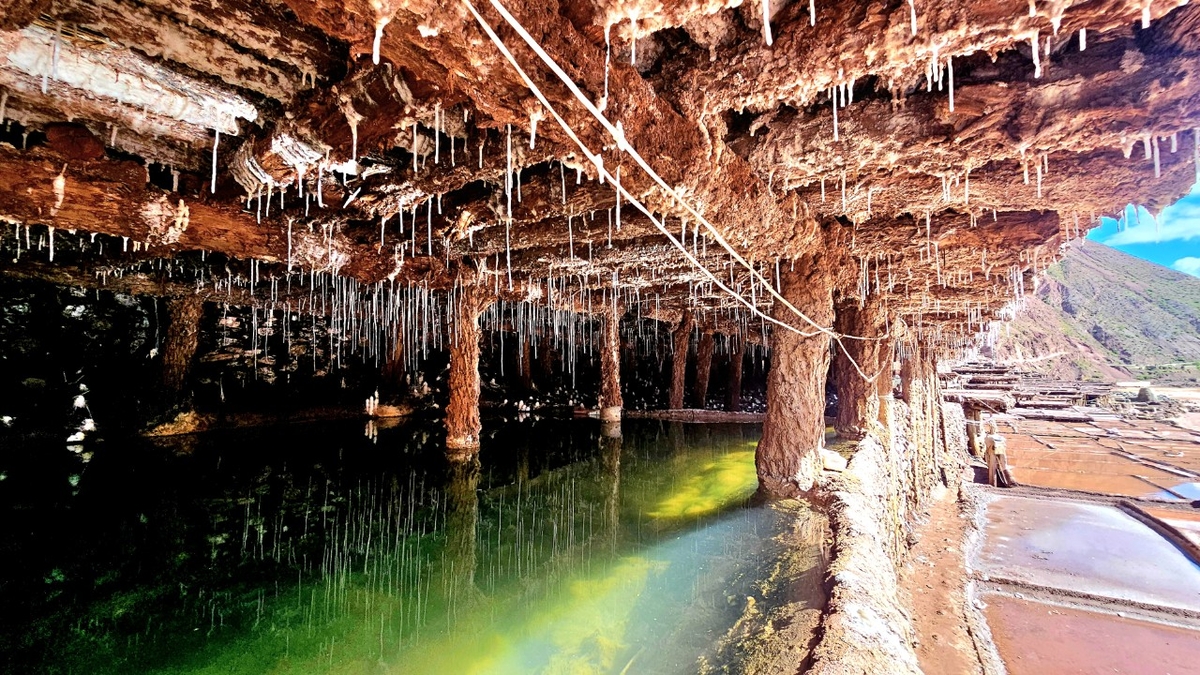 Salt never takes the spotlight. Yet it always holds its place. Yenjing’s salt quietly teaches that the most important things often hide out of sight. Food becomes memory, and salt keeps that memory alive.
 Asking life again on the road
On the Tea-Horse Road, I asked myself:
“What am I making right now—food, or a result? What am I living for—speed, or people?”
The people of Yenjing aren’t fast. But they don’t waver. They understand that life isn’t about piling things up; it’s about carrying them forward. They live today as they lived yesterday and meet tomorrow the same way. That simple repetition sustains life.
Yenjing’s salt doesn’t dissolve easily. It’s not just a crystal; it’s the distillation of life. Maybe our food—and our lives—should be the same.
Things that don’t vanish when unseen—diligent days, quiet repetition, and an unfaltering heart for another—those accumulate and shape a person’s unique “taste.”
The Tea-Horse Road, then, is not just a path but a question. Yenjing is not merely a place but an answer. And that answer is simple: what salt sits on your table today, and what life are you building with it? I ask myself and listen quietly.
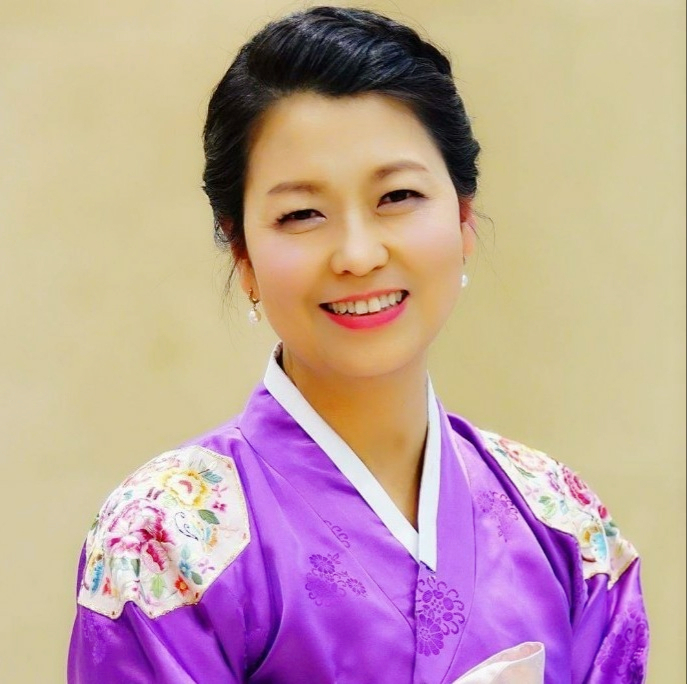 ·Master’s in Education, Sungshin Women’s University; Master’s in Food and Nutritional Science, Myongji University
 ·Current President, World Food Culture Exchange Association
·Visiting Professor, Tangshan Maritime Vocational College, China
·Director, China Center, ICTC (Small and Medium Enterprise International Customs & Trade Advisory Center Cooperative)
- Iran played a 'three-step card' despite the Hormuz blockade…Trump: “No meeting without nuclear abandonment” [Global Morning Briefing]
- Families of victims in the Dec. 29 disaster say “Boeing aircraft defects are the root cause”…demand full investigation [Incident Plus]
- “OpenAI missed revenue targets”…investment costs raise red flags
- Reduce plastics made from oil by 30% by 2030…“Expand use of recycled feedstock” [Pick Economy]
- Stock jumps 7.7% after search for Jensen Huang’s eldest daughter…Spotlight on NVIDIA and Physical AI partnership [ZupZup Report]
- Trump rejects 'three-step peace plan'…Iran opens a transit-fee account for Hormuz [Global Morning Briefing]
- EV charging fees: lower for slow charge, higher for fast charge…will post signs like gas stations [Pick Economy]
- UAE leans toward the U.S. after Saudi snub...China rallies the 'Global South' [Global Morning Briefing]
- Migrant worker tied to a forklift and mocked…prosecutors seek one-year prison term for the perpetrator [Incident Plus]
- Musk’s nine-hour testimony ignites controversy…“The tail wagged the dog” and sparks OpenAI betrayal claims