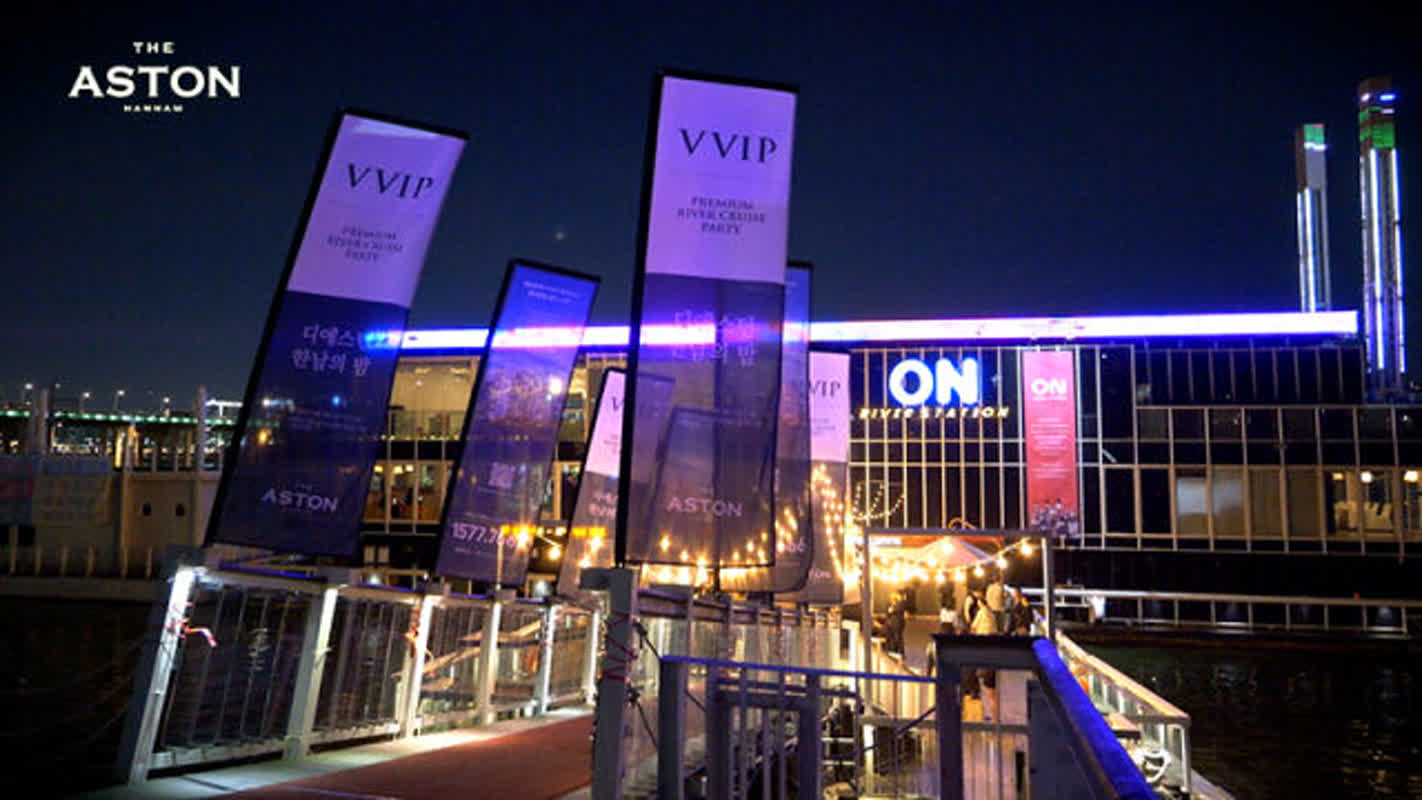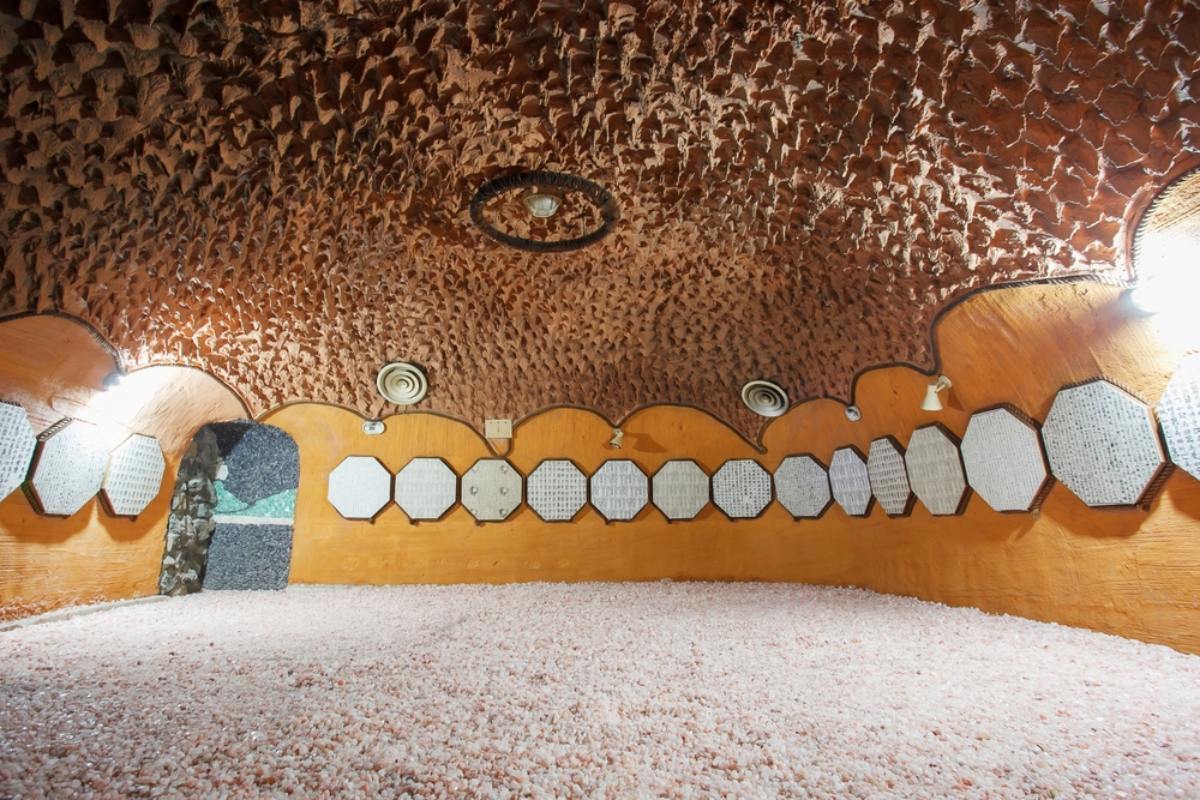
Saunas, once viewed as the domain of older adults, are emerging as a popular leisure destination for younger people. As wellness culture grows—people prioritizing rest for body and mind over late-night drinking—saunas have shifted from simple bathhouses into mixed-use cultural spaces where visitors eat, unwind, and tend to themselves.
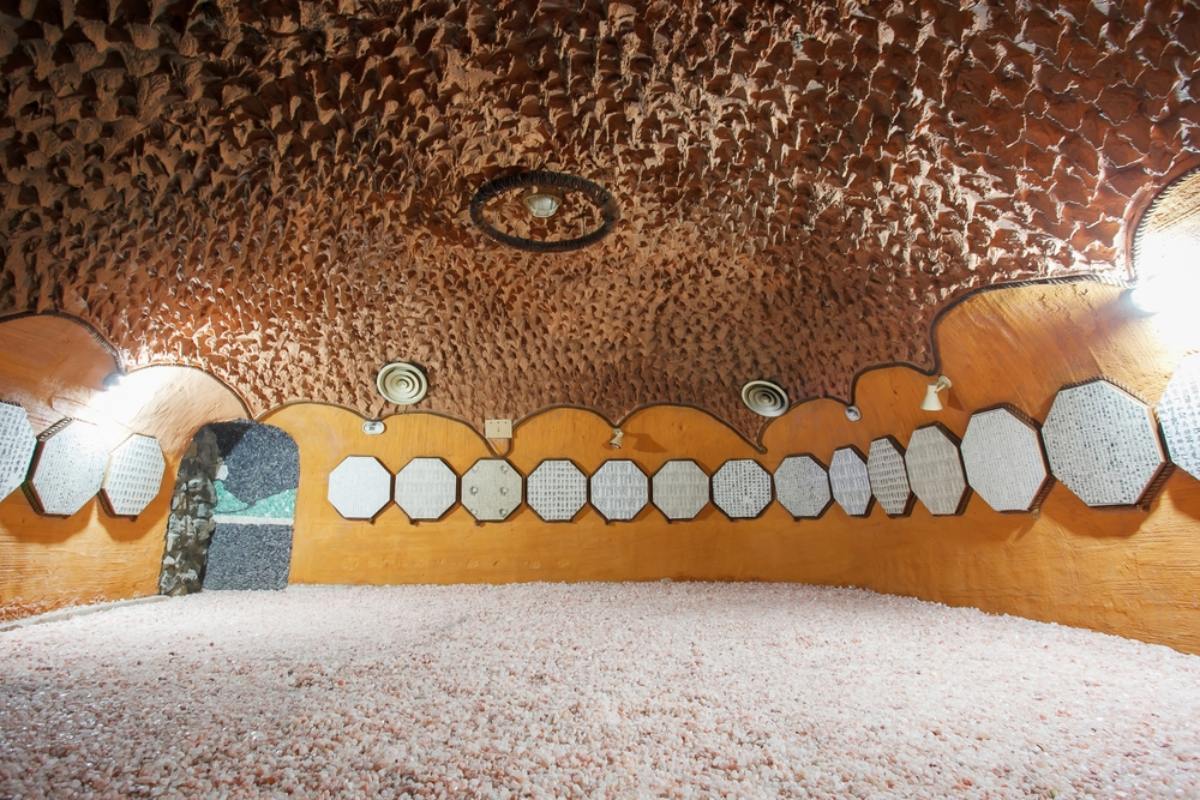
Sauna craze heats up... surge in visitors in their 20s and 30s
In major saunas across Seoul, about two in five customers are in their 20s or 30s. On weekends, groups of friends and couples increasingly linger for hours. Where previous generations often bathed quickly and left, today’s younger visitors relax in lounge areas and savor the downtime.
This trend connects to the so-called "Recovery+Economics" movement: people exposed to intense competition and chronic stress are spending deliberately on restorative experiences. As the idea of "healthy pleasure" becomes mainstream, saunas offer one of the most accessible ways to pursue wellness.
Sauna as a digital antidote... the freedom of enforced disconnection
Part of the appeal for younger users is enforced digital solitude. In a culture where smartphones rarely stray from hands, sauna baths and jjimjilbangs physically limit device use. The heat and humidity make it natural to set phones aside and turn inward.
That digital detox provides relief for young people dealing with high mental fatigue. In a place free of alarms and push notifications, simply sensing temperature and steam can feel like a form of meditation.
Instead of sikhye, Baksah... changes in food and goods
The sauna food scene has taken on a younger flavor. Traditional sikhye or iced coffee are being replaced by drinks like Baksah—a mix of the Bacchus energy drink and soda—and tart mulberry juice. Offerings have diversified: beyond roasted eggs, many facilities now sell chicken or pork belly, and some even let customers grill meat over a wood fire.
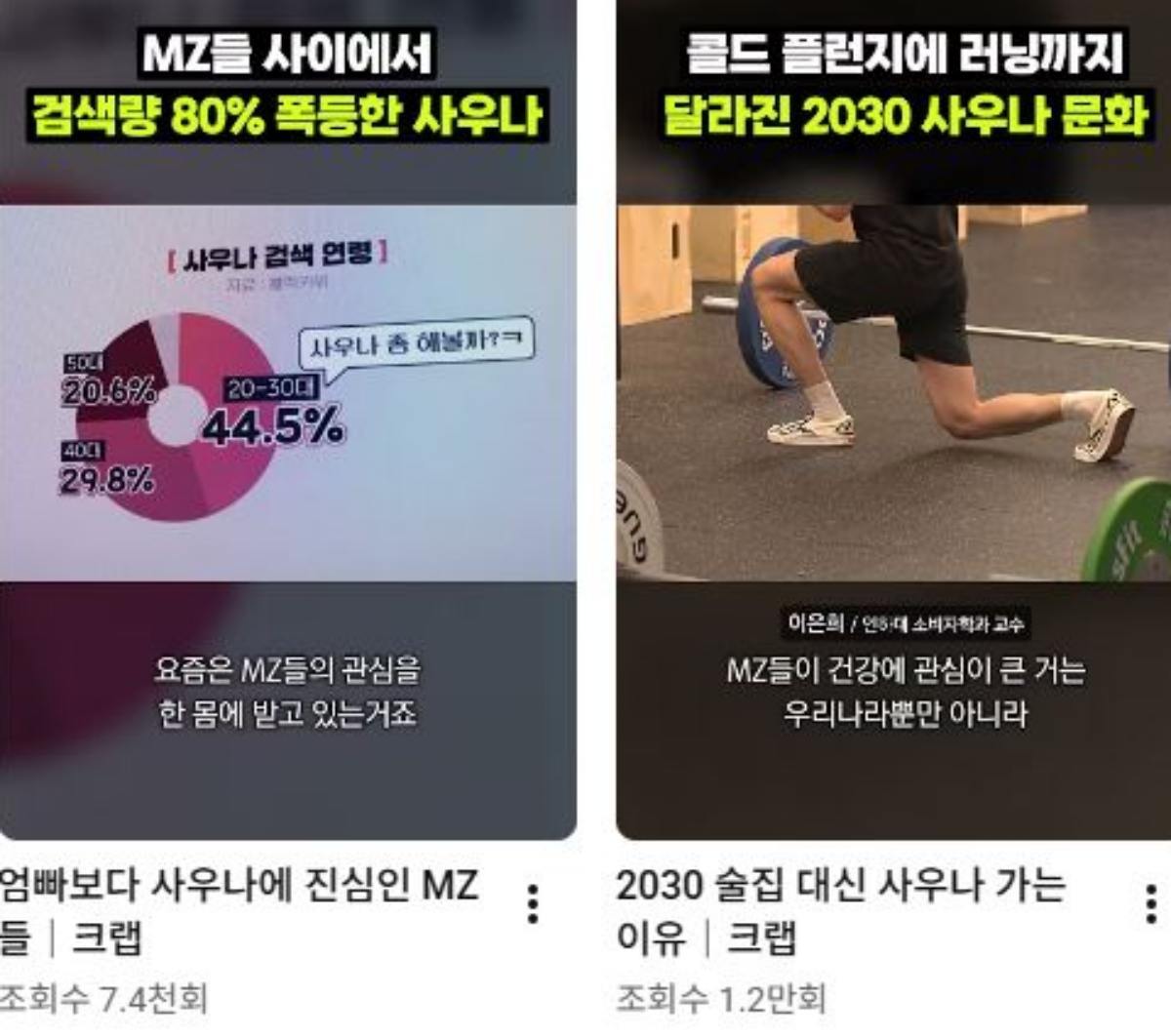
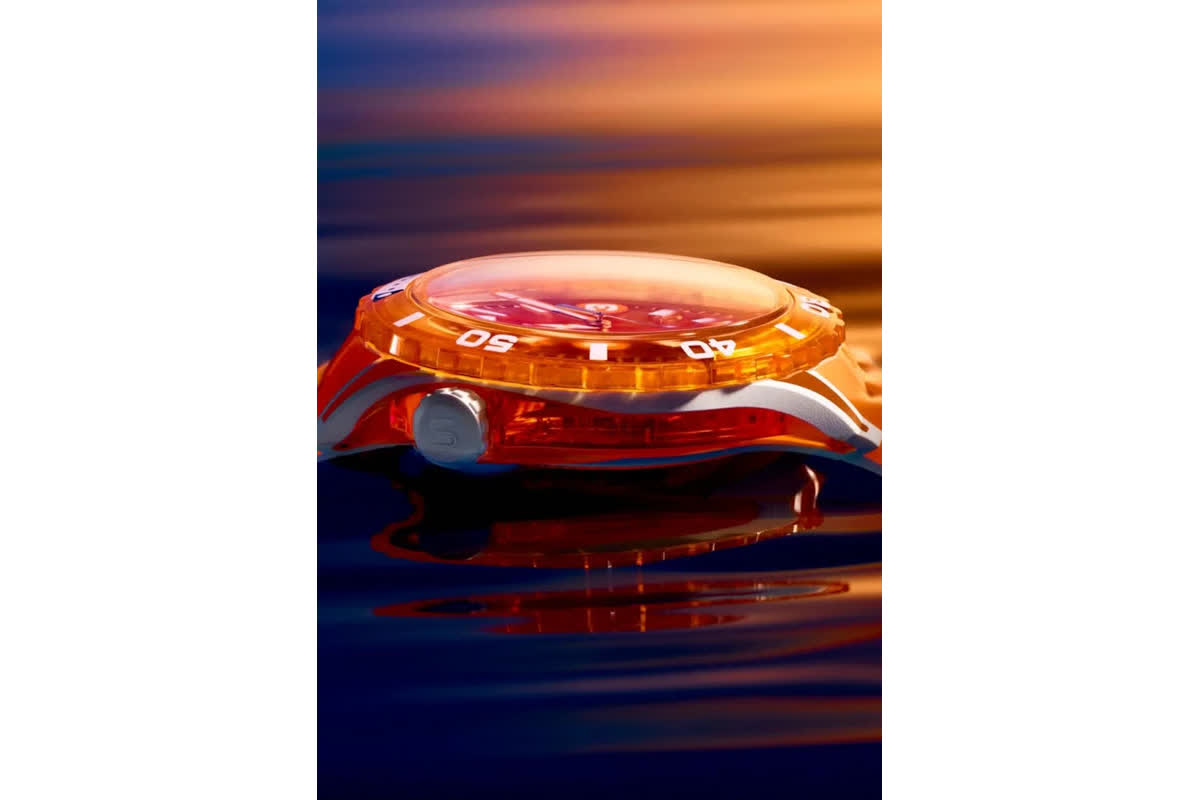
The spending habits of millennials and Gen Z are reflected in the sauna market. Heat-resistant specialty watches and sauna hats that protect hair have become must-haves. On social media, "what’s in my bag"–style videos featuring bath products are booming, and Instagram accounts offering tips and recommendations are on the rise.
From private spas to Finnish-style... more specialized formats
Sauna formats are fragmenting to suit individual preferences. Options now include single-person private spas that minimize contact, Finnish saunas heated with wood, and upscale hotel saunas. The Japanese practice known as totonoi—alternating hot and cold baths—has also gained popularity, prompting seekers to hunt for facilities with professional cold pools.
Retailers are targeting these customers with sauna-themed pop-up stores and curated product lines. As wellness shifts from a passing fad to a lifestyle, the sauna industry is expected to keep growing. Offering high-impact relaxation at modest cost, saunas have become young people's warm, cozy refuge in 2026.