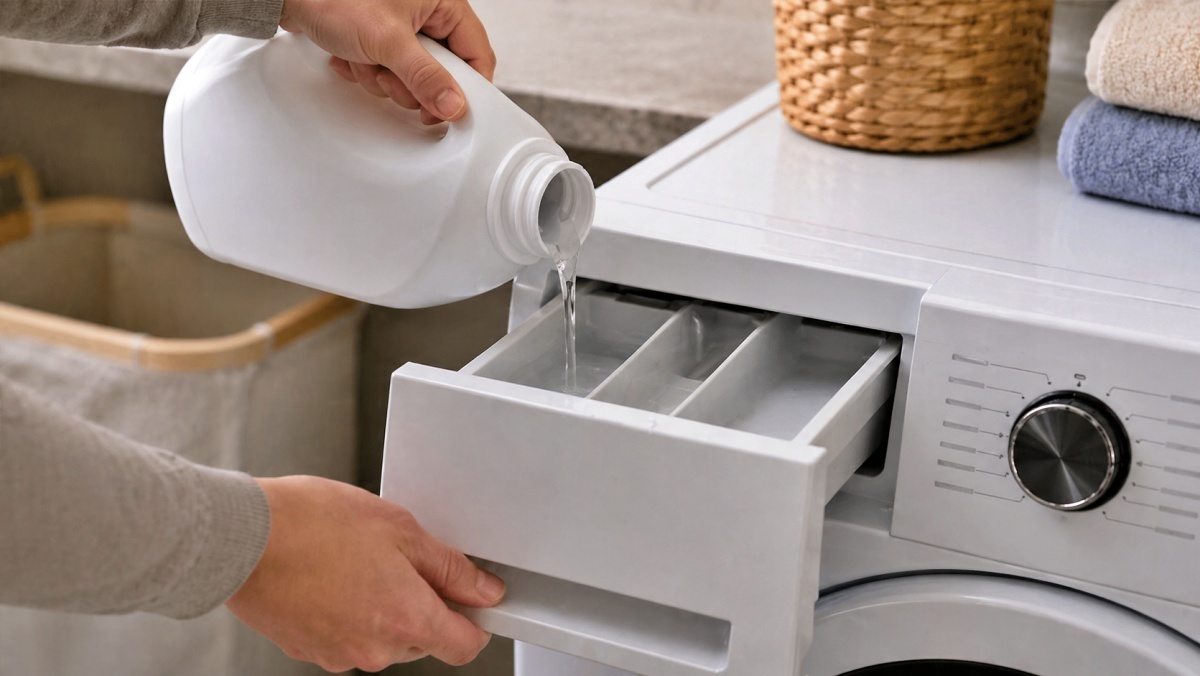
Many people pour extra detergent into the washing machine hoping for brighter whites and a fresher scent. More suds look like better cleaning, and skimping feels like a compromise. But detergent doesn’t get more effective the more you use it. Excess detergent can leave residues on fabric that cause stains and odors, irritate skin, and even foul the washer. To truly get clothes clean, match the detergent amount to load size and soil level instead of pouring by habit.
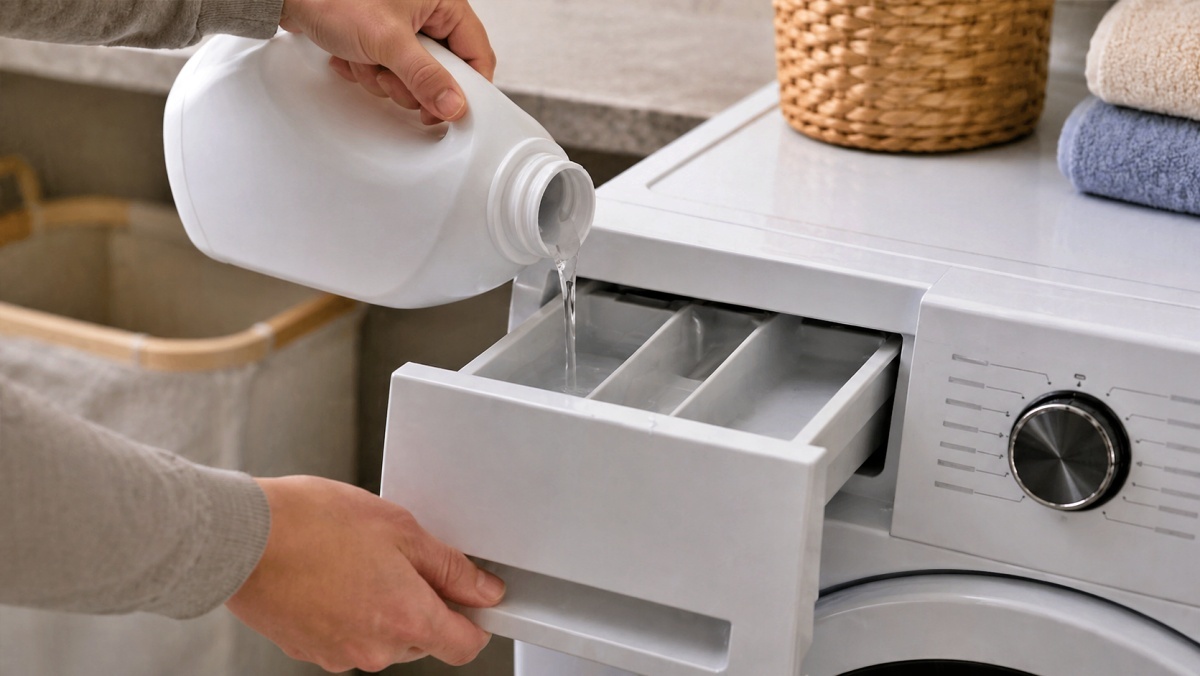
The limits and waste of overdosing detergent
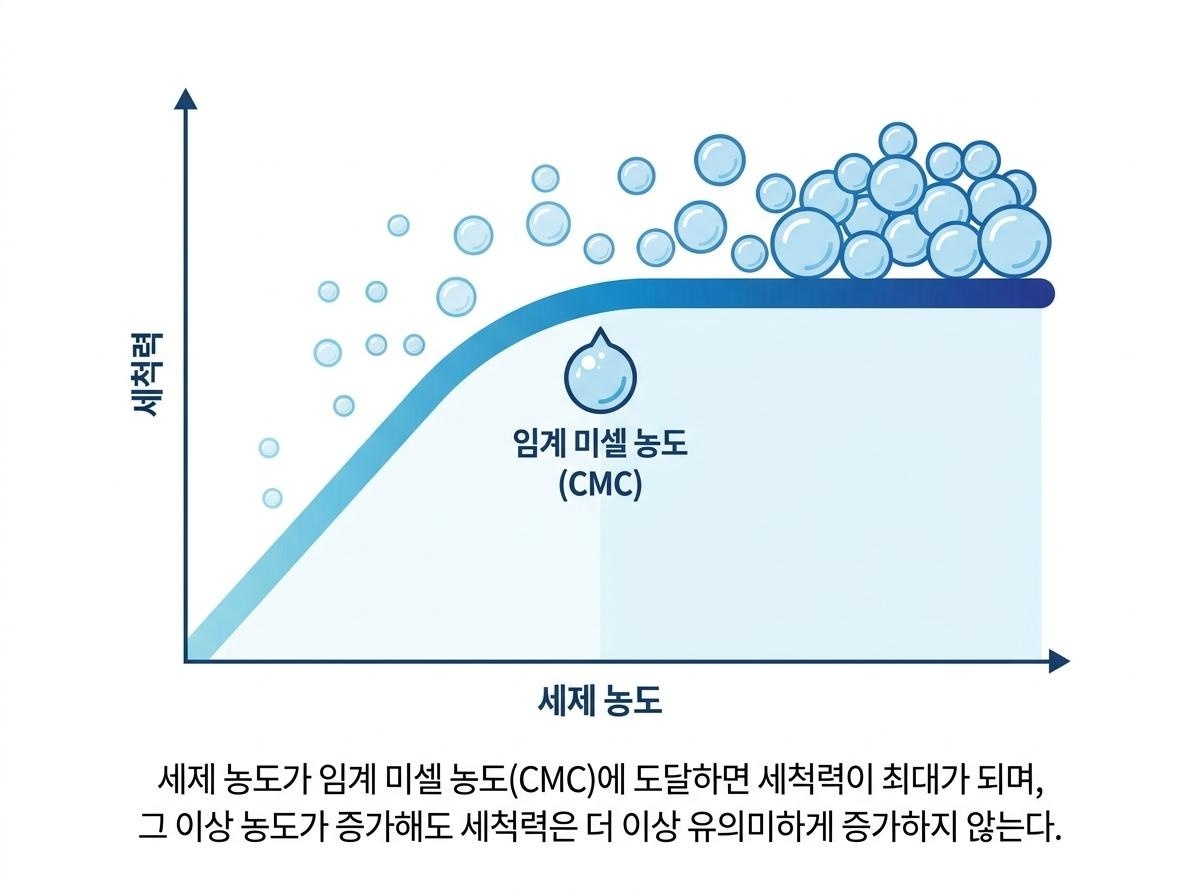
People often assume more detergent equals better cleaning because abundant suds look effective. But surfactants—the detergent molecules that lift soils—stop improving performance after a certain concentration. A normal dose is enough for detergent molecules dissolved in water to surround and remove soils from fibers.
Once you exceed the effective amount, cleaning power plateaus while rinsing becomes harder. Extra detergent can fail to rinse out completely, leaving residues on clothes and inside the machine. That doesn’t make laundry cleaner; it simply increases the amount of residue the rinse cycle must remove.
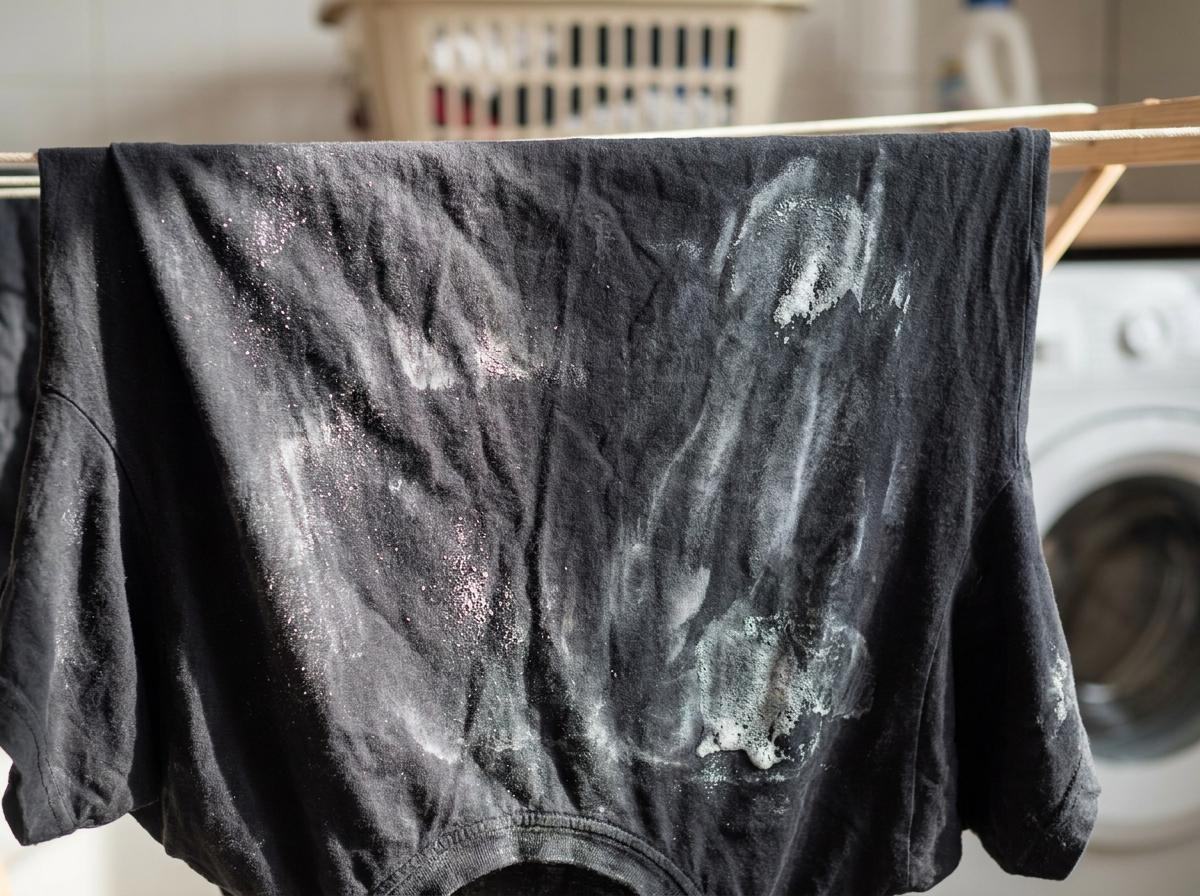
If you use more detergent than recommended, some of it may not wash out and can leave white streaks or a slippery film on clothing. If dark garments show powdery white marks after washing, suspect detergent residue. That’s wasted money and added household contamination.
Powder detergents can make the problem worse. They may not dissolve fully in cold water, and excess powder can lodge between fibers. Residual detergent harms breathability and reduces moisture absorption, leaving clothes stiff and uncomfortable rather than cleaner.
Hidden causes of fabric wear and skin problems
Detergent trapped in fibers shortens a garment’s life. Many detergents contain alkaline ingredients to boost cleaning; if those remain after washing, natural fabrics like cotton and linen can become rough and stiff. Repeated exposure can deform garments and reduce their elasticity in addition to degrading texture.
Residue is also more visible on dark clothing. If detergent doesn’t rinse evenly from navy, black, or deep-gray garments, you may see whitish streaks or pale spots that sometimes won’t disappear even after rewashing. To keep clothes lasting longer, follow recommended amounts as closely as you choose a quality detergent.
Residue matters even more for garments that sit against the skin. If underwear, pajamas, towels, or workout clothes retain detergent, wearers can experience itching or stinging. People with sensitive skin may develop contact dermatitis. Sweat can reactivate detergent left in fibers and transfer it to the skin. For infant clothes or garments worn by sensitive family members, use less detergent and rinse carefully.
Extra rinse cycles help, but if you start with too much detergent, it’s hard to remove all the residue. If clothing feels slimy or smells overly perfumed after washing, cut back on detergent and fabric softener.
Detergent buildup shortens washer life and breeds mold
Overusing detergent strains the washer as well as the laundry. Detergent and softener that don’t rinse away can form sticky films behind the drum, around rubber gaskets, and near drains. Those spots trap moisture, lint, and dust, creating an ideal environment for mold and bacteria.
If clothes still smell musty after a cycle, inspect the washer for internal buildup. Residue and mold inside the drum can transfer back to clothing and leave odors right after washing. If you notice recurring smells even when you don’t leave laundry sitting, clean the drum and reassess your detergent use.

Excessive suds can also cause mechanical problems. Some machines pause or add water repeatedly to reduce foam, lengthening wash time and increasing water and electricity use. Front-load washers are especially sensitive to foam, so measuring concentrated or drum-specific detergents is important.
To protect a washer’s lifespan, stick to recommended detergent amounts. Buildup on internal parts and drainage lines can lead to bad smells, slow drainage, and delayed cycles. Habitual overuse isn’t solved by cleaning products alone—accurate dosing is the most effective preventative.
Practical steps to measure detergent and improve washing
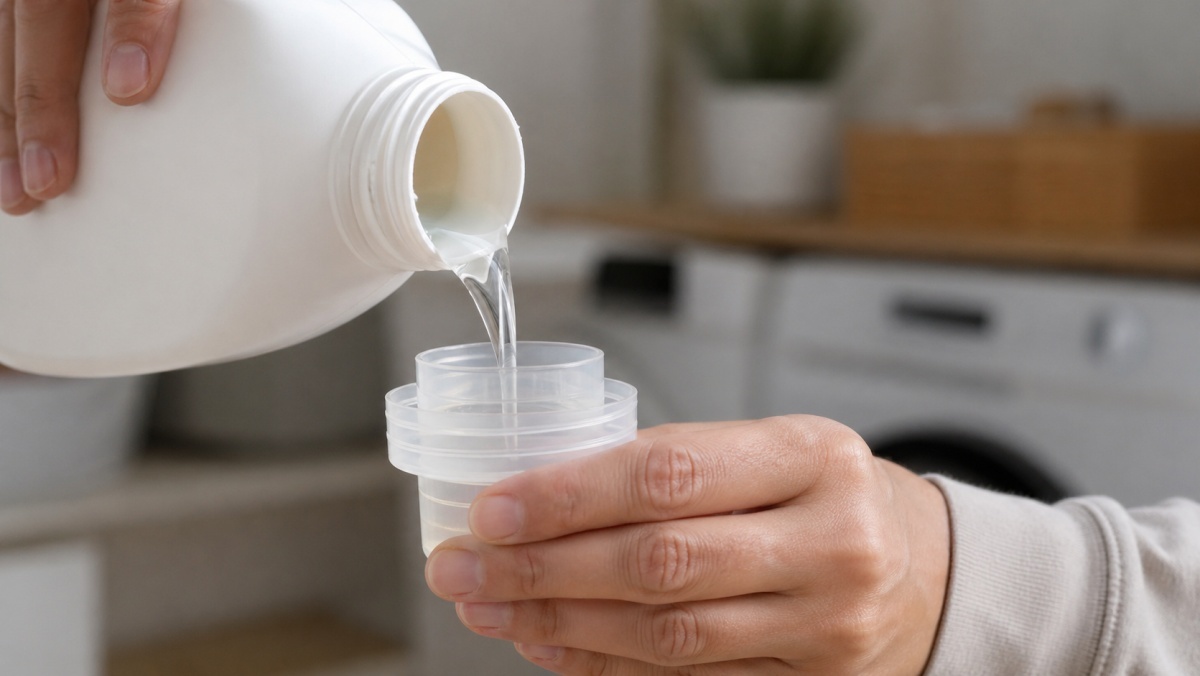
Check the back of your detergent bottle for the standard dose and follow the recommendation for water level, load weight, and soil level. In a typical household you usually need far less detergent than you think. High-efficiency and concentrated formulas clean well at lower doses; pouring them like older, standard detergents often results in overuse.
Avoid guessing. Pouring by eye tends to increase usage. Use the marks on the cap or a measuring cup to prevent overdosing. If your load fills about half the drum, use roughly half the recommended amount. For lightly soiled everyday wear, slightly less than the standard dose often suffices.
Load size matters. If you stuff the drum, water and detergent can’t circulate through clothes, so both cleaning and rinsing suffer. If you run a small load but use your usual amount of detergent, residue increases. Clothes need room to move so detergent can distribute and rinsing can work properly.
Don’t forget the detergent dispenser. Hardened detergent or softener often clogs the drawer and can send clumps into the drum. Remove the dispenser periodically, wash it with warm water, and scrub tight spots with a small brush. Let it dry before reinstalling to reduce mold odors.
Pre-treat heavily soiled spots first
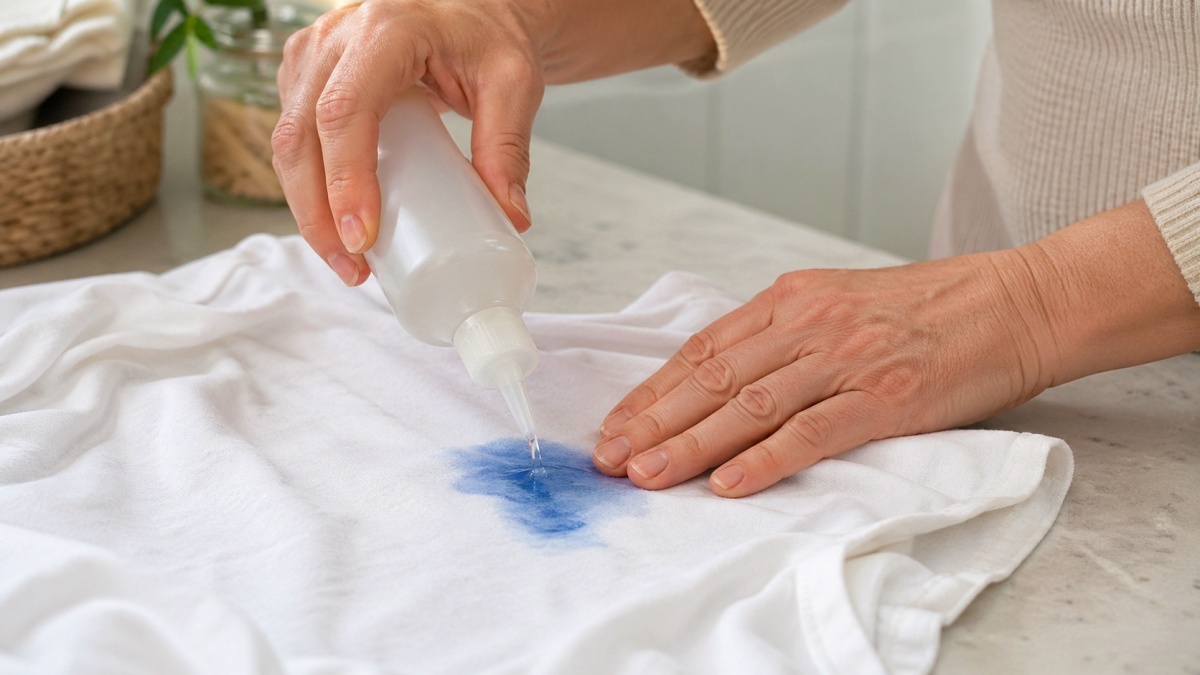
Heavily soiled areas—collars, cuffs, sock soles, and food splatters—don’t clean better simply because you add more detergent to the whole load. Treat stains before washing: apply a small amount of detergent to the spot, rub gently, let it sit about 10 minutes, then wash. That boosts cleaning without increasing overall detergent use.
For very dirty items, use the washer’s soak function. Letting detergent penetrate stains gives it time to work so you don’t need aggressive scrubbing. But don’t soak delicate fabrics like silk or wool—check the care label to avoid color loss or damage.
Water temperature affects cleaning, too. For typical everyday soils, warm water around 30–40°C helps detergent dissolve and cleans effectively. Cold water may leave undissolved detergent and residues, while very hot water can shrink fabrics or set some stains. Protein-based stains like blood, milk, and egg can coagulate at high temperatures, so avoid very hot water at first.
Match your method to the stain rather than adding more detergent. For grease, try a dedicated stain remover or a tiny amount of dish soap. For mud, shake off dry particles before washing. Protect fabrics by considering both the material and the nature of the stain—not just cleaning strength.
Fabric softener can backfire when overused
Fabric softener makes clothes feel softer and reduces static, but more isn’t better. Softeners work by coating fiber surfaces; overuse reduces towels’ absorbency and can impair the breathability of athletic wear. If towels feel soft but don’t absorb well, cut back on softener.
Softener residue also contributes to buildup inside the washer. Mixed with detergent residue, it forms sticky films that trap dust and mold. Using extra softener to make clothes smell longer can actually create musty odors.
If you worry about residual detergent, add a small amount of vinegar or citric acid during the final rinse. One or two tablespoons of vinegar can help neutralize alkaline residues, and most vinegar odors dissipate during drying. Check your washer’s manual and garment labels first—some machines and fabrics don’t respond well. Dissolve citric acid fully and use it sparingly.
Avoid fabric softener on performance fabrics—workout gear, hiking clothes, and technical underwear—because softeners can clog the material’s microstructure and reduce moisture-wicking and breathability. Use a neutral detergent in the right amount and air-dry these items in the shade.
Sorting and turning clothes before washing protect fabrics
Sorting improves washing efficiency. Don’t stop at whites versus colors—sort by fabric type, thickness, and soil level, too. Washing heavy jeans or garments with zippers together with thin T-shirts can cause pilling or small holes from abrasion. Wash lint-producing items like towels separately from dark clothes.

Zip pants and secure hooks before washing: open zippers can scrape other garments. Use mesh laundry bags for bras, delicate blouses, and knits that lose shape easily. Don’t overfill bags—leave space so clothes can move—and separate large and small items inside them.
Turn printed T-shirts, knits, and dark garments inside out to reduce surface abrasion, slow fading, and cut pilling. For heavily buttoned shirts, fastening a few buttons helps preserve shape; consider a laundry bag based on the fabric.
Always check pockets before washing. Tissues, receipts, coins, and hairpins can soil the whole load or leave debris in the washer. This small step saves time and hassle later.
Finish with proper drying and ventilation
A washing machine cycle doesn’t finish the job. Leaving wet clothes in the washer lets heat and moisture create a breeding ground for bacteria and odors. Move laundry to a line or dryer as soon as possible. If you can’t dry immediately, open the washer door to let moisture escape and cut smells.
After unloading, leave the washer door and detergent drawer open. Front-loaders collect water in the rubber gasket, so wipe it dry. If dust and residue build up there, mold tends to appear first. Top-loaders also trap moisture when the lid stays closed, so ventilate after use.
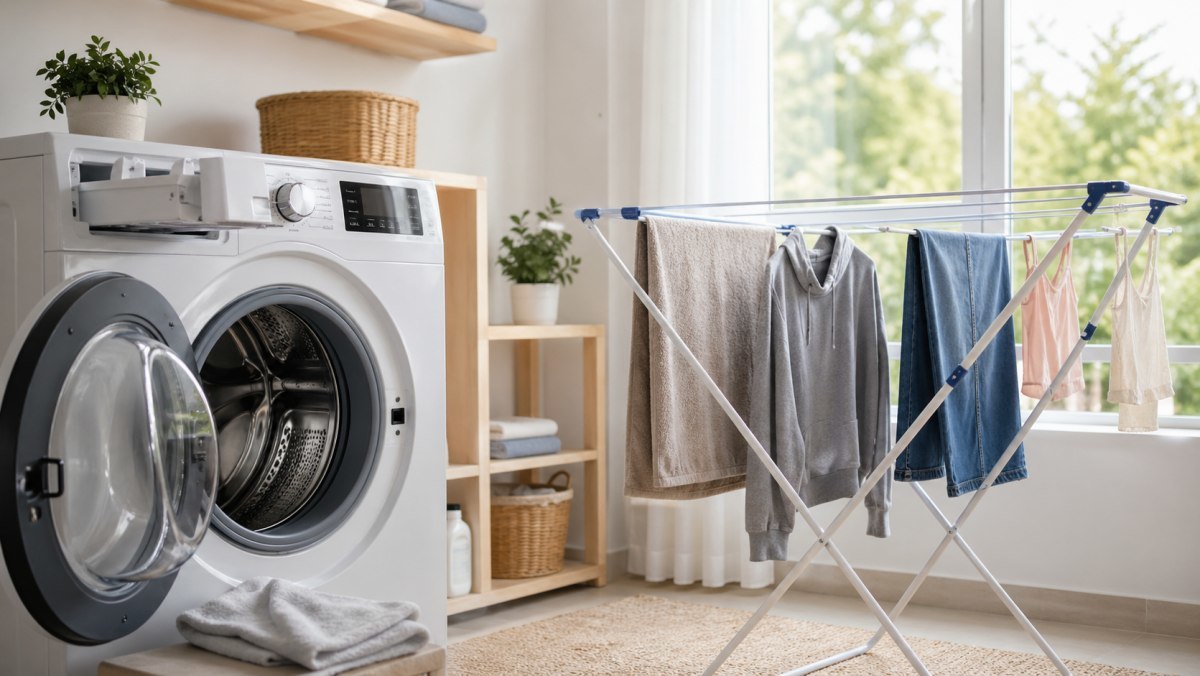
How you dry garments affects their longevity. Don’t leave every item in direct sunlight—while sun helps sanitize, it fades colored clothes. Delicate materials like wool, silk, and rayon dry safest in the shade with good airflow. When using a dryer, pick a temperature suited to the fabric to avoid shrinkage and distortion.
Dry towels in a well-ventilated spot to reduce odors. Thick hoodies and jeans can dry unevenly where layers overlap; flipping or repositioning them during drying helps. Paying attention through drying and storage helps you use less detergent while keeping laundry clean and fresh longer.