What completes a trip’s memory is the flavor that mingles with the local air. Greater Seoul may look modern, but the years layered into its alleys show up every time you sit down to eat. Here are five dishes that capture a region’s identity—right beside us, and often surprisingly overlooked.
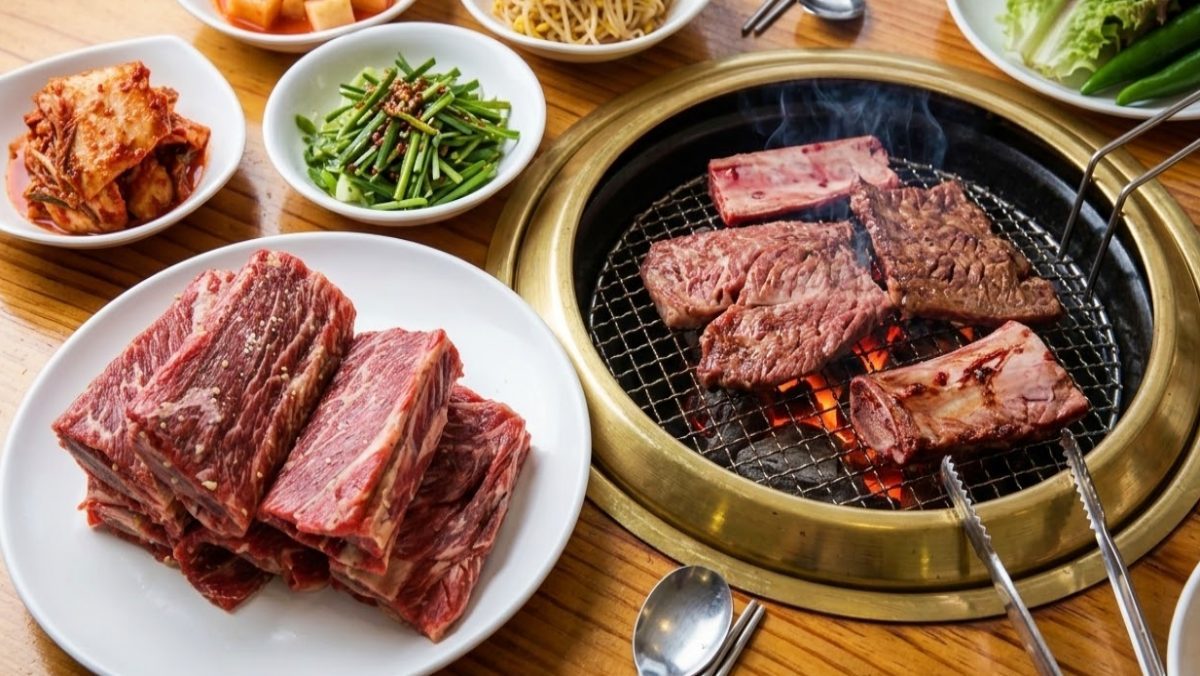
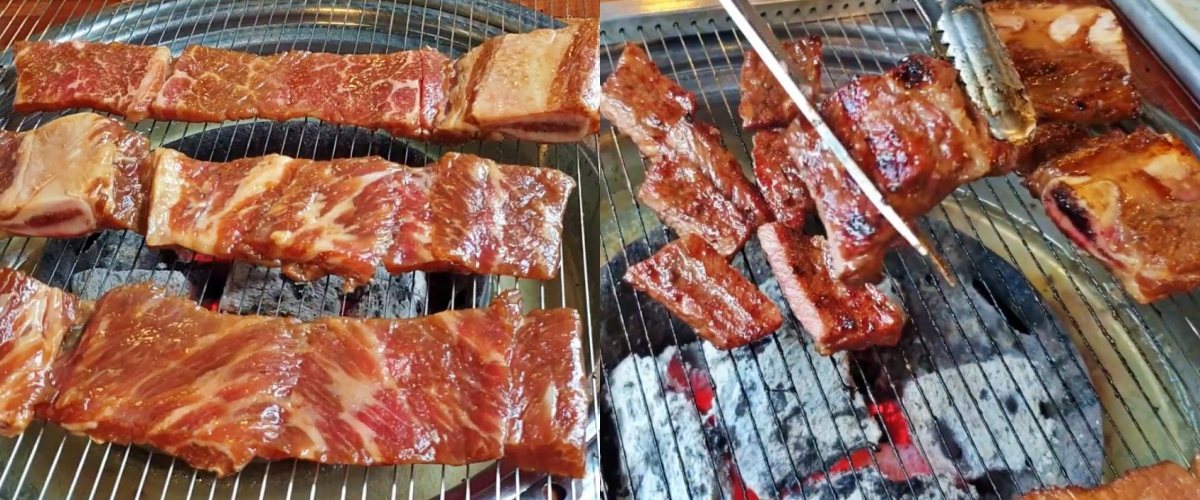
When King Jeongjo, the 22nd ruler of Joseon, built Hwaseong Fortress, he also established large pastures in Suwon to encourage farming and cattle rearing. That grew into a major cattle market, and a steady beef supply gave birth to Suwon’s distinctive galbi tradition. These ribs are seasoned with salt instead of soy sauce to let the meat’s natural red color and delicate flavor shine. A charcoal-grilled bite carries traces of a king’s care and the lively energy of a once-thriving market.
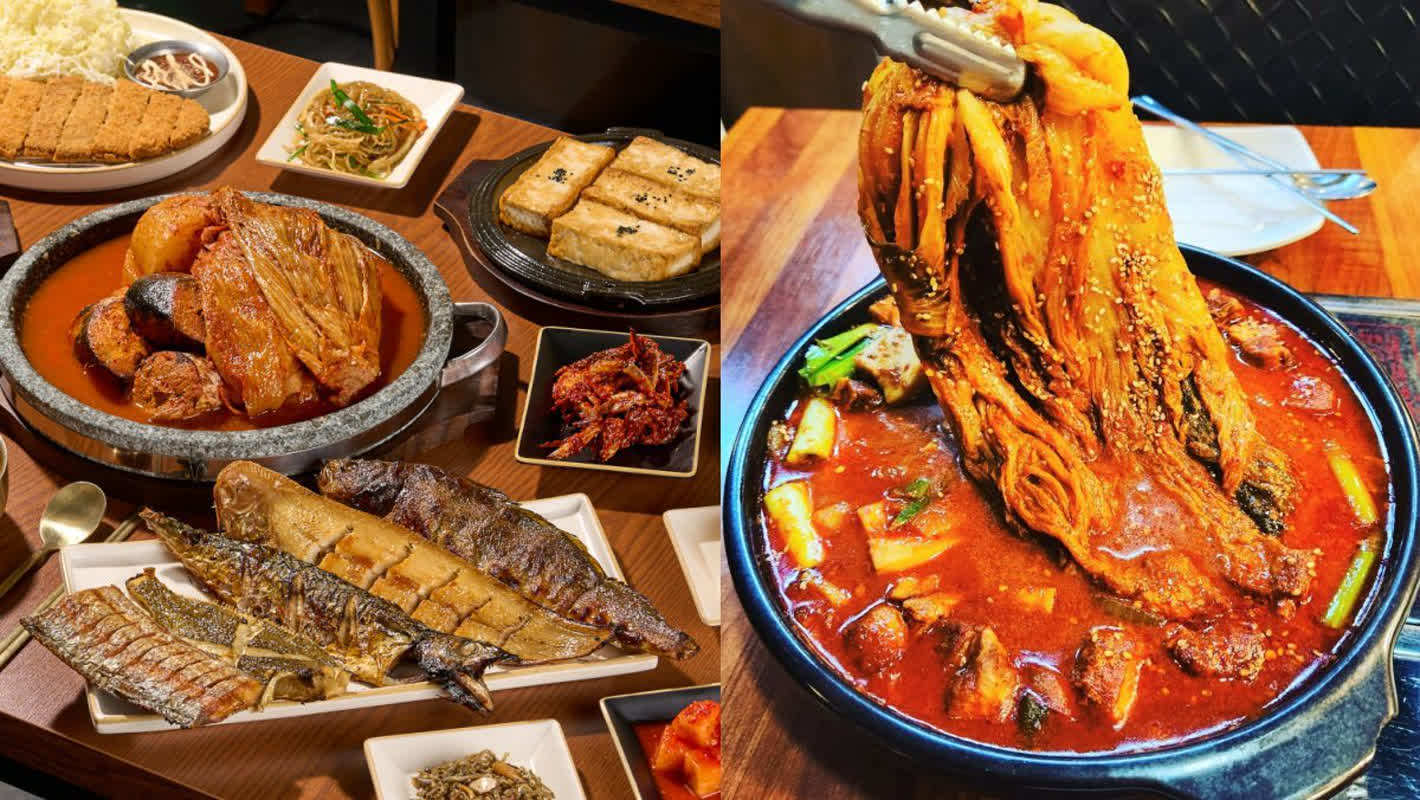
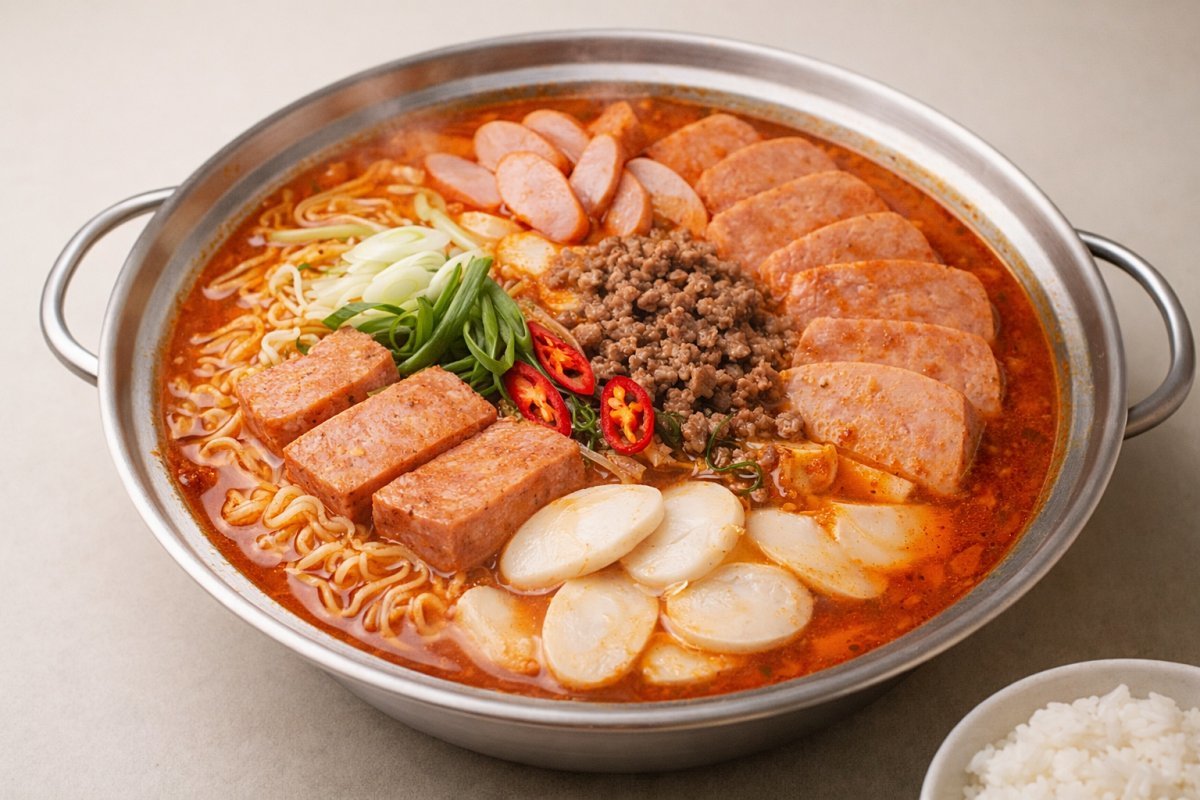
After the Korean War, food was scarce. In Uijeongbu, where U.S. military bases were concentrated, ham and sausages from the bases became valuable ingredients. People cut the richness of those Western processed meats with kimchi and gochujang, simmering everything into a spicy, warming stew—the origin of budae-jjigae. That practical creativity turned scarcity into a beloved comfort food. A bubbling pot holds not just flavor, but memories of a hard era and the warmth of those who endured it.
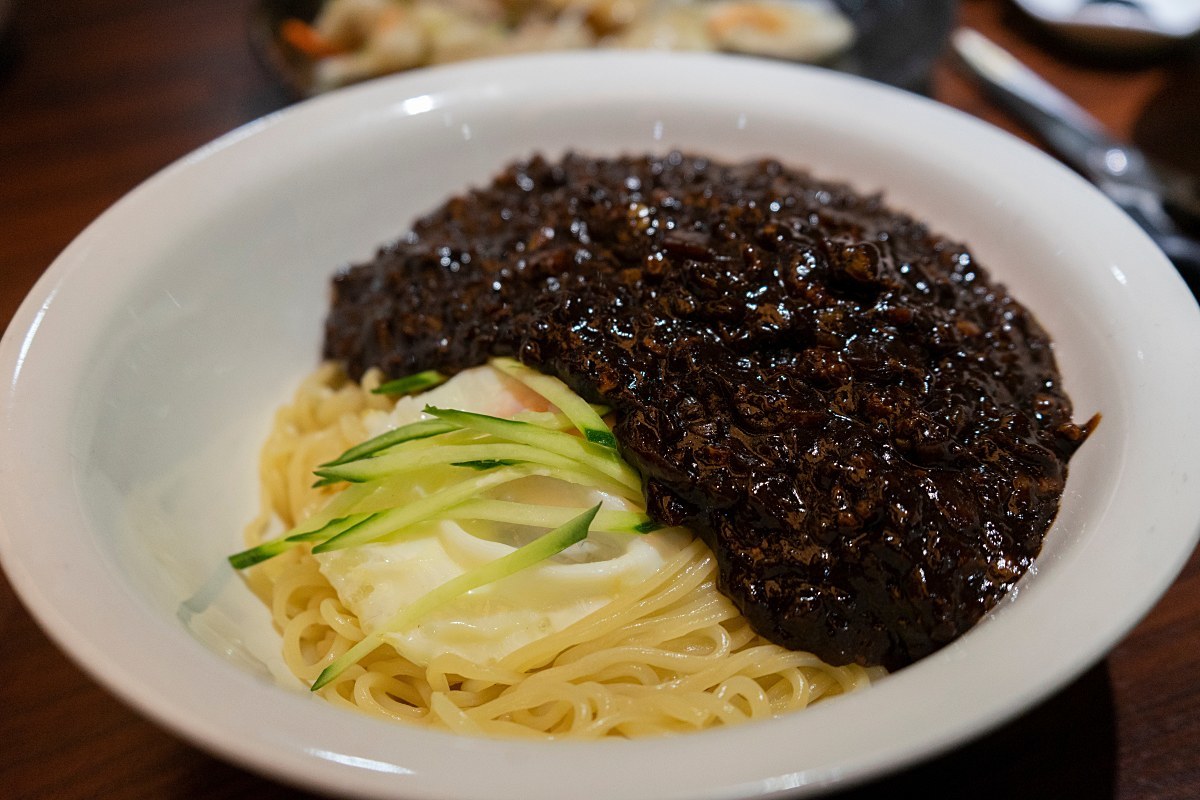
When Incheon Port opened in 1883, Chinese laborers from Qing China often mixed chunjang with noodles for a quick meal on the docks. The dish started closer to traditional Chinese styles, but cooks added sweetness to suit local tastes—and jajangmyeon as we know it was born. The dark sauce that comforted dockworkers carries the layered history of East meets West, reshaped by Korean flavor.
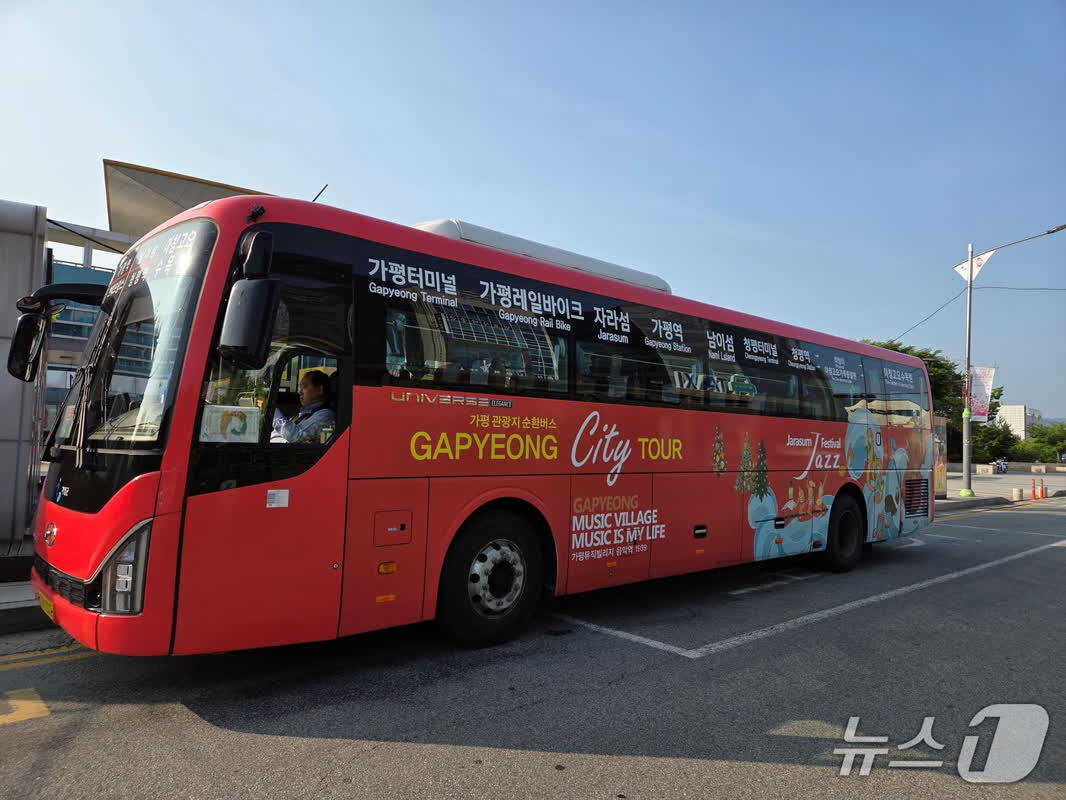
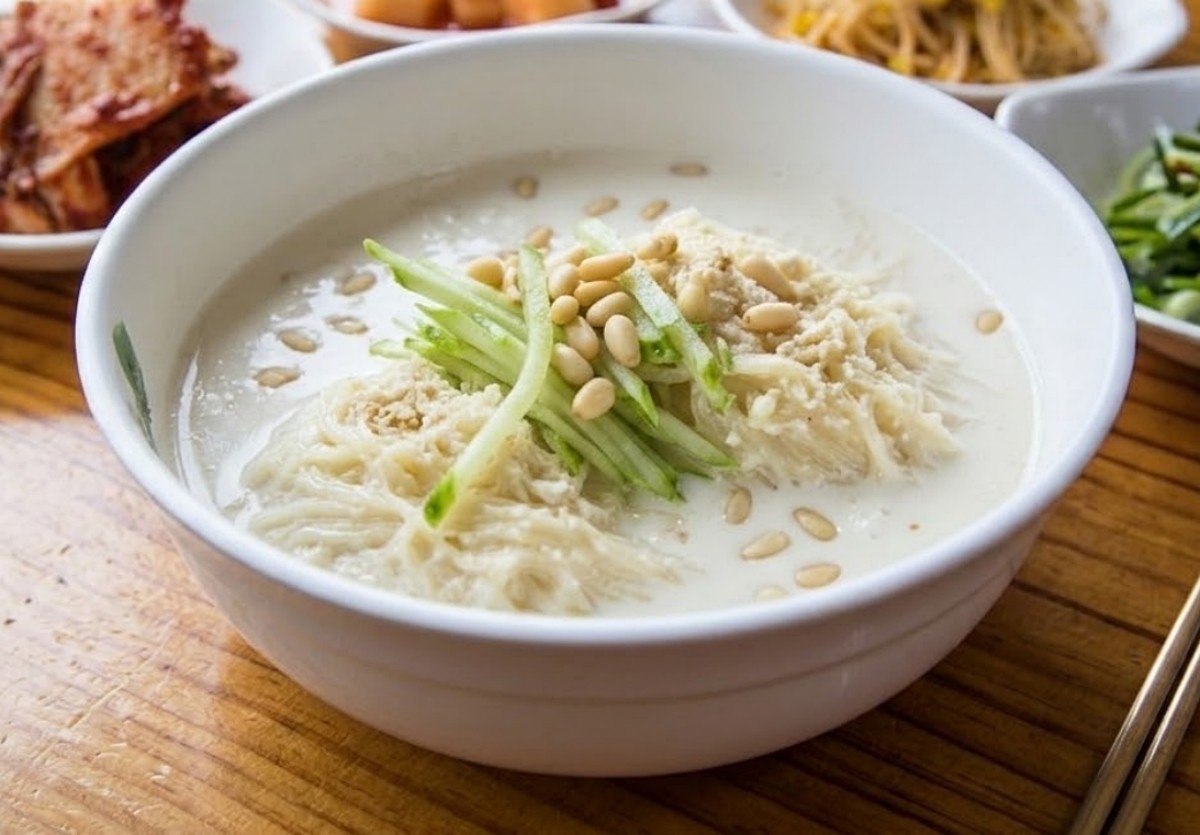
Gapyeong’s high elevations and wide day-night temperature swings create ideal conditions for pine trees. Producing about 40% of the country’s pine nuts, Gapyeong is known for nuts with a deep aroma and generous kernels. Traditional dishes like pine-nut porridge and pine-nut noodles feature a milky, velvety broth that’s quietly luxurious. Rich in unsaturated fats and vitamin E, pine nuts support skin health and help restore energy. Each pine nut, carrying the forest’s essence, is a small natural pause.
Named for Idong-myeon in Pocheon, this galbi rose to fame in the 1960s by feeding visitors to nearby military bases and hungry hikers. The ribs are cut into smaller pieces and served in generous portions—a culinary gesture of abundance. Marinated in a sweet-and-salty sauce and grilled over charcoal, Idong galbi’s tender texture pairs perfectly with Pocheon’s scenic hills, leaving travelers with unforgettable memories.
Just because a dish comes from nearby doesn’t mean its story is simple. The metropolitan area’s food carries traces of cities and markets, war and open ports, mountains and plains—time steeped into flavor. Once you realize that an ordinary meal holds a region’s history, daily life, and practical wisdom, your table starts to look different. In that way, taste becomes one of a trip’s most lasting memories.
Your daily personal horoscope report! What will today bring?n