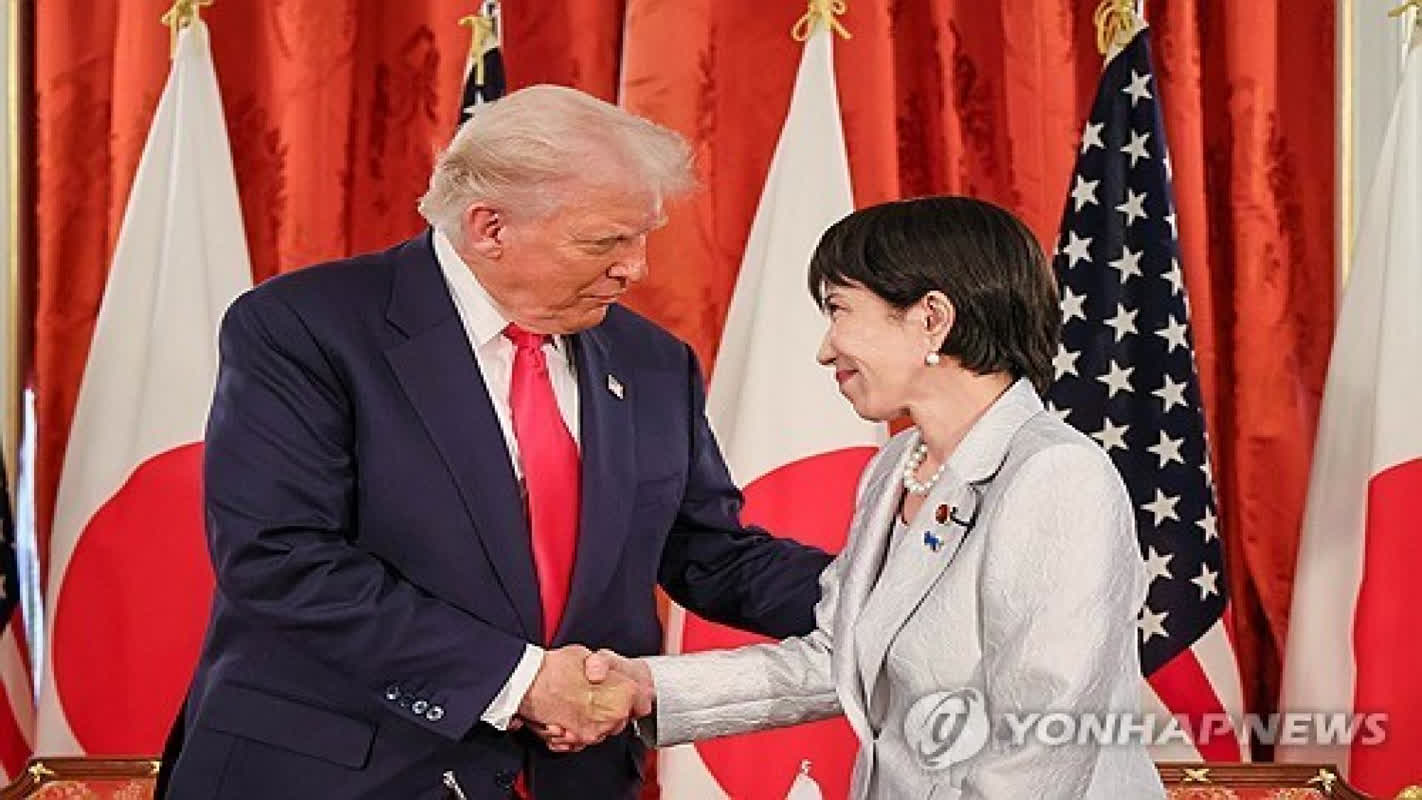
In a national address, he warned: "Over the next two to three weeks we will carry out extremely powerful strikes."
He signaled a tougher offensive instead of announcing an end to the war…urged NATO and Asian partners to take responsibility for the Strait of Hormuz
South Korean industries, already hit by fuel shortages and other Middle East risks, face prolonged uncertainty
[Asia Times=Reporter Park Yodon] President Donald Trump appears set to continue military operations against Iran for the foreseeable future. He drew a line on the Strait of Hormuz blockade, saying affected nations must resolve it themselves.
Analysts expect uncertainty tied to the Middle East to persist. South Korea’s industries, which had hoped for a quick end or a cease-fire, now risk being pulled into a prolonged, open-ended crisis.

On day 33 of the campaign, on April 1 (local time; the morning of April 2 in South Korea), Trump told the nation from the White House that he would carry out "extremely powerful strikes" against Iran over the next two to three weeks. He offered no timeline for ending the conflict. The White House announced the address in a post on X by press secretary Caroline Levitt on the evening of March 31 (local time).
Many had expected Trump to announce a timetable for ending the war. Instead, he signaled an escalation, marking a sharp shift in tone. The "two to three weeks" he cited corresponds with windows officials have discussed for a possible withdrawal of U.S. forces that have been conducting operations against Iran. His comments indicate he does not intend to ease pressure during that period.
Administration officials had previously said Trump wanted the campaign to end within four to six weeks. As the conflict entered its fifth week, rising oil prices and inflation raised concerns over the long-term costs. Rather than moving toward a cease-fire, Trump warned he would intensify attacks.
Trump said, "Thanks to progress we've made so far, tonight I can say we can achieve all of America's military objectives very quickly," adding that "core strategic objectives are nearing completion."
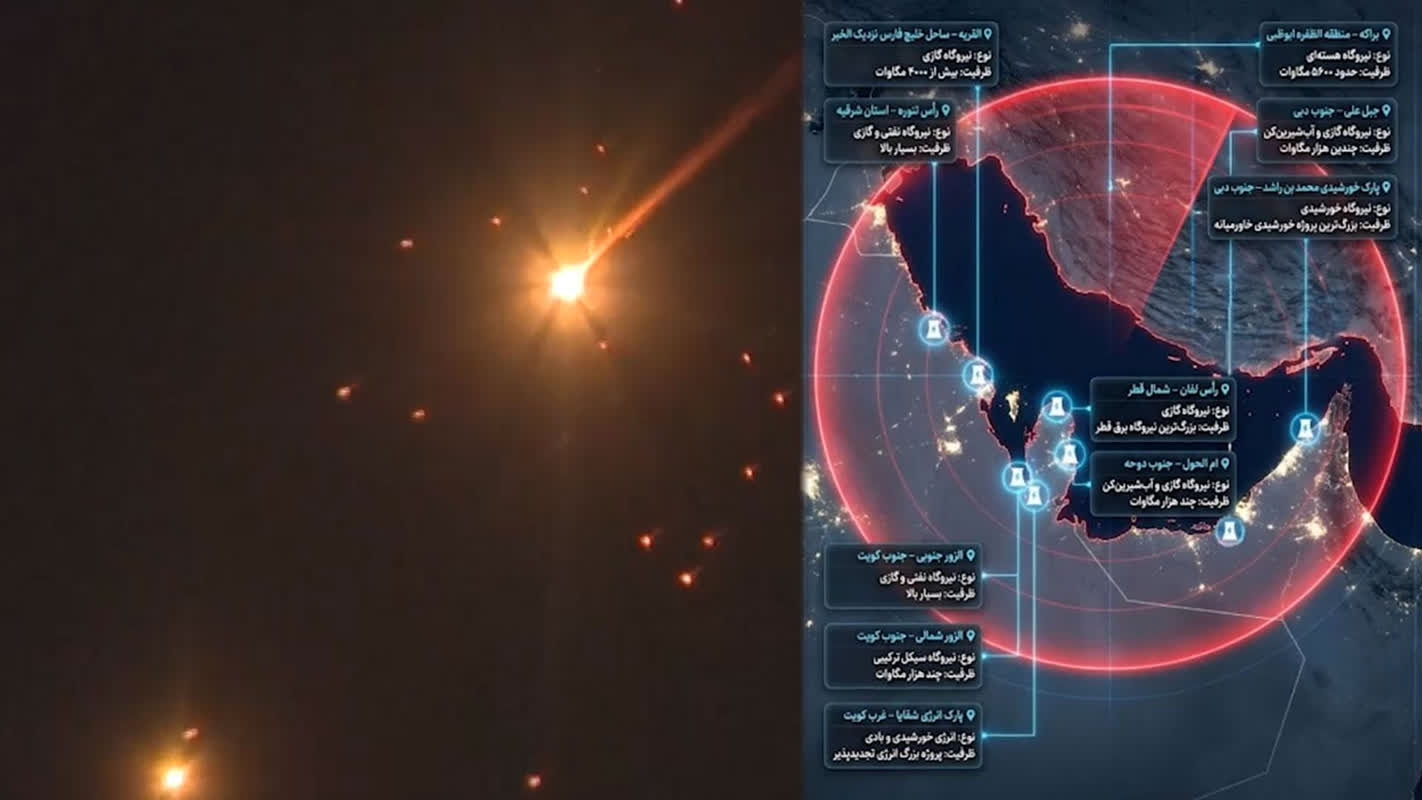
He suggested Iran’s regime had been weakened and indicated negotiations remain underway. "Discussions are ongoing," he said. But he warned that if no agreement is reached within that window, "we are watching their key targets," and threatened, "We will hit their power plants very hard, possibly simultaneously."
On the Strait of Hormuz — where Iran’s attempts to block shipping have driven global oil prices higher and disrupted logistics — Trump told oil-importing countries to buy U.S. oil or secure the waterway themselves. "Show some belated courage. Go to the strait, take it, guard it and use it," he said, adding that U.S. strikes had "practically leveled" Iran.
At a White House Easter event before his address, Trump said Europe and Asian countries should manage the Hormuz situation and criticized South Korea for not immediately agreeing to deploy forces. In a video later removed from the White House YouTube account, he said the Hormuz issue "is not America's problem" and urged other nations to take responsibility. He also accused South Korea of not doing enough despite the United States stationing forces near North Korea, overstating the garrison at about 45,000 troops versus the roughly 28,500 actually stationed there.
Trump's decision to press the campaign has rattled South Korea's industrial sector, which now expects Middle East risks to continue.
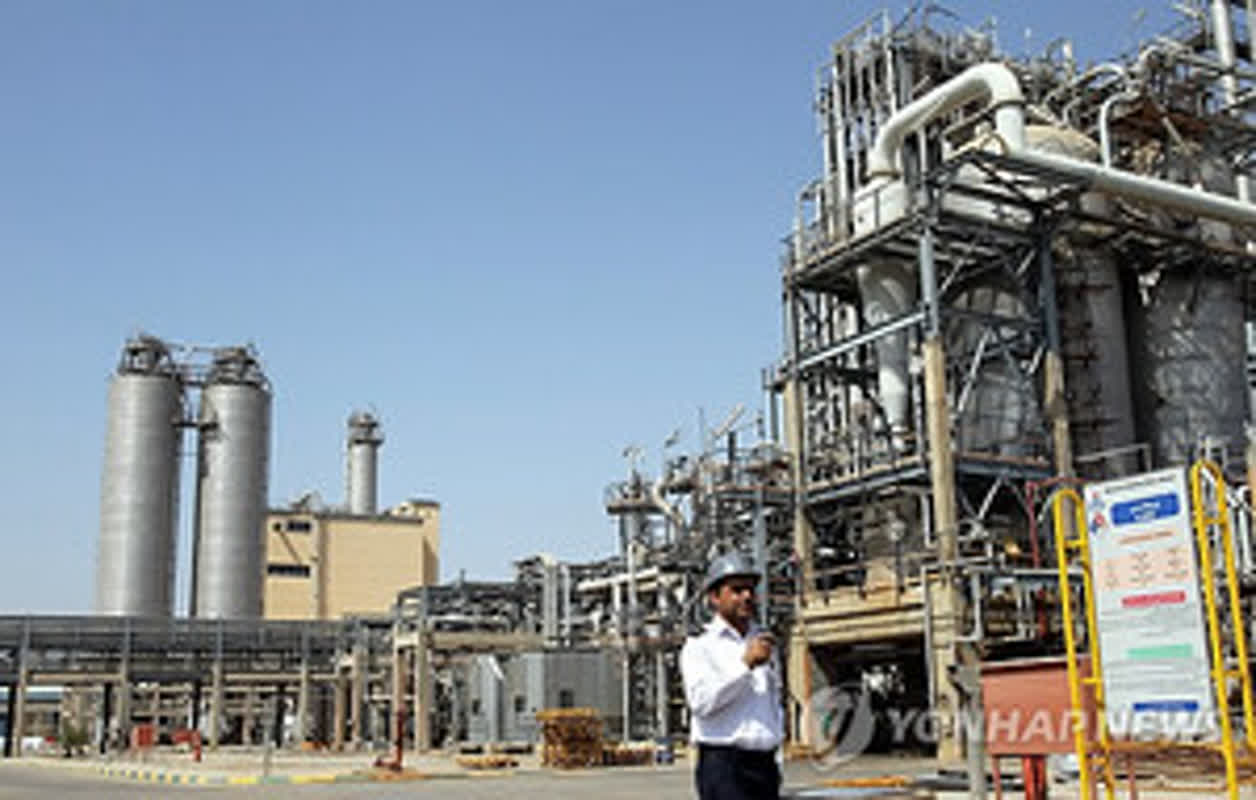
Since the fighting began, surging commodity prices pushed petrochemical firms to the brink of shutdown; the sector now faces the risk of cascading stoppages. Shipping and export companies have lost Middle East maritime routes and are rerouting around Africa's Cape of Good Hope, raising logistics costs and insurance premiums. The uncertainty has also dampened investment and consumer confidence.
With global oil markets likely to remain volatile, domestic fuel prices are expected to stay elevated. Government data for March consumer prices show petroleum prices jumped 9.9% year over year — the largest increase in three years and five months since October 2022 (10.3%), when the Russia-Ukraine war pushed prices higher. Diesel rose 17.0% and gasoline rose 8.0%, contributing to a 2.7% year-over-year rise in industrial goods prices.
An industry official said, "We expected an announcement that would create a de-escalation mood, but Trump's hard line toward Iran makes the situation feel worse. All we can do now is wait for it to end."