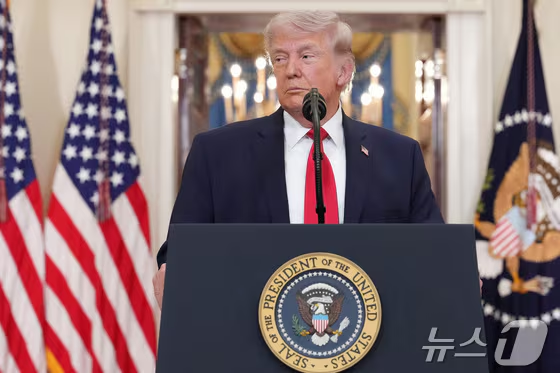
President Donald Trump signaled the possibility of a large-scale military strike against Iran while stepping up pressure for the Strait of Hormuz to be reopened.
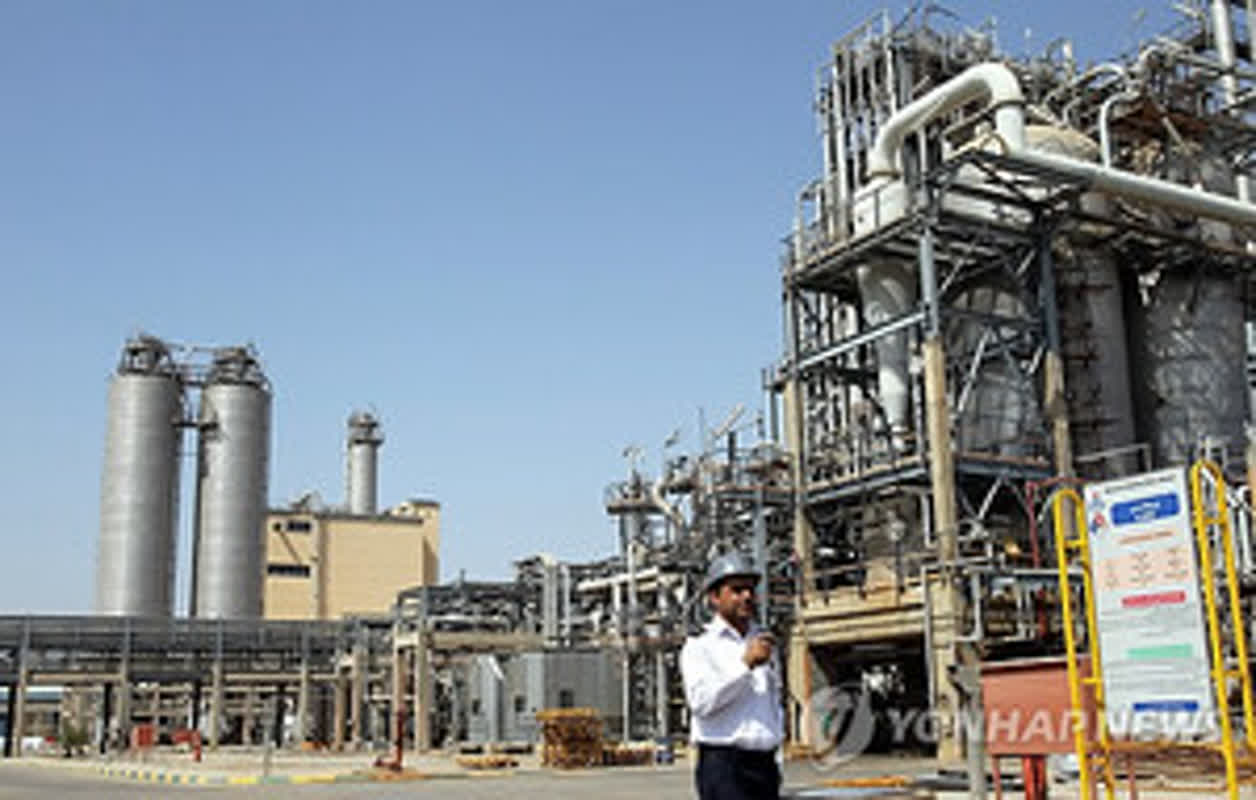
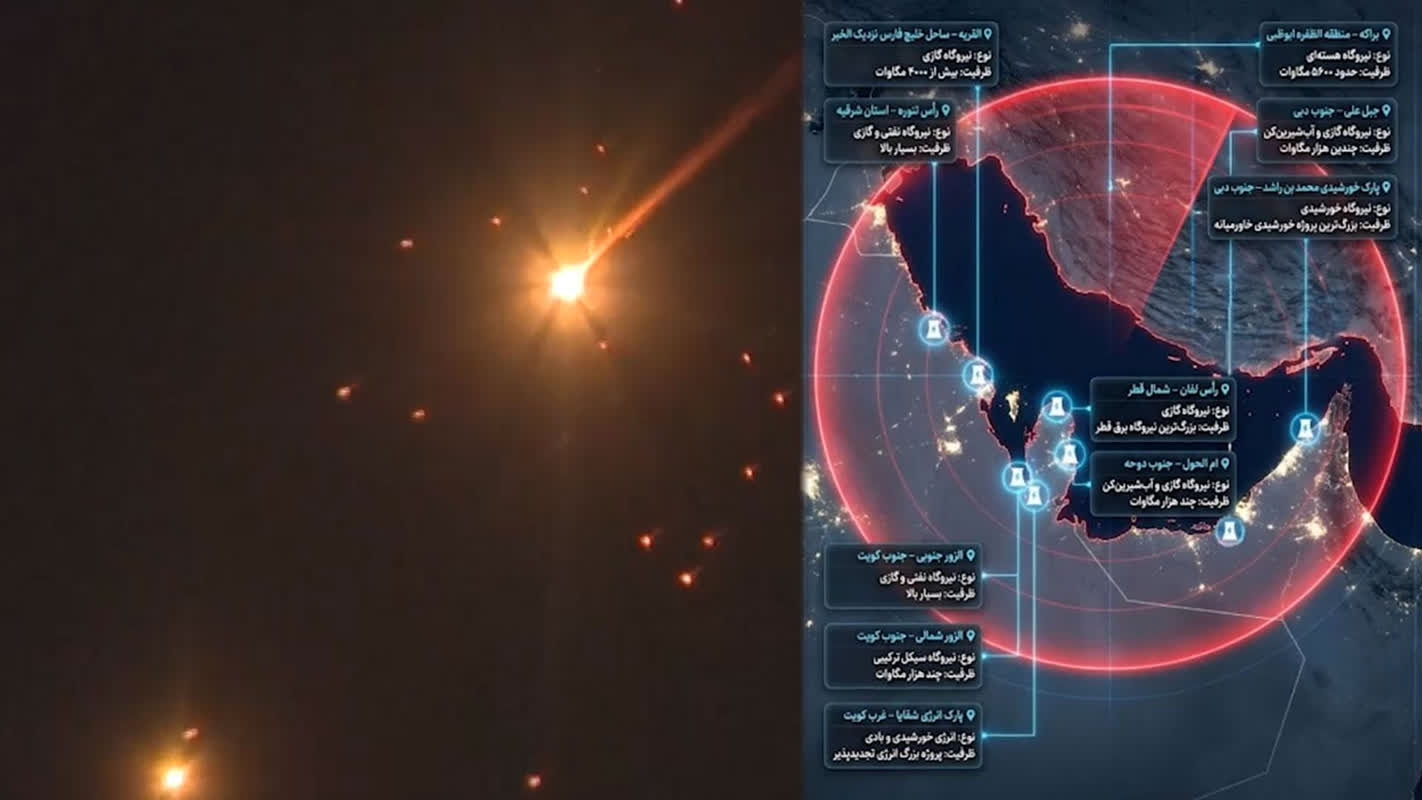
On the 5th (local time), Trump posted on his platform Truth Social that “the 7th will be the day for Iran’s power plants and bridges,” a statement that appeared to flag strikes against critical infrastructure. He followed with a blunt demand that the Strait of Hormuz be opened.
He warned that “something of unprecedented scale will happen,” urged the public to watch developments, and added remarks that mocked Iran using religiously tinged language.
Earlier, Trump had said he was open to negotiations with Iran and would temporarily delay strikes on power plants and energy facilities. As that delay drew near its end, he reverted to harder-line rhetoric—raising pressure while keeping military options on the table.
Analysts say the comments aim to pressure both freedom of navigation through the Strait and any prospective negotiations. Some observers view his repeated, abrasive public language as a tactic to ratchet up tension and seize negotiating leverage.
The “7th” he referenced is in U.S. Eastern Time; in South Korea it corresponds to the morning of the 8th. Trump said he will hold a White House briefing with military officials at 1 p.m. Eastern on the 6th (2 a.m. KST on the 7th).