|
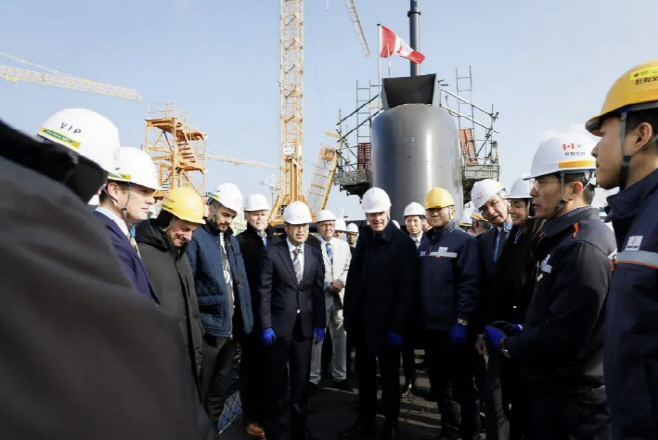
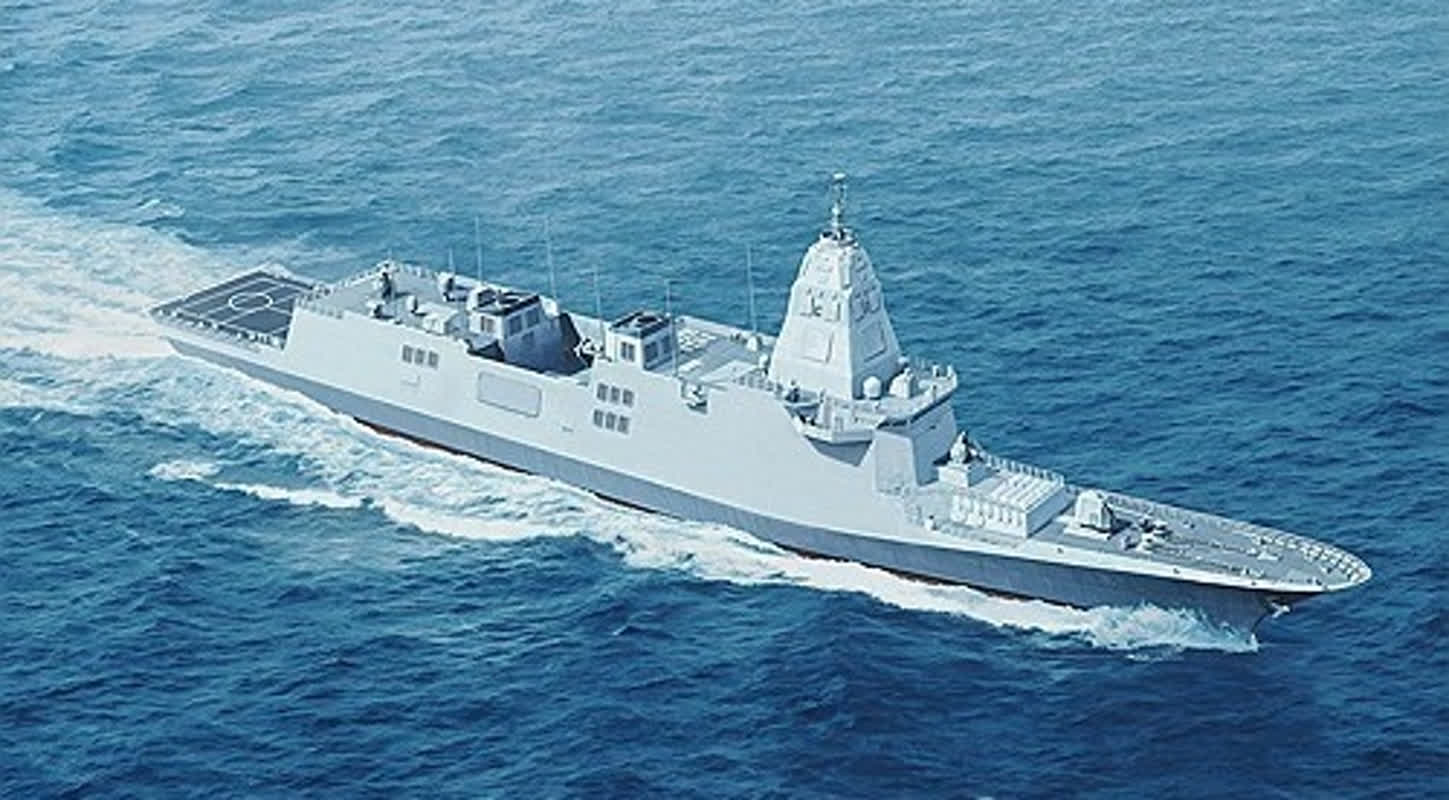
Industry sources said on the 11th that the deadline for proposals to the Canadian Patrol Submarine Project (CPSP) was the 2nd. The program aims to replace the Royal Canadian Navy's Victoria-class submarines with up to 12 diesel-electric boats. The contract is estimated at about $40 billion (roughly ₩60 trillion).
South Korea and Germany are the final contenders. Ottawa selected the two finalists last August and invited them to submit detailed proposals.
TKMS officially submitted its proposal on the 11th, company sources said. The Korean consortium also completed its submission, though it has not released proposal details. An HD Hyundai Heavy Industries official said Hanwha Ocean handled and filed the consortium's submission.
The Canadian government is now reviewing both bids and could name a preferred bidder as early as May or June. If contract talks proceed, the final contractor is expected to be confirmed.
Ottawa has framed the project as more than a weapons purchase; it is tied directly to Canada's defense-industrial base. According to the government's official site (Canada.ca), the requirement covers not only submarine construction but long-term maintenance, supply-chain development and industrial partnerships as part of a sustained defense-cooperation model.
TKMS has intensified its campaign by bolstering local industrial ties. Naval industry outlet Naval Today reported TKMS recently signed a cooperation agreement with Canadian simulation and training firm CAE to set up crew training and maintenance systems for the submarines. The partnership reportedly includes training infrastructure and long-term operational support.
TKMS is also pursuing partnerships with Canadian firms. It has proposed a torpedo production and maintenance arrangement with Magellan Aerospace and pitched collaboration with AI companies to field next-generation digital operations technologies.
The Korean consortium likewise centers its bid on expanding local industrial cooperation. Hanwha Ocean has proposed supply-chain plans and partnerships with Canadian firms across steel, satellite communications, artificial intelligence and batteries. Hyundai Motor Group has also offered cooperation on Canada's hydrogen industry ecosystem.
Some foreign reports last week suggested Ottawa might split the submarine order between the Korean and German bidders. In response, Trade Minister Kim Jung-kwan visited Canada on the 5th (local time) and met with Canada's Industry Minister Mélanie Joly to discuss the possibility.
At a plenary meeting of the National Assembly's Industry, Trade and SMEs Committee on the 9th, Minister Kim said he had confirmed with the Canadian government that there was no plan to split the order into a 6+6 arrangement.
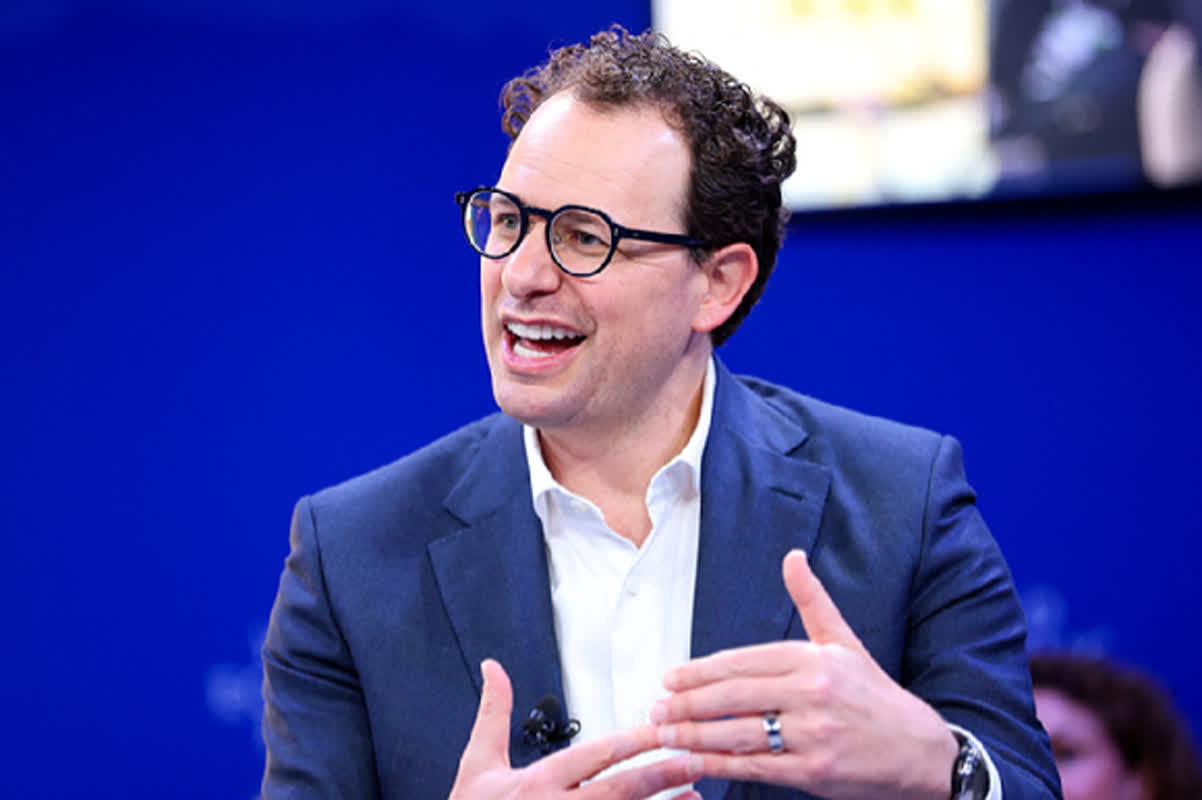
Analysts say Korean firms may have picked up an edge after Volkswagen Group — long cited as a key TKMS partner — said it would not participate in the Canadian submarine effort. Local media reported Volkswagen CEO Oliver Blume said on the 10th (local time) that Volkswagen will not take part in the competition.
Observers said Volkswagen's decision amounts to a polite refusal of Ottawa's request for additional facility investments and could strengthen the Korean consortium's position.