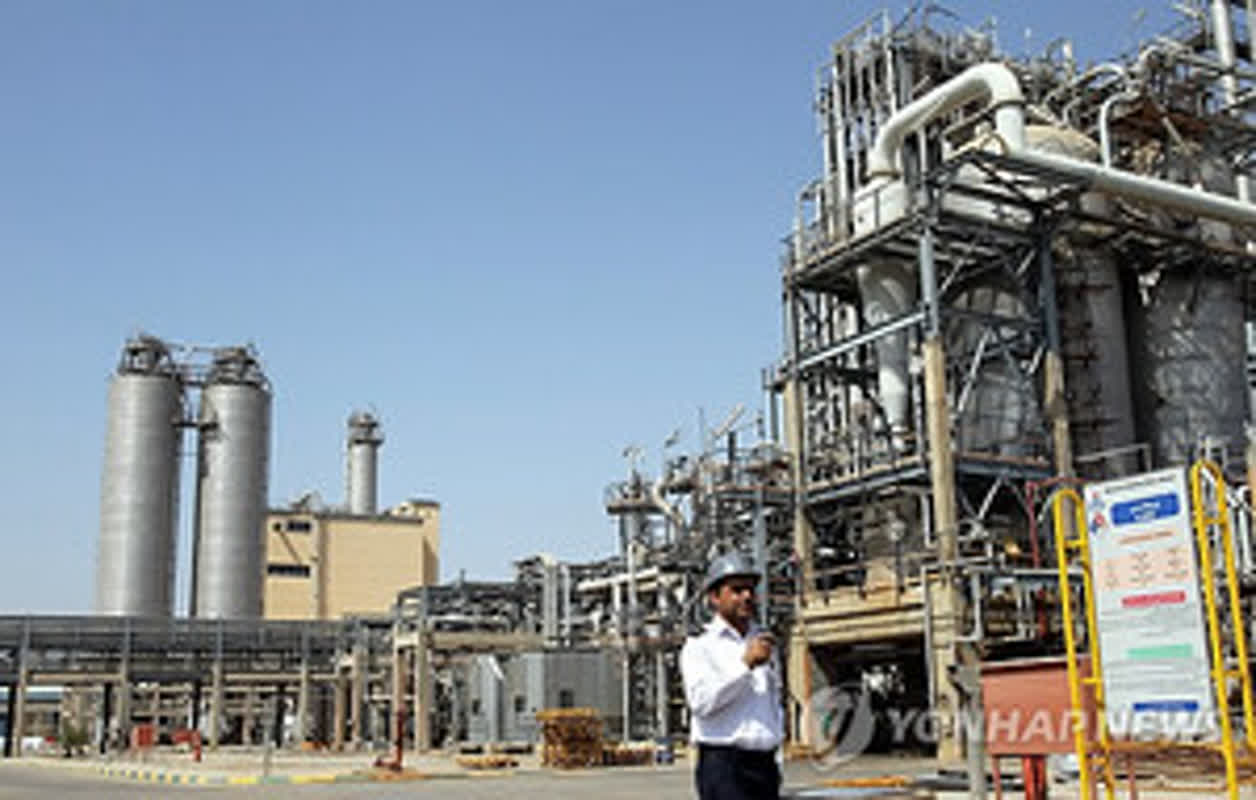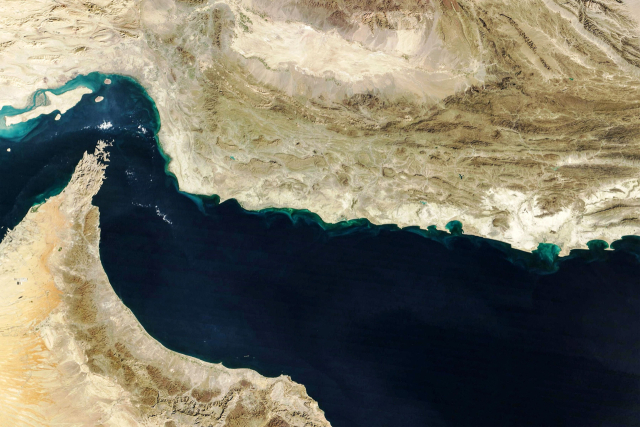
Iran has tightened control over the Strait of Hormuz, a key global oil shipping route, and investigators have documented cases in which vessels effectively paid fees to secure passage.
On the 27th (local time), the Associated Press and shipping-data firm Lloyd's List Intelligence reported that ships transiting the Strait of Hormuz are now using designated routes controlled by the Islamic Revolutionary Guard Corps (IRGC).
Since the 13th, at least 26 vessels have followed those approved routes. Analysts found no instances of ships using the previous general lanes after the 15th.
Under the new process, vessels must enter Iranian territorial waters for pre-screening. Carriers are required to submit detailed information — IMO registration numbers, ownership structures, cargo details, destinations and crew lists — to intermediaries linked to the IRGC. Approved ships receive unique authorization codes and routing instructions and then transit under IRGC escort.
Investigators also confirmed that some ships paid fees to transit. Lloyd's List Intelligence said not all vessels pay direct passage fees, but at least two did, and those payments were settled in Chinese yuan.
Earlier reports said several governments, including China and India, negotiated with Iran over the system. At least one tanker reportedly secured passage rights by paying roughly $2 million (approximately 2.67 billion KRW). Analysts say the transaction used yuan because U.S. financial sanctions have restricted dollar-based transfers.
The changing environment around the strait has driven a sharp drop in traffic. Before the war, more than 380 vessels passed daily on average; recently that number has fallen significantly. Lloyd's List Intelligence reported that about 150 vessels have transited the strait since the 1st of the month.
Despite the decline in traffic, Iran's crude exports have remained at comparable levels. Data firm Kpler found shipments from Iran's Harg Island terminal this month totaled about 1.6 million barrels, roughly in line with pre-war volumes. Private Chinese refiners were the primary buyers.
Transit patterns have shifted as well. Vessels that once used central lanes through the strait increasingly are taking the northern passage by Larak Island, which brings them deeper into Iranian territorial waters.
Some states continue to transit through diplomatic coordination. Lloyd's reported two Indian LPG carriers passed without paying fees, and the Indian government says its vessels are sailing without extra charges.
Iran has signaled it may allow non-hostile ships to transit after coordination. Foreign Minister Abbas Araghchi said vessels from non-hostile states can pass following arrangements with Iranian authorities.
The share of vessels directly or indirectly linked to Iran transiting the strait has risen sharply. This month about 67% of transits involved Iran-related ships, and recent accounts put that share as high as roughly 90%.
The measures have drawn international criticism. The U.N. Convention on the Law of the Sea requires states to guarantee innocent passage through their territorial seas. Gulf Cooperation Council Secretary-General Jasem Mohammed Al Budaiwi called Iran's actions acts of aggression and a violation of the convention.
Legal experts have voiced concerns. Sal Mercogliano, a maritime historian at Campbell University in North Carolina, said there is no provision in international law authorizing toll stations that extort money from ships. He added that Iran is leveraging its control over the Strait of Hormuz.
Claire McCleskey, formerly with the U.S. Treasury's Office of Foreign Assets Control (OFAC), noted that the IRGC is designated a Foreign Terrorist Organization by the U.S. State Department and warned that providing material support to it could expose parties to criminal, not just civil, liability.