Around 6:10 a.m. on April 19, multiple projectiles launched from the Sinpo area into the East Sea
Joint Chiefs: Traveled roughly 140 km (about 87 miles); South Korean and U.S. analysts are conducting a detailed assessment of the weapons' specifications
Blue House: A provocative act in violation of U.N. Security Council resolutions
[Asia Times=Reporter Woo Seung-jun] North Korea staged another show of force on the morning of April 19, firing multiple short-range ballistic missiles into the East Sea. The launch followed an earlier round of missile activity on April 8, marking an 11-day interval between tests.
This was Pyongyang’s seventh ballistic missile launch so far this year. Analysts say North Korea appears to be exploiting fissures in the international security environment tied to the conflict involving Iran to accelerate the advancement of its nuclear and missile capabilities.

South Korea’s Joint Chiefs of Staff said the military detected several short-range ballistic missiles launched from the Sinpo area in South Hamgyong Province at about 6:10 a.m. on April 19.
The Joint Chiefs said the projectiles flew roughly 140 km (about 87 miles). They added that South Korean and U.S. intelligence agencies are conducting a detailed analysis of the weapons’ specifications. Seoul and Washington had been tracking the launch activity, and South Korea, the U.S. and Japan closely shared related intelligence.
The Joint Chiefs stressed that, under a robust ROK-U.S. combined defense posture, the military is closely monitoring North Korea’s movements and retains the capability and readiness to respond decisively to any provocation.
The National Security Office, led by First Deputy Director Kim Hyun-chong, convened an emergency security review with the Defense Ministry, the Joint Chiefs and other agencies to coordinate an immediate response.
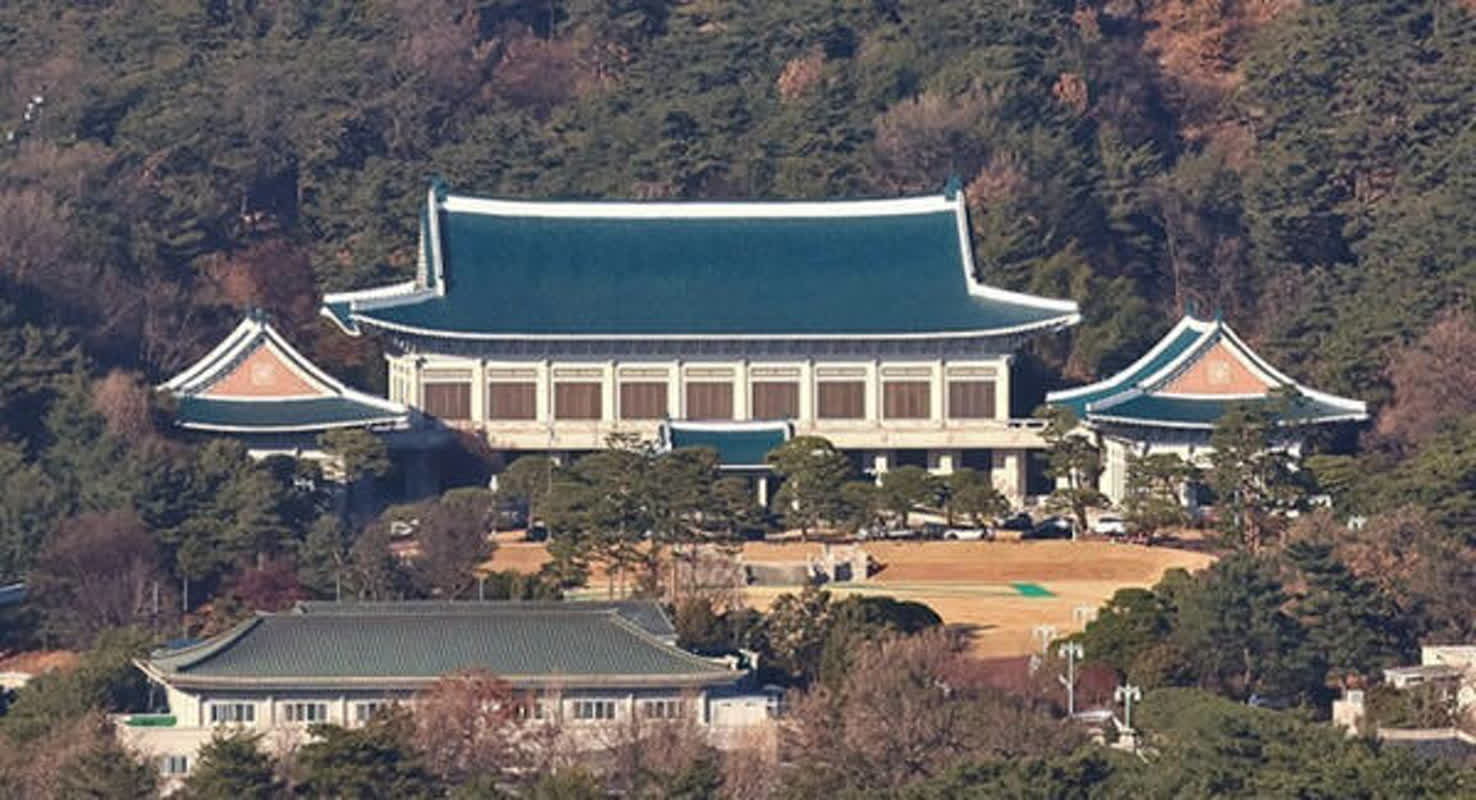
Blue House spokesperson Kang Yoo-jung said the National Security Office reviewed and assessed the launch’s implications for national security and examined necessary countermeasures. She said officials expressed concern about the recent uptick in North Korean ballistic missile activity and called the launches a provocative violation of U.N. Security Council resolutions, urging Pyongyang to halt them immediately.
The Defense Ministry, in a statement, urged North Korea to stop its successive missile provocations that raise tensions on the peninsula and to participate constructively in efforts to stabilize peace.
The launch originated in the Sinpo area of South Hamgyong Province, home to North Korea’s shipyards and submarine-launch facilities. Military authorities said they are analyzing the launch point and other technical details and have not ruled out the possibility that the North tested a submarine-launched ballistic missile (SLBM) from the surface or underwater. Officials reported the missiles flew toward Alseom, an uninhabited islet off Hwadae County in North Hamgyong Province that Pyongyang commonly uses as a test aimpoint.
If the projectiles were SLBMs, it would be North Korea’s first SLBM launch in about four years since May 7, 2022. Compared with that 2022 launch, which traveled roughly 600 km (about 373 miles), the recent flight was far shorter, suggesting Pyongyang may have deliberately limited the range or tested a new, shorter-range variant. By aiming at Alseom, analysts say North Korea likely emphasized testing precision-strike capability over long-range reach.
Beyond tests of ballistic and cruise missiles, North Korea has recently conducted trials of electromagnetic-pulse (EMP) weapons and carbon-fiber munitions—systems intended to degrade an adversary’s command-and-control infrastructure and power networks.
Some observers say North Korea may be staging repeated missile demonstrations ahead of U.S. President Donald Trump’s planned visit to China and the upcoming U.S.-China summit next month, seeking to raise its profile before potential diplomatic engagement.
Lee Do-hyung, director of the Hongik Institute for Political Economy, described the successive launches as an attempt by Pyongyang to increase its bargaining leverage ahead of possible contact with the U.S. tied to the U.S.-China summit. He said North Korea is displaying its nuclear and missile capabilities while seeking to exploit perceived fractures in the international security environment caused by the conflict involving Iran.