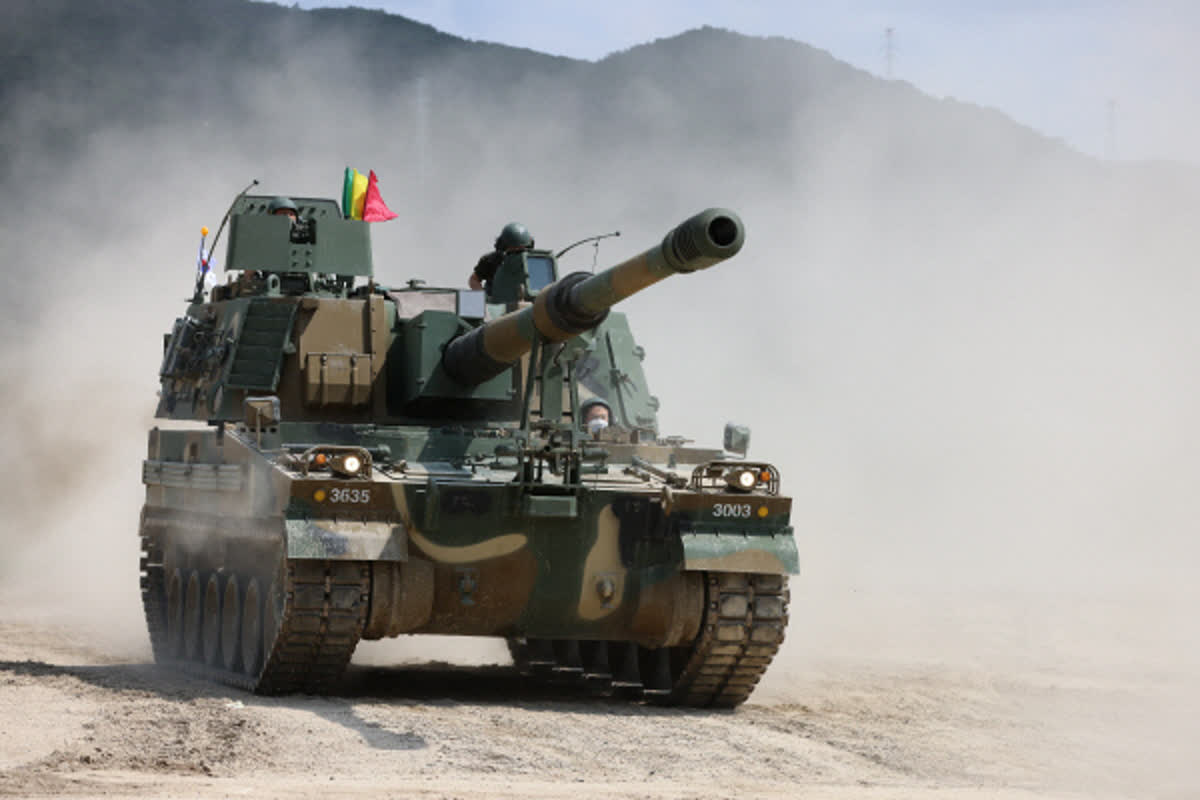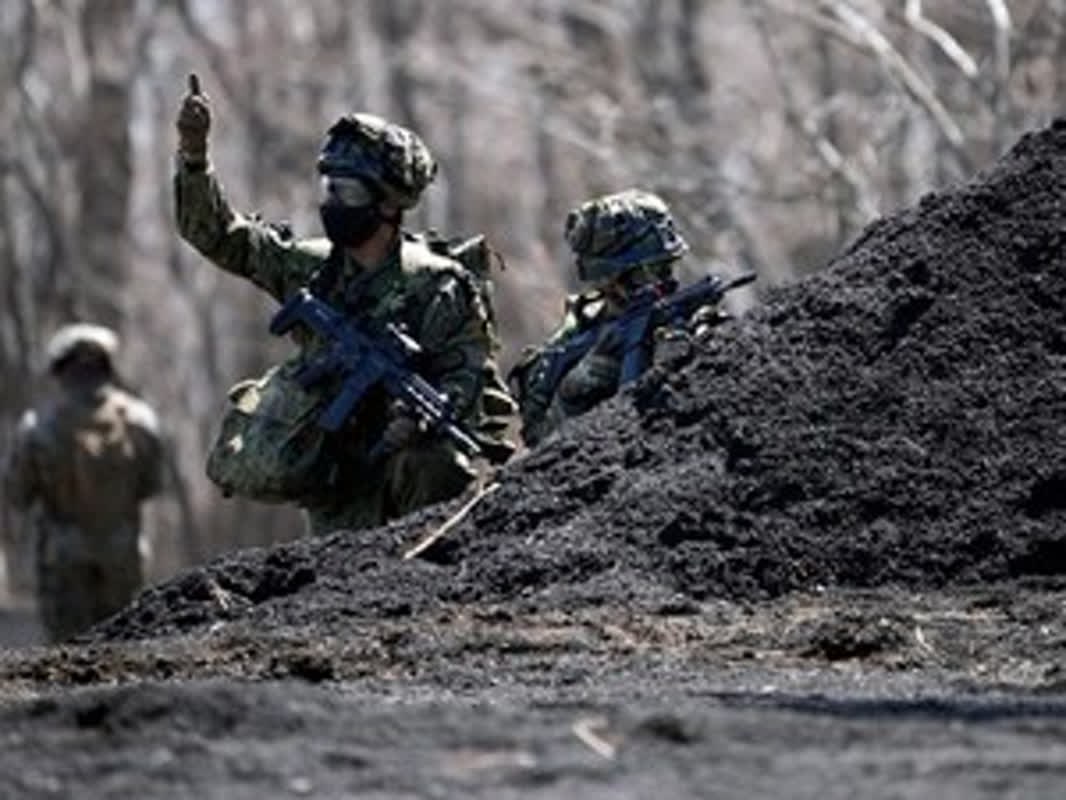
[The Public=Reporter Hong Chan‑young] SEOUL — Japan has effectively lifted its postwar restrictions on arms exports for the first time in roughly 60 years and is moving into the global defense market in force. South Korea has expanded its export footprint with systems like the K‑9 self‑propelled howitzer and the K‑2 main battle tank, but Japan — backed by advanced technology and diplomatic reach — is emerging as a new competitor.
Industry sources said on April 24 that on April 21 the Japanese government revised its Three Principles on Transfer of Defense Equipment, broadly allowing weapons exports, including lethal arms. The move significantly relaxes controls that had effectively been enforced under Article 9’s pacifist constraints.
Japan historically relied on a domestic market centered on the Self‑Defense Forces, which hampered growth in its defense sector. With recent defense budget increases, Tokyo has begun a concerted push to expand exports. Government‑level defense diplomacy is already being stepped up with partners such as New Zealand and the Philippines.
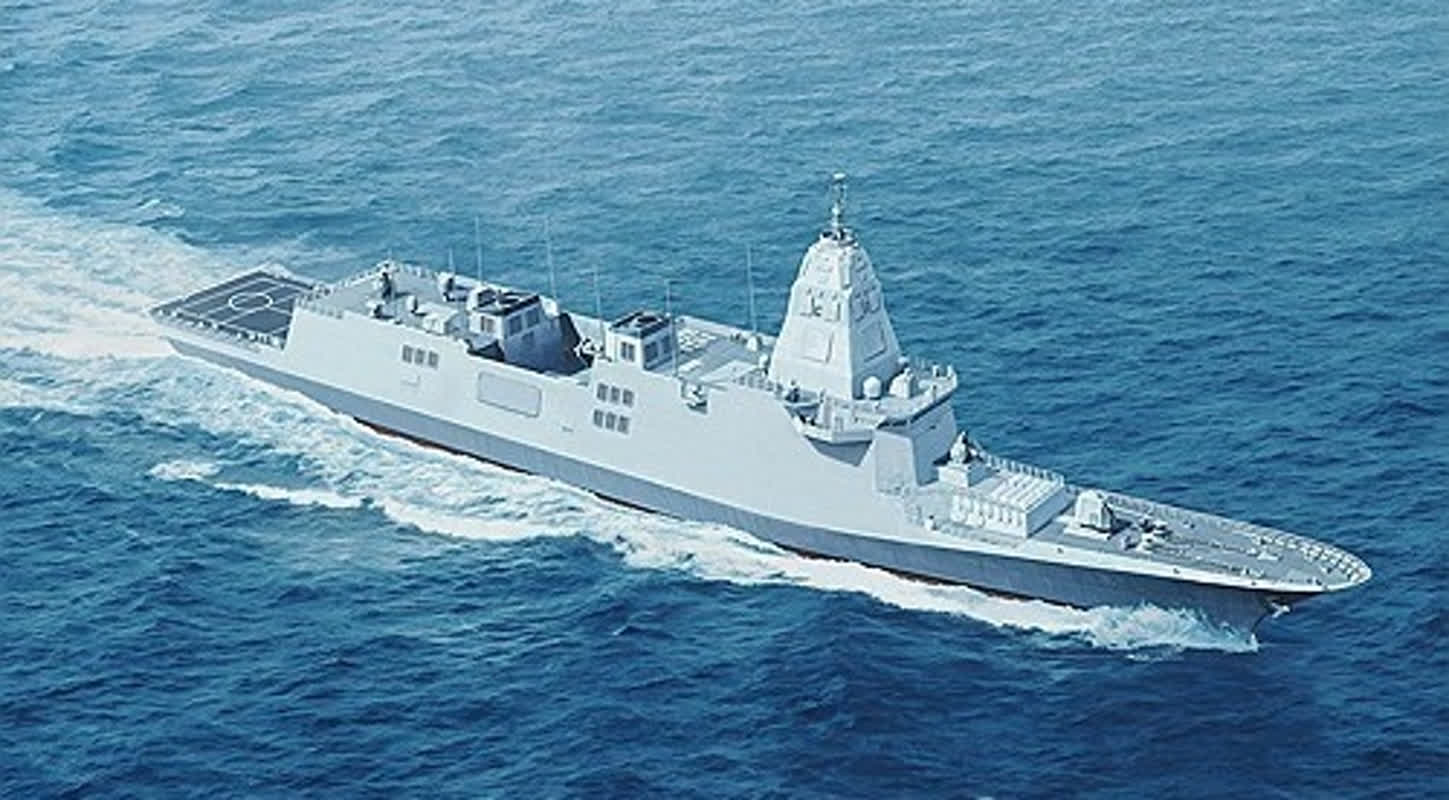
South Korea’s defense industry sees naval shipbuilding as the most sensitive area. Japan ranks among the world’s top builders of surface ships and submarines and, drawing on its past experience constructing aircraft carriers, holds significant strengths in naval capabilities.
The two countries already went head to head in Australia’s next‑generation frigate competition in 2024, a program valued at about 10 trillion KRW (7.5 billion USD). South Korea’s HD Hyundai Heavy Industries and Hanwha Ocean competed, but Japan’s Mitsubishi Heavy Industries won the contract with its Mogami‑class frigate. Observers view that as Japan’s first major warship export.
A competitive dynamic is also taking shape in Southeast Asia. Japan is pursuing new orders in markets where Korean firms—already suppliers of ships and submarines—have established relationships, including the Philippines and Indonesia. The defense industry expects bidding battles between Seoul and Tokyo to widen.
Airpower and missile systems are overlapping fields as well. Japan is collaborating with the U.K. and Italy on next‑generation fighter development and has built missile‑defense capabilities through technical cooperation with the U.S. That creates potential market friction with South Korea’s KF‑21 fighter and the Cheongung‑II missile system.
Still, most analysts say the immediate impact on South Korea’s defense sector will be limited. Seoul already exports to many countries, has operational experience and follow‑on support networks in place, and benefits from economies of scale that provide price advantages. Experts emphasize South Korea’s firm standing in ground systems, notably the K‑9 howitzer and the K‑2 tank.
That said, some caution that the landscape could shift if Japan pairs its technological edge with government‑led diplomatic and financial support. If Tokyo advances package export strategies tied to official development assistance, competition could move beyond simple price wars to a more complex contest.
“Japan’s defense industry is not likely to threaten Korea in the short term,” a defense industry official said, “but the entry of a technologically capable competitor makes long‑term competition inevitable. Competition between South Korea and Japan will grow more intense, especially in the naval and air domains.”