“Most intense airstrike” carried out by the U.S.
U.S. says “90% of missile launchers destroyed”
Iran estimated to hold about 6,000 naval mines
U.S. counters for control of the Hormuz front
More than 1,300 civilians killed since the outbreak
About 140 U.S. service members wounded…7 dead
U.S. says “90% of missile launchers destroyed”
Iran estimated to hold about 6,000 naval mines
U.S. counters for control of the Hormuz front
More than 1,300 civilians killed since the outbreak
About 140 U.S. service members wounded…7 dead
In a briefing on military operations against Iran, U.S. Defense Secretary Pete Hegseth warned the strikes would be “the most intense day.” True to that warning, U.S. and Israeli forces struck targets across Iran, including Tehran. The Pentagon said nearly 700 munitions were expended — missiles, guided bombs, armed drones, bunker-busters dropped by B-2 stealth bombers and precision-guided bombs delivered by F-35s. U.S. strikes targeted 16 aircraft at Mehrabad Airport and fuel facilities at the Parchin missile base. Israeli forces hit a weapons research-and-development complex inside an IRGC military academy in Tehran and struck Hezbollah strongholds in southern Lebanon. Hegseth said roughly 90% of Iran’s missile launchers were destroyed, up from an earlier estimate of 75%.
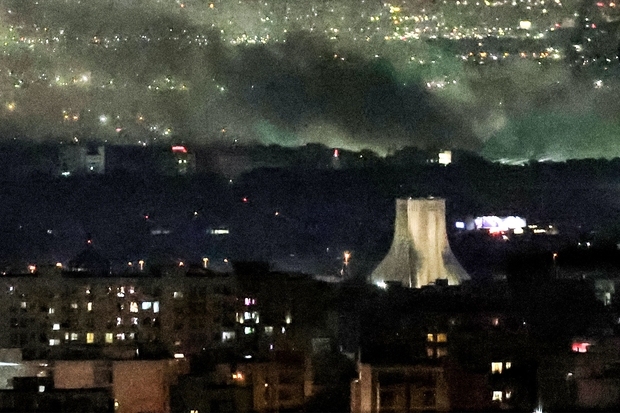
U.S. and Israeli strikes also hit intersections in central Tehran near residential areas. A Tehran resident told Reuters, “It was like hell,” saying children are now afraid to sleep and calling the night the worst since the war began. Another resident told AP the strikes near homes cut power. A 27-year-old mother of an infant said she witnessed residential buildings being hit and that tens of thousands of Iranians fled to the countryside to escape the raids.
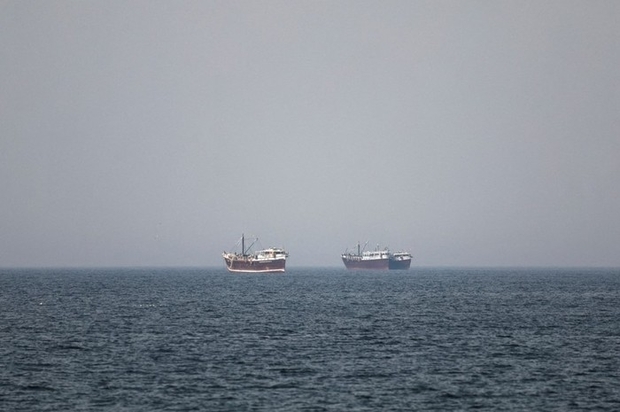
As threats to the Strait of Hormuz rose, the U.S. moved to blunt the impact on global energy markets. CBS and Reuters reported the Pentagon said U.S. forces destroyed 16 mine-laying vessels near the strait. At a briefing, Joint Chiefs Chairman Gen. Dan Keane said, “U.S. Central Command is striking mine-laying vessels and mine storage facilities.”
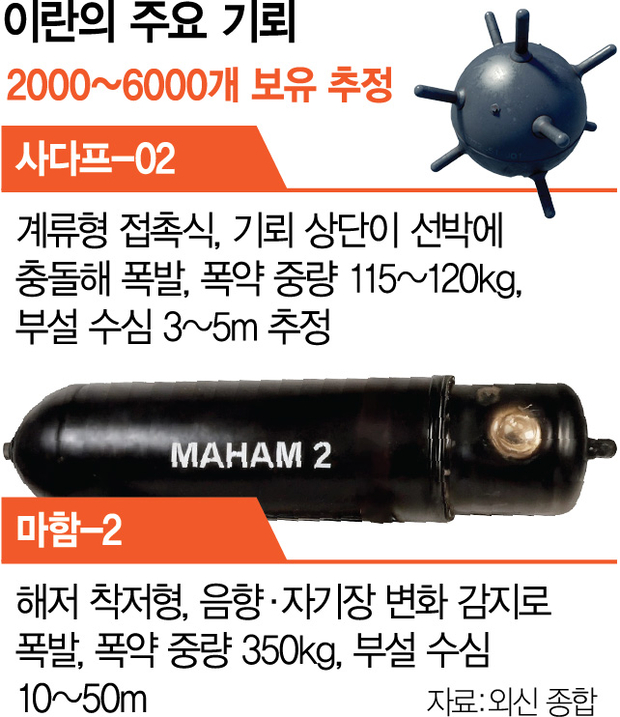
Iran’s most common conventional moored contact mine, the Sadaf-02, is aimed at medium and small vessels. The moored contact mine detonates when a ship strikes its upper section. Its warhead weighs about 115–120 kg, and it is typically emplaced in 3–5 m of water. Moored contact mines like the Sadaf-02 are primarily used to enforce naval blockades.
One of Iran’s main naval mines, the Maham-2, is a bottom-resting influence mine that detonates when it senses changes in acoustic or magnetic fields. Its warhead weighs roughly 350 kg and it is typically laid at depths of 10–50 m. With that larger explosive load, the Maham-2 can destroy large tankers; like the Sadaf-02, it is primarily used to enforce maritime blockades and is difficult to neutralize.
U.S. forces reported roughly 140 service members wounded. After Reuters initially reported 150 injuries, the Pentagon said about 140 U.S. troops were wounded over ten days, eight of them seriously. That figure is far higher than the March 1 tally from U.S. Central Command, which listed 3 killed and 5 seriously wounded. Three of those five later died, bringing total U.S. military deaths to seven.