「Cast: Yang Wook, Senior Research Fellow, Asan Institute for Policy Studies · Lee Ho-ryeong, Senior Research Fellow, Center for Security Strategy, Korea Institute for Defense Analyses」
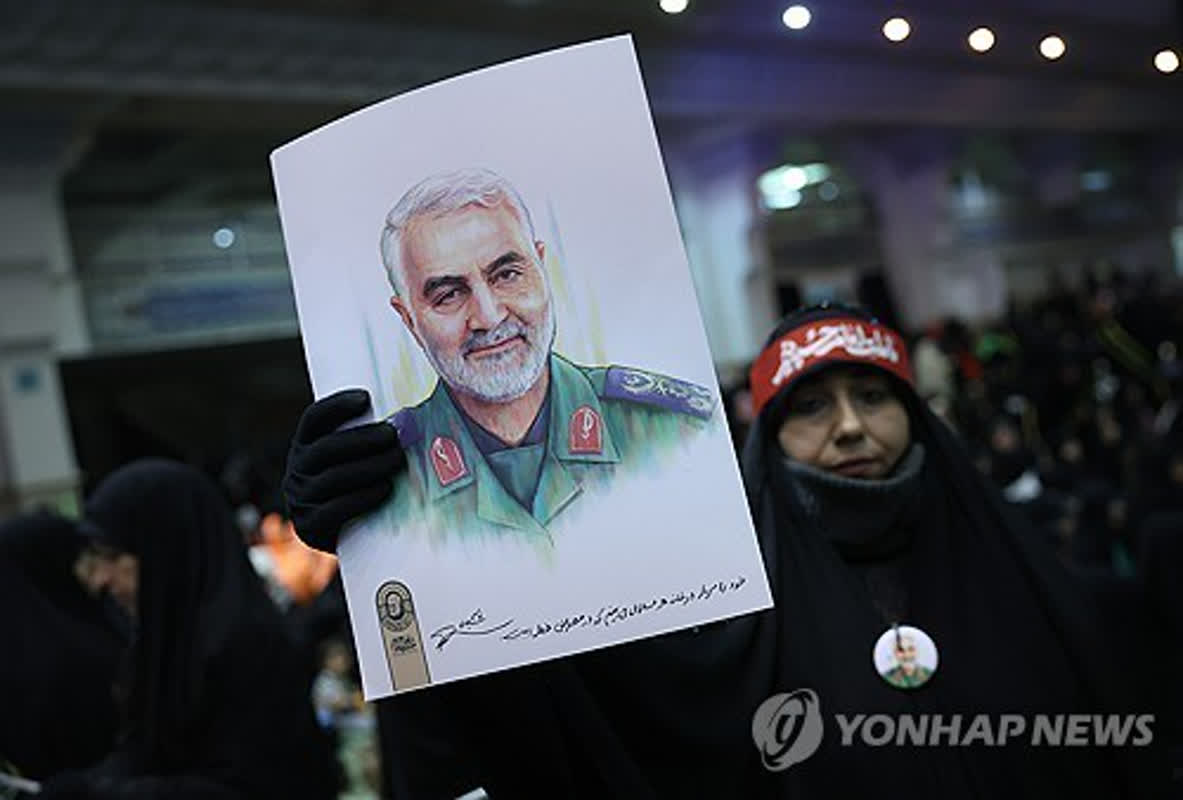
Amid ongoing U.S. and Israeli airstrikes on Iran, Tehran has named Mojtaba Khamenei — the second son of Supreme Leader Ali Khamenei — as the country’s new supreme leader.
We spoke with Yang Wook of the Asan Institute for Policy Studies and Lee Ho-ryeong of the Korea Institute for Defense Analyses’ Center for Security Strategy to assess what this development means for the campaign against Iran.
「Question 1」 Mojtaba Khamenei, Ali Khamenei’s second son, has been selected as the next supreme leader. The Islamic Revolutionary Guard Corps immediately declared "complete obedience." Although Mojtaba has not held public office, he is widely seen as a powerful behind-the-scenes influencer. What explains his selection, and how much sway does he actually hold inside Iran?
「Question 2」 U.S. President Trump warned that an Iranian supreme leader who lacks U.S. approval would not last long, even saying anyone who appears to seek the role would eventually face death. How do you expect Iran to respond to that warning?
「Question 2-1」 Attention has focused on whether a so-called "decapitation" operation — the kind of raid that once targeted Ali Khamenei’s compound — could be resumed with Mojtaba as a target. If that were to happen, how might it affect U.S. and Israeli operations against Iran?
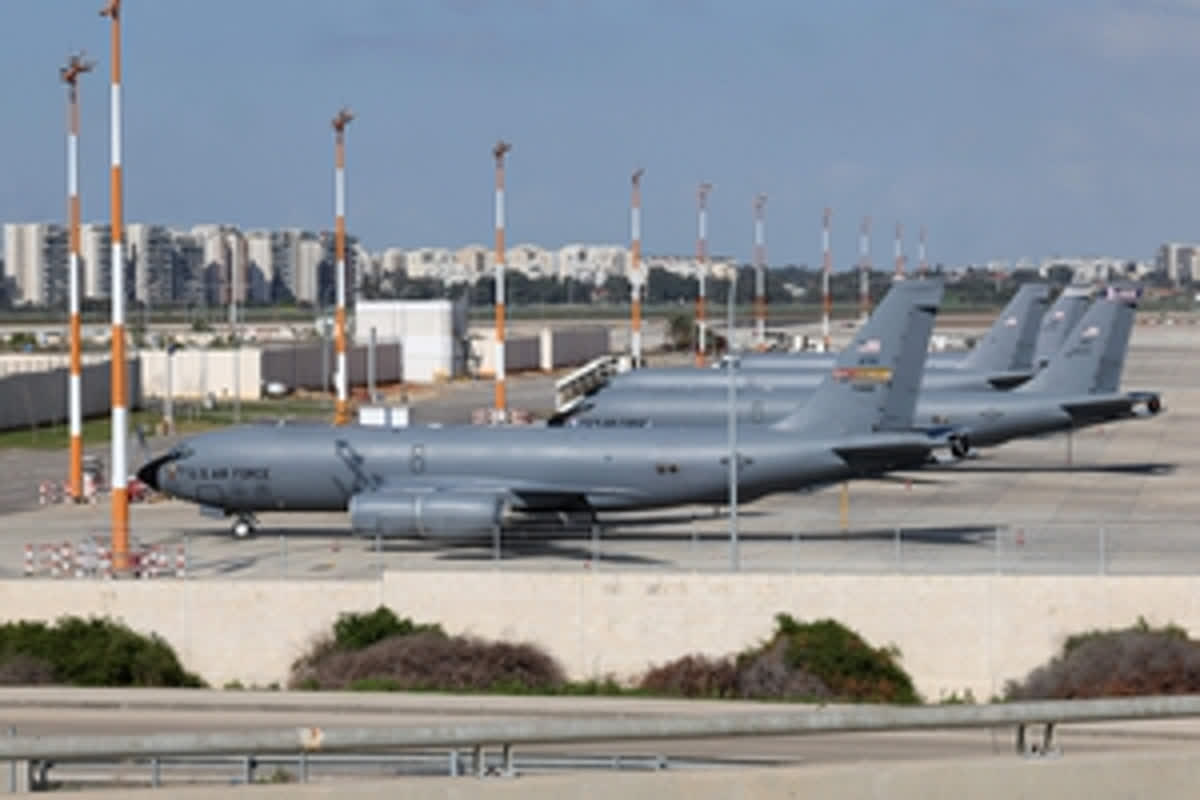
「Question 3」 Around the time of the U.S. and Israeli strikes, large U.S. Air Force transport aircraft that had been staged at Osan Air Base in South Korea reportedly departed in quick succession. There are suggestions that interceptor weapons under U.S. Forces Korea control may have been moved to the Middle East or to Israel. What’s your assessment of that possibility?
「Question 4」 Abdul Khaleq Abdullah, an informal adviser to the UAE president, thanked South Korea on social media for quickly sending 30 Cheongung-II interceptor missiles and called Korea a "true friend." What type of weapon is the Cheongung-II interceptor missile?
「Question 4-1」 It’s encouraging that Korean defense firms might raise their international profile through export opportunities tied to the conflict, but such transfers can make defense relationships politically sensitive with Iran and other states. Shouldn’t policymakers weigh both the commercial gains and the geopolitical risks? (Lee Ho-ryeong)
「Question 5」 Iran has concentrated strikes on key U.S. assets deployed in the Middle East. Some reports allege Russian support, claiming Moscow’s target-identification technology has aided Iran’s strike operations. Iran hasn’t concealed military cooperation with Russia — how credible are these reports?
「Question 5-1」 Analysts note that intensive U.S. and Israeli strikes have heavily damaged Iran’s weapons depots and launchers, and that Iran’s ballistic missile launch rate, which had been high in the opening phase, has fallen sharply. Why do you think launch frequency has declined — are they conserving resources for a protracted campaign?
「Question 6」 Last weekend, U.S. and Israeli forces struck an oil storage facility south of Tehran. Reports suggest the Israeli operation exceeded what the U.S. expected after prior notification, though Israel maintains it was a legitimate military action. How do you view this strike — could it indicate the first cracks among allies?
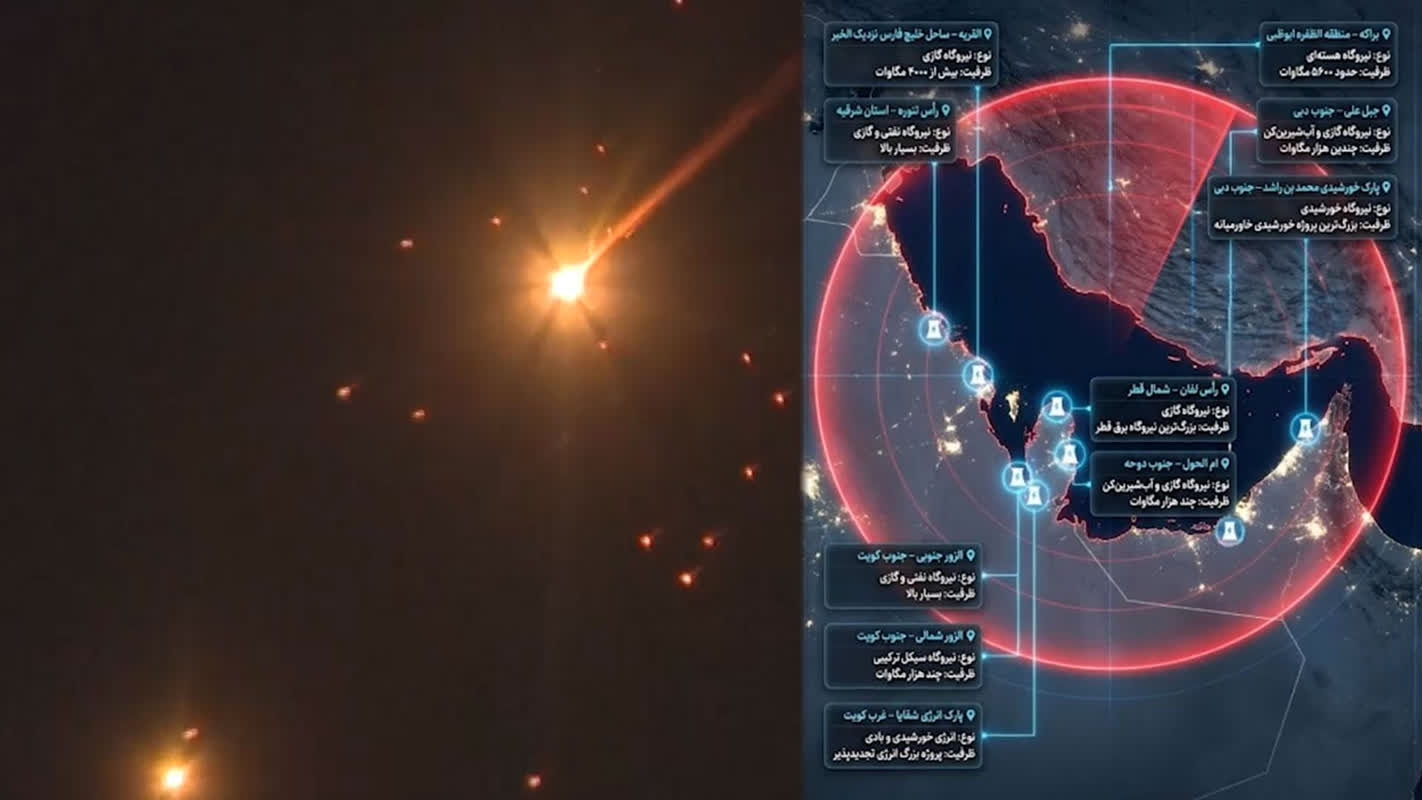
「Question 7」 Israeli media recently reported that the UAE struck Iran’s desalination facilities. Those plants provide drinking water for parts of Iran and Bahrain, raising concerns the attacks could spark a humanitarian crisis affecting civilians. The UAE denies the reports. How should we assess the situation now?
「Question 8」 A U.S. newspaper reported that clashes have occurred between armed groups and U.S. forces in Iraq. Iran’s president issued an apology to Gulf states, but within hours Iran launched further attacks on Gulf countries. How do you evaluate the broader security picture in the Middle East?
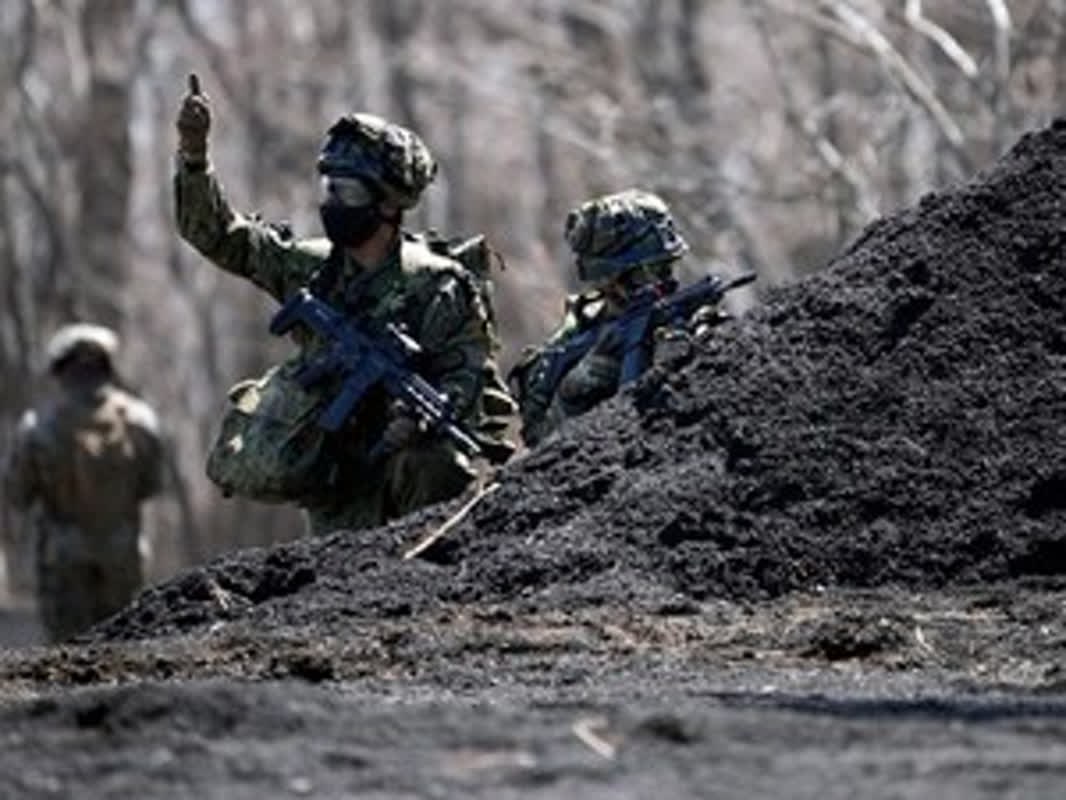
「Question 9」 Reports indicate the Trump administration and Israel have discussed deploying special operations forces to secure Iran’s concealed stockpiles of highly enriched uranium. While not imminent, what would be the rationale for seizing Iran’s enriched uranium — would it be intended for use in current operations?
Yonhap News TV inquiries and tips: KakaoTalk/Line jebo23
Yoo Yeon-hee (rjs1027@yna.co.kr)