[Anchor]
Fighting and retaliatory strikes in the Middle East have intensified after the U.S. carried out what it described as a major airstrike against Iran.
Iran has responded with drones and missiles aimed at countries near Israel. We now go to Cairo, Egypt, which sits on Israel’s border.
Reporter Park Hyun-woo.
[Reporter]
This is Cairo.
It’s 9:30 a.m. local time.
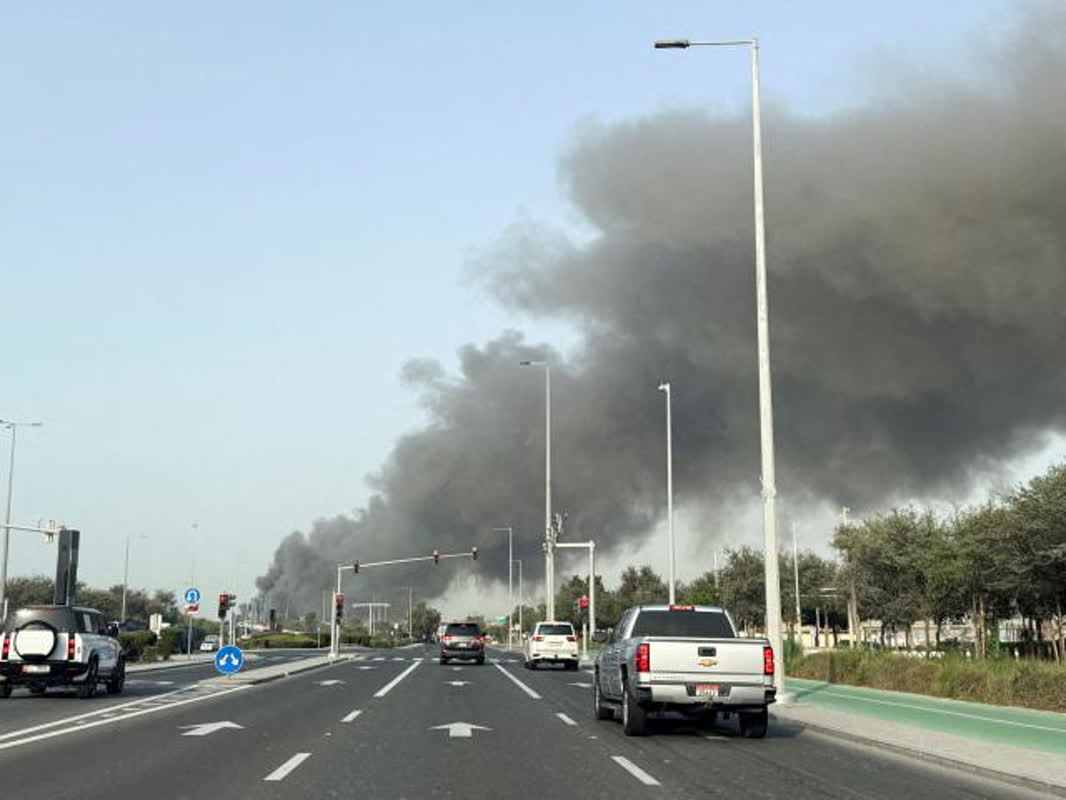
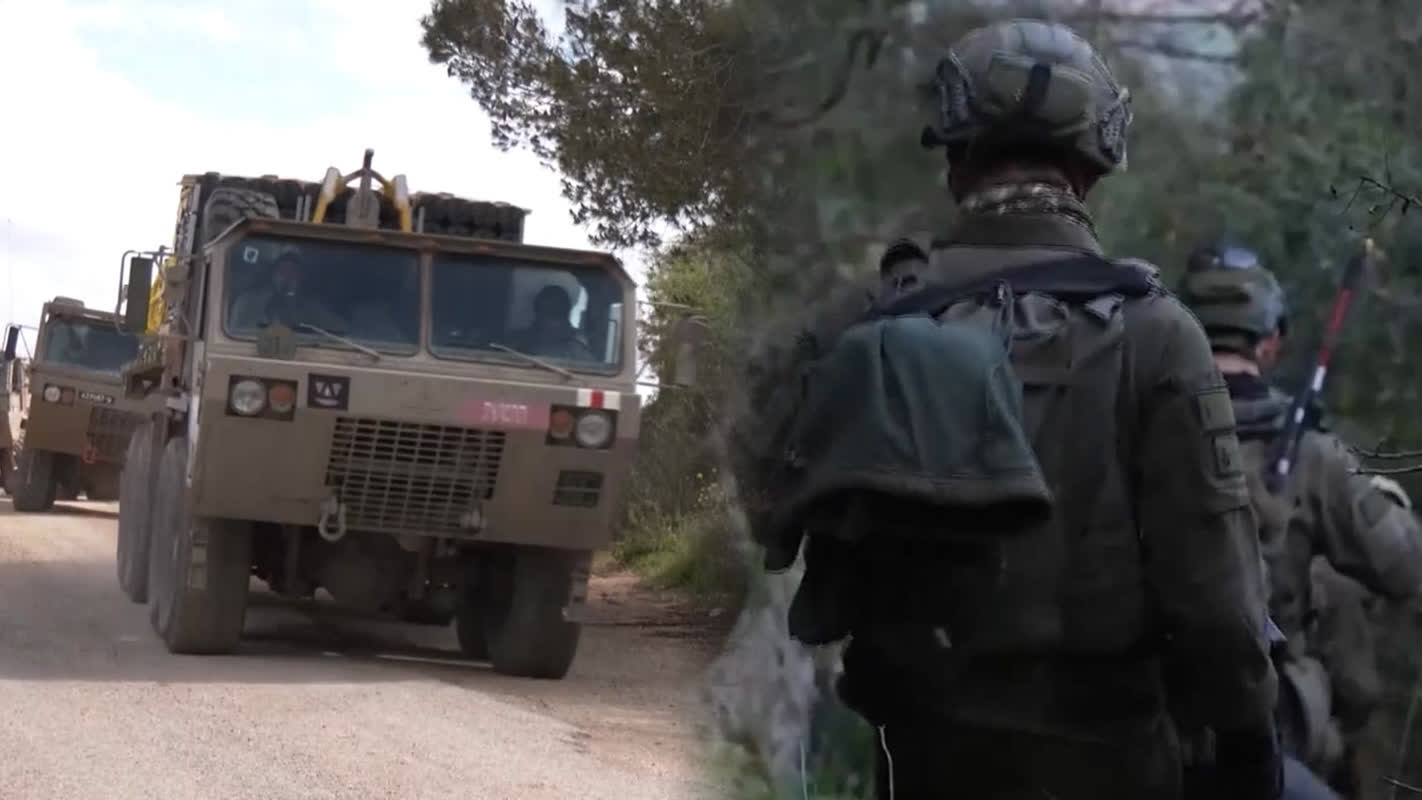
Overnight reports that Iran launched drone and missile strikes at countries surrounding Israel have heightened tensions along the border here.
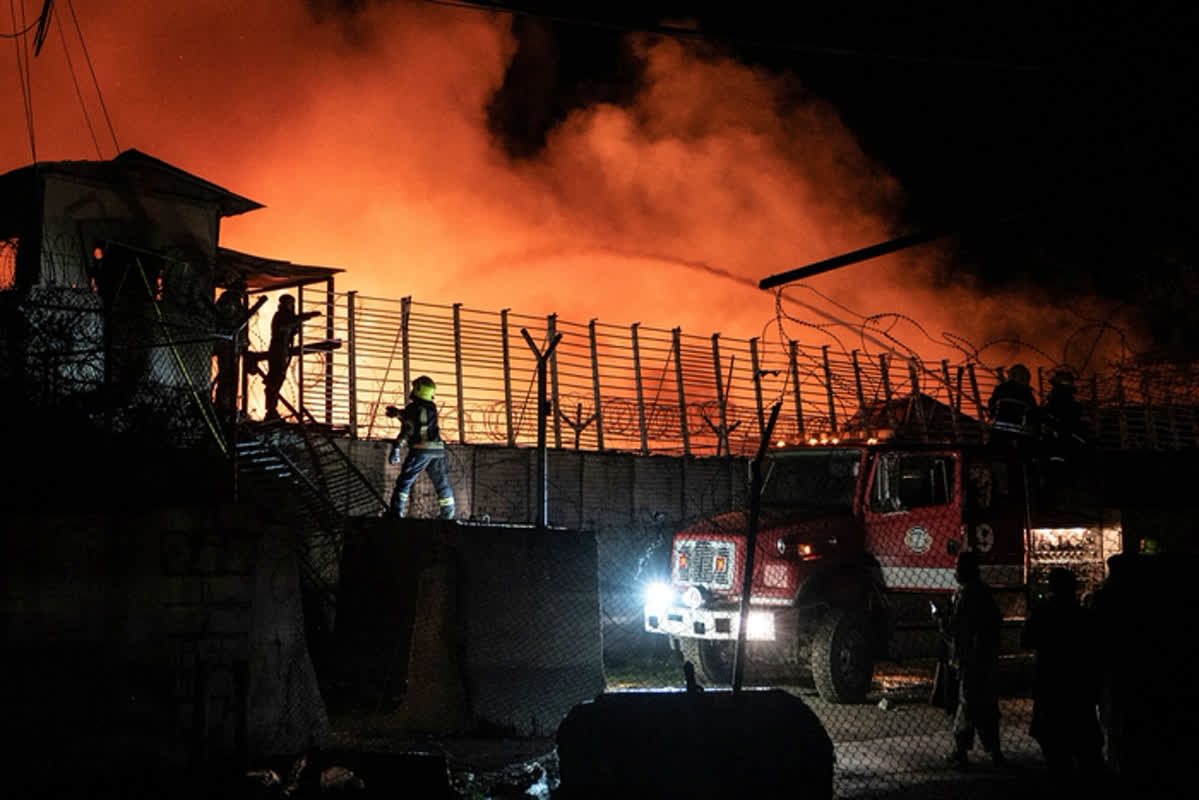
Yesterday, shortly after the U.S. warned it would mount its most intense strike on Iran, U.S. forces struck targets including Tehran. Residents described the aftermath as like being in hell.
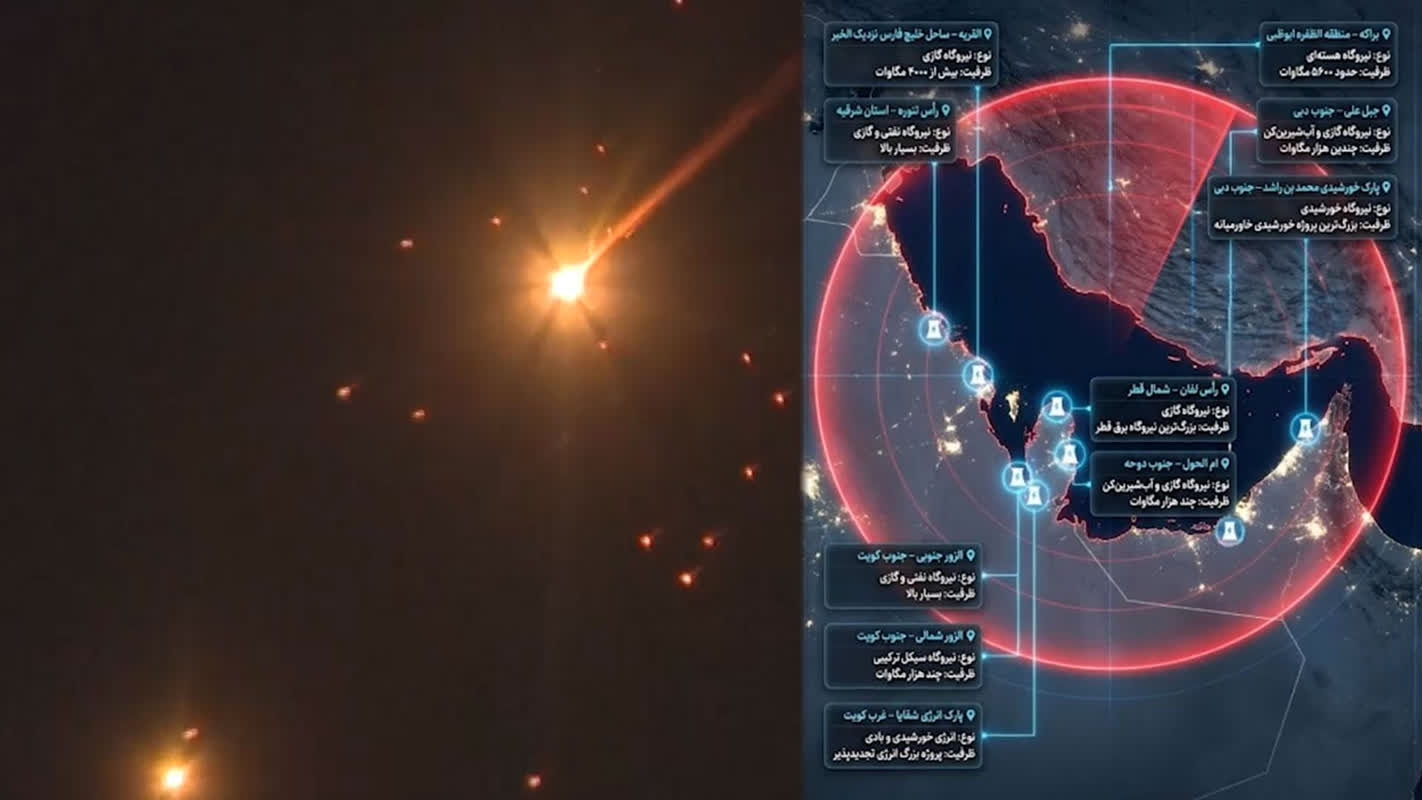
Around the same time, Iran’s Islamic Revolutionary Guard Corps warned it would conduct its own large-scale, powerful operations and began striking countries near Israel.
Egypt has so far reported no direct damage. International outlets say Iran also targeted U.S. diplomatic and military facilities in Iraq with drones and missiles, and launched missile strikes toward the U.S. naval base in Bahrain — actions that signal attacks aimed at the United States.
Israel responded forcefully as well.
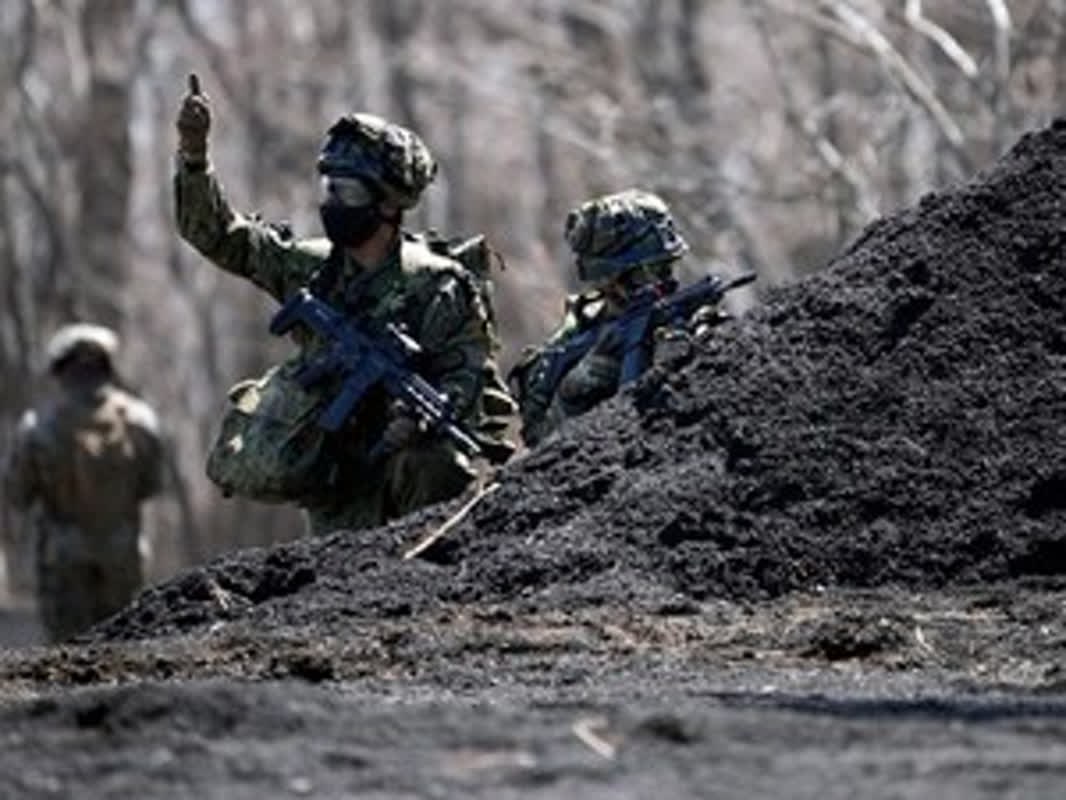
The government added 18 trillion KRW (13.5 billion USD) to this year’s defense budget and signed a new contract with U.S. defense contractor Boeing to buy 5,000 new air-launched precision-guided munitions, steps intended to boost its strike capability.
Yesterday we reported that 39 South Korean nationals fled Israel and sought refuge in Egypt. About half will fly to Turkey and are scheduled to return to Korea tomorrow. The remainder will stay in Egypt for now to monitor conditions and decide their next moves. South Korean nationals here are closely tracking developments across the region.
Park Hyun-woo, Yonhap News TV, Cairo.
[Live connection: Moon Won-chul]
For Yonhap News TV story inquiries and tips: KakaoTalk/LINE jebo23
Park Hyun-woo (hwp@yna.co.kr)