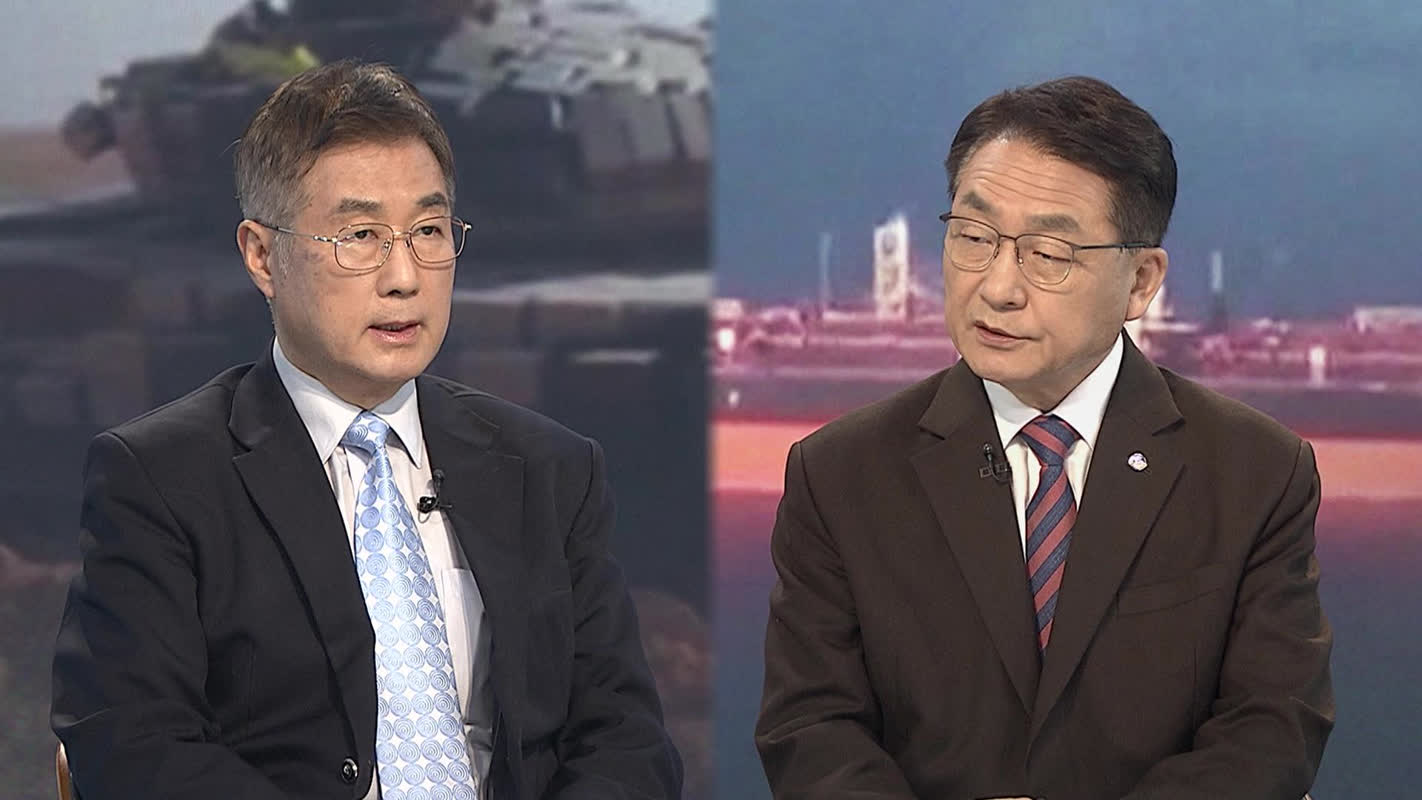
「Guests: Yang Wook, Research Fellow, Asan Institute for Policy Studies · Kim Deok-il, Research Fellow, Korea University Ayon Center for Middle East & Islam」
As the U.S. and Israel’s war with Iran moves into its fourth week, clashes between U.S., Israeli and Iranian forces are escalating.
Analysts say the Middle East has reached a turning point as President Trump’s 48-hour ultimatum nears its deadline, now less than a day away.
We spoke with Yang Wook of the Asan Institute and Kim Deok-il of Korea University’s Ayon Center to break down the implications.
「Question 1」 President Trump gave Iran 48 hours to fully relinquish control of the Strait of Hormuz; that statement arrived yesterday morning local time. With under 24 hours remaining, what do you expect from the administration next? Is the U.S. likely to move to strike or otherwise disable Iran’s power infrastructure?
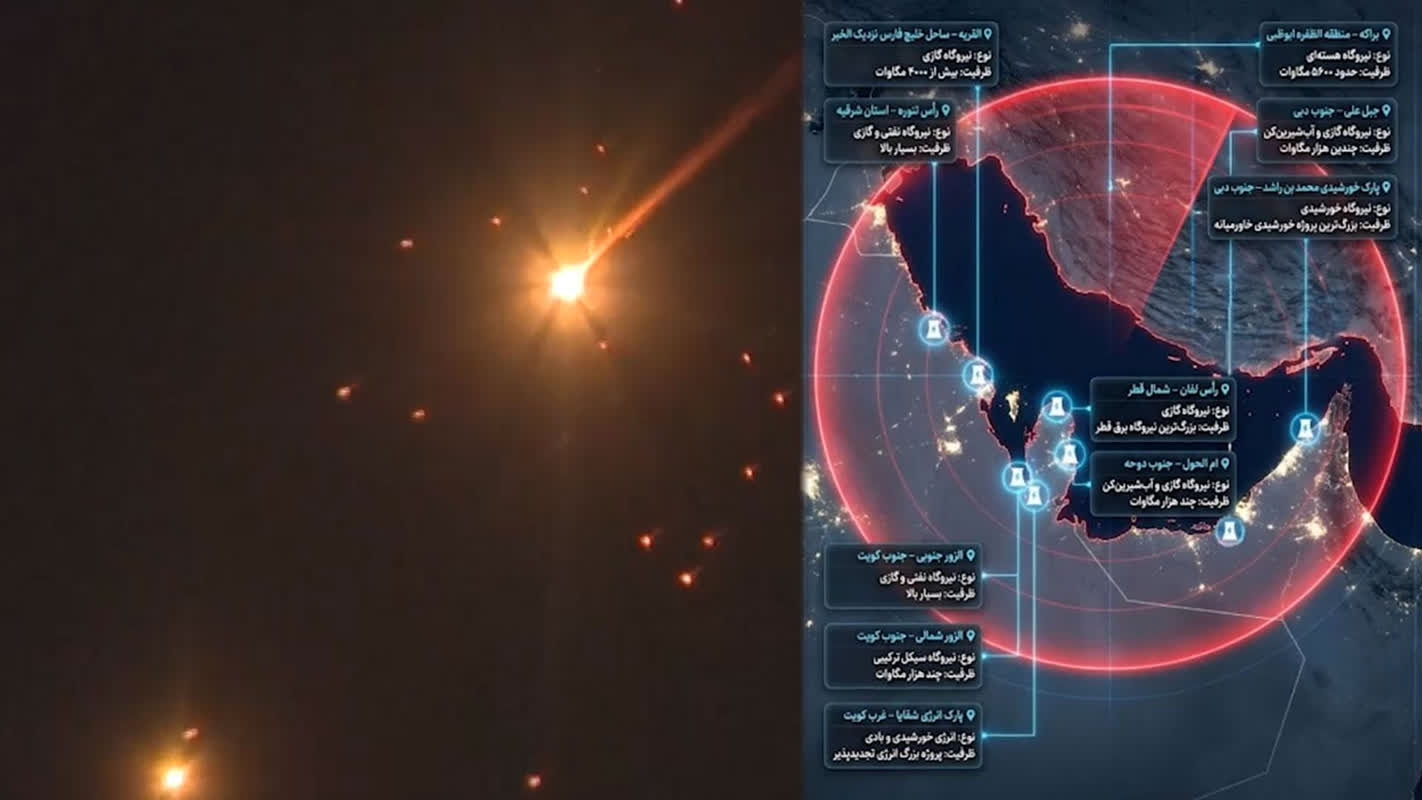
「Question 2」 Iran has vowed to fight to the end, threatening a prolonged closure of the Strait of Hormuz and attacks on U.S.-linked energy facilities across the region. How do you assess Tehran’s posture and its strategic aims?
「Question 2-1」 Despite U.S. threats of overwhelming retaliation, Iran says it will allow passage for vessels not linked to hostile states and insists diplomacy remains a priority. What calculations lie behind that stance?
「Question 2-2」 Multiple international outlets report that thousands of U.S. Navy and Marine forces are deploying to the region. How likely is a direct U.S.-Iran confrontation over control of the Strait of Hormuz?
「Question 3」 Reports say the Trump administration has begun preliminary planning for talks with Iran and has outlined six demands: a five-year halt to Iran’s missile program; a full ban on uranium enrichment; dismantling key nuclear facilities to neutralize nuclear and missile capabilities; strict external monitoring of centrifuge production; an arms-reduction agreement; and a prohibition on support for proxy groups such as Hezbollah, the Houthis, and Hamas. Observers note these conditions echo pre-war Geneva-era proposals and that Tehran has repeatedly rejected similar terms. How realistic are these demands as a basis for negotiations?
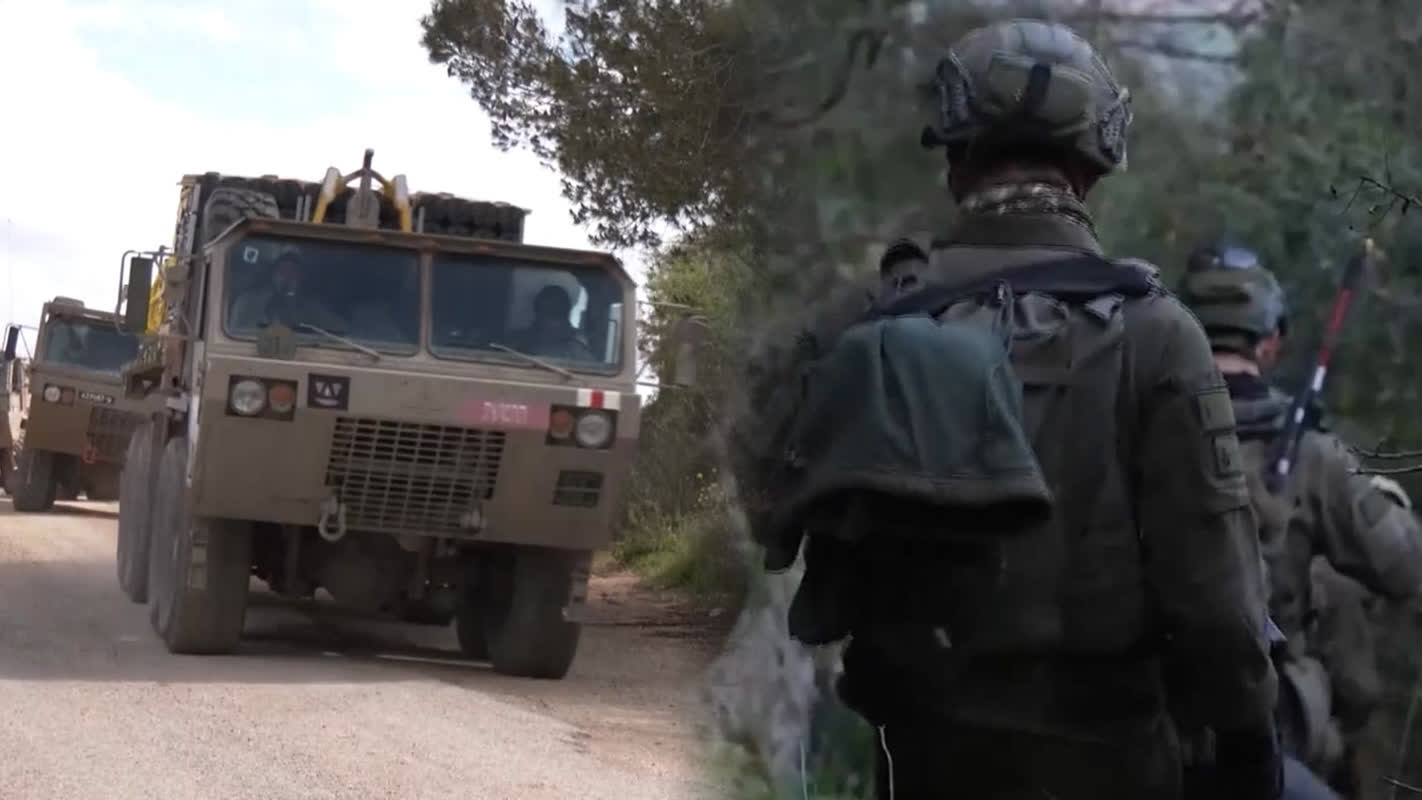
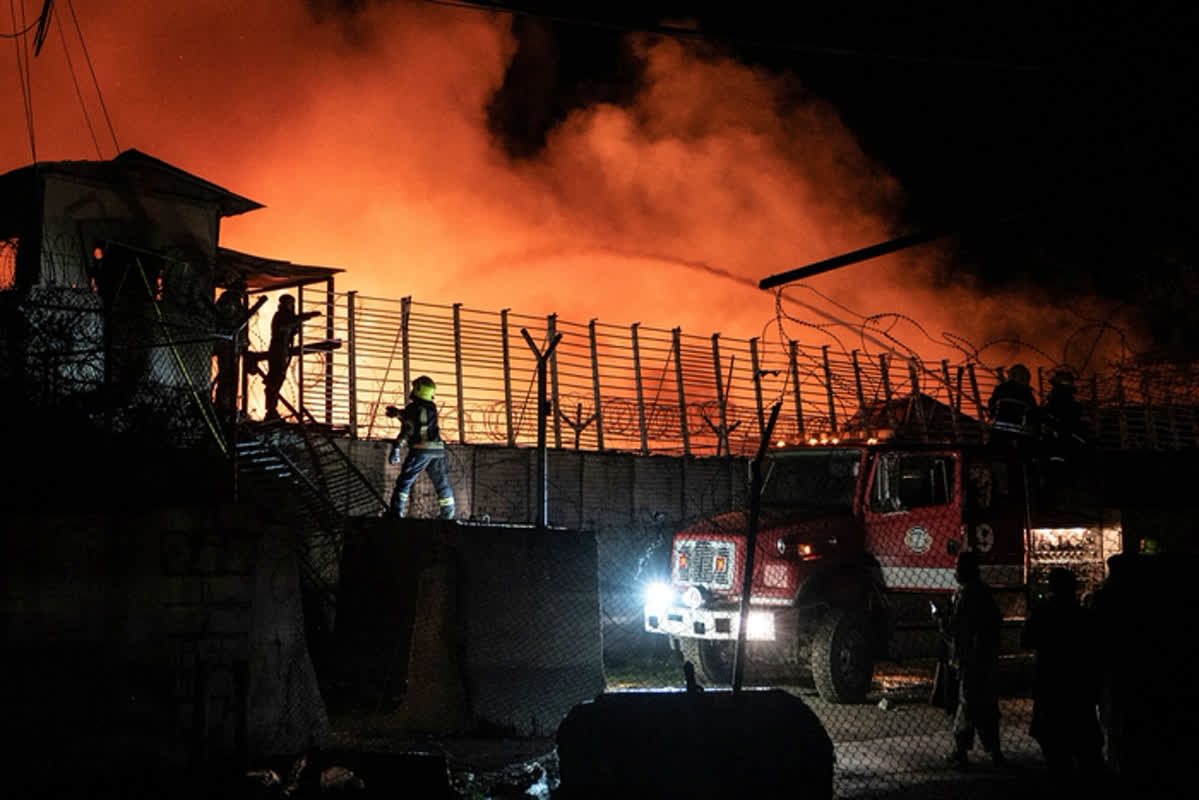
「Question 4」 In response, Israel has intensified strikes on key infrastructure—including the Litani River bridge in southern Lebanon—and has formally announced plans to expand ground operations. Military leaders say a ground campaign could begin next week. Do these moves point to an imminent ground invasion?
For Yonhap News TV reporting and tips: KakaoTalk/LINE jebo23
Yoo Yeon-hee (rjs1027@yna.co.kr)