Fashion labels that teamed up with Anta Sports, China’s largest sportswear maker, say their quiet anxieties are growing. Partnering with Anta—whose huge distribution and sales network has become the go-to “formula” for breaking into the Chinese market—has also solidified a power imbalance that keeps partners constantly watching Anta’s next move.
Industry sources say Musinsa recently joined South Korean President Lee Jae-myung’s state visit to China as part of an economic delegation. Musinsa is one of Korea’s fashion companies most focused on China; with an IPO on the horizon, overseas growth—especially in China—is crucial to bolstering its top line.
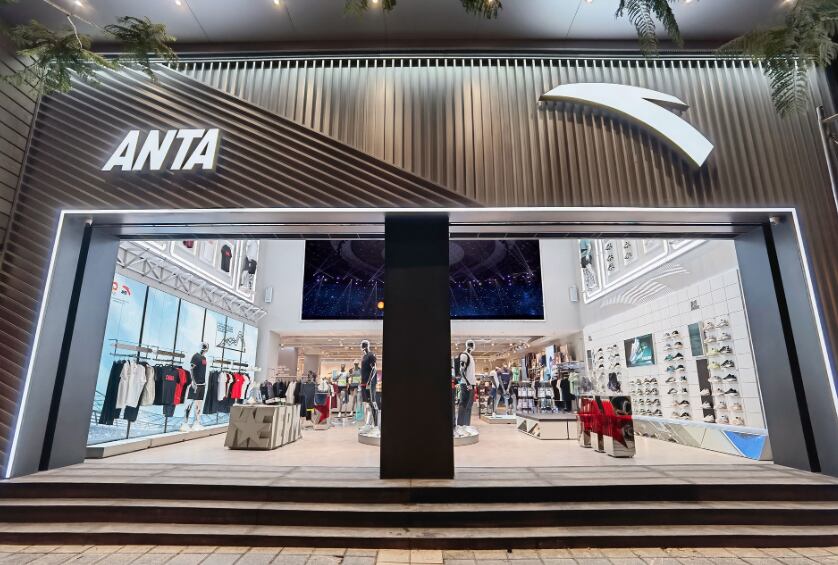
Musinsa entered China last August by forming a joint venture with Anta called Musinsa China. The brand opened its first overseas brick-and-mortar shop in Shanghai last month and plans to expand this year into prime shopping districts, including Nanjing East Road, Xujiahui, and Hangzhou.
Musinsa China is split 60/40. While Musinsa holds a larger stake on paper, sources say Anta has driven decision-making. Anta reportedly invested with the aim of turning Musinsa Standard into a guochao (patriotic-consumption) SPA—an integrated manufacturing-and-retail label—to take on Japan’s Uniqlo. Working with Anta accelerated Musinsa’s China push, but sources say Musinsa bears the full risk if problems arise, such as government approvals. Insiders add that Anta offered little support around a mid-month Shanghai store launch event last month.
Other fashion players that entered China with Anta, including Kolon Industries FnC, report similar headaches. Even when products have no obvious issues, partners say they face repeated requests for fixes during inspections or find that nonstandard criteria are applied late in the process.
Anta is also said to introduce conditions that weren’t in the contract, prompting partners to reorganize shipping and launch schedules. It’s common for companies to absorb the cost of additional tests or procedures Anta demands on inventory that’s already been mass-produced.
An industry insider said, “Even if unfair things happen during transactions, there’s no one else that can handle the volume Anta takes on.” They added, “From a domestic company’s perspective, bargaining power inevitably weakens in the unfamiliar Chinese market.”
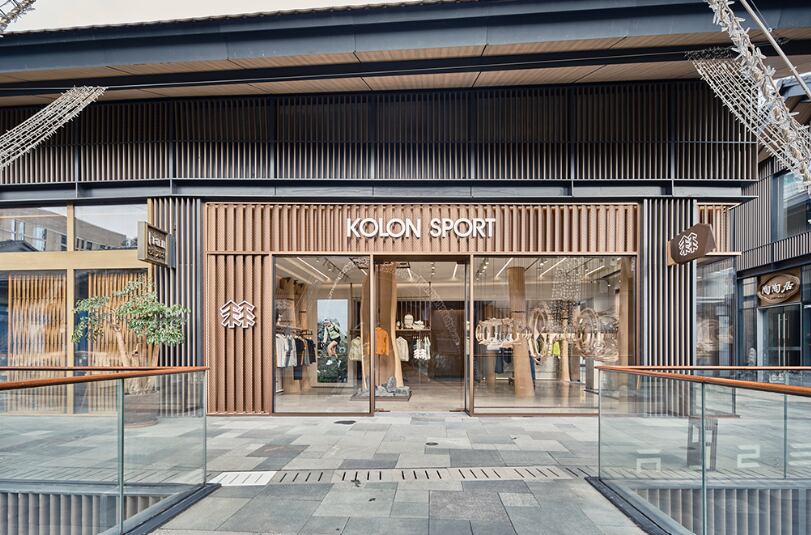
Kolon FnC set up Kolon Sports China in 2017 as a 50/50 joint venture with Anta. Its retail sales (consumer-price basis) climbed steadily: KRW 260 billion (about $195 million) in 2022, KRW 400 billion (about $300 million) in 2023, and KRW 750 billion (about $562.5 million) in 2024. Some analysts believe last year’s sales may have reached KRW 1 trillion (about $750 million).
Anta Sports has overtaken both Nike and Adidas to become the market-share leader in China. In 2019 it acquired Finland’s Amer Sports—which owns Arc’teryx, Salomon, Wilson, Atomic, and Suunto—expanding its influence on the global stage.