At Seoul's Dongdaemun Design Plaza (DDP), hanbok got a modern, modest makeover — designers reimagined the traditional silhouette through a global modest-fashion lens.
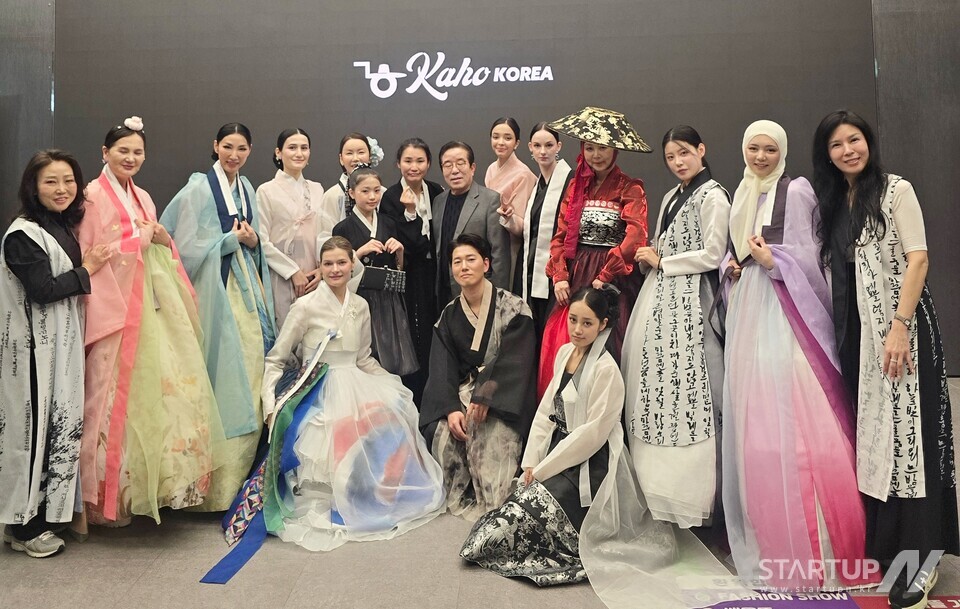
KAHO KOREA headlined the PSID International Textile & Fashion Exhibition on April 2 at the Seoul Fashion Creative Studio. Branded "K-Modest Hanbok," the collection blended classic hanbok shapes with modest-fashion details, including veil-inspired draping.
The runway drew diplomats and fashion insiders from Korea and abroad, signaling growing interest in positioning hanbok as a cultural asset with global appeal.
The show was tied to the Made in Namdaemun K-Goods initiative, linking runway creativity to the commercial heart of Namdaemun and showing one way local market-driven cultural industries might scale internationally.
Winners of the first Namdaemun Hanbok Model Contest shared the runway with international models, spotlighting homegrown modeling talent and its potential on global stages.
The production stretched beyond clothing, bringing together multiple creative disciplines for a more immersive experience.
Hair and makeup were led by Director Eonju Lee, CEO of Mabel Boutique, who drew on nearly two decades in beauty to fuse traditional motifs with contemporary K-beauty sensibilities, helping to unify the show's visual story.
Choreographer Kim Mul-gyeol introduced a contemporary dance piece titled "Moonlight Lovers," adding narrative tension and theatrical momentum to the runway.
The collection also folded fine art into fashion: select hanbok skirts reinterpreted Vincent van Gogh works alongside pieces by artists affiliated with the International Culture Forum, turning garments into wearable canvases.
The lineup included 27 hanbok pieces that preserved traditional structure while layering in veil styling to appeal to the growing global modest-fashion market — a category defined by clothing that minimizes exposure for cultural or religious reasons and one that's seeing steady commercial growth.
Industry observers warned of challenges. Entering the modest-fashion market requires deep cultural and religious sensitivity and long-term brand positioning. The real test is adapting hanbok for broader audiences without erasing its identity.
Ryu Su-jeong, CEO of KAHO KOREA, described the show as a case study in cultural convergence. "This project demonstrates how hanbok can serve as a platform combining fashion, beauty, performance, and art," she said, noting plans to expand globally through continued collaboration with the Namdaemun-based K-Goods initiative.
The second Namdaemun Model Contest is scheduled for September 2026, with organizers aiming to build a talent pipeline that connects domestic performers to international opportunities.
The event underscores how traditional, market-based industries can intersect with global cultural-content strategies. As Korean fashion continues to evolve, attention is turning to how heritage pieces like hanbok can be thoughtfully repositioned for international audiences.