If you wash your face every morning and the towel you press against your skin smells musty and sour, there’s no worse way to begin the day.
On humid days or during the rainy season, a strong-smelling fabric softener can mix with that odor and make things worse. In those cases, sodium percarbonate offers a practical solution. Instead of buying expensive specialty detergents, try using sodium percarbonate to tackle the issue.
How to wash towels
Sodium percarbonate provides strong alkalinity and oxygen-rich foam for sanitation. Paired with salt, which helps preserve color and supports the kill-off of microbes, it removes old grime and trapped odors ordinary detergent can’t. A final rinse with citric acid restores pH balance, softens fibers, and leaves towels free of residual detergent for a safer wash.
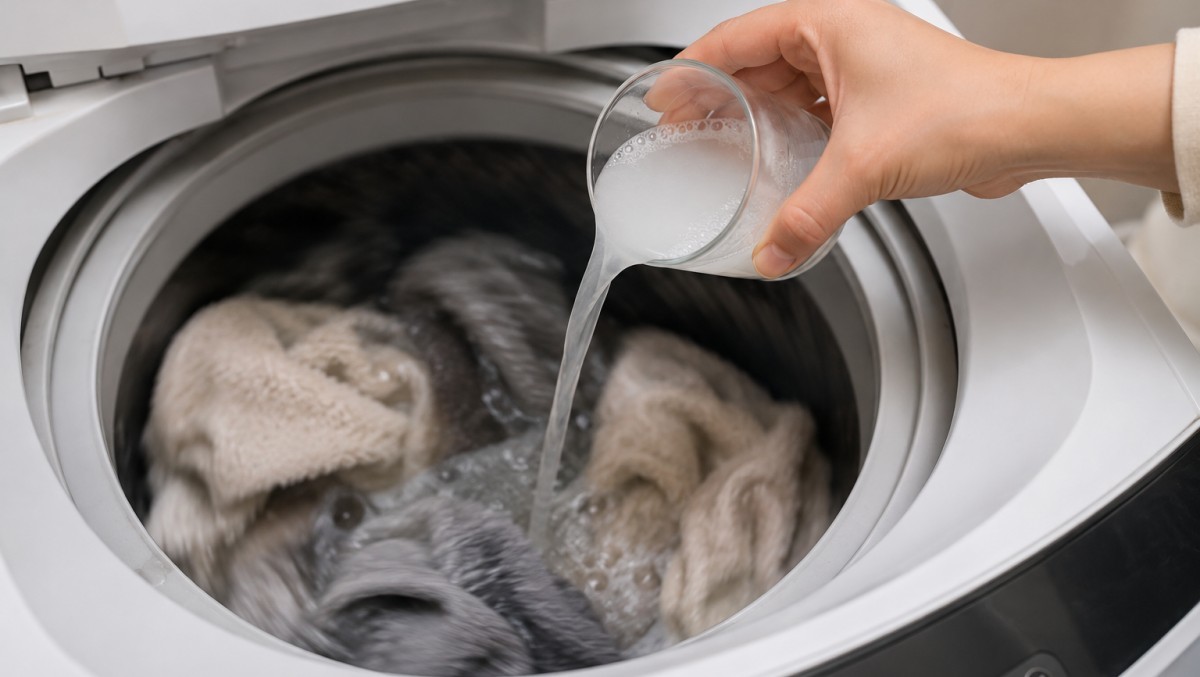
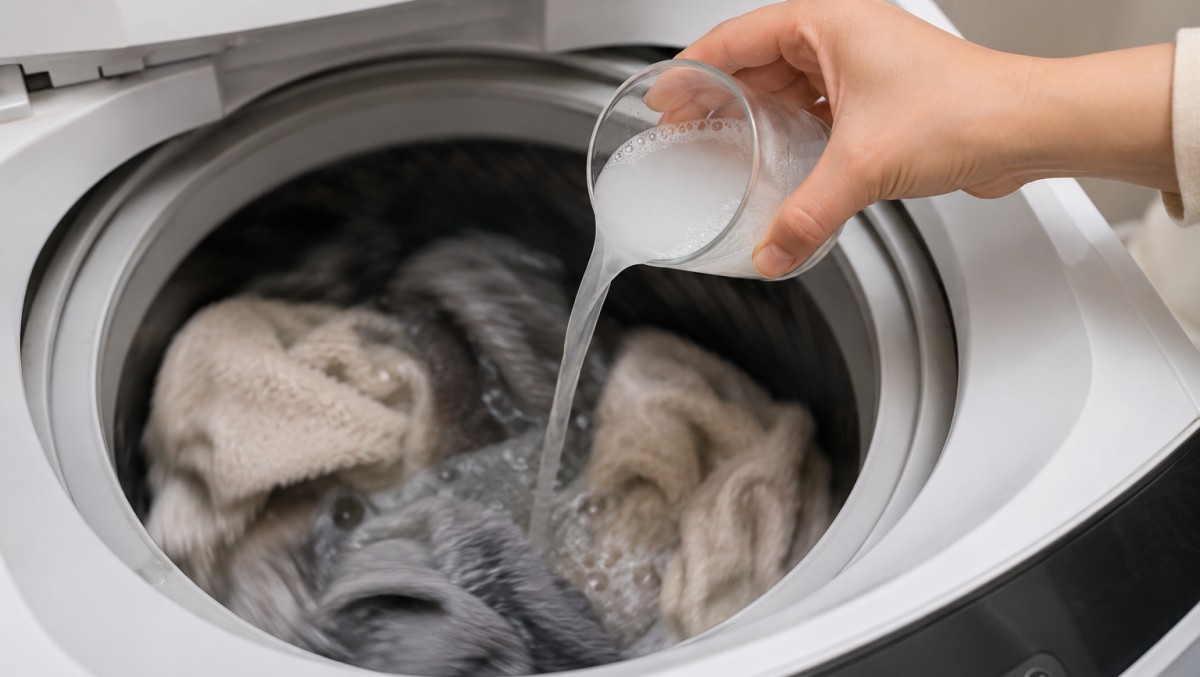
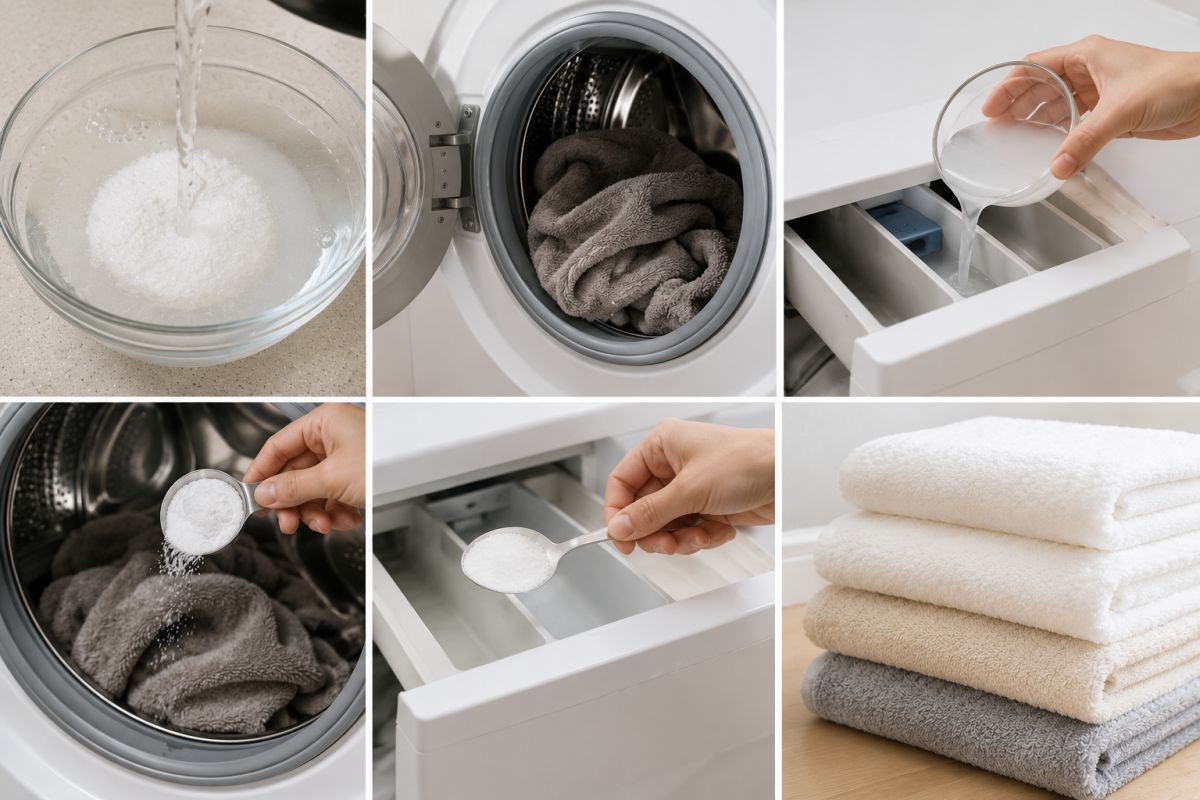
According to the YouTube channel “Bomjibsa,” dissolve about 1/3 cup of sodium percarbonate in hot water. Place the towels in the washer, then add the dissolved sodium percarbonate along with salt.
For the rinse, add about 2 tablespoons of citric acid. After the cycle finishes, you should notice the musty odor is gone. Finish by running the towels through the dryer to complete the cleaning.
The roles of sodium percarbonate, salt, and citric acid
Sodium percarbonate releases oxygen when it meets water and forms an alkaline solution. The oxygen-rich foam penetrates fabric, oxidizes microbes, and breaks down protein-based soils. It works most effectively in warm water between 40–60°C (104–140°F), where sterilizing action is strongest.
Using salt and citric acid with sodium percarbonate improves results. Salt (sodium chloride) helps prevent dye bleeding and preserve towel color. It also exerts osmotic pressure that draws moisture from bacteria, aiding in their elimination.
Rinsing alkaline-treated towels with acidic citric acid brings the pH back toward neutral, preventing fibers from stiffening and minimizing skin irritation. Unlike many commercial fabric softeners, citric acid preserves absorbency while helping towels stay soft and fluffy.
Use sodium percarbonate around the house!
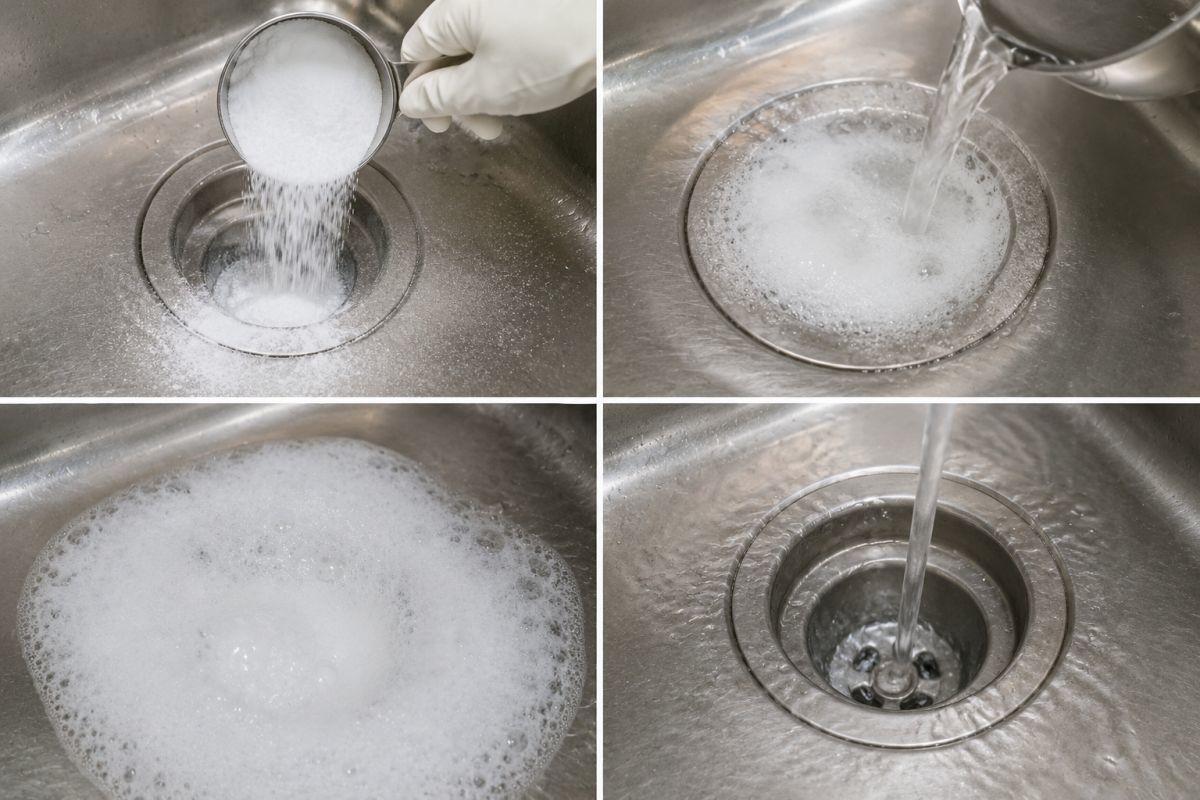
First, empty the drain strainer. Then sprinkle about 1 cup (roughly 200 g) of sodium percarbonate evenly into and around the drain. Slowly pour 2–3 paper cups of very hot water (above 80°C / 176°F) over it.
The sodium percarbonate reacts vigorously with the water and produces heavy foaming. That foam oxidizes and loosens organic buildup on pipe walls.
Run ventilation or open a window so you don’t inhale steam from the reaction. Let the foam sit for about 15–20 minutes, then rinse thoroughly with cold water to flush away residue and odors.
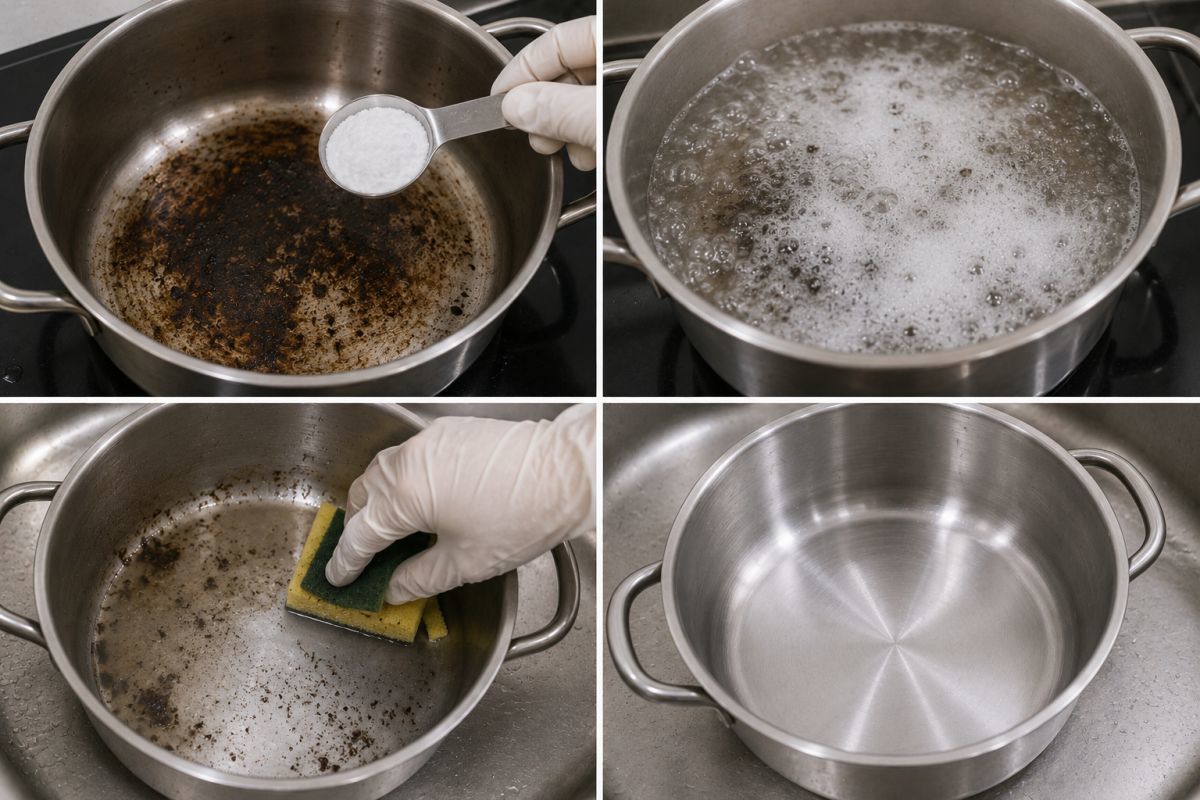
Fill a pot with enough water to cover the scorched area, then add 1–2 tablespoons (about 15–30 g) of sodium percarbonate depending on how badly it’s burned. Bring the water to a boil, then reduce to low and simmer for 5–10 minutes.
At high temperature, oxygen bubbles from decomposing sodium percarbonate penetrate between burned food particles. The scorched residue softens and separates from the metal surface.
Turn off the heat and, once the water cools slightly, scrub gently with a soft sponge; the burn marks should lift away smoothly.
Use it in the bathroom!
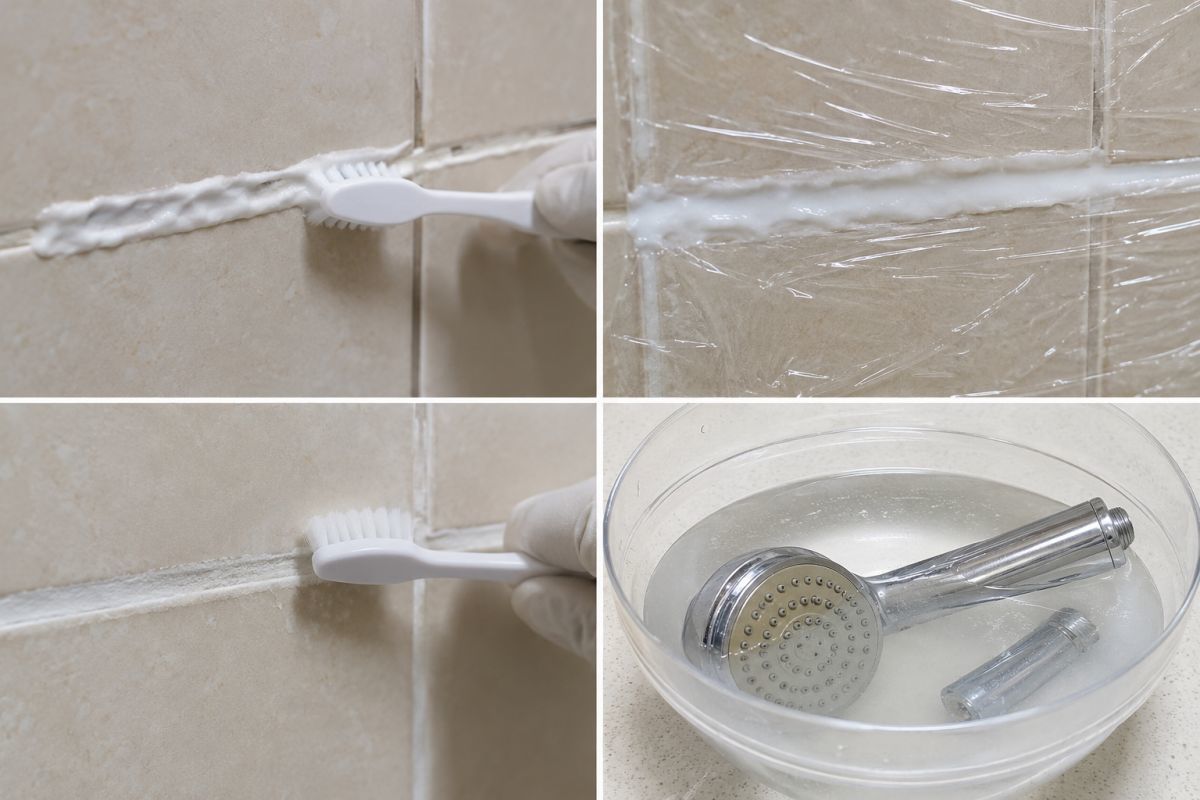
Mix sodium percarbonate and warm water in a 3:1 ratio to make a paste about the texture of toothpaste. Apply it generously to stained grout and let it sit for 30 minutes to an hour.
Concentrated active oxygen in the paste penetrates tiny grout pores and destroys mold more effectively than a liquid solution. After waiting, scrub with an old toothbrush or cleaning brush and rinse with water. For heavy buildup, cover the area with plastic wrap to prevent evaporation and boost cleaning action.
You can also disinfect showerheads by soaking them. Many showerheads are hard to clean from the inside, so immersion is the simplest option.
At home, fill a basin or zipper bag with warm water at about 40–50°C (104–122°F) and dissolve 1 tablespoon of sodium percarbonate. Detach the showerhead and submerge it completely in the solution.
After about an hour, limescale and residue inside the head should swell and loosen, making them easy to remove. Rinse the head under running water, reattach it, and run hot water for 1–2 minutes to flush out any remaining sodium percarbonate.
Precautions when using sodium percarbonate
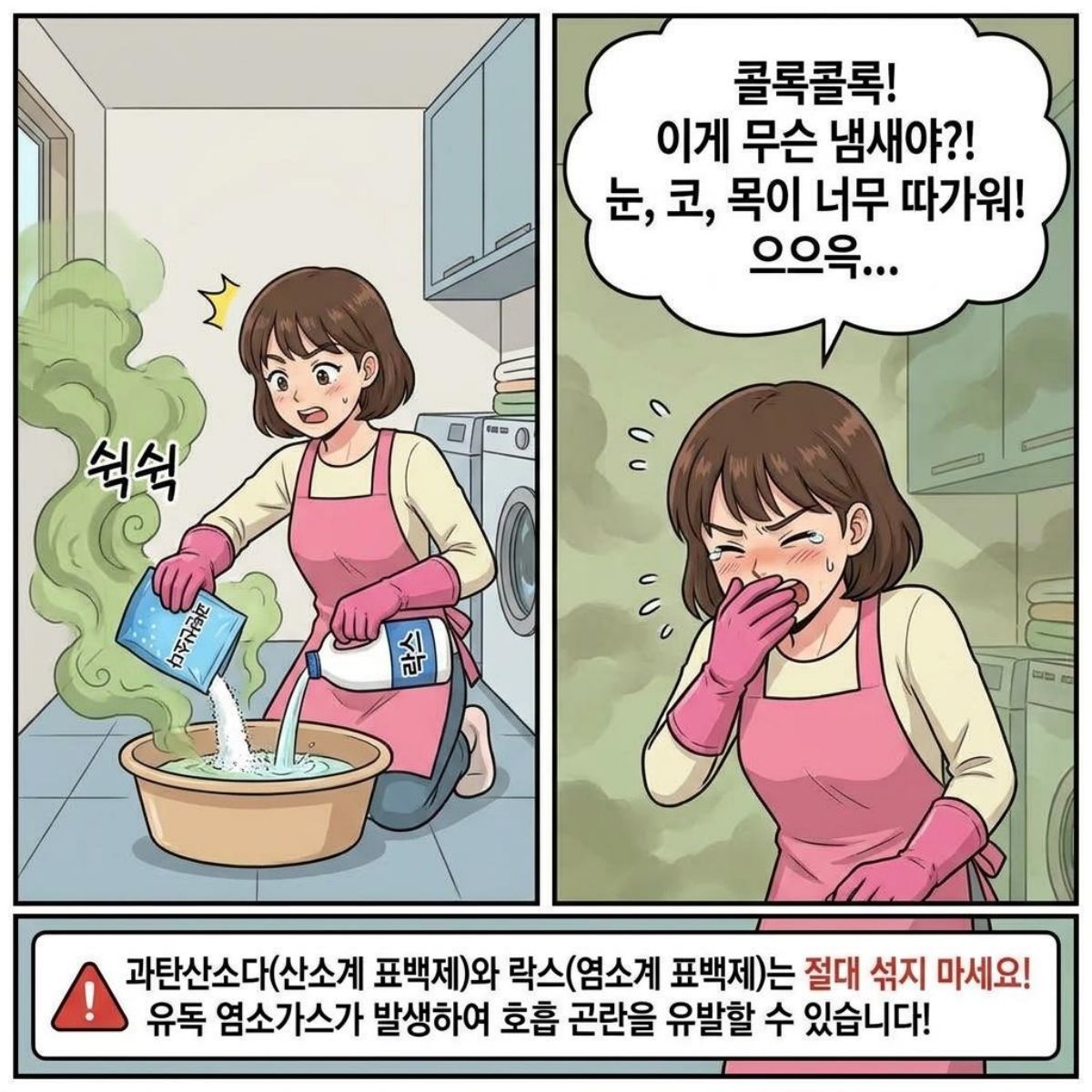
When an oxygen-based bleach like sodium percarbonate meets chlorine bleach, a rapid reaction can release toxic chlorine gas. That gas irritates the eyes, nose, and throat and, at high concentrations, can cause breathing difficulty or pulmonary edema. Use these products separately and never mix them.
Don’t overlook the risk of pressure buildup during storage. Sodium percarbonate reacts with moisture in the air and slowly releases oxygen. Storing dissolved sodium percarbonate in a sealed container or spray bottle can allow pressure to build, causing swelling or rupture. Use ventable storage bags or leave lids slightly open, and avoid storing dissolved solutions in spray bottles.
Check materials for corrosion or damage. Strong alkalinity can discolor or corrode aluminum, copper, and iron items (stainless steel is generally safer). For clothing, avoid sodium percarbonate on protein-based fibers like wool, silk, and leather; alkali can dissolve or shrink those fibers. Don’t use it on garments labeled for neutral-detergent-only care.
Protect yourself when handling it. Sodium percarbonate can break down proteins in the skin, so handling it with bare hands may cause dermatitis or burns — always wear rubber gloves. Dust or steam from dissolved powder can irritate the respiratory tract, so work in a well-ventilated area with windows open and an exhaust fan running.
Finally, dissolve it carefully to protect appliances. Sodium percarbonate doesn’t dissolve well in cold water, so adding the powder directly to the washer can leave undissolved granules that accumulate in drains or behind the drum. That buildup can promote mold or damage drain pumps. Always dissolve it completely in warm water (40–60°C / 104–140°F) and use it in liquid form.