UAE emerges as a new KF-21 partner, stepping in for Indonesia
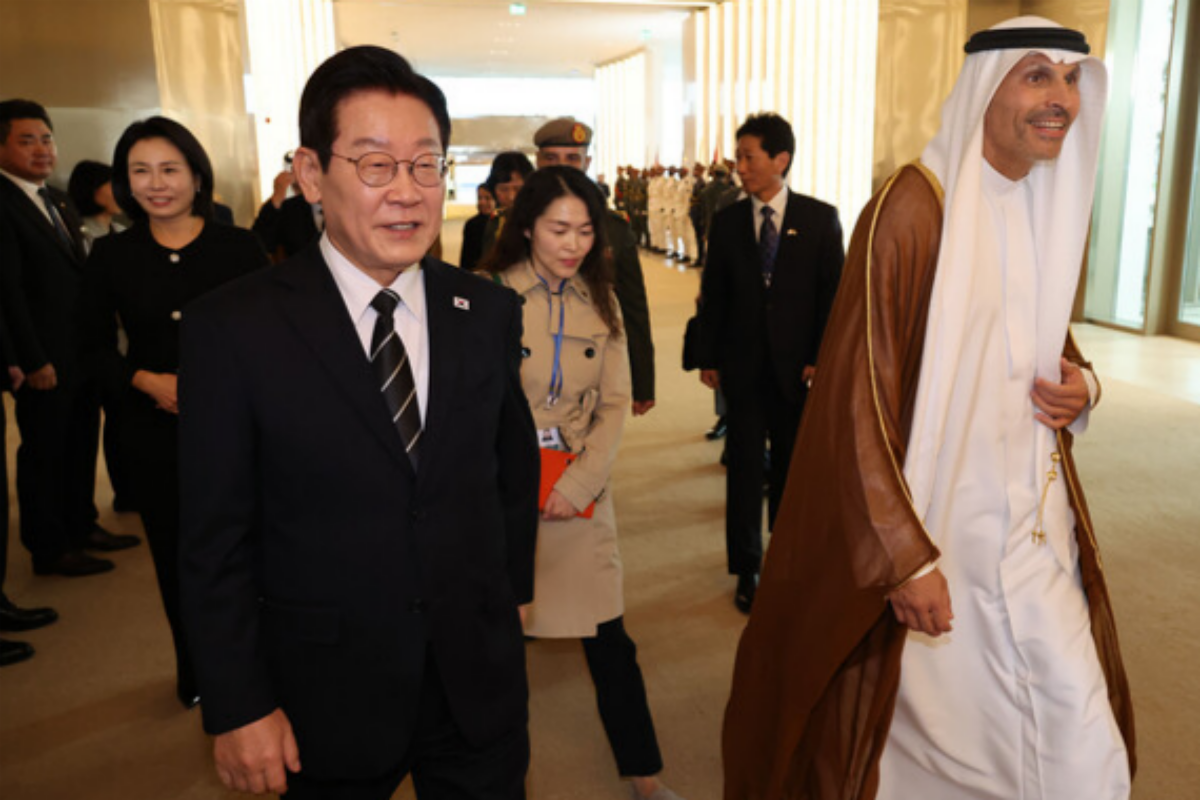
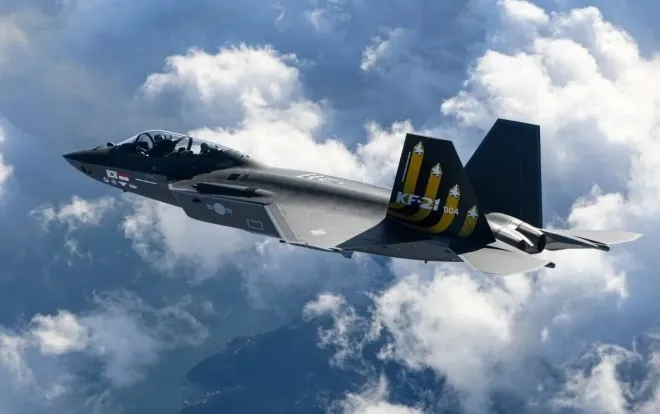
The KF-21 Boramae program has been plagued by uncertainty due to Indonesia’s repeated payment delays and demands for technology transfer. In recent months, the United Arab Emirates (UAE) has emerged as the leading candidate to fill that void. The UAE is already a major customer for South Korean defense exports after buying the Cheongung-II air-defense system in a deal worth about 4 trillion KRW (approximately $3 billion). It has now signaled formal interest in the KF-21. For Seoul, the UAE offers a financially strong, politically stable alternative to an unreliable Indonesia.
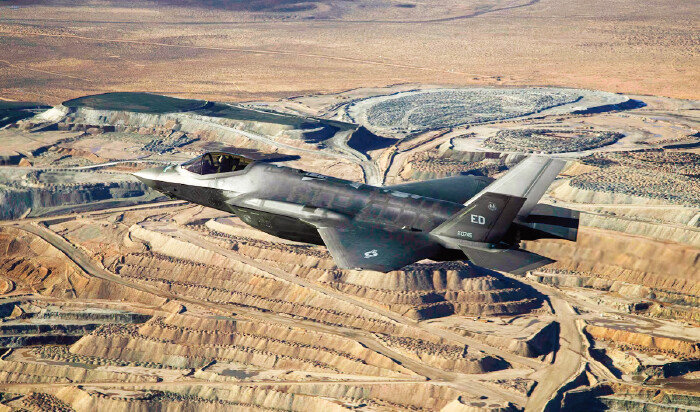
“If we can’t buy F-35s, we’ll build them together” — UAE’s bold move
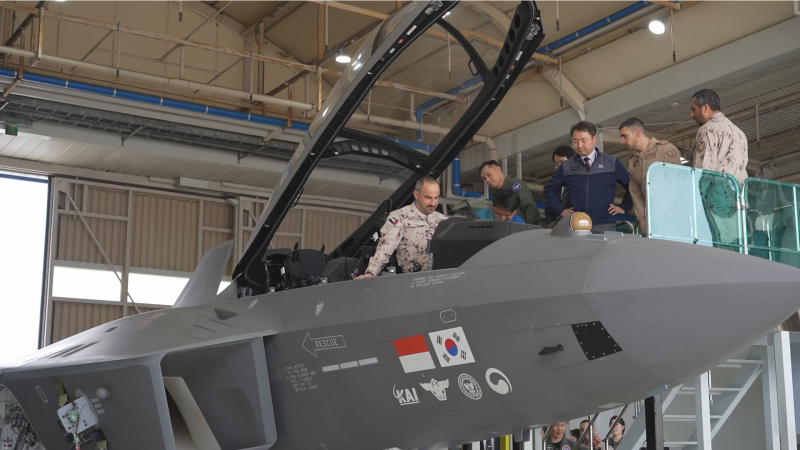
After more than four years of stalled talks with the U.S. over F-35 purchases, the UAE appears to have shifted strategy: if it cannot purchase the jet, it will pursue co-development. Gulf and regional outlets report the UAE sees the KF-21 not as a straight sale but as a comprehensive aerospace partnership that would include co-development, local production and joint exports to third countries. A South Korean Air Force official said a senior UAE air force officer inspected a KF-21 prototype and discussed cooperation models that would include performance upgrades and local production.
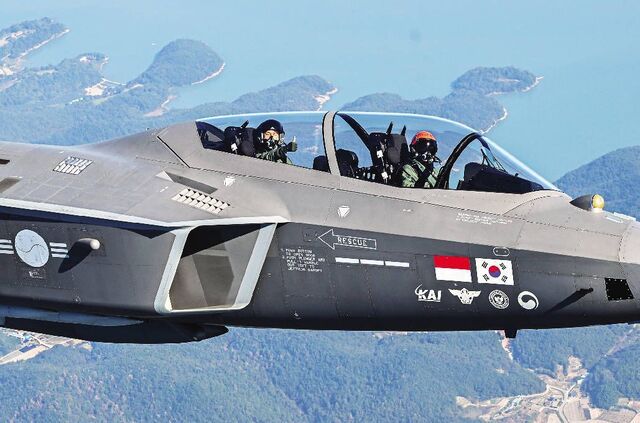
At least $15 billion (approximately 20 trillion KRW)…a roughly 20 trillion KRW deal to ease the Indonesia risk
Analysts in Korea and abroad estimate the KF-21 cooperation under discussion between Seoul and Abu Dhabi would be at least $15 billion (approximately 20 trillion KRW). If the partnership expands to include serial production, upgrades, additional UAE orders and joint exports, the economic impact would grow. That sum far exceeds the roughly 1.7 trillion KRW (approximately $1.275 billion) Indonesia was expected to contribute. The UAE deal could secure development funding and a built-in export market, giving the program an alternative sponsor and keeping the overall schedule on track even if negotiations with Indonesia are resolved unfavorably.
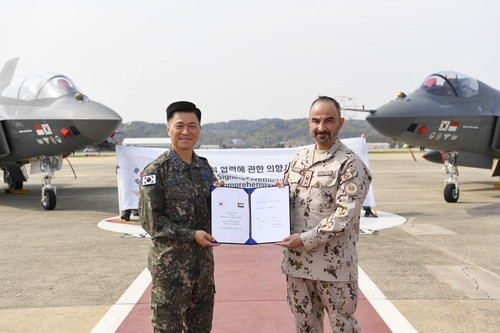
What the UAE really wants: Block 3 and the KF-21EX, the next-generation Boramae
The UAE’s focus is not on the Block 1–2 variants now entering production. It is targeting the Block 3 and derivative models that enhance internal weapons bays, stealth, and manned-unmanned teaming (MUM-T). South Korean reporting and industry analysis say the UAE is exploring a KF-21-based plan that would include
– a bespoke airframe shaped to UAE requirements,
– local production of some key components,
– and, over time, a bridge to technologies leading to 5th- and 6th-generation fighters.
That would give Korea both funding and a flight-test environment to accelerate stealth-enhanced and unmanned-compatible versions such as the KF-21EX.
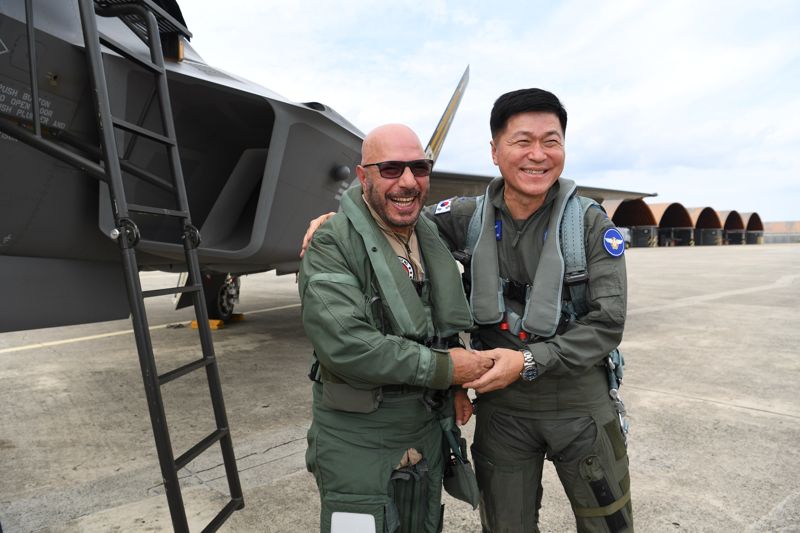
U.S. tech dependence and UAE–China ties: security hurdles to clear
Significant hurdles remain. The KF-21 currently relies on GE’s F414 engine and U.S. and European avionics, so any third-country co-development or tech transfer would require U.S. re-export approvals. Washington is also watchful as the UAE expands military and economic ties with China. Seoul says it will consider cooperation models that include local production and phased technology transfers, but it insists on prior coordination with the U.S. and staged handovers for sensitive technologies such as stealth systems, engines and key sensors to minimize security risks.
'Beyond Indonesia pullout controversy, a chance to secure a Middle East foothold
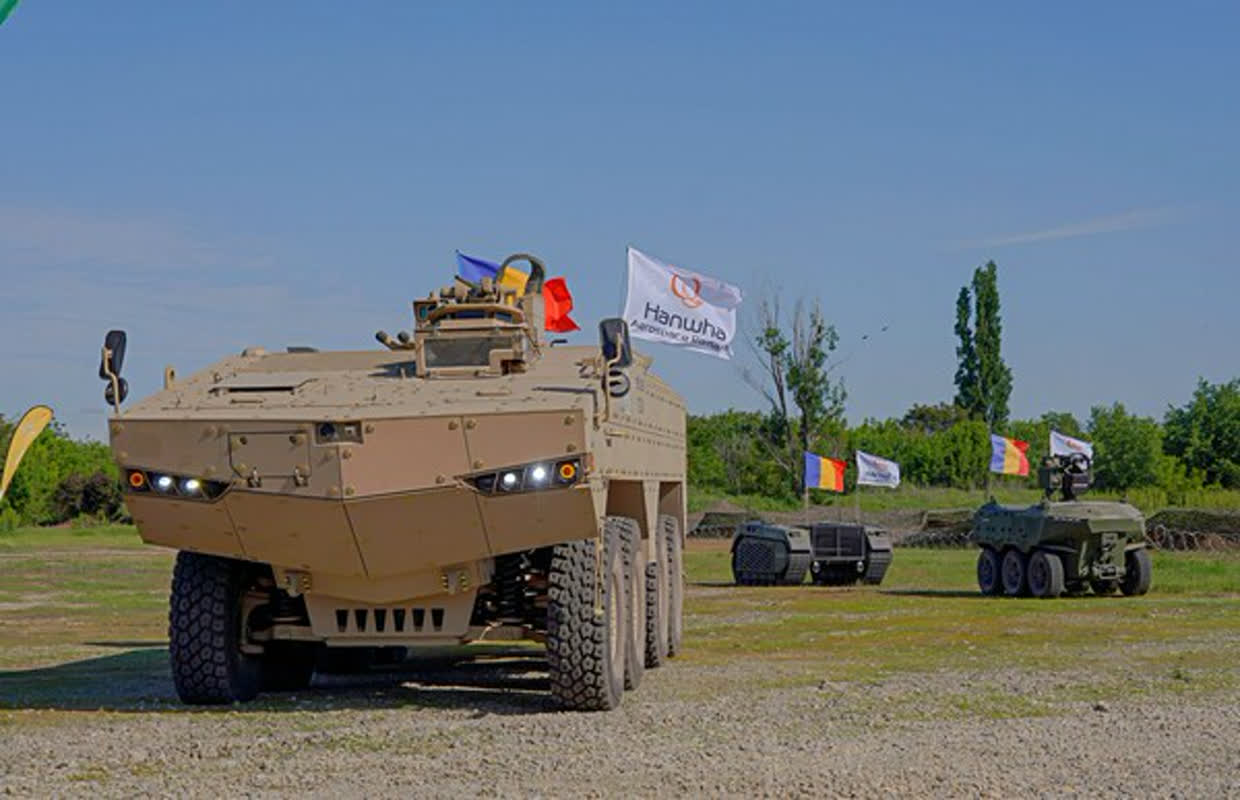
Indonesia, despite holding a 20% co-development stake, repeatedly clashed with Seoul over unpaid contributions, prototype transfers and demands for technology. If a partnership with the UAE materializes, South Korea could largely offset those risks and stabilize the KF-21 program politically and financially. It would also reinforce a package approach to Middle East defense ties: after Cheongung-II, the K9 howitzer and wheeled armored vehicles, adding the KF-21 would help Seoul build a regional defense hub. For the UAE, the payoff would be possession of a combat jet it helped develop rather than buying an off-the-shelf F-35.
“Boramae is just the start” — true game changer requires engine independence
Experts say UAE capital could scale the KF-21 program, but the real game changer would be domestic production of engines and other core systems. South Korea is pursuing a long-term program to develop a homegrown turbofan for KF-21-class fighters, targeting the mid-2030s and budgeting roughly 5 trillion KRW (approximately $3.75 billion). Analysts estimate domestic content has already surpassed 40%. If the UAE helps fund Block 3 and EX development while Korea achieves engine independence, the KF-21 could become a genuinely complete, domestically built fighter with fewer U.S. constraints on exports and upgrades. Many analysts view the Korea–UAE talks not merely as a sales negotiation but as a potential pivot for South Korea’s aerospace industry — a chance to move from a “partially developed” label to a full-fledged fighter developer.