Guests: Cha Doo-hyun, Deputy Director, Asan Institute for Policy Studies · Jeong Han-beom, Professor, Korea National Defense University
The White House, after President Trump, has left open the possibility of an early end to the war with Iran.
Iran and Israel’s positions remain key variables.
We’ll walk through the details with Cha Doo-hyun and Professor Jeong Han-beom.
Welcome.
「Question 1」 A White House spokesperson said, “The war will end when President Trump determines the military objectives have been fully achieved,” and stressed that it is not contingent on Iran’s formal surrender. Should we read that as the administration pursuing an exit strategy?
「Question 2」 What are the United States’ military objectives?
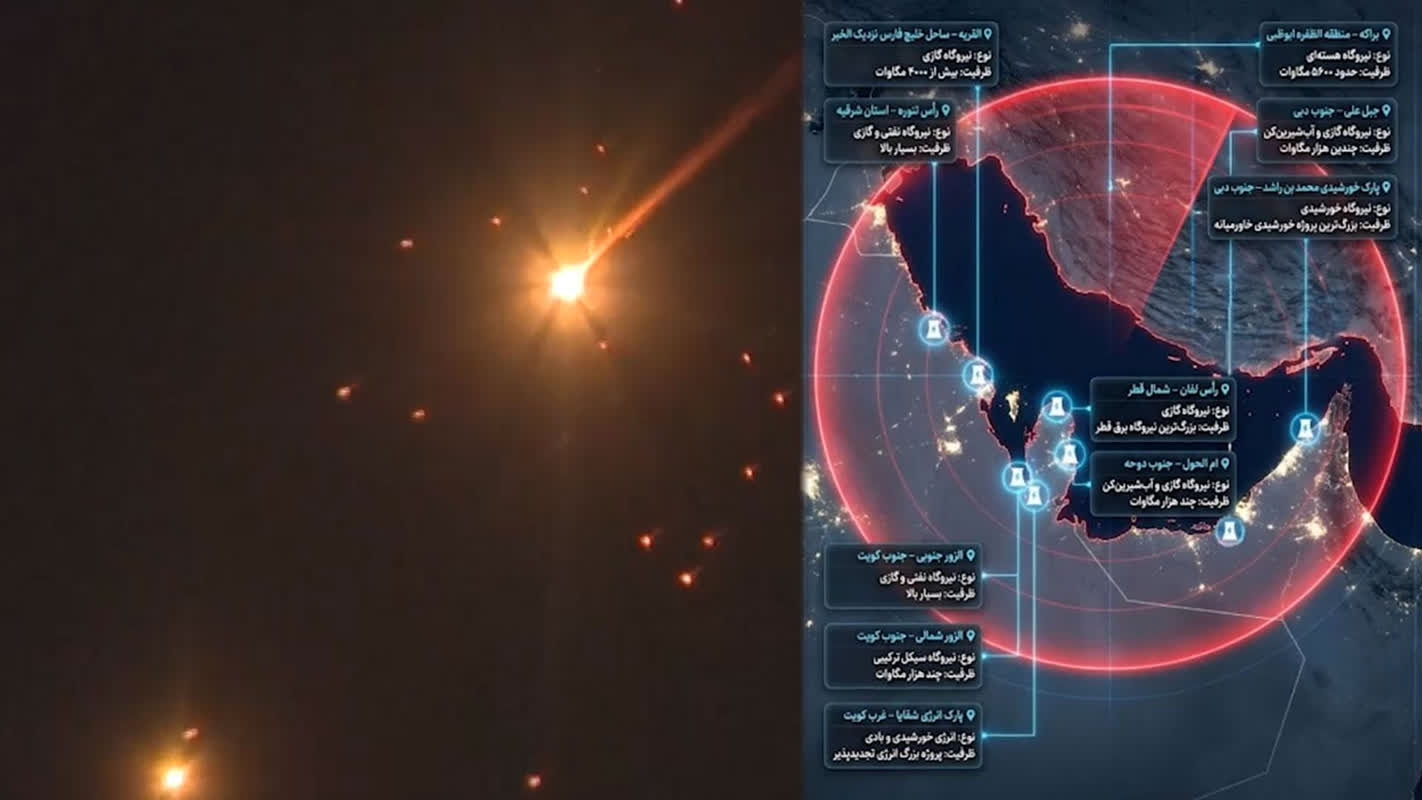
「Question 2-1」 After the U.S. defense secretary warned today could be the most intense day of strikes, U.S. forces launched strikes across Iran. Could those strikes reflect efforts to meet the White House’s stated military objectives? How would you assess the current phase of U.S. military operations?
「Question 3」 Immediately after President Trump hinted at an early end to the conflict, Iran pushed back, declaring, “We will decide the end of the war.” Reports say Iran twice rejected a ceasefire request reportedly sent by Trump’s side (The Guardian), and TASS reports Iran is demanding conditions to resume talks. What is Iran’s calculation here?
「Question 4」 Iran’s newly selected supreme leader, Moztaba Hameinei, has neither issued an official statement nor made public appearances, prompting speculation and even rumors of injury. Why might he be staying out of public view?
「Question 5」 The U.S. and Israel appear increasingly out of sync. Unlike President Trump, who seems to be searching for an exit, Israeli Prime Minister Netanyahu has warned the war will not end easily. After Israel carried out heavy strikes on Tehran oil storage facilities, reports say the Trump administration asked Israel not to carry out further attacks. Analysts argue the divergence reflects different end states and target sets. Do you agree with that assessment?
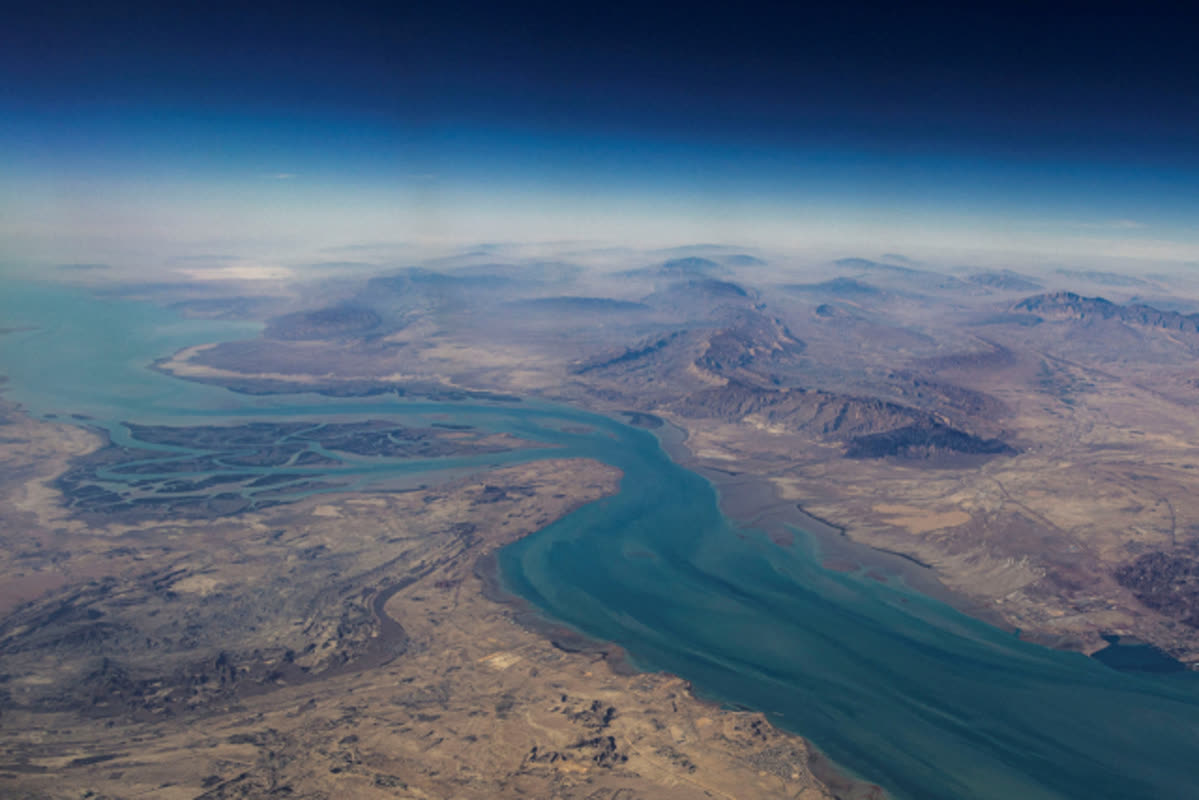
「Question 6」 With the crisis potentially dragging on and oil-price uncertainty rising, the conflict is spilling into naval confrontations around the Strait of Hormuz. Multiple reports suggest Iran has begun laying mines in the strait. What are the implications of mine-laying there?
「Question 6-1」 After Iran threatened to lay mines, President Trump warned Iran would face unprecedented military retaliation and U.S. forces destroyed 16 mine-laying vessels. Both sides appear to believe control of the Strait of Hormuz will determine the campaign’s outcome and are racing to secure it. Which side holds the operational advantage?
「Question 7」 Messaging from the U.S. government about the Strait of Hormuz has been inconsistent. The energy secretary posted on social media that the U.S. Navy had successfully escorted a tanker through the strait, then deleted the post as inaccurate. The White House spokesperson said the Navy did not conduct such an escort but called naval escort an option the president could use. Is a U.S. Navy tanker-escort mission likely?
「Question 8」 Amid the crisis, President Vladimir Putin has positioned himself as a mediator. He reportedly spoke with President Trump and with Iran’s President Masoud Pezeshkian about ways to end the conflict. Some analysts claim Putin is the biggest winner from this crisis. How do you assess Russia’s role and gains?
「Question 9」 Reports indicate the U.S. is drawing military assets from other regions into the Middle East, including some THAAD elements stationed in South Korea and Patriot missile stocks from the Indo-Pacific, raising concerns about U.S. weapons inventories.
「Question 9-1」 With U.S. air-defense assets based in South Korea being redeployed to the Middle East, worries are growing about gaps in defenses against North Korea. How serious is that risk?
That was Cha Doo-hyun, deputy director of the Asan Institute for Policy Studies, and Professor Jeong Han-beom of Korea National Defense University.
Thank you.
Yonhap News TV inquiries and tips: KakaoTalk/Line jebo23
Kim Dasom (dasomkkk@yna.co.kr)