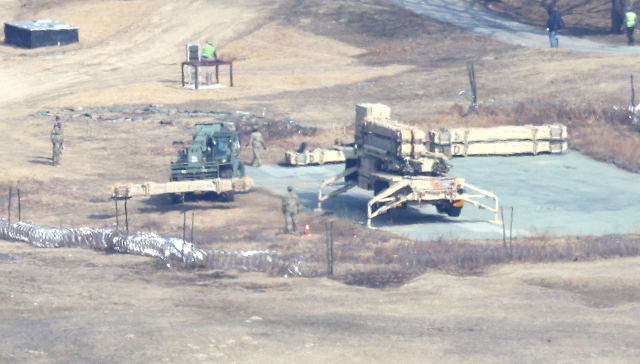
Late reports say U.S. forces have moved part of the Terminal High Altitude Area Defense (THAAD) system from the Seongju base in North Gyeongsang Province to the Middle East amid U.S. operations against Iran. Anti-THAAD activists responded by demanding the system's permanent removal, saying THAAD threatens South Korea's sovereignty and has no justification to remain on Korean soil.
The THAAD Withdrawal and Peace Coalition, an alliance of six groups that includes the Soseong-ri THAAD Withdrawal Seongju Residents' Countermeasure Committee, said on March 10 that U.S. officials confirmed six THAAD launchers were taken from the Seongju site and moved to a Middle East combat zone where U.S. and Israeli forces are engaged. The coalition said the transfer occurred without prior notice and without Seoul's knowledge, calling the original deployment illegal and accusing authorities of deceiving the public by insisting THAAD was essential for peninsula defense. The coalition described the removal as a clear violation of national sovereignty.
Earlier, The Washington Post reported on March 9 that U.S. forces were relocating some THAAD units stationed in South Korea to the Middle East. Closed-circuit footage at the entrance to the Soseong-ri village hall shows U.S. trucks carrying THAAD launchers leaving the village in succession beginning around 12:35 a.m. on March 3.
The coalition noted that a THAAD battery normally comprises six launchers. With those launchers gone, the system's operational configuration suggests THAAD is not primarily configured to defend South Korea from North Korean nuclear or missile threats. Instead, the coalition argued, the transfer amounts to a U.S. admission that THAAD's radar is intended to protect the U.S. homeland and U.S. forces in the Pacific from missile threats originating in North Korea and China.
That, the groups said, undercuts the long-touted justification that THAAD was deployed to defend against the North.
The coalition warned that the Iran conflict illustrates how U.S. assets forward-stationed in South Korea can be diverted anywhere the U.S. military deems necessary, turning those assets into tools of strategic flexibility. They said that dynamic risks dragging the Korean Peninsula into U.S.–China tensions or Middle East conflicts without Korean consent, potentially making the peninsula an early target in broader great-power or regional confrontations.
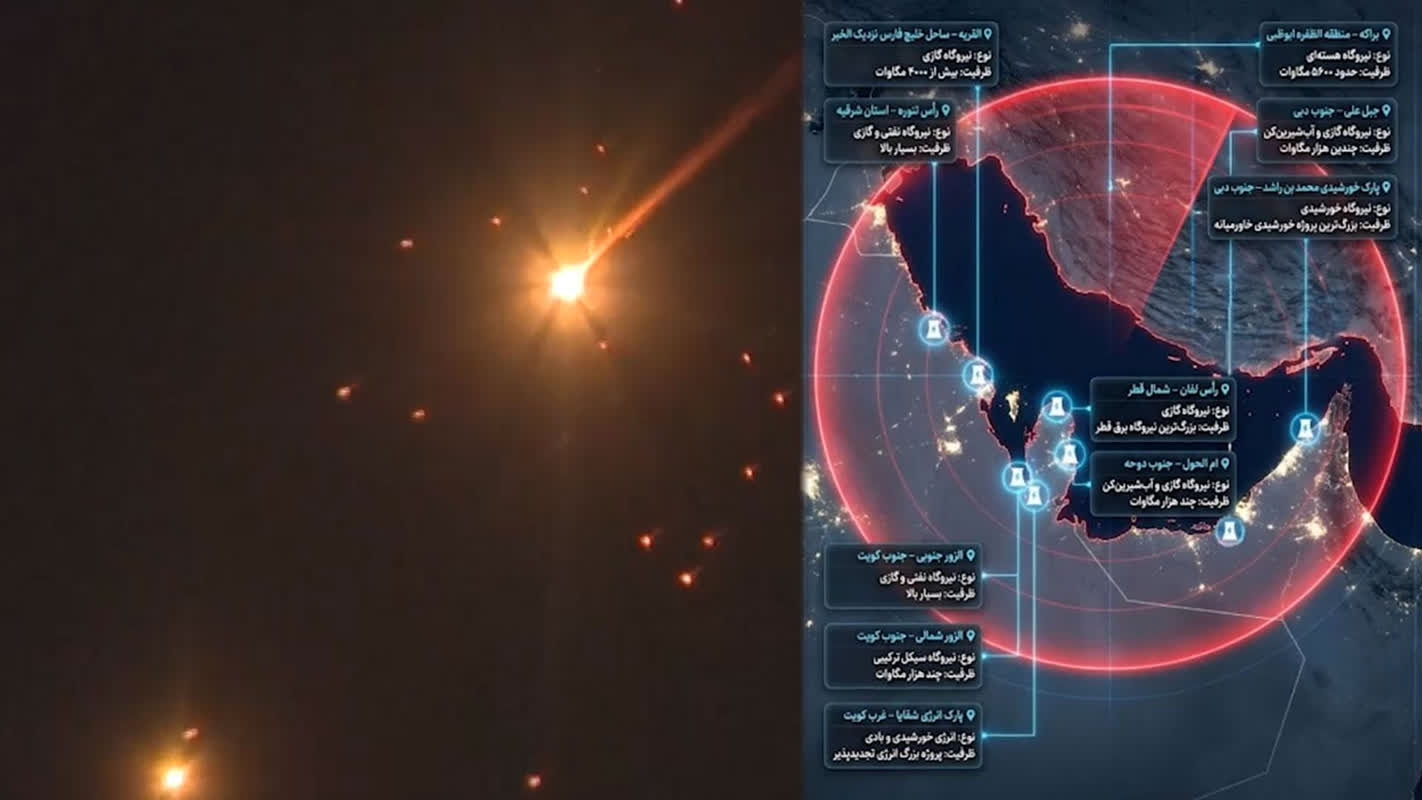
They added that Iran's retaliatory strikes against U.S. and Israeli targets have focused on THAAD radars and long-range detection systems deployed at allied sites in Jordan, Qatar, Saudi Arabia and elsewhere. The groups argued this demonstrates THAAD is more likely to draw the peninsula into conflict than to serve as a security bulwark, and they rejected the idea of exposing South Korean lives to what they called \"America's war games.\"
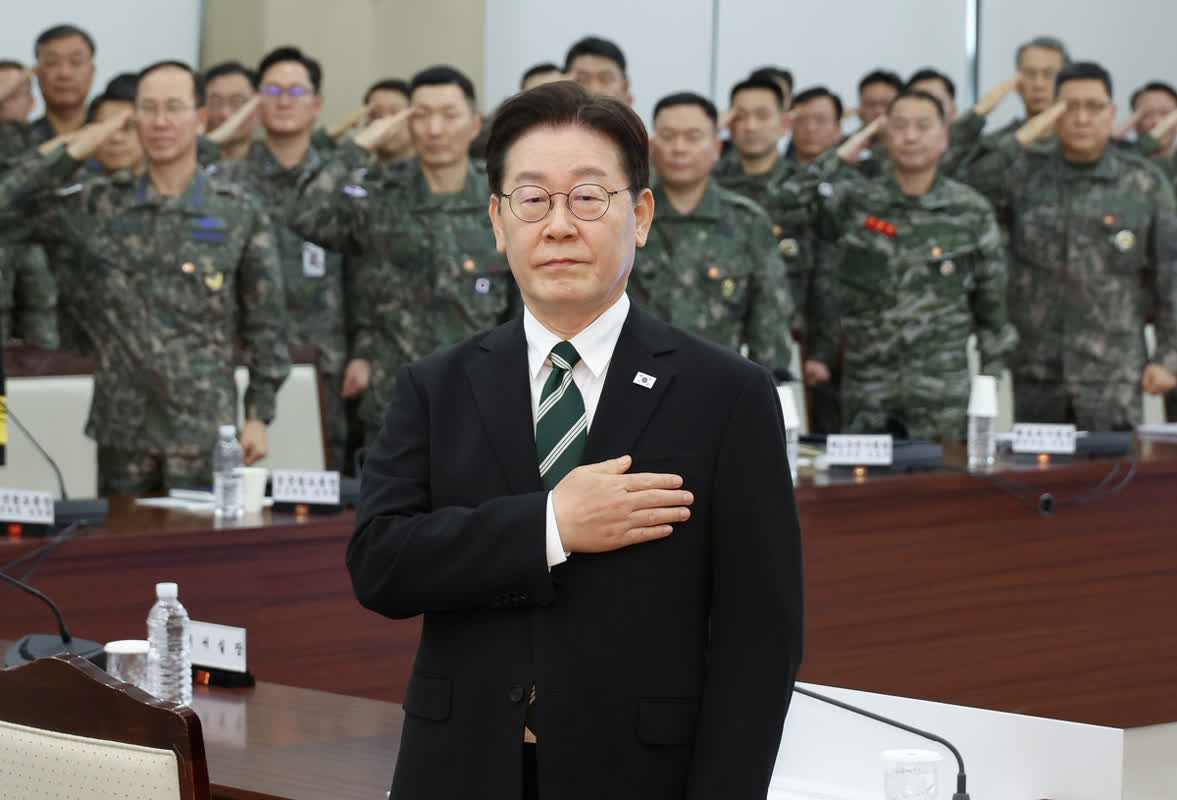
The activists also criticized President Lee Jae-myung's comment that Seoul has voiced opposition but cannot fully block U.S. decisions, asking whether the president—who holds constitutional authority over the military to protect citizens' lives and property—must nonetheless rely on the United States for military and security matters.
Pointing to South Korea's current capabilities, the coalition said the country already ranks among the world's top five military powers and ranks second only to the United States in terms of ground forces. Given that strength, they argued, it is unacceptable to remain dependent on U.S. systems for security. If the president is sincere, they said, he must explain why Seoul should keep a U.S.-centric THAAD posture that heightens tensions with neighbors and risks turning the country into a target.
The groups urged Seoul to remove what they called harmful U.S. weapons systems now that South Korea can field credible self-defense capabilities. They called on the United States to end what they described as deceptive THAAD operations and to withdraw all THAAD systems immediately, including radars that they say have harmed residents' lives.