Russia Rapidly Expanded Drone Factory
North Korean Labor Likely Deployed at Scale
Mounting Threat to the Korean Peninsula
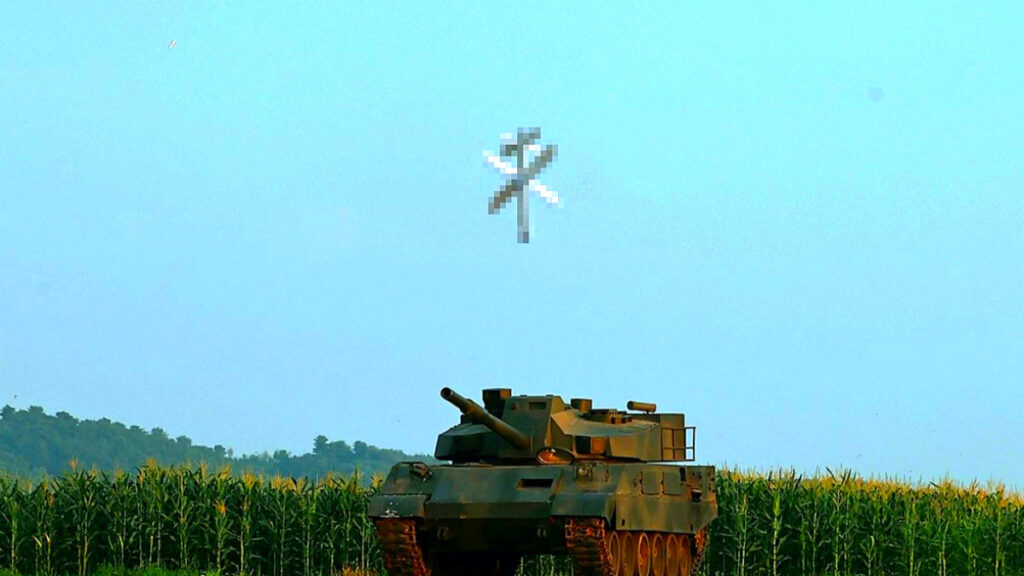
Satellite imagery and open-source reporting show a drone production site inside the Yelabuga Special Economic Zone in Tatarstan has ballooned since Russia’s invasion of Ukraine.
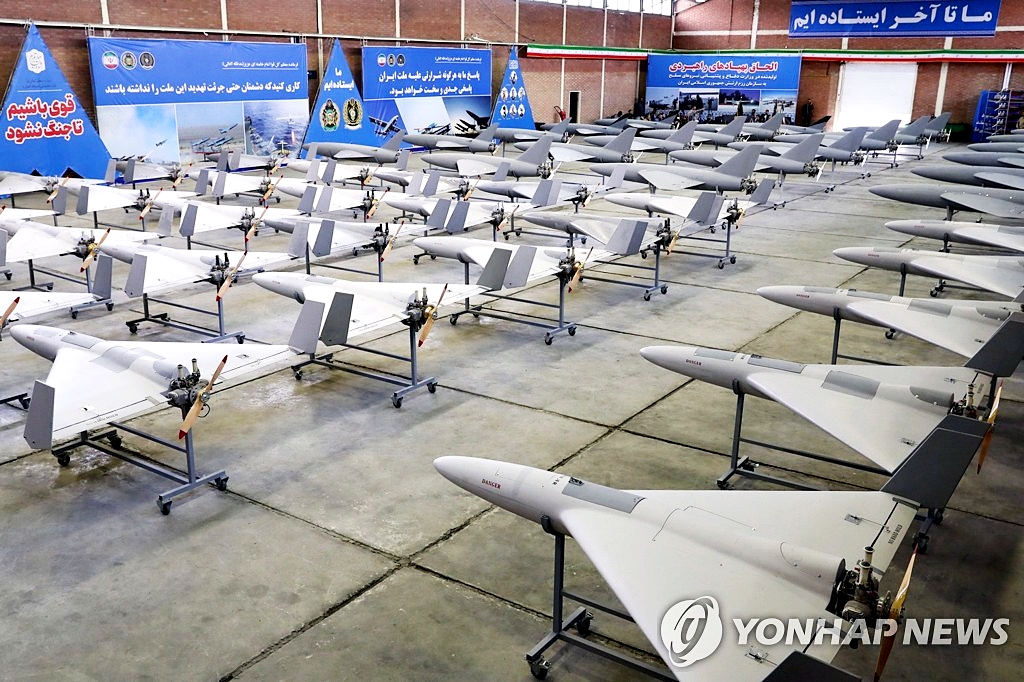
Analysts say the facility is producing Russian versions of Iran’s Shahed loitering munitions — marketed as the Geran series — and appears to be relying on significant numbers of North Korean workers.
Signs Indicate More Than 10,000 Workers Deployed
Beyond Parallel, a project of the U.S. think tank Center for Strategic and International Studies (CSIS), reports the Yelabuga complex has grown from just two buildings in late 2021 to an industrial ecosystem of 17 combined complexes and 116 buildings.
CSIS says the site also added 67 dormitory facilities with capacity for roughly 20,000 workers, and estimates about 15% of the Yelabuga economic zone’s infrastructure is now devoted to drone and unmanned aerial systems production.
After the Ukraine invasion, Russia teamed with Iran to set up Shahed production lines in Yelabuga. China provided components, machine tools and logistics support to scale the effort.
According to analysts, the plant now delivers more than 5,500 drones per month to frontline units — a rate that far exceeds initial projections.
Large-Scale Deployment of North Korean Labor
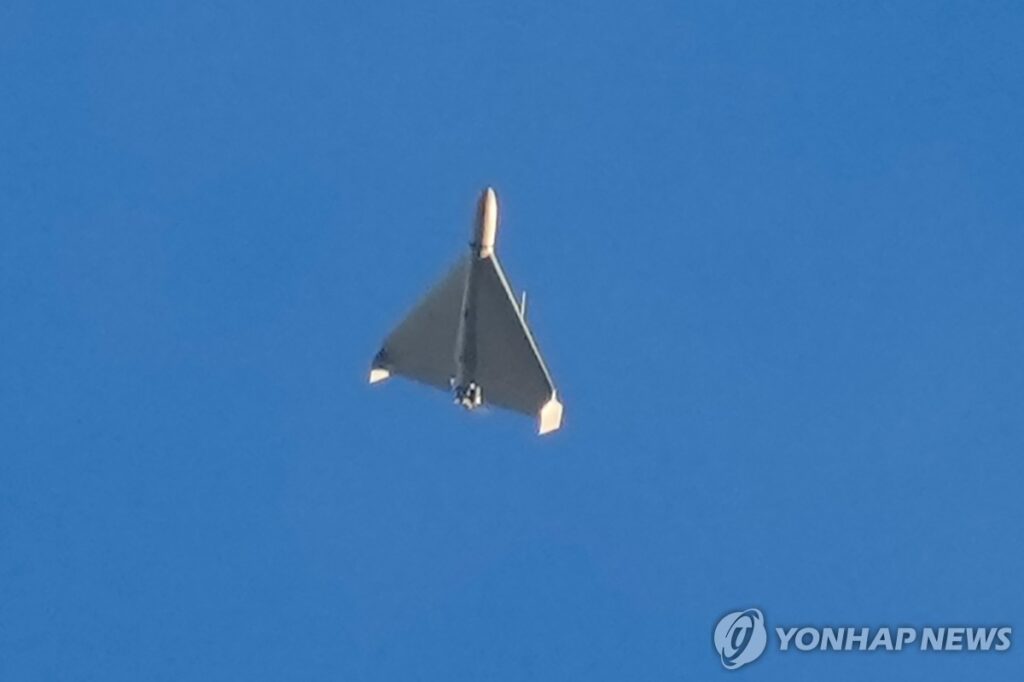
CSIS warns North Korea may be deeply involved in the Yelabuga program. In November, Ukraine’s Main Directorate of Intelligence released allegations that Russia was recruiting about 12,000 North Korean workers for deployment to the Yelabuga economic zone.
Reports said those workers would be paid roughly 3,600 KRW per hour (approximately $2.70) and assigned 12-hour shifts. CSIS’s satellite-image analysis also shows large dormitory complexes under construction on the west and southwest perimeters of the plant, capable of housing tens of thousands of people.
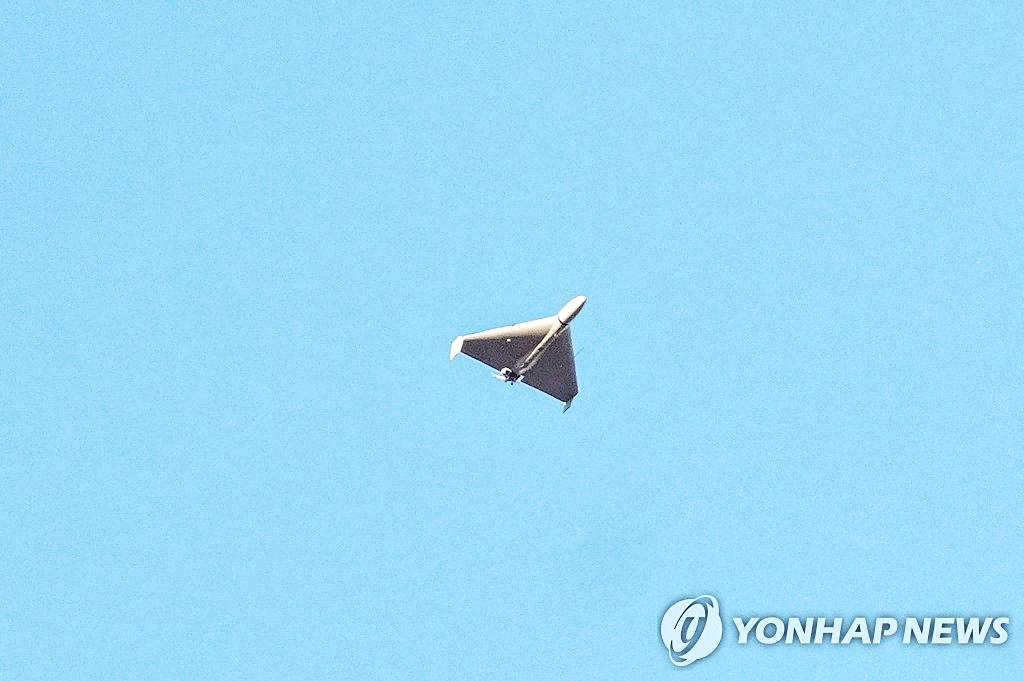
The dormitories appear connected to the main production halls by enclosed walkways that block outside observation. That layout would allow large numbers of external workers to move directly onto assembly lines without public exposure. International analysts say additional North Korean labor could still be brought in.
A Direct Threat to South Korea’s Security
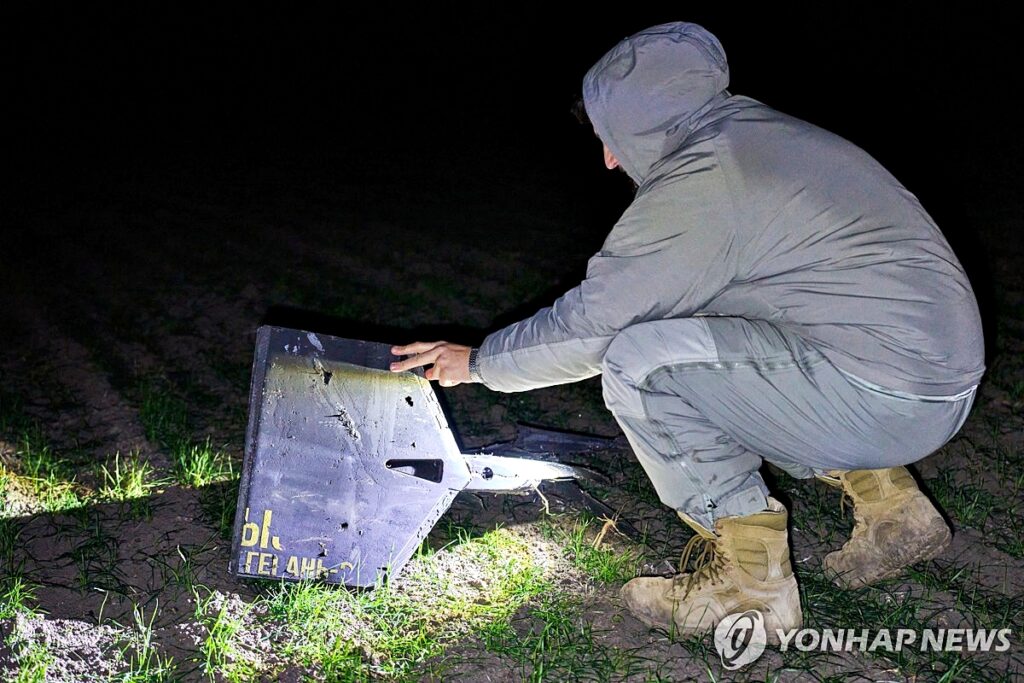
CSIS’s report warns that North Korean engineers working at the Yelabuga plant could represent a significant and direct threat to security on the Korean Peninsula.
The study argues that deeper North Korean involvement would let DPRK designers and engineers absorb Russia’s operational lessons — including field-proven techniques for defeating Ukrainian air defenses — and bring that expertise home.
CSIS concludes that if North Korea transfers the technology and combat-tested experience it acquires in exchange for manpower, and applies them to its own unmanned systems, the result could materially increase the threat to South Korea and regional stability.