「Guests: Kim Young-mok, former ambassador to Iran; Cho Han-beom, distinguished research fellow at the Korea Institute for National Unification」
The conflict in the Middle East has entered its fourth week, and leaders still face no clear exit strategy.
President Trump's stated objectives appear to have shifted again.
Where is the region headed?
We discuss the implications with former ambassador Kim Young-mok and Cho Han-beom of the Korea Institute for National Unification.
Welcome to you both.
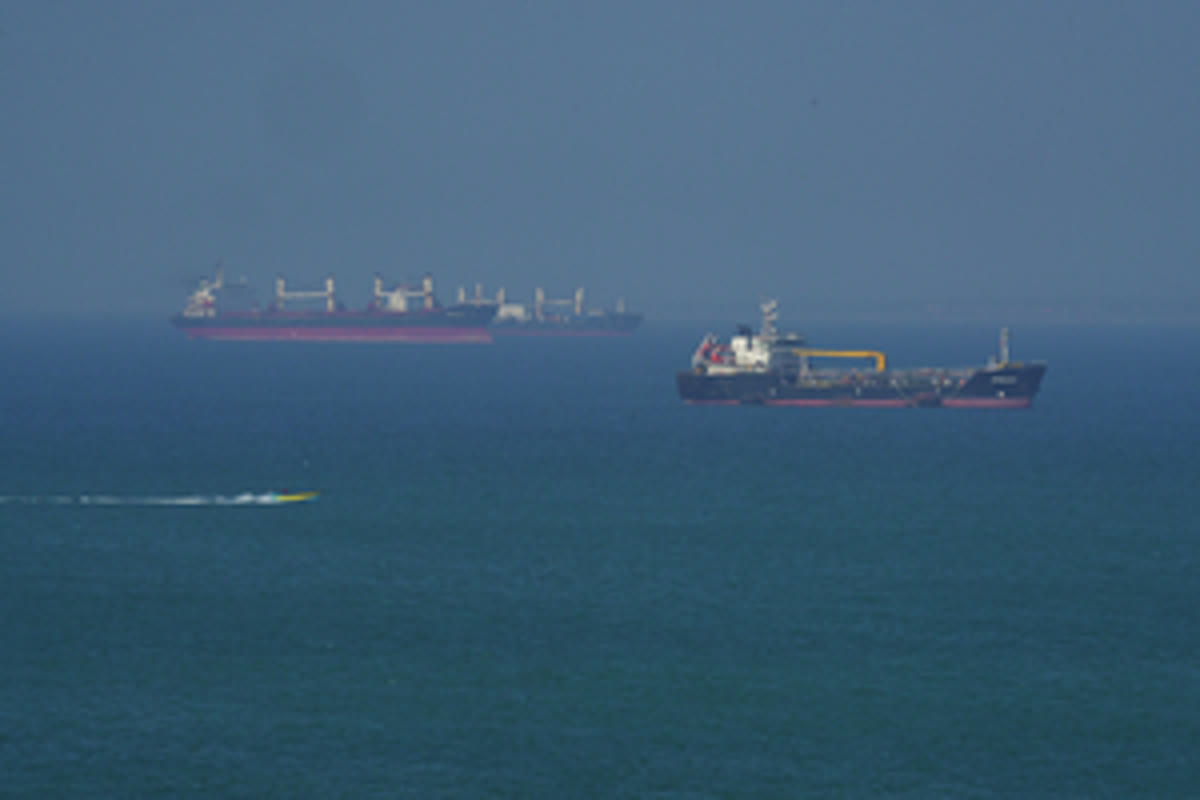
「Question 1」 President Trump warned he would level Iranian power plants if Tehran did not fully reopen the Strait of Hormuz within 48 hours. Yesterday he spoke of a gradual drawdown of military operations; today he issued what amounts to an ultimatum. Iran, unlikely to heed that threat, reportedly responded — did it move to counter?
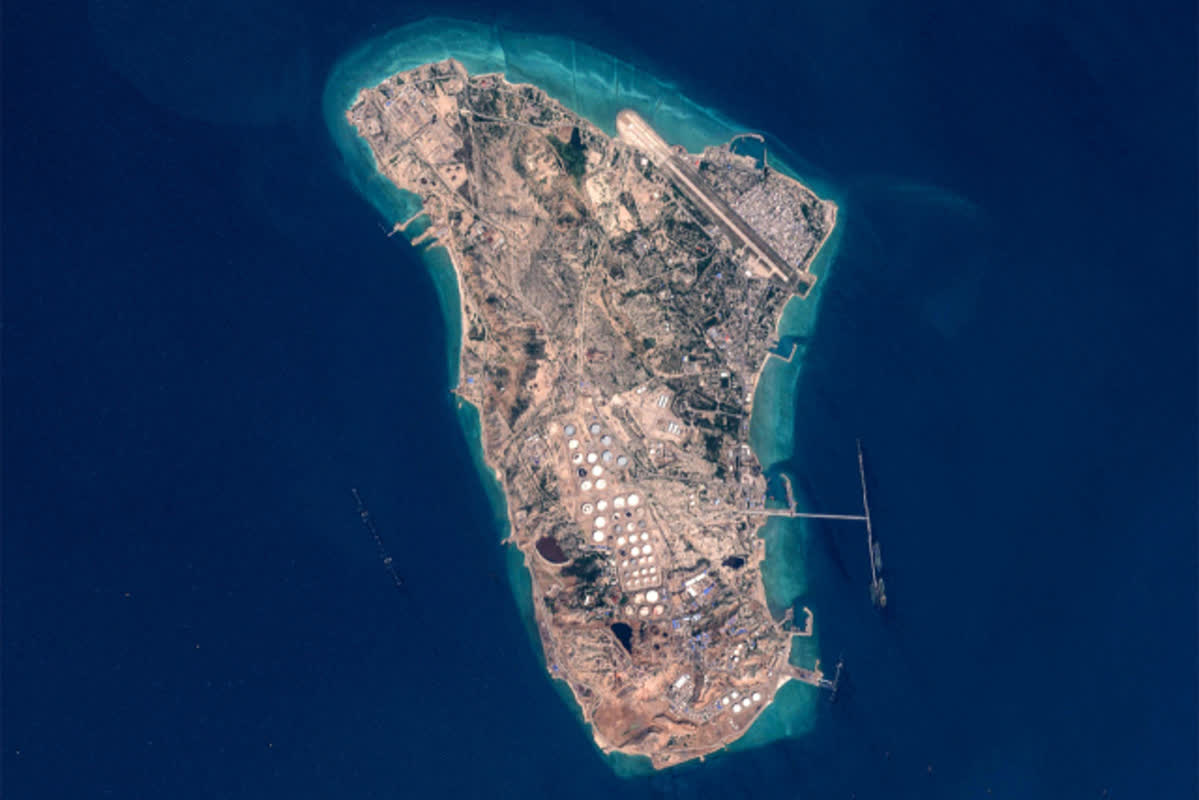
「Question 2」 Observers say Trump likely issued that warning with targets already identified. The \"largest power plant\" he referenced is most likely Bushehr, Iran's only commercial nuclear power station. Could a strike on Bushehr create a major humanitarian and environmental catastrophe, including radioactive release and maritime contamination?
「Question 3」 Iran has said it will allow transit through the Strait of Hormuz for vessels unless they belong to an enemy state. Does that signal a tactical retreat in the face of Trump’s hardline posture, or is it a calibrated statement to avoid wider escalation?
「Question 4」 Tehran also indicated it would allow Japanese-flagged ships to pass. Some analysts see that as an attempt to drive a wedge between Washington and Tokyo. Given Japan's historically cordial ties with Iran, could this further complicate Tokyo's political room to commit Self-Defense Forces? How should policymakers respond?
「Question 5」 Some commercial ships are rerouting via the Red Sea instead of the Strait of Hormuz. There are concerns the Houthi movement in Yemen could try to interdict that route. The Houthis, backed by Iran, previously disrupted maritime traffic in the Gaza conflict with drones and missiles. Could they again act as an Iranian proxy and play an active role in maritime attacks?
「Question 6」 The United States has dispatched additional Marines to the region and begun preparations for possible ground operations. President Trump publicly denies plans for a ground invasion but left room by saying, \"If necessary, I won't announce it.\" Does that indicate a lack of a firm course of action, or strategic ambiguity by design?
「Question 7」 Iran and Israel continue a cycle of tit-for-tat strikes. Attacks near major nuclear facilities have injured civilians and raised concerns about potential radioactive releases. Are these immediate retaliations making the conflict significantly more dangerous and harder to control?
「Question 8」 Qatar and Saudi Arabia have protested Iran's actions and ordered Iranian diplomats to leave within 24 hours. Tehran and Riyadh had normalized ties in 2023 under Chinese mediation; are we witnessing a rapid rollback toward diplomatic rupture less than three years later?
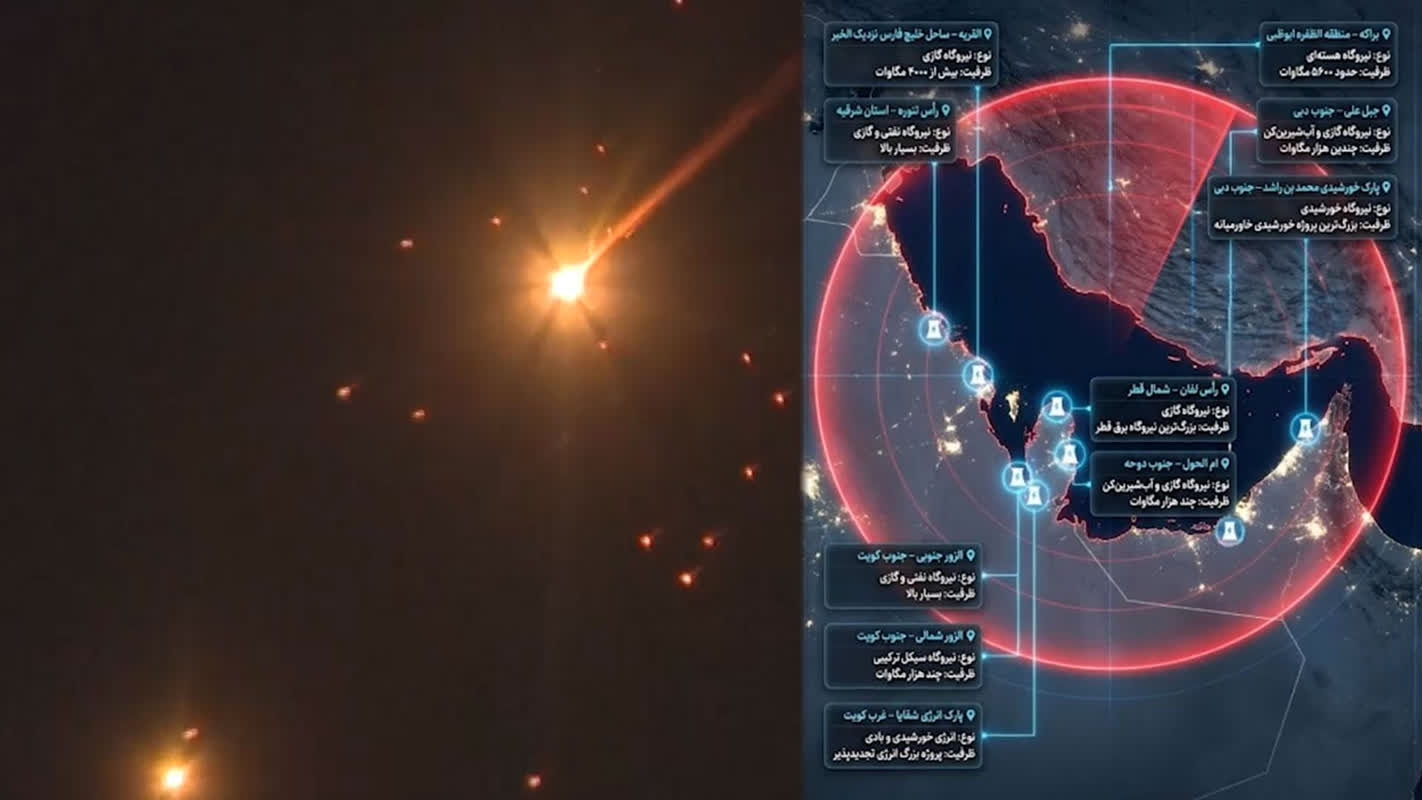
「Question 9」 In apparent retaliation, Iran launched roughly 60 drones toward Saudi Arabia, targeting key energy infrastructure, including oil export terminals. The confrontation between the two states has flared anew. Do these strikes undercut previous assessments that Iran had exhausted its stockpiles of long-range munitions?
Yonhap News TV — Inquiries and tips: KakaoTalk / LINE jebo23
Yoo Yeon-hee (rjs1027@yna.co.kr)