The Iran-backed Houthi militia has entered the fighting.
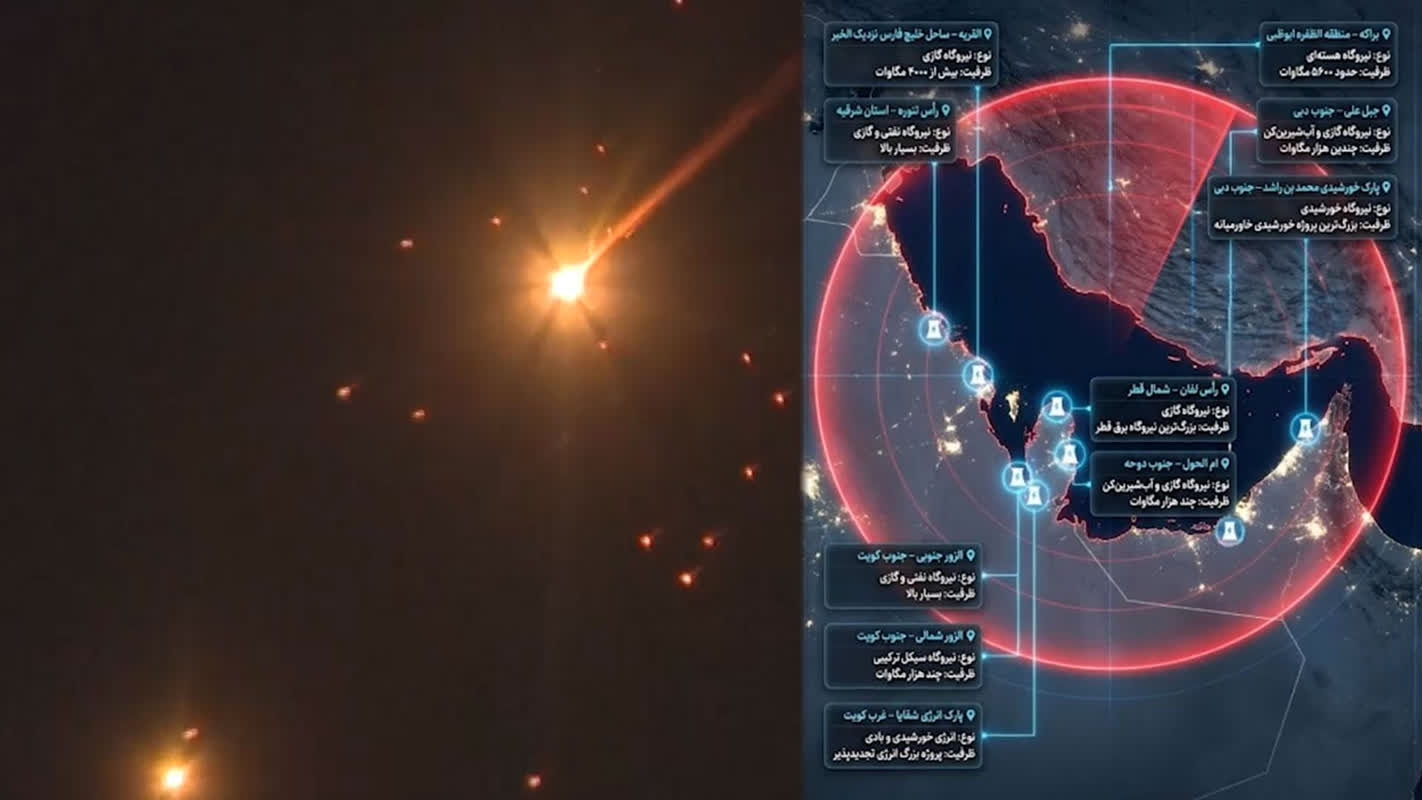
A March 28 missile strike aimed at Israel was intercepted and failed to penetrate defenses, but the Houthis’ declaration that they are joining the conflict has rattled the balance of forces across the region.
About a month after the conflict began, U.S. military casualties have surpassed 300, and cumulative losses over three weeks are estimated at roughly 4 trillion KRW (about 3 billion USD). Washington now faces a strategic choice between mounting a ground campaign and pursuing diplomacy.
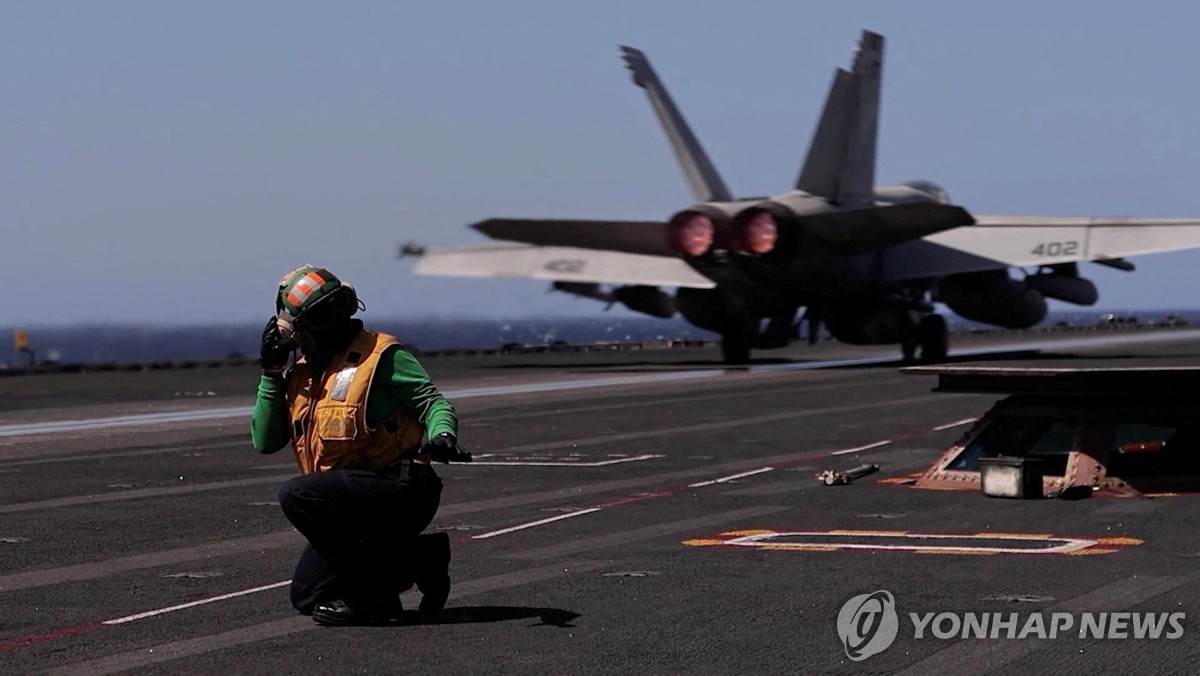
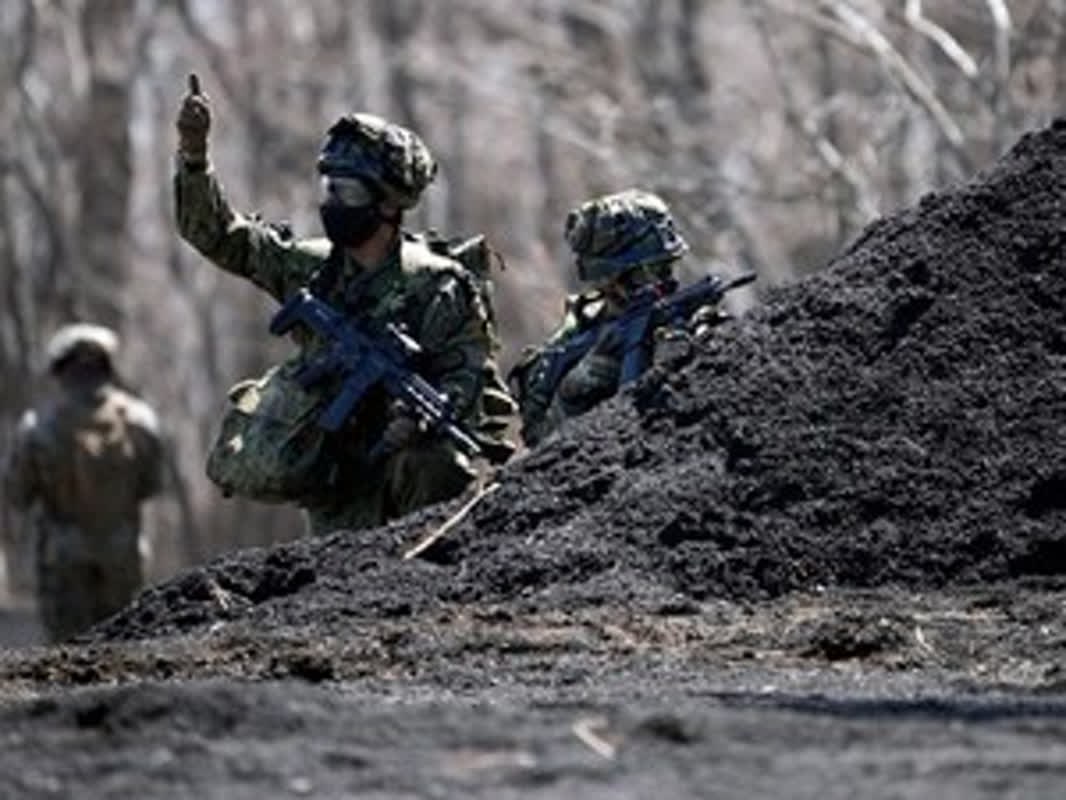
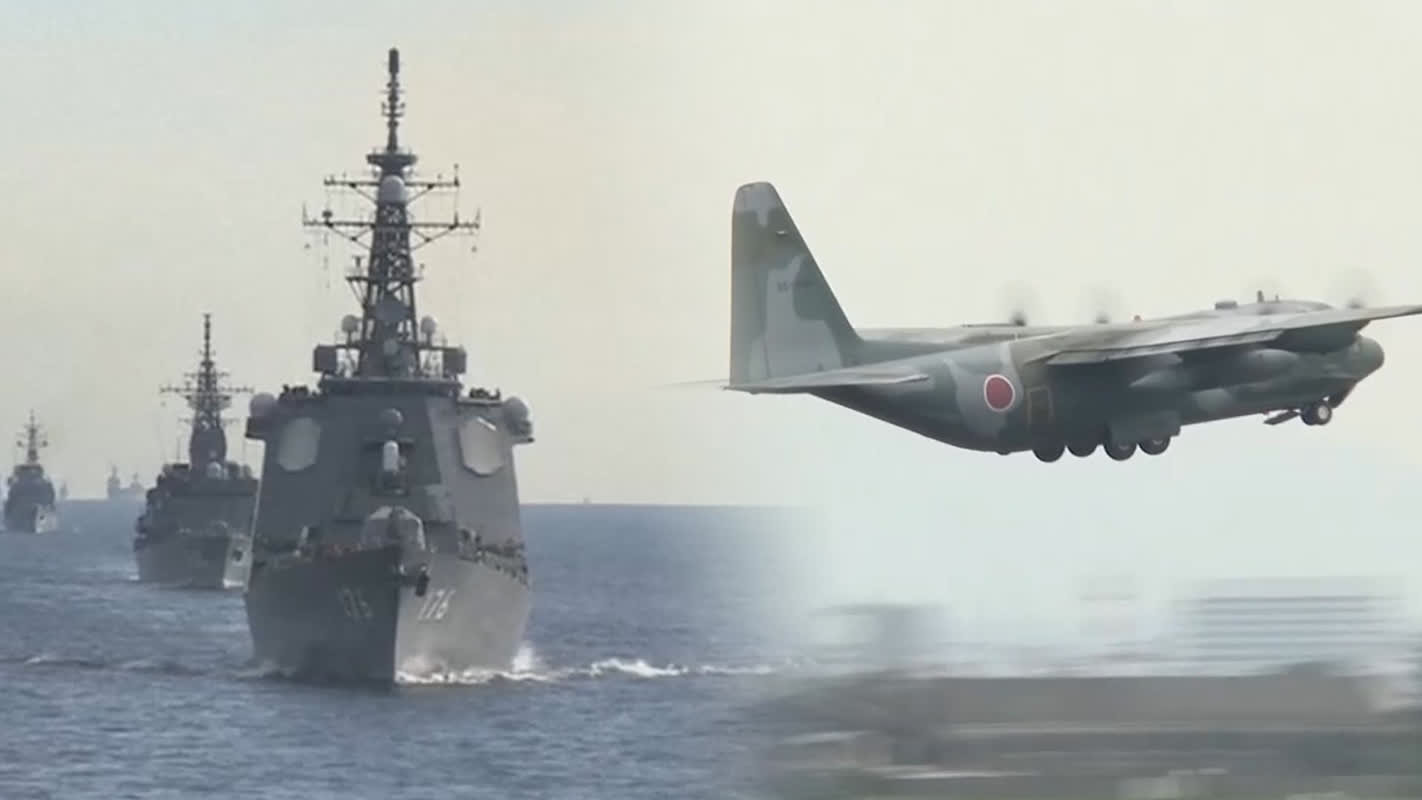
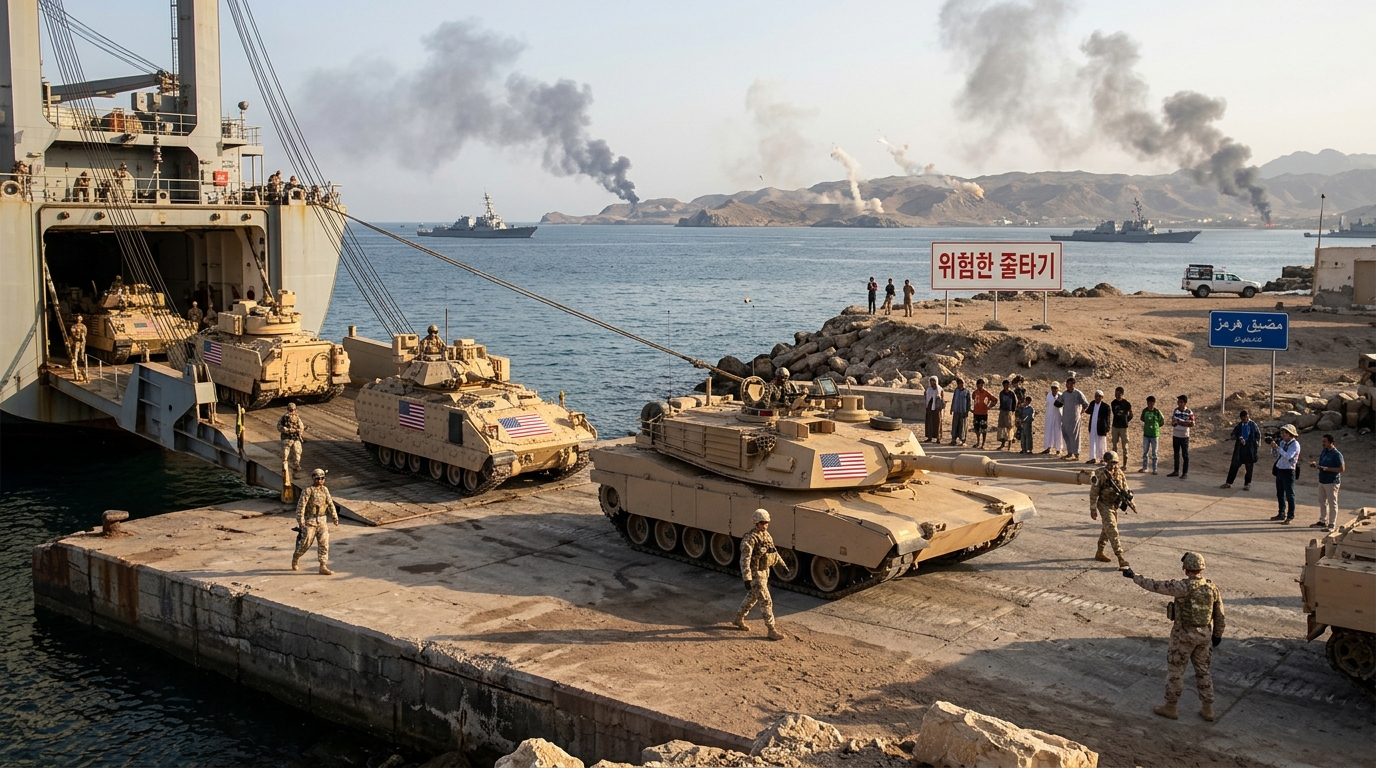
The U.S. has already dispatched an additional 3,500 troops to reinforce forces in the region. Advance ground elements began arriving over the weekend, with follow-on deployments scheduled weekly.
Sen. Marco Rubio said he expects the fighting could last another two to four weeks. At the same time, he has argued the U.S. can achieve its goals without a large ground force while also acknowledging that keeping the Strait of Hormuz open may make ground operations effectively unavoidable — a tension that underscores policy uncertainty in Washington.
How the Houthi Entry Has Shifted the Balance
This conflict never remained limited to a direct Israel–Iran fight. Tehran has mobilized proxy forces — Lebanon’s Hezbollah, Yemen’s Houthis and others in the so-called “axis of resistance” — to disperse and complicate the military calculus facing the U.S.-led coalition.
Although the Houthis’ missile strike on Israel failed, Iran’s intent to sustain multiple fronts and bolster its negotiating leverage is clear.
Military analysts are increasingly skeptical that a purely military solution can secure the Strait of Hormuz and argue that diplomatic tracks must run in parallel with limited military options.
Strait of Hormuz: The Real Core of the War
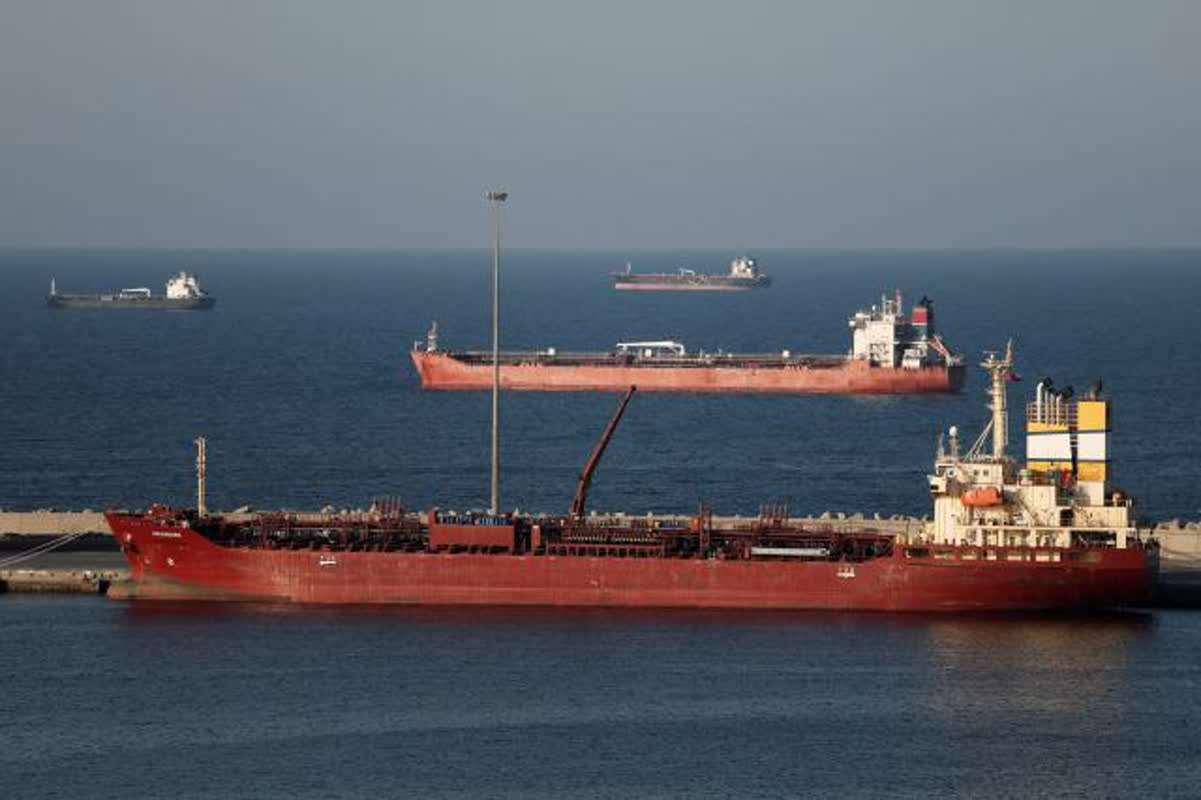
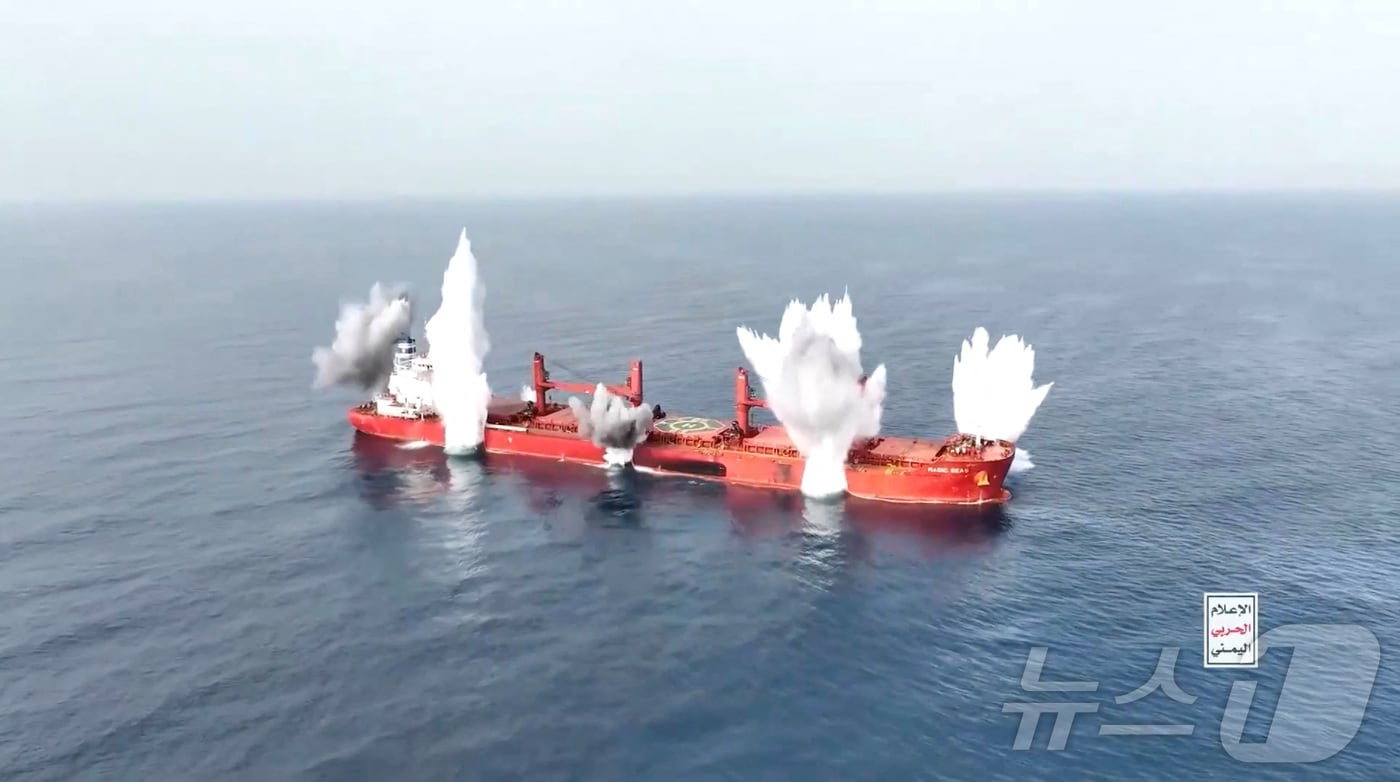
The United States has made keeping the Strait of Hormuz open its declared central objective. That chokepoint carries about one-third of global oil trade.
If the strait were closed, the global energy supply chain would be severely disrupted — and those effects are already showing. A surge in jet fuel prices forced Jin Air to cancel 45 flights next month, including its Incheon–Guam services.
Some 10,000 shipping containers bound for Afghanistan are now stuck at the port of Dubai, deepening logistics bottlenecks. The chaos of the battlefield is hitting the civilian economy through flight cancellations and paralyzed supply chains.
Diplomacy Stalls, Escalation Looms
Direct talks between the U.S. and Iran have not materialized. The Houthis’ deeper involvement has made the negotiating landscape more complex. If diplomacy fails to produce a breakthrough within two to four weeks, the conflict could enter a new phase with broader U.S. ground deployments.
Damage to several bases in the region has even forced some U.S. service members to operate from hotels — a development that has increased public scrutiny and political pressure at home.
One month into the fighting, the Middle East conflict has expanded from a localized clash into a complex crisis threatening global energy markets, supply chains and diplomacy. Over the next two to four weeks, Washington’s choice between a ground campaign and a diplomatic path will likely mark the conflict’s decisive turning point.