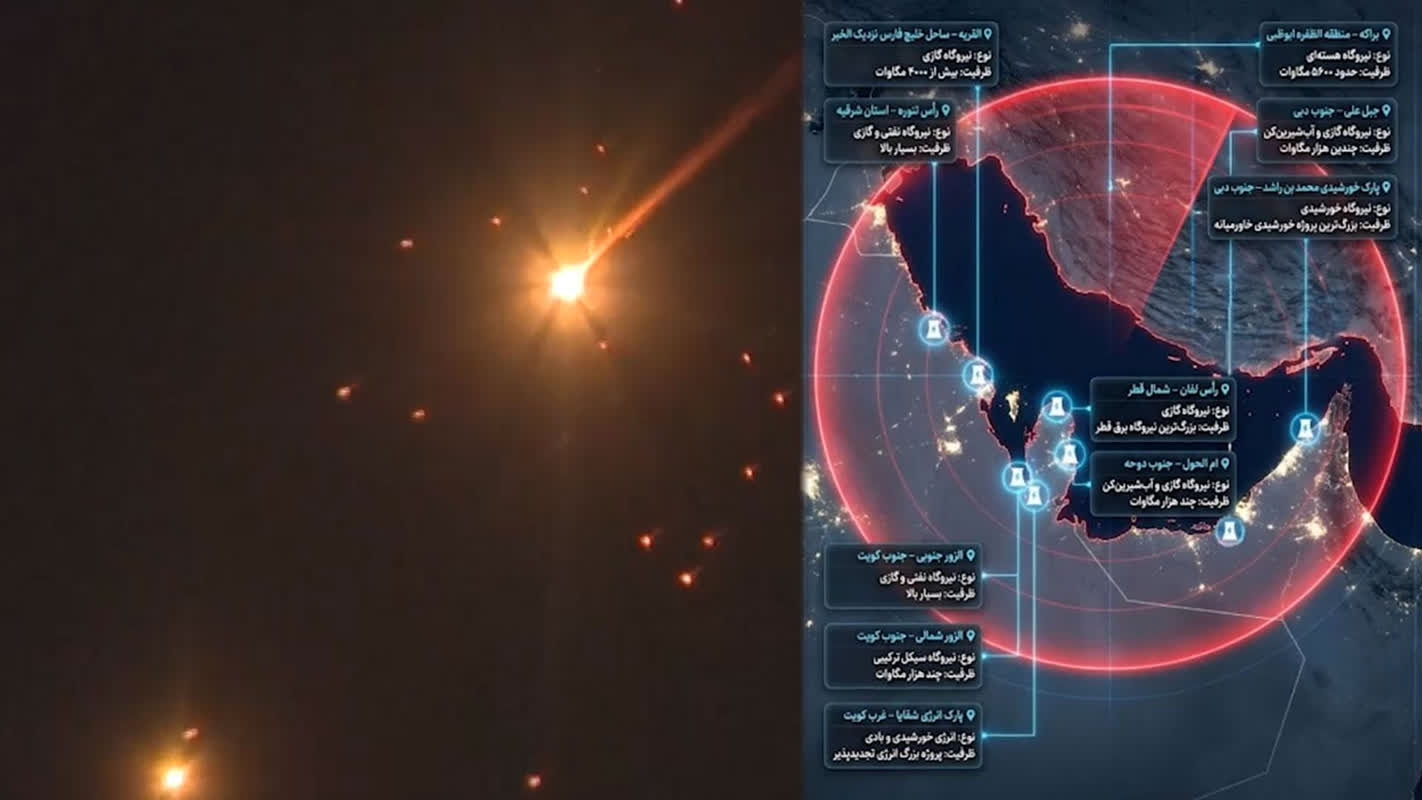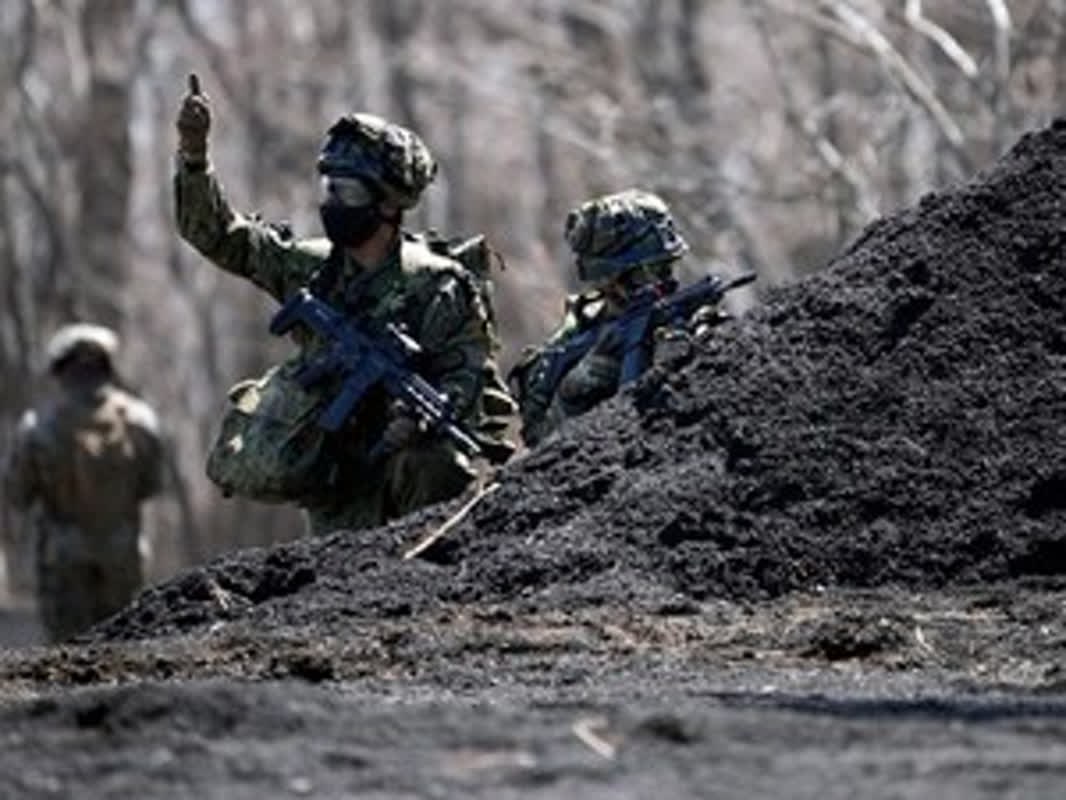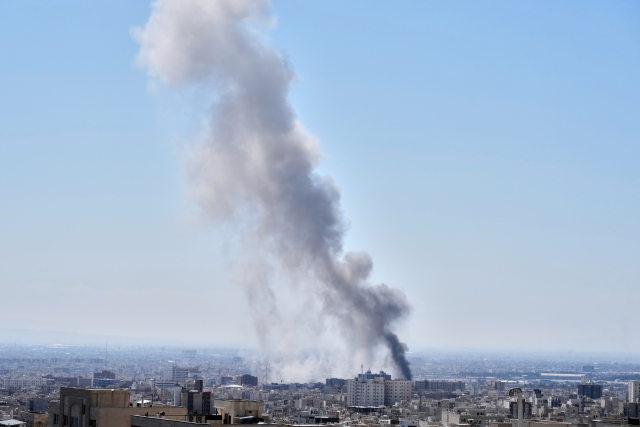
The conflict in the Middle East that began on the 28th of last month with U.S. and Israeli strikes on Iran continues, and Tehran has informed neighboring Arab states that it wants several conditions met before entering cease-fire negotiations.
On the 12th (local time), the Wall Street Journal, citing anonymous Arab diplomats, reported that Iran is demanding an immediate halt to U.S. and Israeli airstrikes before talks can begin. Tehran also seeks ironclad guarantees that no further attacks will follow any cease-fire, along with so-called reparations for war damage and the withdrawal of U.S. forces from the region.
On the 11th, President Masoud Pezeshkian wrote on social media that the only way to end the war is to recognize Iran’s legitimate rights, pay reparations and provide firm international guarantees to prevent future aggression.
Arab governments have been pressing Washington, Jerusalem and Tehran toward talks through diplomatic mediation. Saudi Arabia, in particular, has circulated a new mediation proposal and continued diplomatic outreach. But Arab diplomats say none of the three parties is currently signaling a willingness to negotiate.
As the fighting drags on, international oil prices have spiked. Continued Iranian attacks have pushed crude above $100 per barrel.
The paper analyzed that Iran’s leadership has maintained a hard line as part of a strategic calculation tied to regime survival. Tehran appears intent on responding forcefully now to deter future attacks.
Iranian officials have also made clear they will not capitulate. On the 12th, Ali Larijani, secretary-general of Iran’s Supreme National Security Council, posted on social media: “Starting a war may be easy, but ending it won’t be done with a few tweets. We will not let you go until you admit your mistakes and pay the price.”
Washington and Jerusalem likewise remain uncompromising. U.S. President Donald Trump has said he seeks Iran’s unconditional surrender or military collapse. Israel has similarly demanded Iran’s surrender and says it will continue military strikes.
Tehran says it is not interested in direct talks with Israel. During fighting last June, Iran halted attacks when the U.S. declared a pause in air operations, but Iranian leaders later judged that move a strategic mistake. This time, Iran says it will only consider a cease-fire if it receives binding assurances that there will be no future attacks. Some diplomatic channels have suggested Russia could be involved in providing such guarantees.
But the Wall Street Journal said most of Iran’s conditions are unlikely to be acceptable to Washington or Jerusalem. Retired Brig. Gen. Asaf Orion, who once headed strategic planning for the Israeli military, told the paper that Iran still has options and is unlikely to surrender. “They are buying time,” he said.