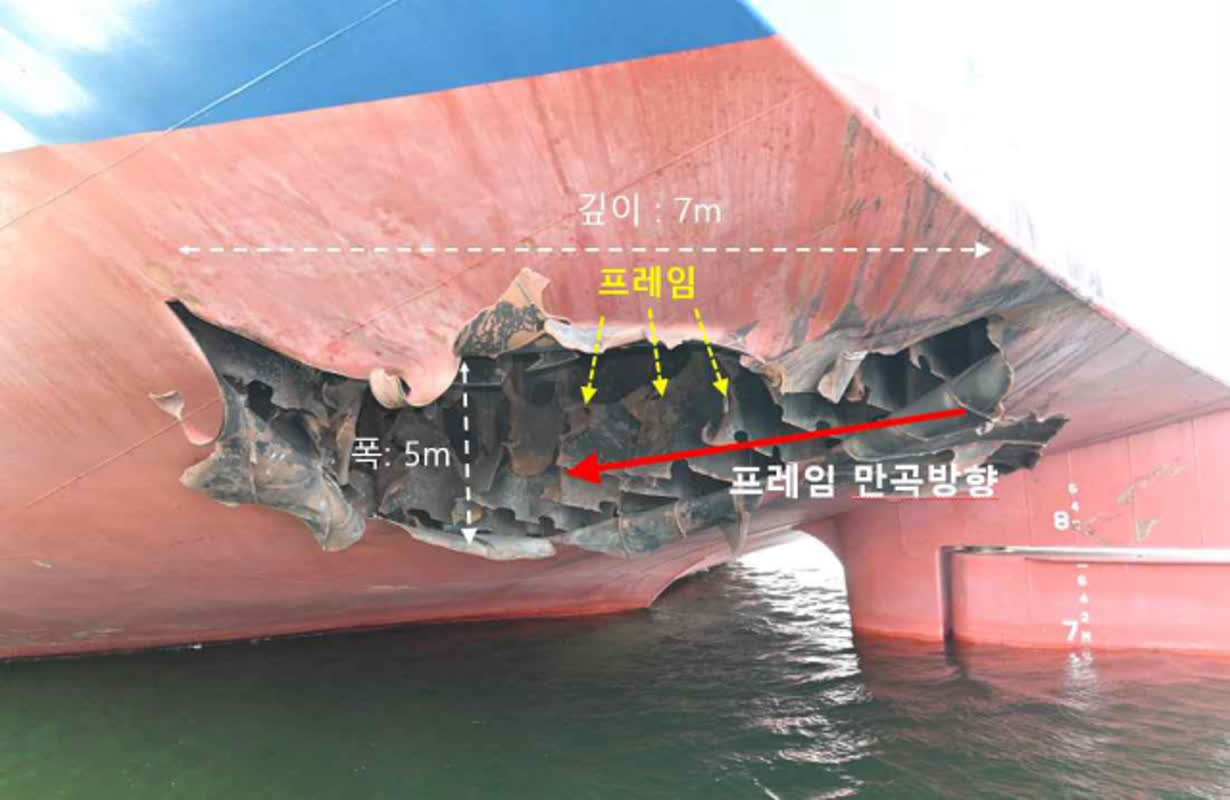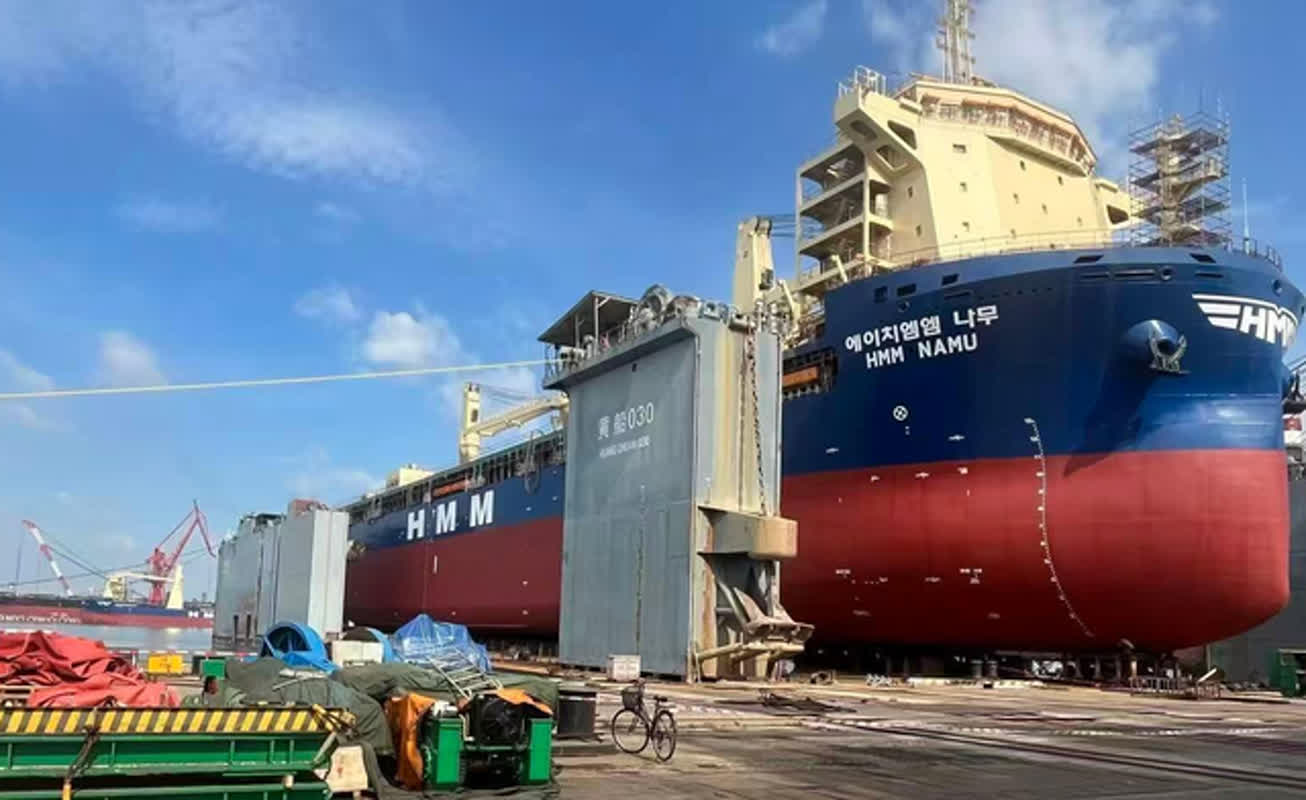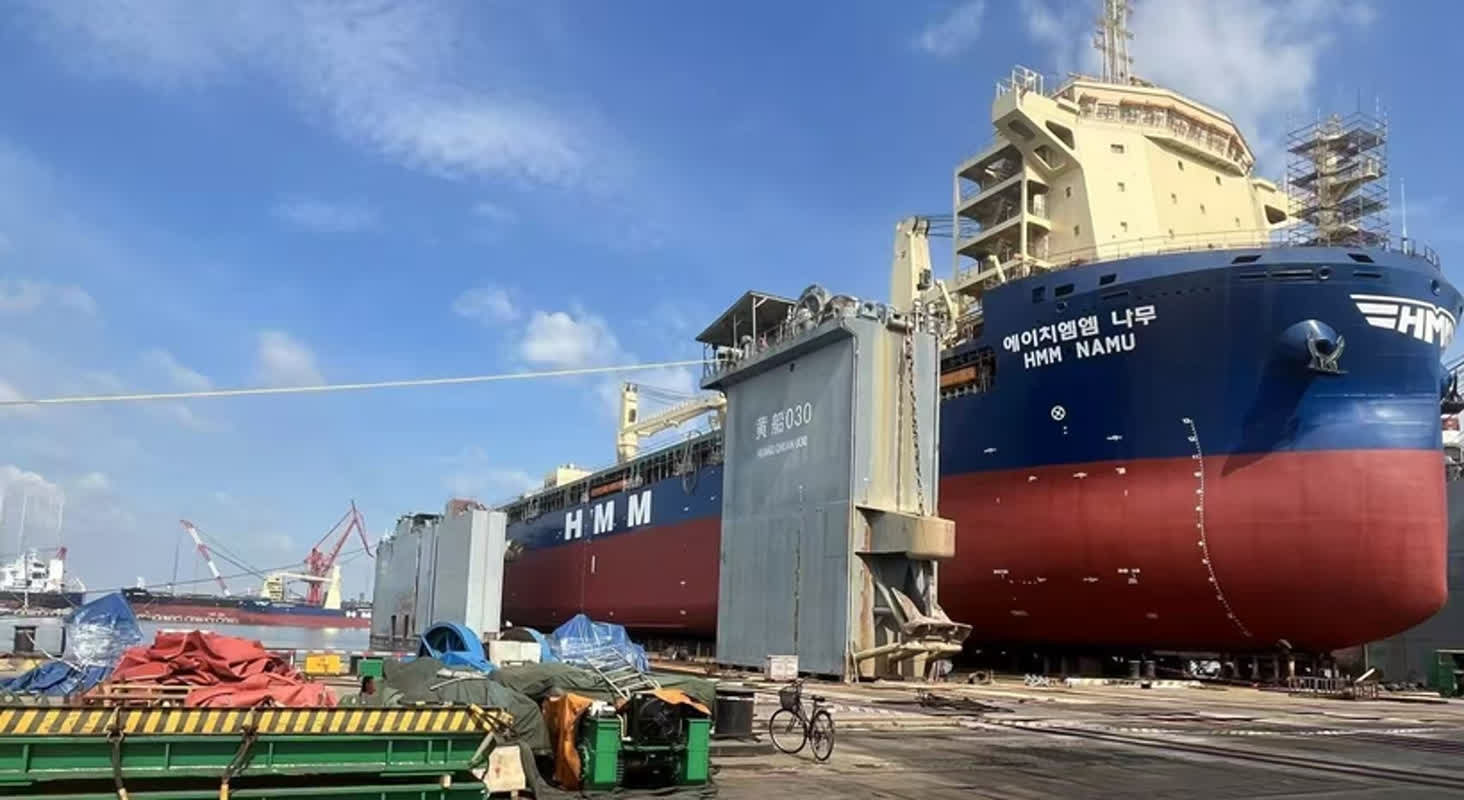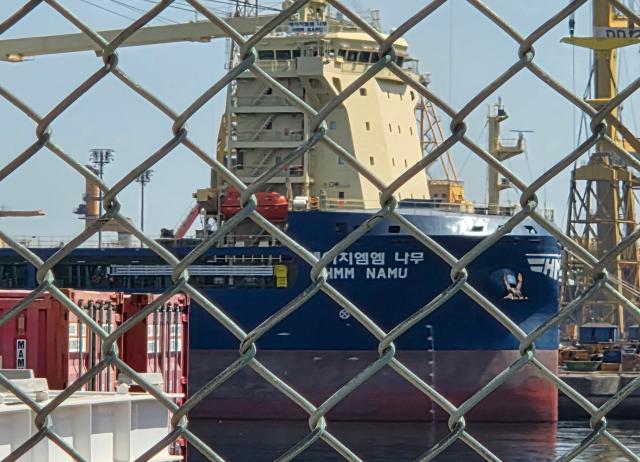
On May 11, industry sources said the Namu’s crew remained on site, observing the accident investigation and ship inspections. They have not requested a mass disembarkation or shown major unrest, but prolonged tension has left crews visibly shaken and exhausted.
Jeon Jeong-geun, chairman of HMM’s maritime union, said the crew are waiting calmly but are under significant psychological strain and pressure. He added that disembarking from a war-risk zone is a legitimate right for seafarers, and that the union is ready to press for immediate crew changes if requested.
HMM said it will expedite crew rotations for any sailors who want to be relieved. The company said it is prioritizing ship repairs and the investigation, and will immediately process any crew change requests.
The practical challenge, however, is finding replacement seafarers willing to sail into a conflict zone. With the threat of further attacks uncertain, recruiting crews for the region has become difficult.
The prolonged standby at sea due to the Middle East war has already produced growing reluctance among seafarers to serve on Middle East routes. An industry official noted that, early in the conflict, many seafarers accepted postings to the region because of higher war-risk pay. After the Namu incident, that calculus changed abruptly. Families are increasingly urging sailors to disembark, and avoidance of Middle East routes has become widespread.
Officials estimate about 26 Korea-linked vessels and roughly 160 Korean seafarers remain near the Strait of Hormuz. Industry and government teams monitor basic supplies—drinking water and food—daily, but crews report that psychological fear has already reached a critical point on board.
Shipping companies are also facing rapid financial strain. Delays in crew rotations, rising war-insurance premiums and higher fuel costs have driven operating expenses sharply upward. The Korea Shipping Association estimates additional daily costs for fleets trapped near the Strait of Hormuz—war insurance and fuel—at about 400 million KRW (approximately $300,000) per day.
The sector is watching closely how the government’s finding will reverberate through global insurance markets. War-risk premiums and rates for waters near the Strait of Hormuz had already climbed; confirmation of an actual strike is likely to force carriers to absorb even higher costs.
Some observers warn the situation could trigger a broader logistics slowdown. Koo Gyo-hoon, chairman of the International Logistics Association, said that even after hostilities subside, supply-chain disruptions and shipping delays will persist for a time. Because the Middle East sits at the core of global oil and freight flows, escalating anxiety there could cascade across shipping and logistics markets.