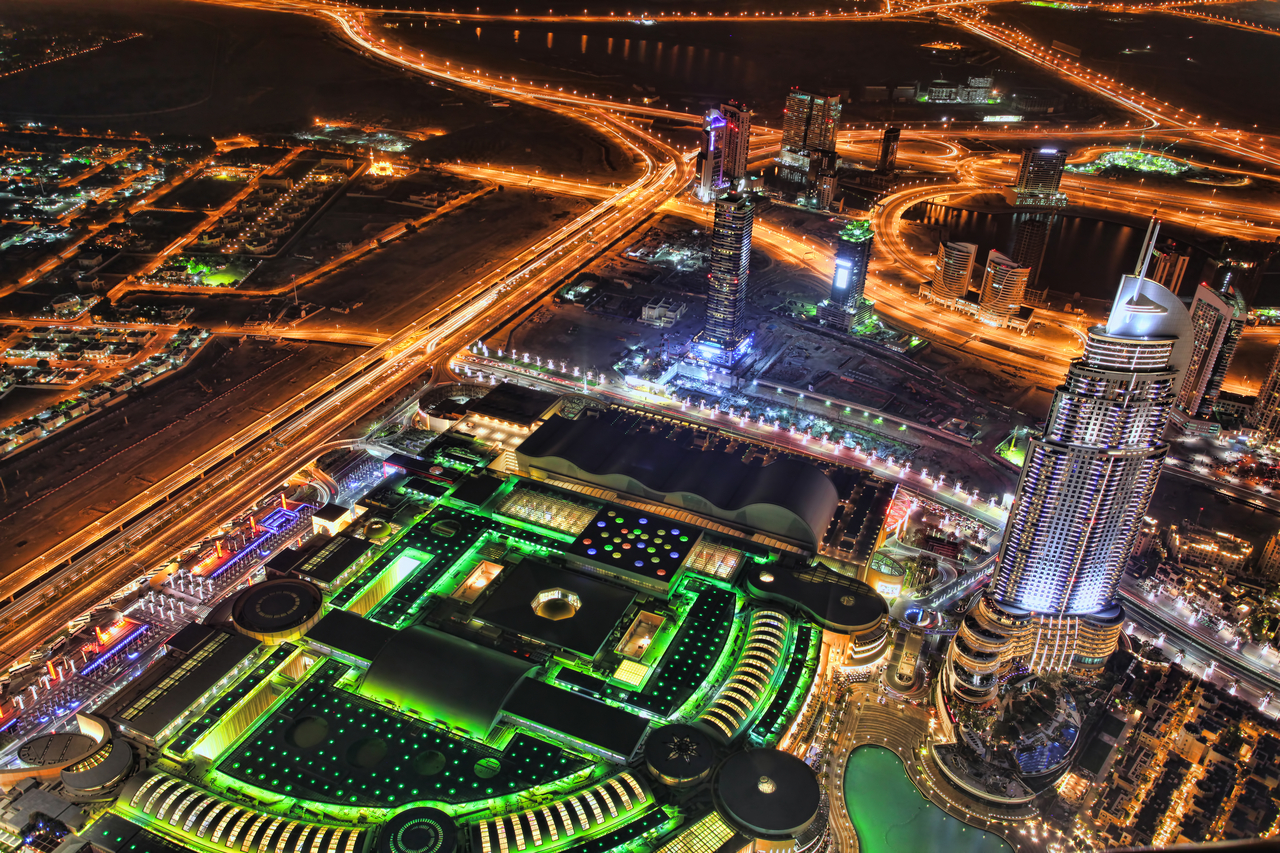
Unlike many other Gulf states, Dubai lacks large oil reserves and built its economy around tourism, generating roughly $30 billion a year (approximately 40 trillion KRW). The latest conflict, however, has dealt a direct and severe blow to that sector.
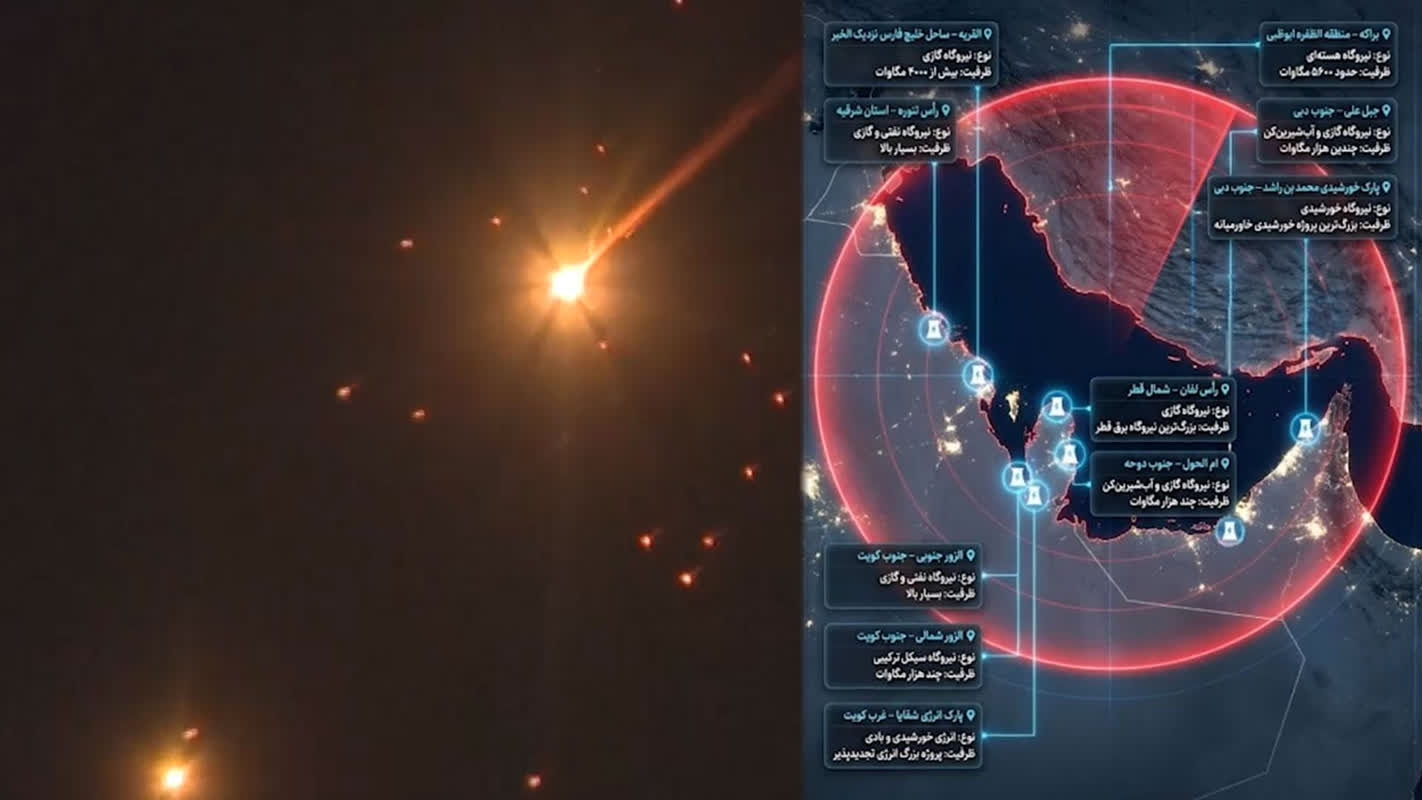
According to The Guardian, on the 28th of last month more than two-thirds of the weapons Iran fired in retaliation for U.S. and Israeli strikes were aimed at the United Arab Emirates, drawing Dubai into the barrage.
Dubai, the UAE’s biggest city, has a population made up of more than 90% expatriates and an economy driven by leisure and consumer spending. The Iranian strikes prompted an immediate mass exodus.
Beach bars, hotels and shopping centers now sit largely empty, creating an eerie atmosphere and raising questions about the city's ability to sustain itself.
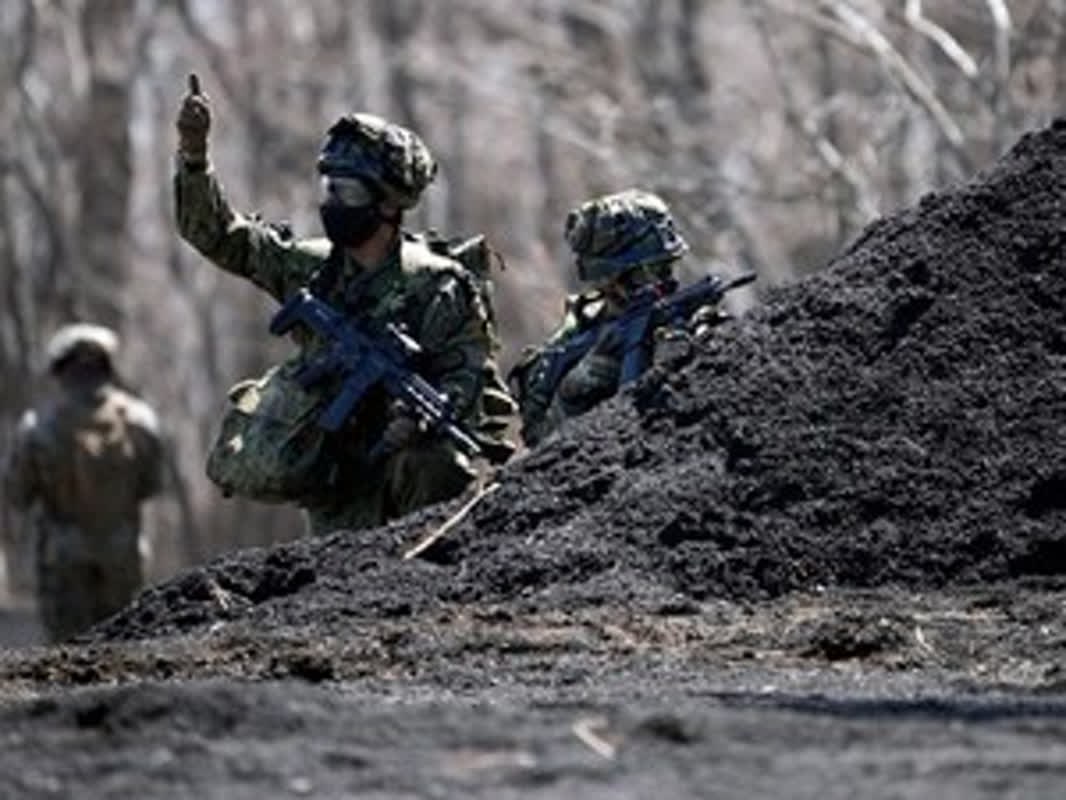
UAE air defenses intercepted more than 90% of the roughly 1,700 projectiles Iran launched, but some landed on military bases and industrial sites.
The Palm Jumeirah, Dubai’s palm-shaped artificial island and a high-profile landmark, was hit directly.
Video footage showed black smoke rising near the Fairmont Hotel after what local authorities described as a drone strike, spreading alarm across an area lined with ultra-luxury homes, hotels, clubs and restaurants.
Foreign residents and tourists have begun fleeing; officials and sources say tens of thousands have already departed for home countries.
John Trudinger, a British headmaster at a Dubai school, said he employed more than 100 teachers from the U.K., but most have left permanently, reporting “severe trauma.”
Pakistan-born taxi driver Zain Anwar told reporters, “My income stopped after the war. With no sign of tourism recovering, I don’t want to stay in Dubai. Everyone knows Dubai is finished.”
The outflow has also accelerated departures by wealthy residents who long used Dubai as a tax-free haven to avoid income and inheritance taxes.
Khalid Al-Mazayni, a professor at Zayed University, said Dubai has already suffered significant losses. He warned that while the UAE economy has so far held up, a continuation of the crisis for another 10 to 20 days would put serious strain on the economy, aviation sector, expatriate workforce and oil industry.
Recent incidents have added to public anxiety.
The Dubai Government Media Office reported that a drone strike near Dubai International Airport caused injuries.
On X, the office said it confirmed two drones fell near the airport and that the attack wounded two Ghanaians, one Bangladeshi and one Indian.
Officials added that flight operations were continuing normally.
Authorities did not name the attackers; however, analysts say the strikes are likely Iran-linked.
Following Iran’s retaliatory campaign, Dubai International Airport has sustained direct and indirect damage, and some flights have been canceled or delayed.
The UAE Ministry of Defense said the previous day that it detected 262 ballistic missiles since the attacks began, intercepted 241, found 19 fell into the sea and reported that two struck inside UAE territory.