The Jeonju International Film Festival has quietly become a platform that is restructuring South Korea’s independent film ecosystem. Far from being just a screening event, the so-called “Jeonju model” links development, production and distribution — and its impact is becoming increasingly evident.
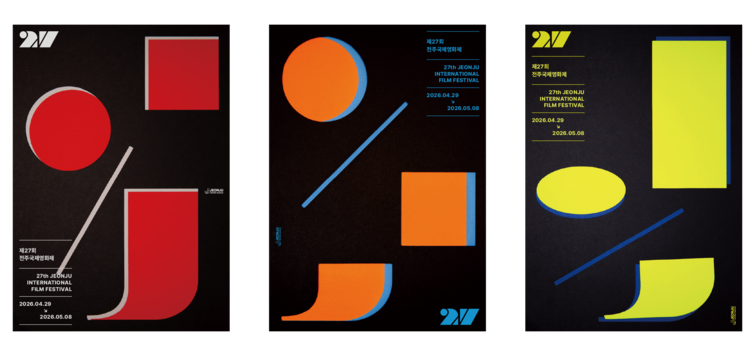
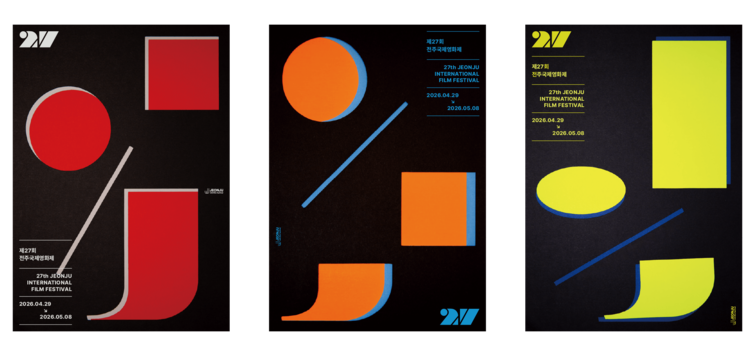
At the heart of that shift is the festival’s production-support apparatus. Its flagship initiative, the Jeonju Project, identifies promising new directors each year, backs their productions and helps shepherd projects toward domestic and international financing and distribution. It’s not a simple open call — it functions as a practical pipeline into the film industry.
Titles that originate in the program regularly land at major international festivals and collect awards. Several have gone on to secure theatrical releases and placements on global streaming platforms, demonstrating clear commercial potential. In industry circles, the phrase “Start in Jeonju, and you’ll reach the world” has taken on real currency.
People working in the field say the change is palpable. “We used to bring finished films to festivals,” one independent producer said. “Now planning and production begin in Jeonju. It’s one of the few structures that gives emerging creators tangible opportunities.”
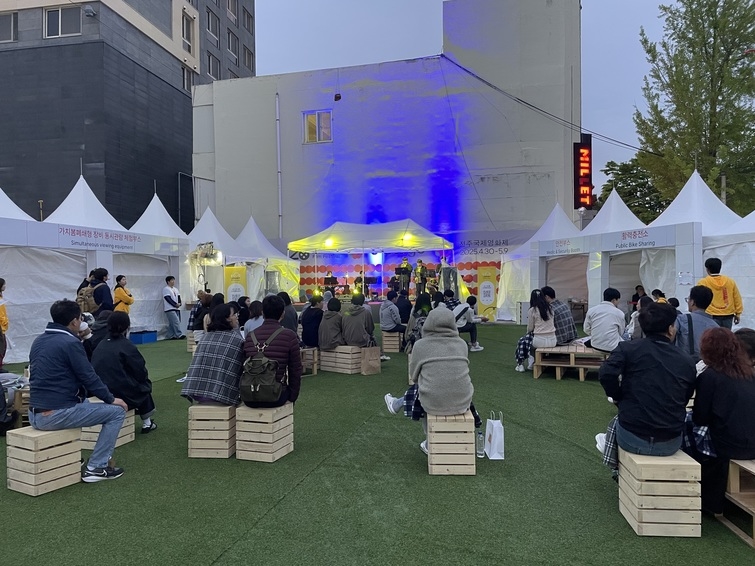
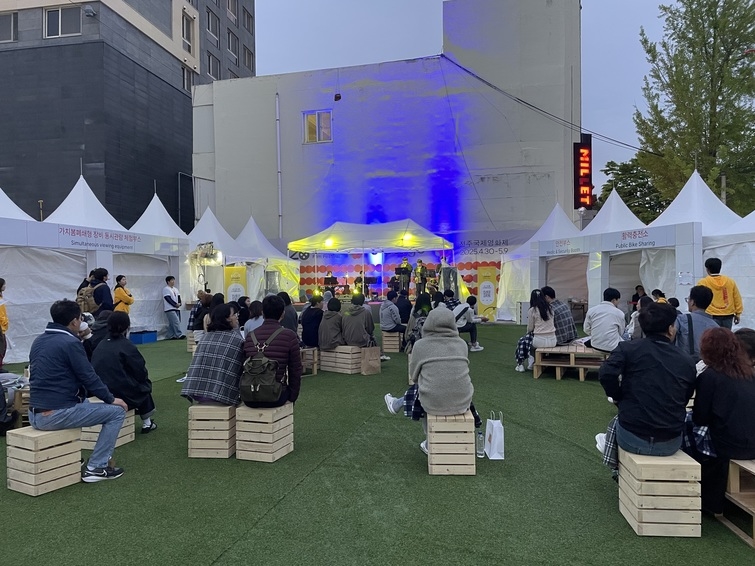
Another distinguishing feature is how the entire city functions as a film platform. During the festival, screenings and events spill out of cinemas and into alleyway shops, cafes and cultural complexes. That “Cinema City” approach pulls the audience into everyday urban life and blurs the line between film and place.
The model also produces measurable economic benefits. Festival attendees typically stay two to three days, driving lodging, dining and tourism spending and boosting sales for local small businesses. The festival is frequently cited as a clear example of how cultural programming can directly stimulate regional economies.
That Jeonju has built an autonomous ecosystem is particularly significant in a film industry long dominated by Seoul. By integrating production support, creator networks and audience engagement, the city offers a replicable model showing that a viable film industry can thrive outside the capital.
An industry official put it bluntly: “Jeonju is no longer just a city that hosts a festival — it’s a city that makes films.” They called the festival a symbolic, material force that has altered the trajectory of South Korean independent cinema.
As it marks its 27th edition this year, the Jeonju International Film Festival is expanding creative support and deepening global partnerships as it positions itself to become a leading Asian hub for independent film.