On March 30, the presidents of South Korea's three terrestrial broadcasters—KBS, MBC and SBS—and the president of JTBC met for what amounted to a final round of talks over broadcast rights to the North and Central American World Cup but left without a deal. Rather than announcing a settlement, the three terrestrial broadcasters demanded that JTBC publicly accept responsibility for triggering the dispute. The Broadcasting, Media and Communications Commission (BMCC) said the four broadcasters agreed to begin working-level talks as soon as possible. JTBC has not commented.
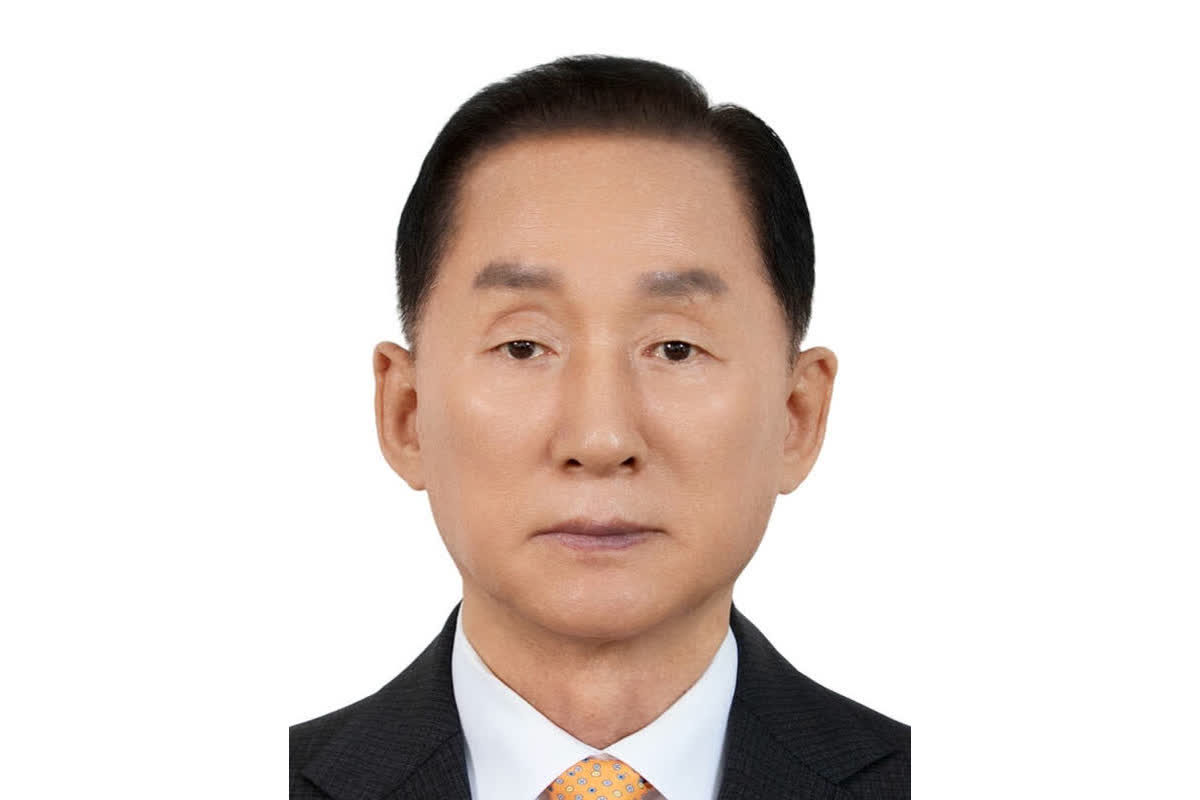
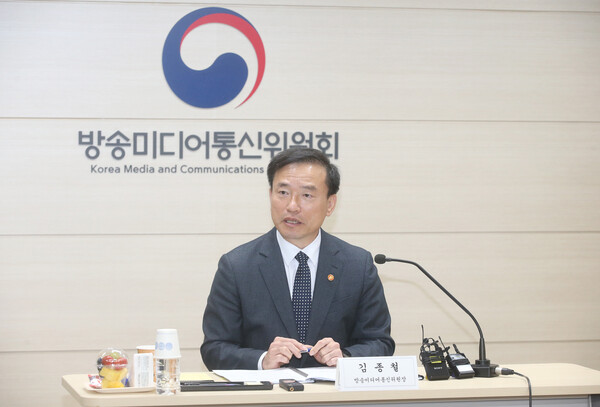
Chaired by BMCC Chairman Kim Jong-chul, the group held a breakfast meeting on the morning of March 30 with MBC president Ahn Hyung-joon, KBS president Park Jang-beom, SBS president Bang Mun-shin and JTBC president Jeon Jin-bae. JTBC had said on March 24 that negotiations needed to finish by the end of March to ensure smooth World Cup broadcasts, so the meeting functioned as a last-chance negotiation.
Media Today reported that JTBC initially offered each broadcaster in the low 30 billion KRW range (approximately $22.5 million), then reduced its offer to 25 billion KRW (approximately $18.8 million) as the tournament approached. The three terrestrial broadcasters countered with offers in the low 10 billion KRW range (approximately $7.5 million). SBS has consistently indicated it does not intend to buy the rights—from the Milan–Cortina Winter Olympics through the North and Central American World Cup. JTBC wanted to resell World Cup rights to KBS and MBC, but talks have stalled. A source at one terrestrial broadcaster said Korea’s recent 0–4 friendly loss to Ivory Coast has weakened the World Cup's commercial appeal and made a purchase harder to justify.
Immediately after the breakfast meeting, the three terrestrial broadcasters released a joint press guide titled \"KBS, MBC, SBS Joint PG on 2026 World Cup Broadcast Rights Negotiations,\" saying there had been no progress. They again demanded that JTBC take a responsible position for causing the current rights dispute.
In contrast, the BMCC said the four broadcasters had agreed to start working-level negotiations on the North and Central American World Cup rights as soon as possible.
They also agreed to begin discussions about forming a consortium. The BMCC said it will cooperate on creating and operating a \"Korea Consortium\" that would include the three terrestrial broadcasters and JTBC for Olympic and World Cup matches that JTBC secures through 2032, beginning after the 2026 World Cup. A source at one terrestrial broadcaster confirmed they will discuss forming the consortium.
JTBC did not issue a statement immediately after the meeting with the BMCC chairman and the heads of the three terrestrial broadcasters and appears to be monitoring the situation for now.
At a press briefing marking his 100th day in office on the afternoon of March 30, BMCC Chairman Kim Jong-chul said the matter could foreseeably produce financial losses and that the outlook therefore remains uncertain. He urged broadcasters to view universal viewing rights as a public responsibility, saying they must balance competition with fairness and solidarity. He warned against focusing solely on economic gain and asked that discussions be grounded in public responsibility and principles of collective obligation.