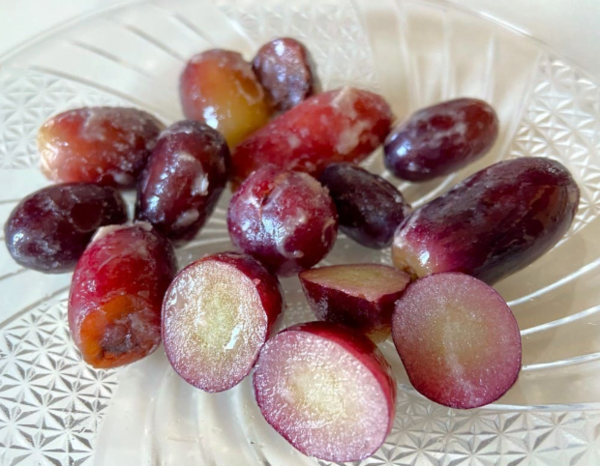
Before you pop imported grapes with the skins on — here’s why you should think twice.
We usually eat grapes whole, but imported grapes are a different story. They often travel far, and to keep them looking fresh and surviving long transit times, suppliers may treat them with various preservation methods.
So can you just rinse imported grapes and eat them? Produce workers often advise, “Wash them one more time, thoroughly.” The concern goes beyond basic cleanliness — it’s about residues that can be left behind.

Imported grapes often get treatments to preserve them for long-distance shipping
After harvest, it can take a long time for imported grapes to reach store shelves. To delay spoilage, they may undergo preservation or anti-decay treatments.
Common examples include antifungal agents or surface coatings. Those treatments aren’t automatically unsafe, but some residue can remain on the skin — which is why washing matters.
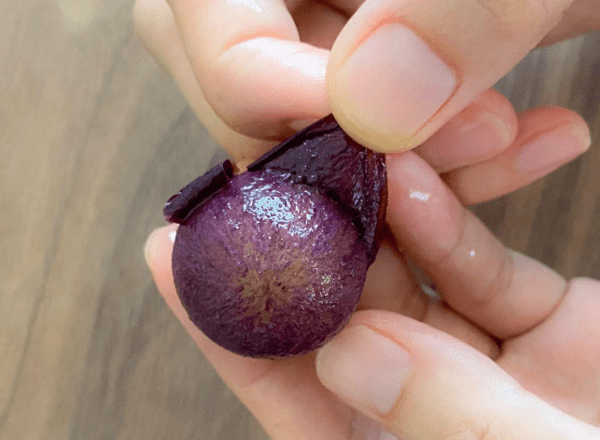
Pesticides or coating residues can cling to the skin
Grapes have thin skins and lots of surface area, which makes it easy for pesticides or treatment chemicals to stick. Imported grapes may receive extra handling to preserve quality during transit. Eating them without washing can mean ingesting those residues — so if you plan to eat the skin, be extra careful.
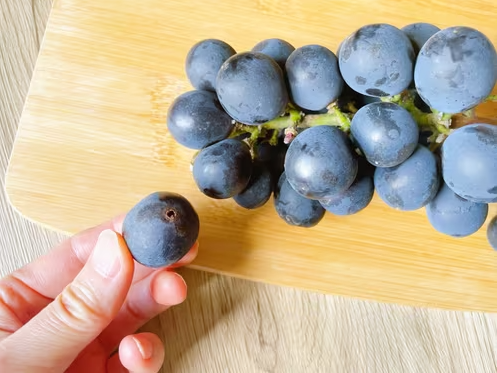
These residues can irritate the stomach or trigger allergies
If you’re sensitive to pesticide residues or chemicals, you might experience stomach pain, nausea, or allergic reactions. Most residues are kept below safety limits, but repeated exposure or individual sensitivity can still cause issues. Kids and people with sensitive stomachs should be especially cautious.
People often say:
“I felt a bit off after eating grapes.”
That sensation might not just be from overeating — it could be from insufficient washing. A small oversight can show up as a physical reaction.
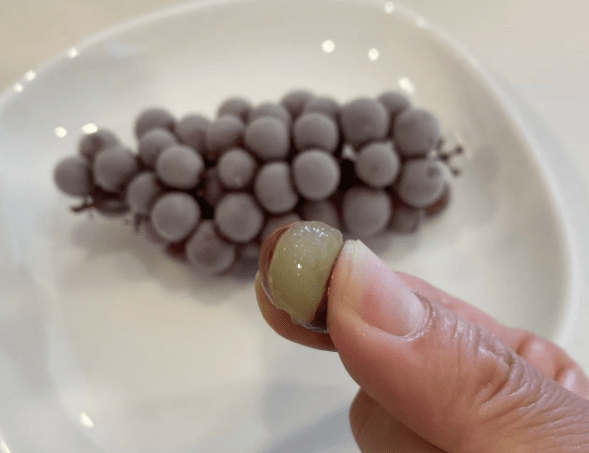
Washing properly is key to eating them safely
When you eat imported grapes, start by rinsing them under running water several times. Soak them for about 5 minutes in a diluted vinegar or baking soda solution, then rinse again to help remove surface residues. If you can, separate the grapes and wash them individually — it’s more effective.
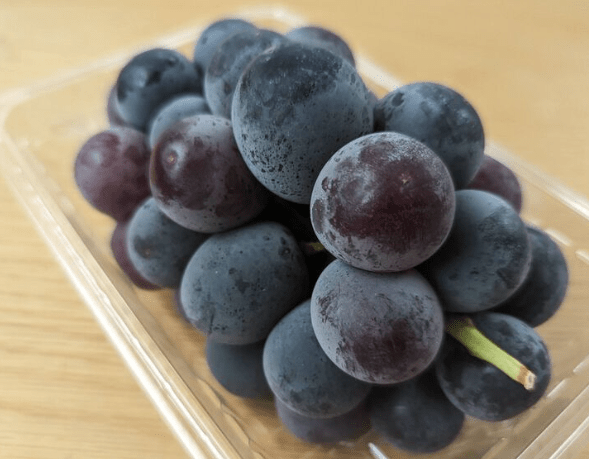
The point is how you prepare them when you eat the skins
The grapes themselves aren’t the problem — it’s the habit of eating them without washing. Proper washing makes them safe to enjoy. With imported fruit, take that extra moment to rinse and soak — your stomach will thank you.