A fresh hanbok-centered fashion experiment took place at Seoul’s Dongdaemun Design Plaza (DDP). Designers fused traditional silhouettes with global modest-fashion elements, turning the runway into a glimpse of K‑fashion’s expansion potential.
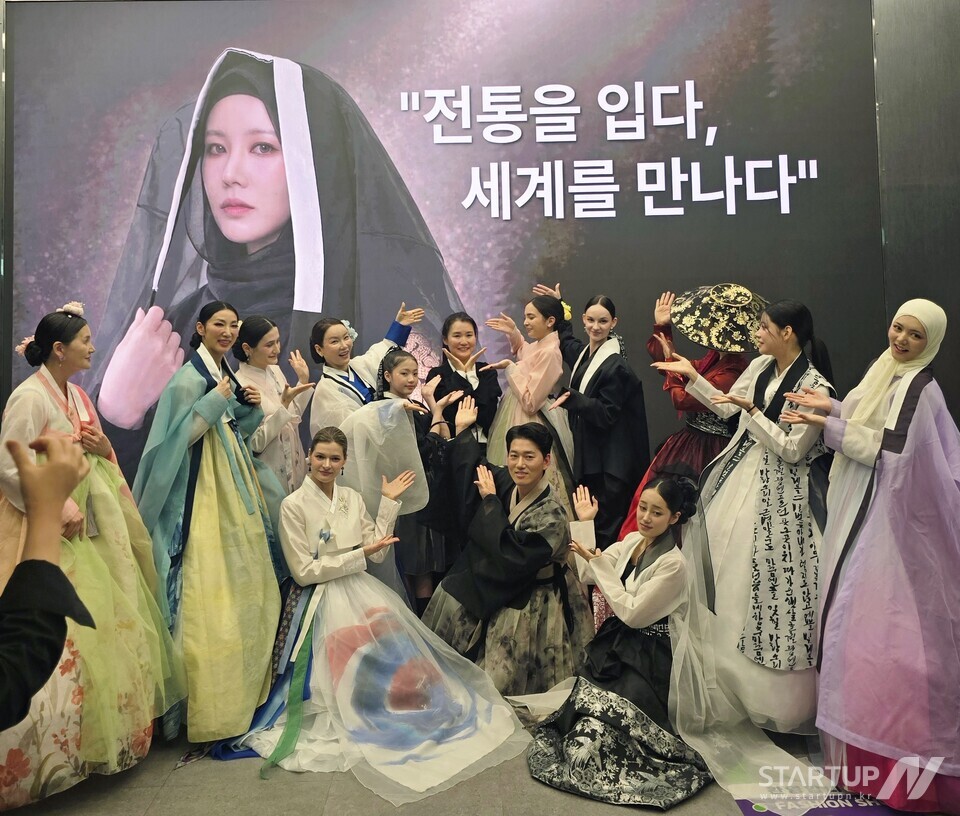
On April 2, KAHO KOREA unveiled its K‑Modest Hanbok collection during the main show at the PSID International Textile & Fashion Exhibition, staged at the Seoul Fashion Creation Studio. The collection kept classic hanbok lines while incorporating hijab styling—an intentional nod to religious and cultural diversity in a global market.
The audience included diplomats and fashion insiders from Korea and abroad, all watching closely as the hanbok was reimagined not just as heritage dress but as exportable, contemporary content for worldwide consumers.
The project is tied to the Made in Namdaemun K‑Goods initiative, which aims to combine Namdaemun market products with creative content for overseas expansion. Onstage, organizers literally dramatized that export strategy.
Winners from the inaugural Namdaemun Hanbok Model Contest walked the runway. Fresh faces shared the platform with international models, giving the event a dual purpose: promoting local talent and testing routes to the global stage.
The show didn’t stop at clothing; it blended genres to create a fuller cultural experience.
Hair and makeup were led by Ianju Lee, director and founder of Mavel Boutique, who crafted looks that honored tradition while feeling modern. Her deep K‑beauty expertise added polish and visual cohesion to the presentation.
Performance also played a role. Choreographer Kim Mul‑gyeol staged a contemporary dance titled Wolhajeongin, weaving narrative into the runway and raising audience engagement through motion and storytelling.
Art and fashion intersected in striking ways. Several hanbok skirts featured prints inspired by Vincent van Gogh alongside works by artists from the International Culture Forum. It was a deliberate experiment in blending visual art with wearable culture—an attempt at cultural‑exchange content that feels gallery‑meets‑runway.
The 27-piece collection maintained traditional construction while introducing veil styling aimed at the modest‑fashion market. That aligns with a broader global trend toward garments that minimize exposure, suggesting clear commercial promise.
KAHO KOREA CEO Ryu Soo‑jung said, “This project realizes a content model that combines hanbok‑based fashion with beauty, performance, and art.” She added that the company plans to expand overseas through the Namdaemun‑based K‑Goods initiative.
The second Namdaemun Model Contest is scheduled for September. Organizers intend to grow the contest into a platform that links model training with international opportunities.
Industry observers described the event as a model for connecting traditional market–based industry with K‑fashion, K‑beauty, and K‑art—not just a one‑off show. They say it could lead to government support or international projects down the line.
As hanbok continues to be reinterpreted, everyone from buyers to editors will be watching how this cultural garment is consumed and reinvented within the fashion industry.