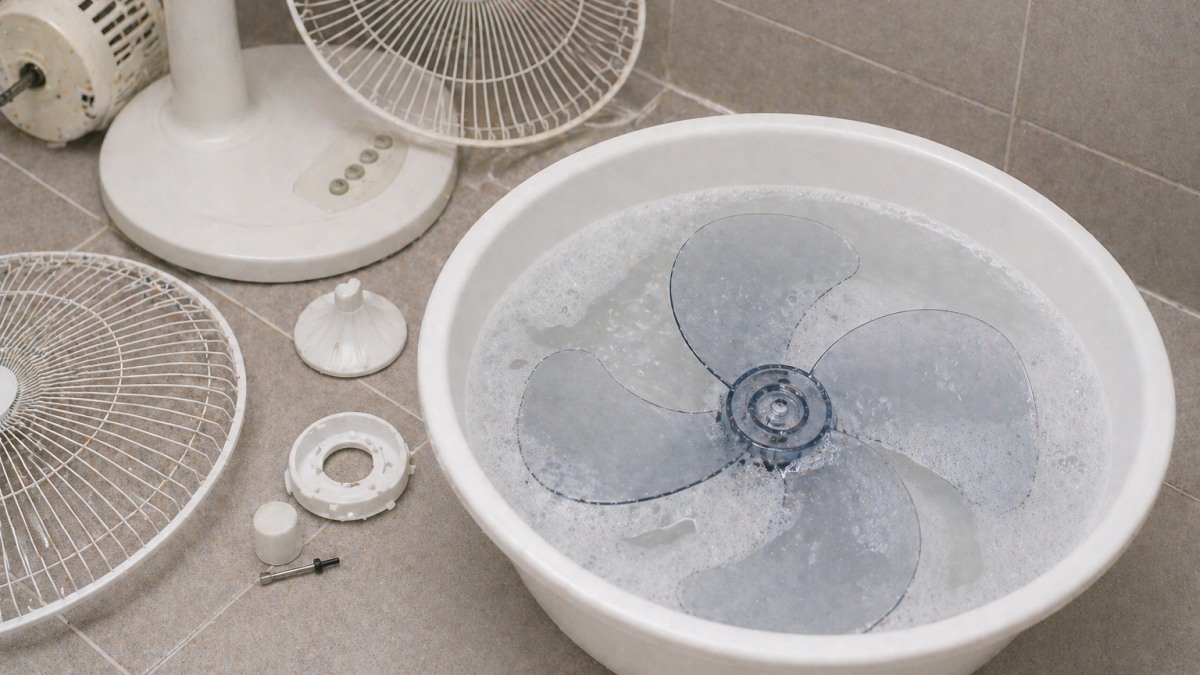
Sticky heat is already riding the breeze outside. Before the peak of summer arrives, it’s time to inspect the living room’s summer sentries—the fan and the air conditioner.
Cleaning appliances isn’t just cosmetic. It’s a direct way to protect your family’s respiratory health and to prevent overheating inside the unit—problems that can drive up your electric bill.
Imagine beginning the season with the faint scent of detergent and fresh air rather than the harsh sting of bleach.
Before the big heat wave hits, taking time to clean your cooling gear is practical—and surprisingly satisfying. Use the methods below.
Fan cleaning: prevent dust buildup and care for the motor
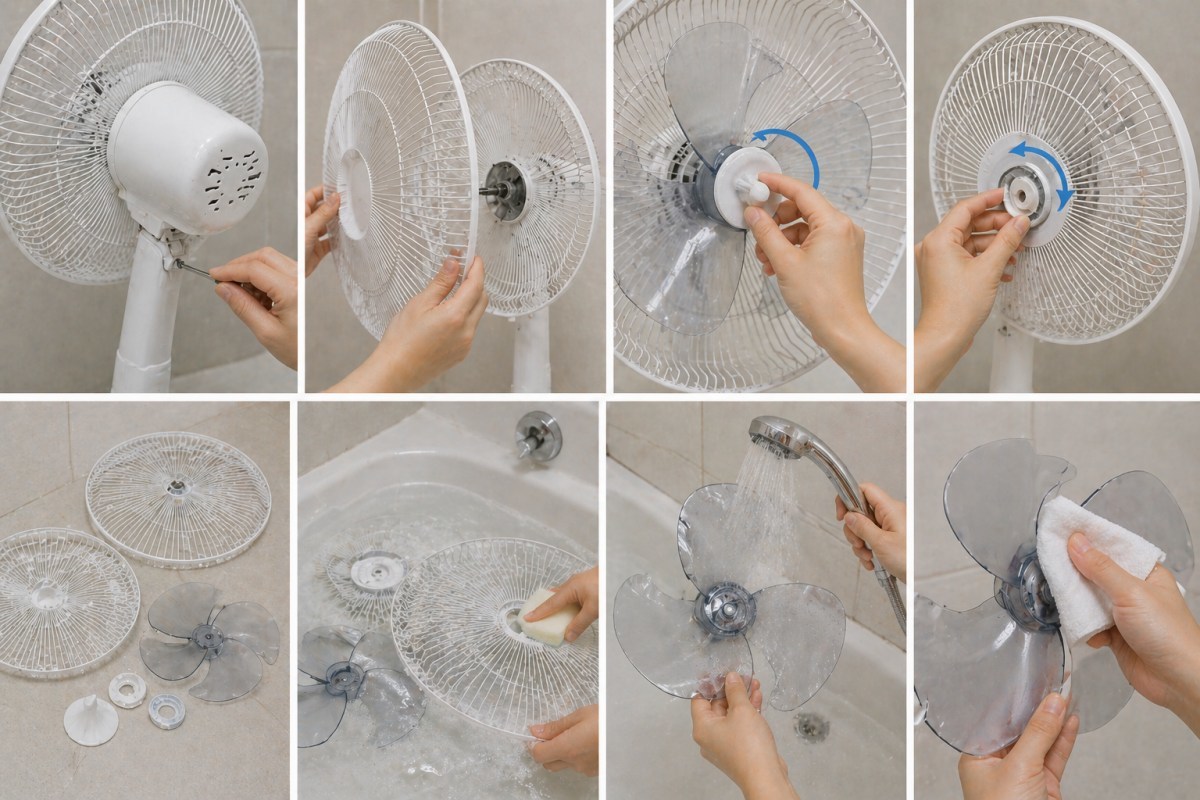
Start by fully disassembling the unit. Unscrew the base screws and remove the front safety grill. Turn the blade-fixing cap (spinner) clockwise to loosen it and pull the blade free. Remove the rear safety grill by turning its retaining nut counterclockwise.
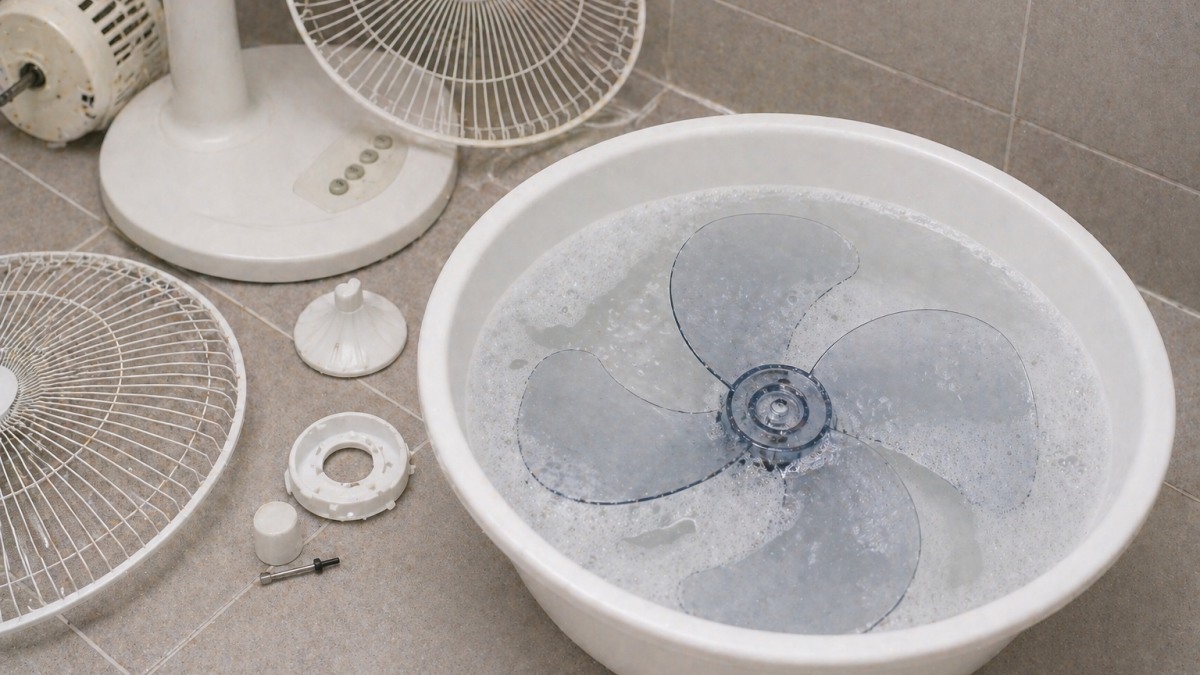
Clean the disassembled parts with a mild detergent in the bathtub or shower.
The final rinse matters. Rinse the blades in water with a small amount of fabric softener, or lightly wipe the blade surfaces with a dry cloth dampened with fabric softener. That leaves a thin coating that suppresses static and helps prevent dust from resettling.
Pay attention to the motor and shaft. Dust trapped in the motor cover and crevices can cause overheating, so remove it with a vacuum cleaner or cotton swabs.
If the fan makes noise while running, apply a drop of household grease or lubricant to the motor shaft to reduce friction.
Home air conditioner cleaning: remove internal contamination
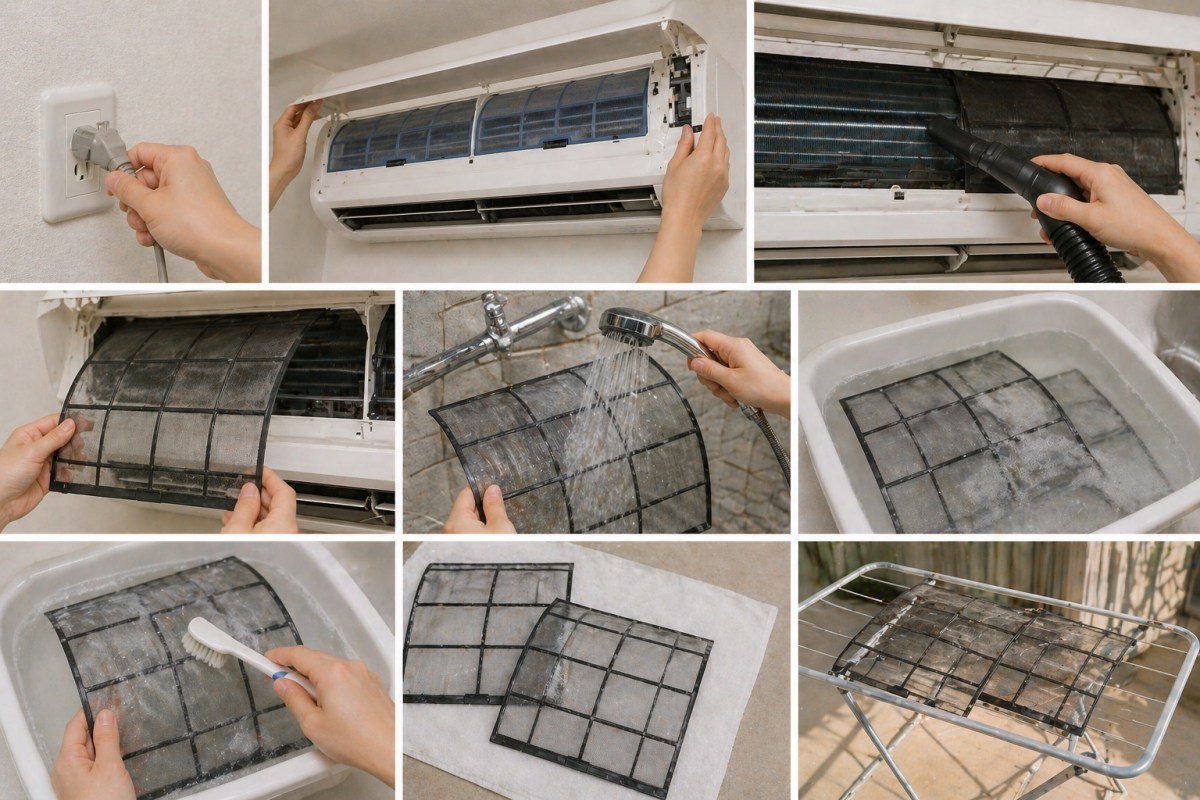
Always unplug the unit before starting. Wipe the exterior with a soft cloth dampened with lukewarm water, and vacuum loose dust around the intake. Open the front or top cover to remove the filter.
To rid the filter of dust, spray water from the back toward the front to push debris out. Then soak the filter in water with a mild detergent for about 30 minutes and gently scrub with a soft brush.
Dry the filter completely in the shade—direct sunlight can deform it.
Next, address the cooling fins (heat exchanger). These exposed metal fins are critical to performance and require careful cleaning.
Spray a commercial air conditioner cleaner along the grain of the fins. Avoid letting the cleaner contact electrical components (the circuit board), and don’t overapply; excess cleaner can clog the drain.
After 10–15 minutes, rinse residual cleaner from the fins with clean water from a spray bottle. When you first run the unit after cleaning, avoid full cooling mode: use fan mode or the dehumidify setting for 30–60 minutes to dry the interior completely and prevent mold from returning.
How to maintain cleanliness in the environment
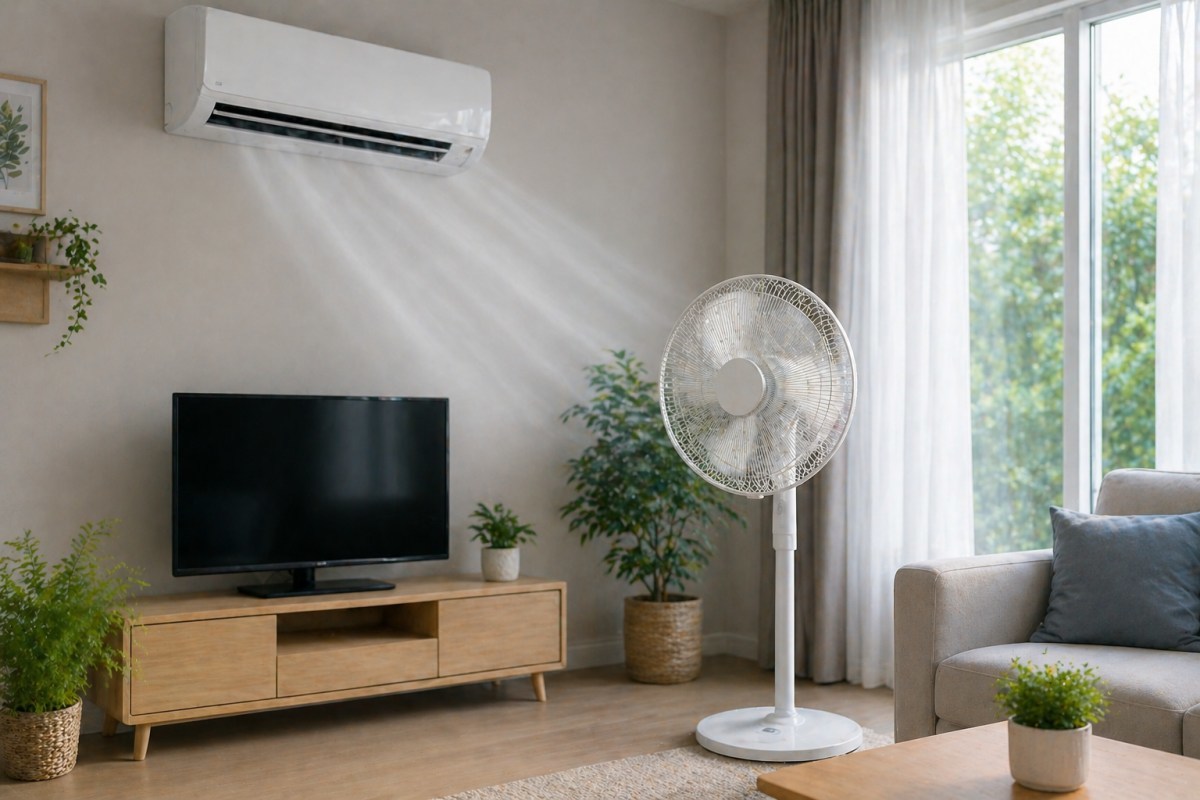
After the final cleaning before storage, dry the unit in the shade for 2–3 days to remove any lingering moisture.
For modern air conditioners, enable the automatic dry function; for older models, run fan mode for at least 15 minutes before turning them off.
If dust or objects obstruct the outdoor unit, heat dissipation suffers, increasing fire risk and electricity costs. Periodically spray water to clean dust from the back of the outdoor unit.
Cleaning precautions
Never use bleach to clean an air conditioner. Bleach can corrode metal cooling fins and, when the unit runs, residual gas can be released into your home. Use a dedicated air conditioner cleaner or a citric acid solution, and keep a window open for ventilation while cleaning.
Also, avoid letting water contact the fan motor directly. Water near the motor can cause short circuits or fires; clean the motor area with a dry cloth or use compressed air instead.
Habits that extend an air conditioner’s life
Before you switch the unit off, run it in fan mode. Turning the power off immediately after cooling lets warm room air contact cold internal parts, creating condensation. That moisture becomes a breeding ground for mold.
Use the automatic dry feature or run fan mode for at least 30 minutes before shutting the unit off so the interior dries thoroughly.
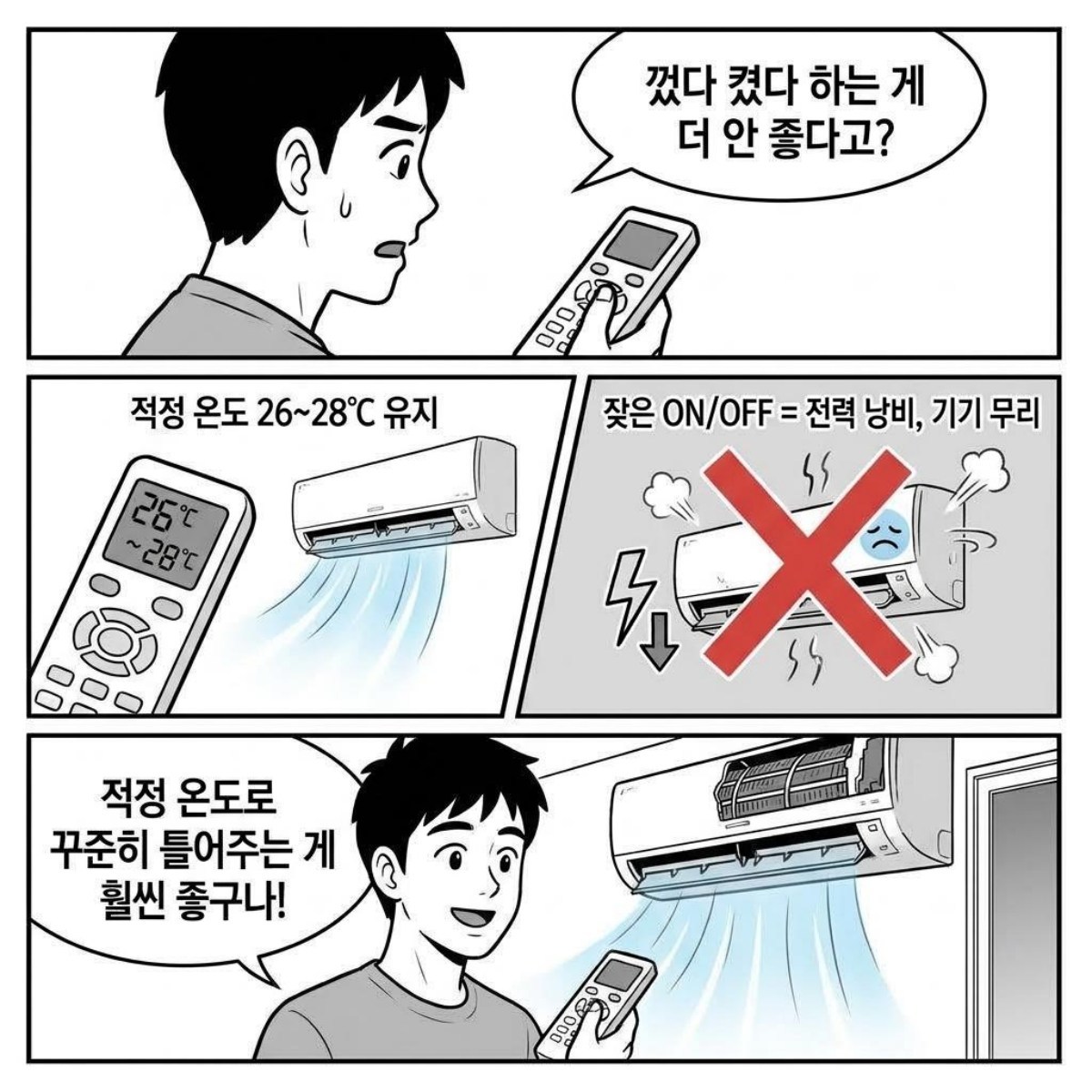
Also, maintain a steady set temperature once you reach your target. Constantly switching the unit on and off strains the inverter compressor and wastes energy. Set it to a steady temperature—about 26–28°C—and let it run to reduce load.
How to preserve fan performance
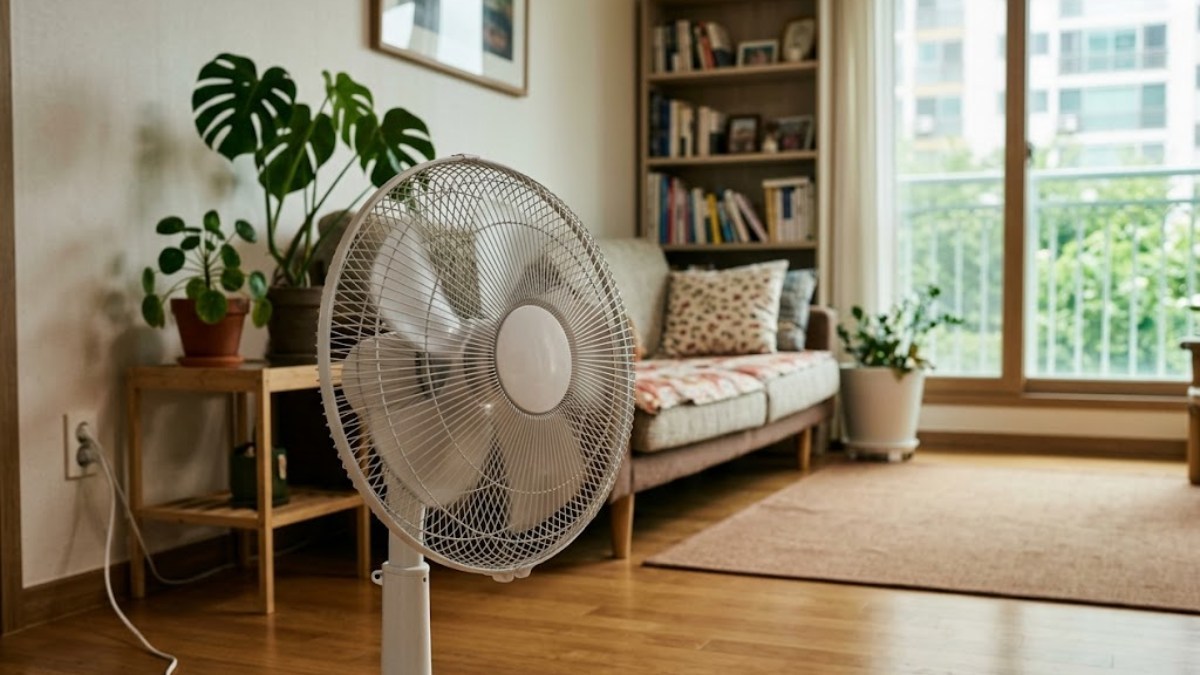
Let the motor cool after use. Running a fan 24 hours straight risks overheating. After 3–4 hours of operation, give it a break so the motor can cool down.