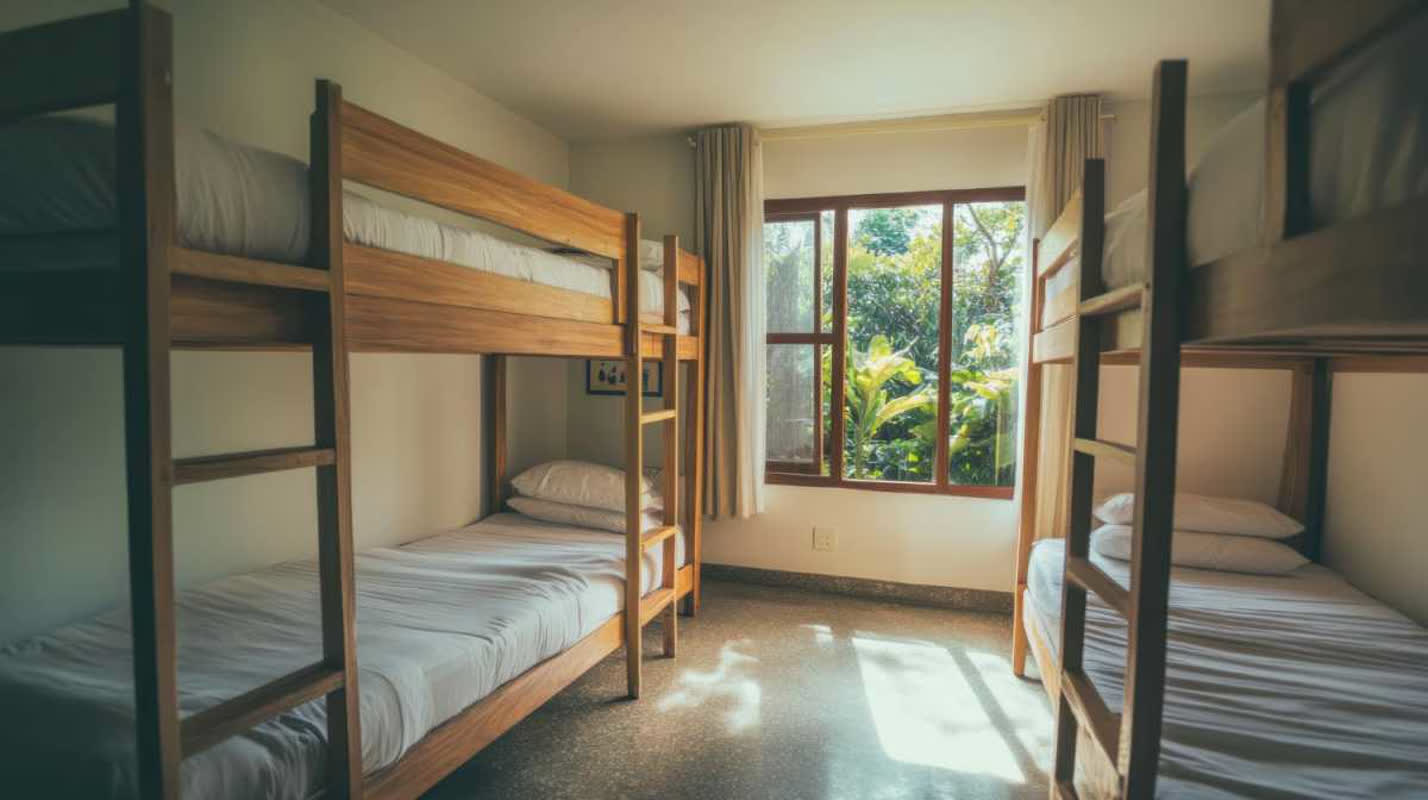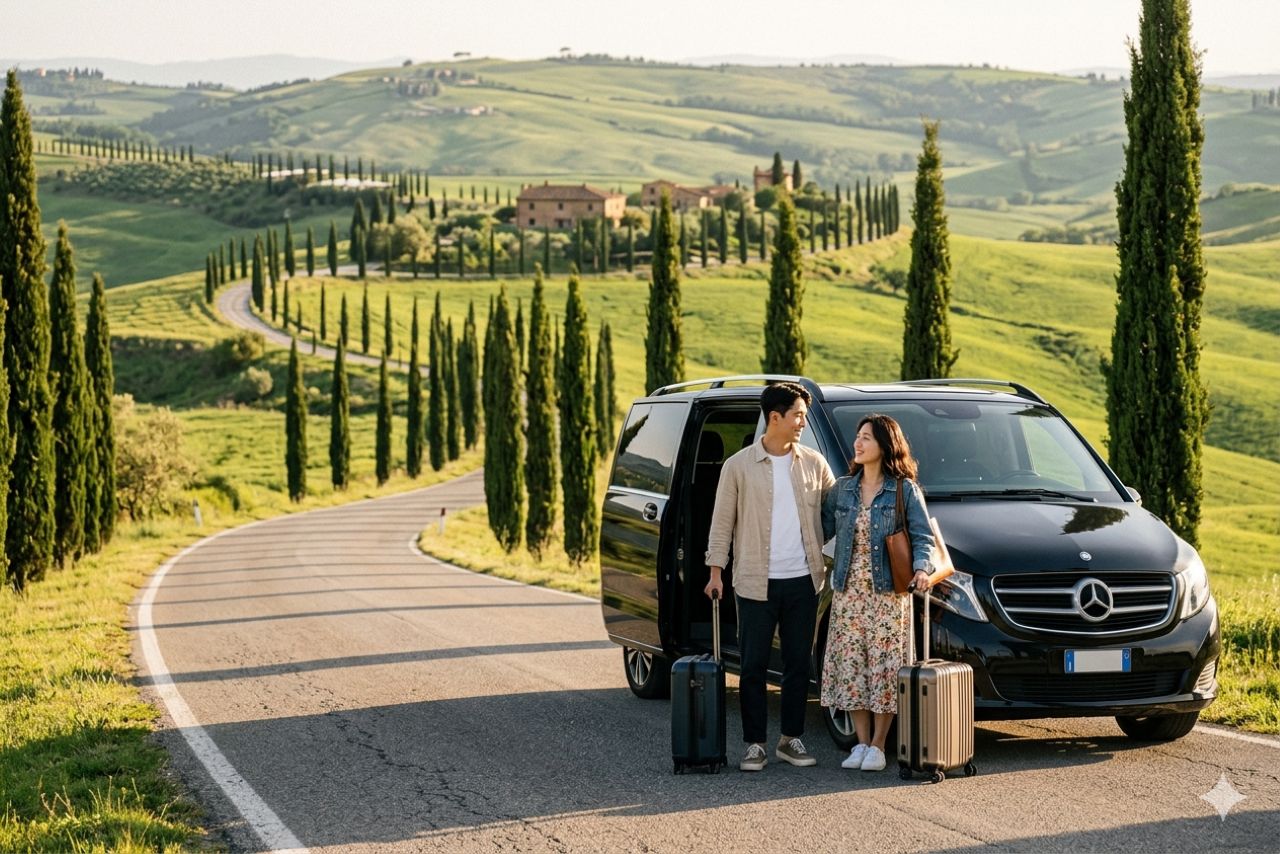
Deciding how to hop between European cities—by rental car, train, or a low-cost airline—can be one of the trickiest parts of planning an independent trip. Hauling a suitcase that weighs over 20 kg (about 44 lb) up and down stair-only train stations, or stressing about notorious train delays and pickpockets, can suck the joy right out of your getaway.
That awkward gap after checking out of your hotel—when you’re stuck hunting for luggage storage before your next destination—can be especially frustrating. Enter the Sending Tour: a simple service that solves that hassle in one go.
Today we’ll walk you through Sending Tours—from the basics to the most popular routes—so your European trip feels smoother and more effortless.
What is a Sending Tour?
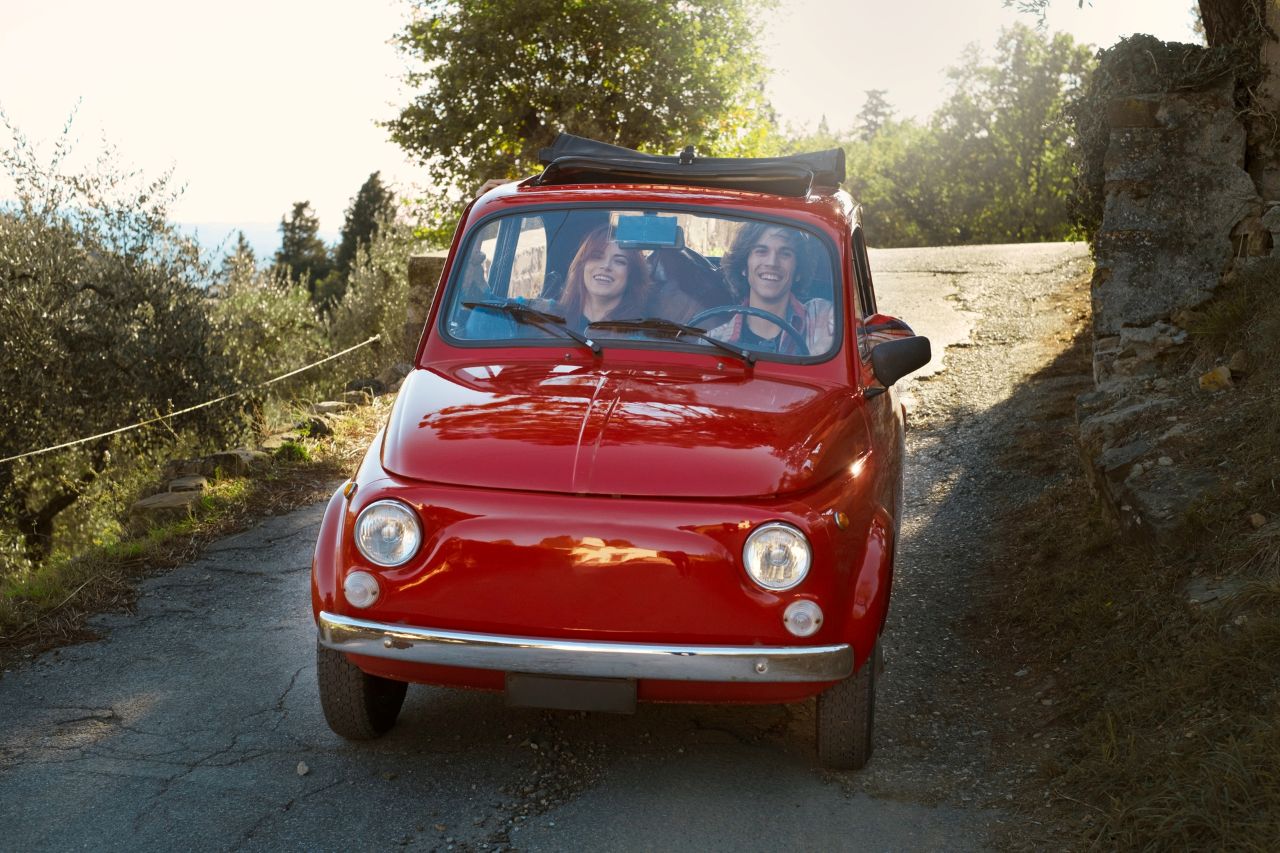
A Sending Tour is, in short, a guided sightseeing-and-transfer service. Typically, a vehicle will pick you up at a meeting point in City A, stop at charming small towns along the way for sightseeing, and then drop you off at your accommodation or the airport in City B.
Independent travelers love this service for a few clear reasons.
First, it frees you from your luggage. With heavy suitcases stowed in the vehicle, you can explore light and carefree. Second, it improves access. You can efficiently detour to hidden attractions or shopping outlets that trains and buses rarely serve. Finally, it offers safety and convenience. You travel in a private vehicle—often driven by an experienced local Korean guide—so you can relax without constantly watching for pickpockets.
So what do typical Sending Tour routes look like? Here are some favorites.
Rome ↔ Florence: Tuscany Sending Tour
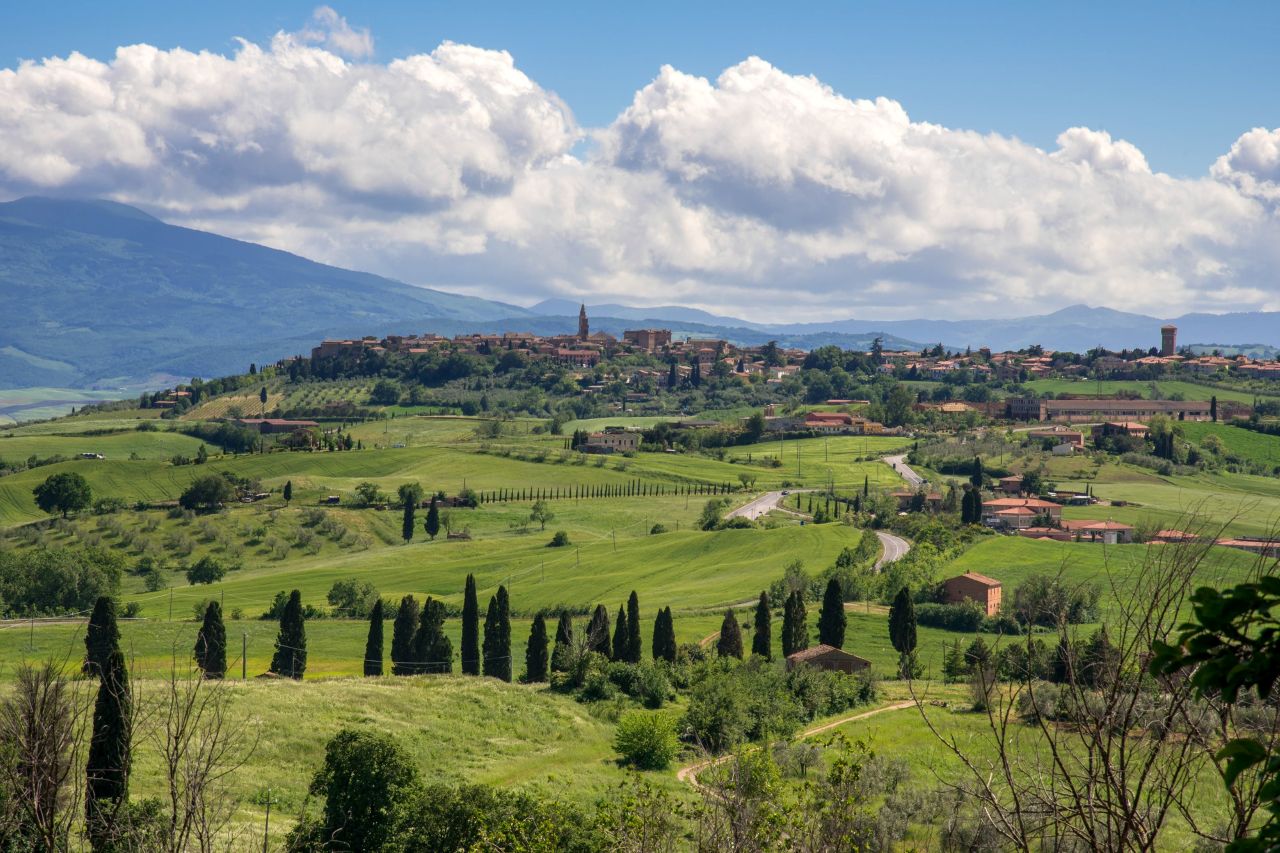
Italy is by far the busiest Sending Tour destination in Europe, and the route between Rome and Florence is the signature experience. It lets you soak up Tuscany’s iconic cypress-lined views—the kind trains usually just rush past.
The highlight is the Val d'Orcia plain. Drive down the cypress avenue famous from the film Gladiator and you’ll find endless postcard-ready backdrops—every snap is a keeper.
You can also stop in medieval gems like Pienza or Montepulciano for a leisurely gelato or a winery visit. Lately, routes that include The Mall outlet for luxury shopping have become popular, making this an efficient and rewarding way to spend travel time.
Prague ↔ Vienna ↔ Budapest Route Sending Tour
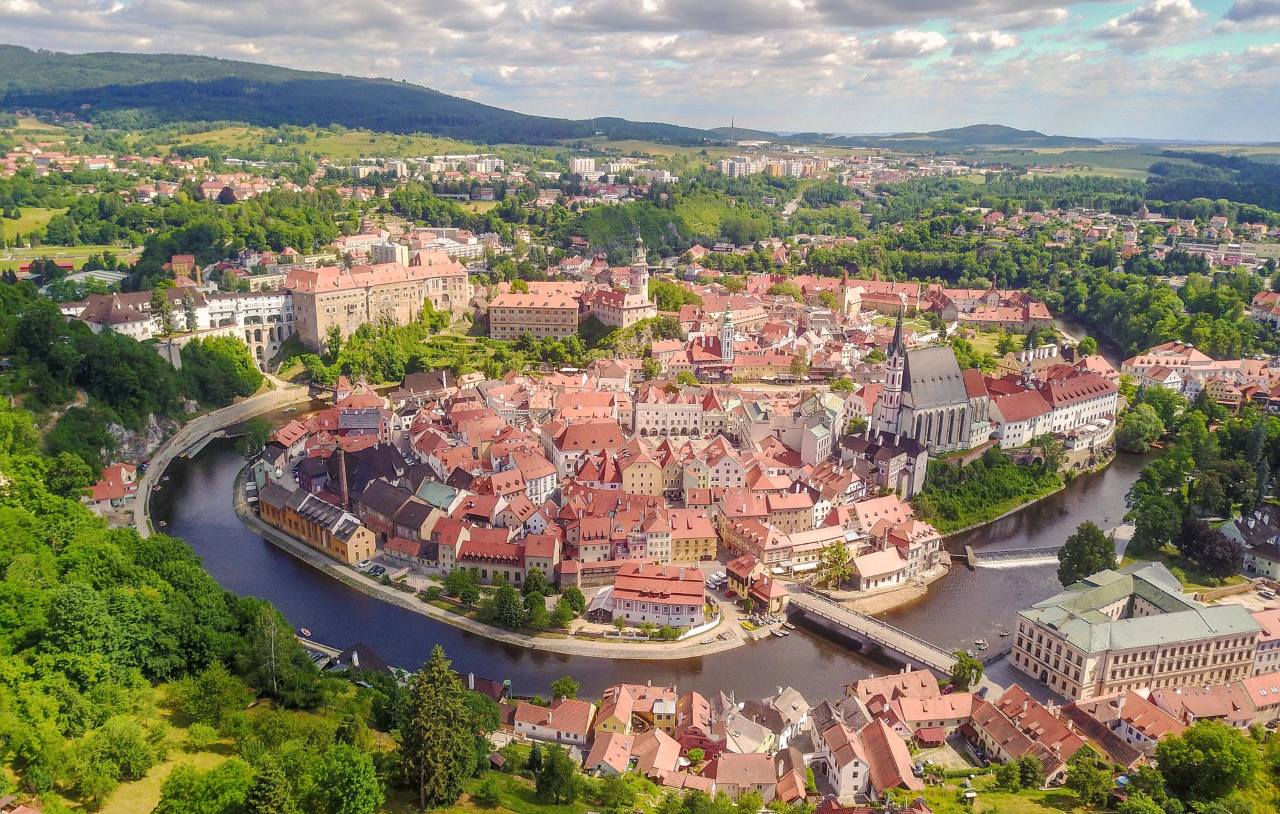
Sending Tours shine in Eastern Europe too. Traveling between Prague and Vienna or Budapest often means crossing borders, and using trains can add the hassle of transfers and the risk of lost luggage.
A standout stop on this stretch is the UNESCO-listed Český Krumlov. This fairy-tale town sits between Prague and Vienna and can be tricky to reach by train. With a Sending Tour, you can spend roughly three fulfilling hours exploring and still make it to your Vienna hotel that evening.
Routes that include Austria’s picture-perfect Hallstatt are also in high demand and tend to book up quickly.
Tips and Precautions for Using a Sending Tour
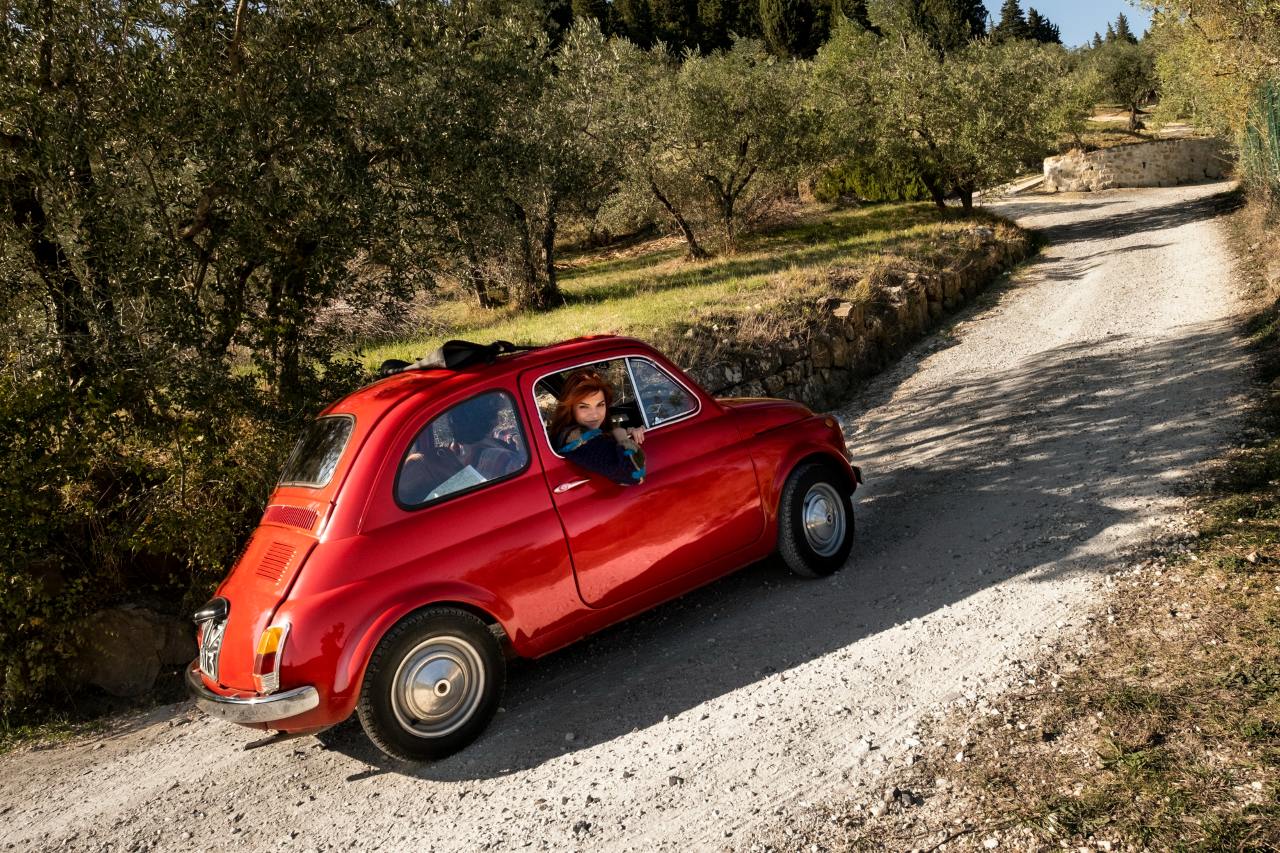
To make the most of a Sending Tour, check a few key details. Vehicle size depends on the number of passengers and suitcases. Before booking, give an accurate count and the sizes of your bags so the operator can provide the right vehicle.
Pick-up and drop-off usually happen in front of your accommodation, but in old-town areas where vehicles can’t enter, you may need to meet at a nearby landmark—confirm the meeting point in advance. Also, read reviews to ensure your driver is more than just a driver; ideally they’ll be a knowledgeable guide who can share local history and culture. And book at least two to three months ahead—popular routes fill up fast during holiday periods in May and the summer high season.
Skip the stress of wrestling with heavy bags or scanning train schedules. Instead, kick back and enjoy Europe’s interior scenery as you head to your next destination. On your next trip, think of a Sending Tour as a clever travel hack that turns transit time into part of the experience.