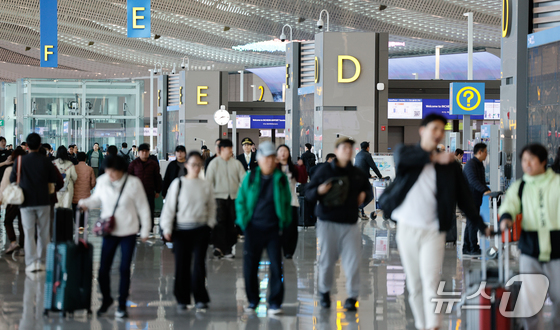
As security tensions across the Middle East escalate, the South Korean government has issued evacuation advisories for citizens in seven countries across the region. The crisis hit just before the spring travel rush, forcing the tourism industry to pull high-margin packages from sale and bringing connecting routes to a standstill.
We have nothing to sell — Middle East bookings halted and connecting routes frozen
On the 10th, major travel agencies including Hanatour (039130) and Modetour (080160) abruptly suspended sales of all trips to the Middle East with departures through the end of March, following government guidance.
This period normally marks peak demand—before the summer heat sets in—but many operators have effectively written off the spring season because of safety concerns.
What’s worse, the disruption isn’t limited to direct flights. Hubs like Dubai and Doha are affected, so budget-friendly itineraries that routed through the Middle East to Europe, the Maldives, or Africa have been canceled or put on hold. With those products wiped out, industry revenues are taking a heavy hit.
A representative from Yana International, which handles local ground services, said the government’s special advisory has made selling trips impossible for now. Even honeymooners who planned to fly to the Maldives via Dubai canceled, the rep added, underscoring how acute the situation is on the ground.
Agencies scramble to refund customers, but UAE partners offer no compensation and agencies absorb the bills
The industry has moved quickly to waive cancellation fees and issue full refunds to protect clients and preserve trust.
Even after flight corridors closed, travel companies mobilized alternate services to repatriate stranded customers. Hanatour arranged routes through Southeast Asia to get about 150 people home from Dubai, and Modetour secured alternatives via Taipei to repatriate roughly 190 clients.
Norang Balloon (104620) urgently secured direct flight EK322 on the 7th to bring in about 70 travelers, and Kyowon Tour and Nol Universe also managed to return all their clients safely. These agencies announced full refunds with no cancellation fees for March departures to the Middle East and affected connecting itineraries.
UAE partners refuse compensation, and a 16-year high in the exchange rate compounds the crisis
Despite these efforts, settlement disputes are intensifying. Abu Dhabi’s Department of Culture and Tourism (DCT) said the government would cover extended hotel stays, but many local hotels have excluded agency bookings from compensation and are pressing agencies to pay.
Yana International says that despite the tourism authority’s directive, hotels are taking an aggressive stance. Domestic firms have been using corporate cards to cover charges, the company added, pushing cash flow to the limit.
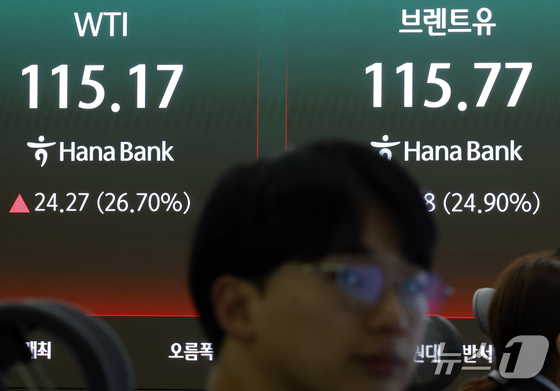
To make matters worse, a soaring exchange rate and oil prices are tightening the squeeze. On that day, Seoul’s FX market opened with the won at 1,493 KRW per USD (about $1.12)—up 16.60 KRW (about $0.01) from the previous session—the highest level in 16 years since the 2009 financial crisis. Global oil prices have also climbed past $100 per barrel, further eroding travel companies’ cost structures.
One industry source warned that with major hubs like Dubai paralyzed, exchange rates approaching 1,500 KRW (about $1.13), and high fuel prices, selling packages often means selling at a loss. If the security crisis drags on, the source cautioned, the whole sector could face capital erosion and a wave of bankruptcies.