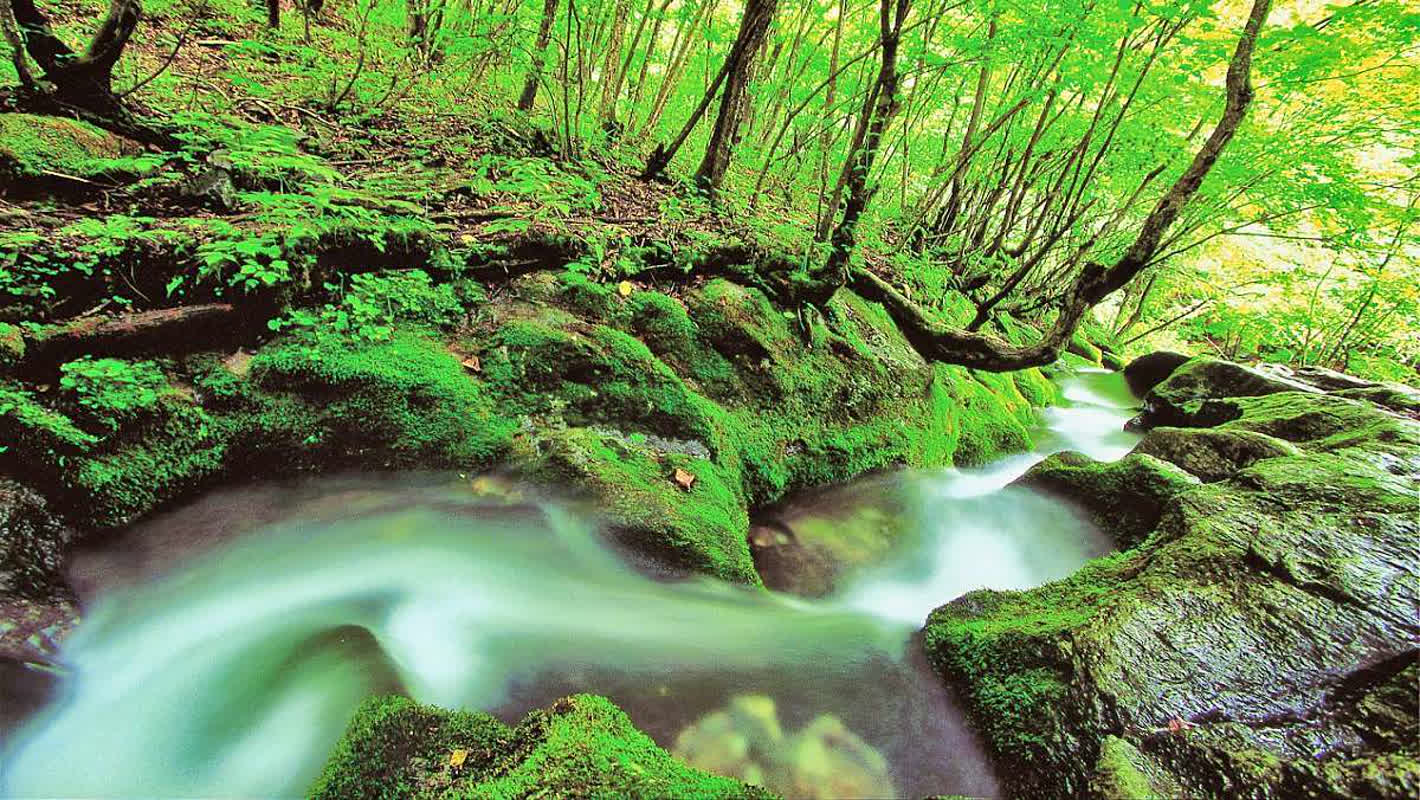
Some places keep time at a slight distance from the rest of the world. Ahopsan Forest, tucked into the slopes of Ahopsan in Gijang County, Busan, is one of them. The forest has watched over the land beyond its fence for more than 400 years.
Rather than flashy facilities or manmade sculptures, this is a place where trees layered with years take center stage, so you can calmly feel nature’s rhythm. Named for the nine peaks it embraces, Ahopsan Forest is a private woodland the Nam-pyeong Moon family has tended for nine generations—more than 400 years.
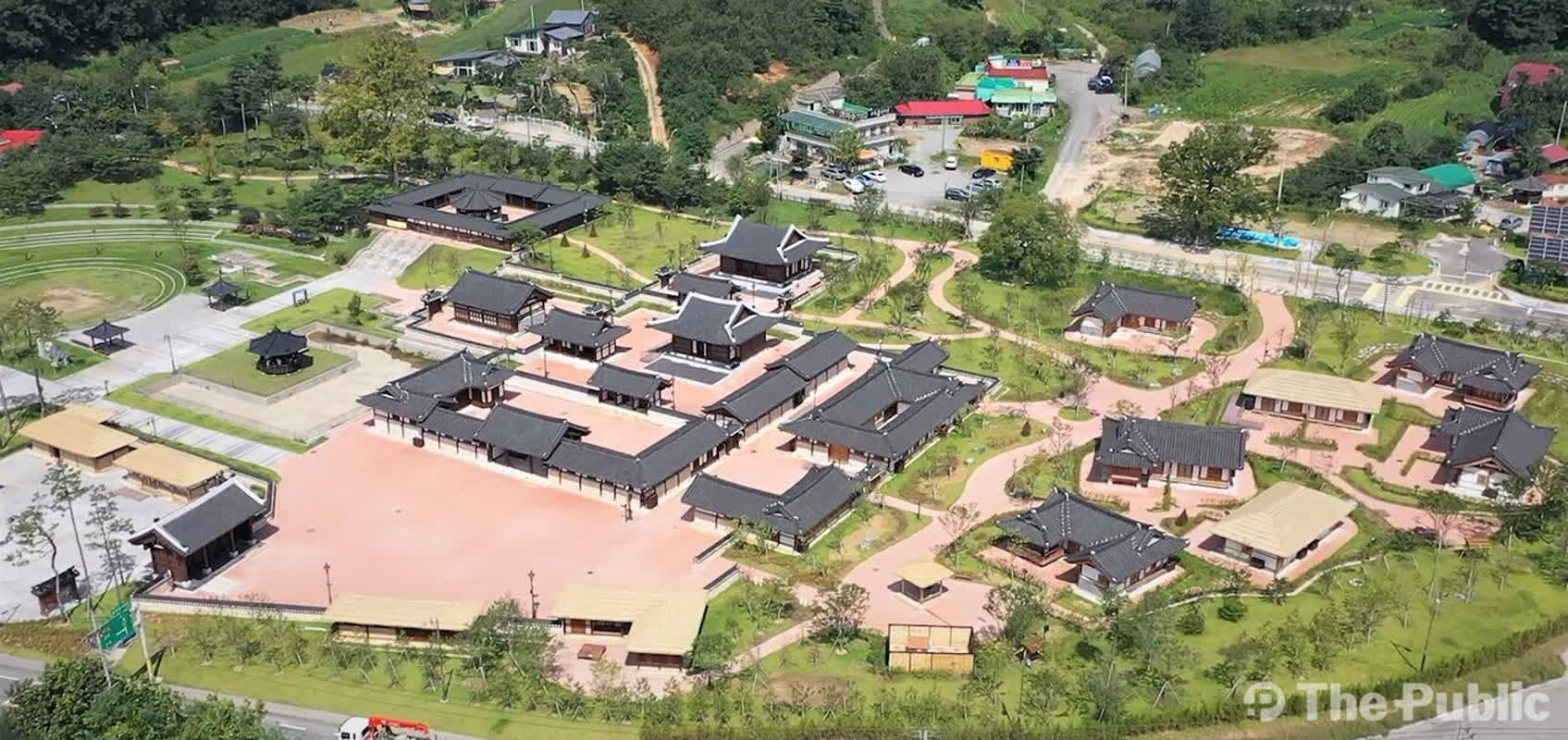
Even through the Japanese colonial period, the Korean War and rapid industrialization, the forest has preserved its original landscape. The family planted and cared for trees across generations, and today about 520,000 m² of woodland remains. Long designated as a greenbelt and a protected watershed—areas that limited public access—the forest opened to visitors in 2016. Since then, tourists coming to Gijang can slowly walk the paths and feel the forest’s texture up close.
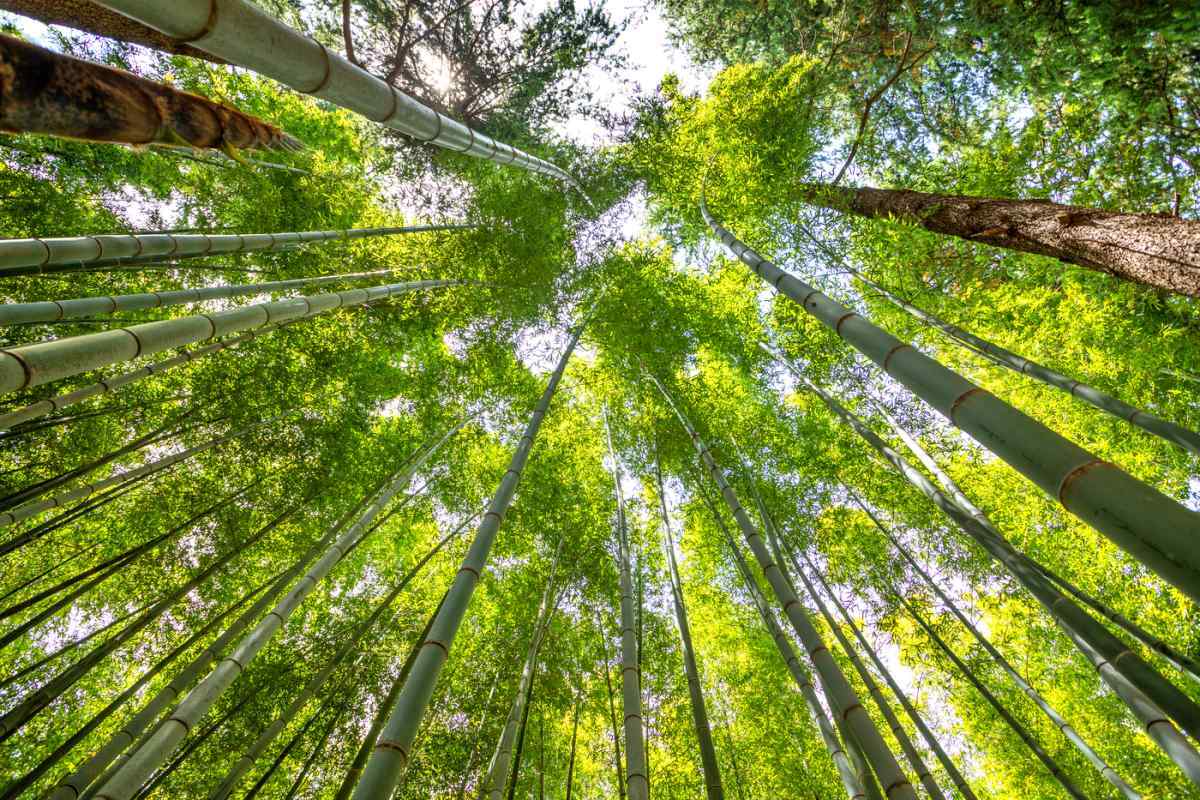
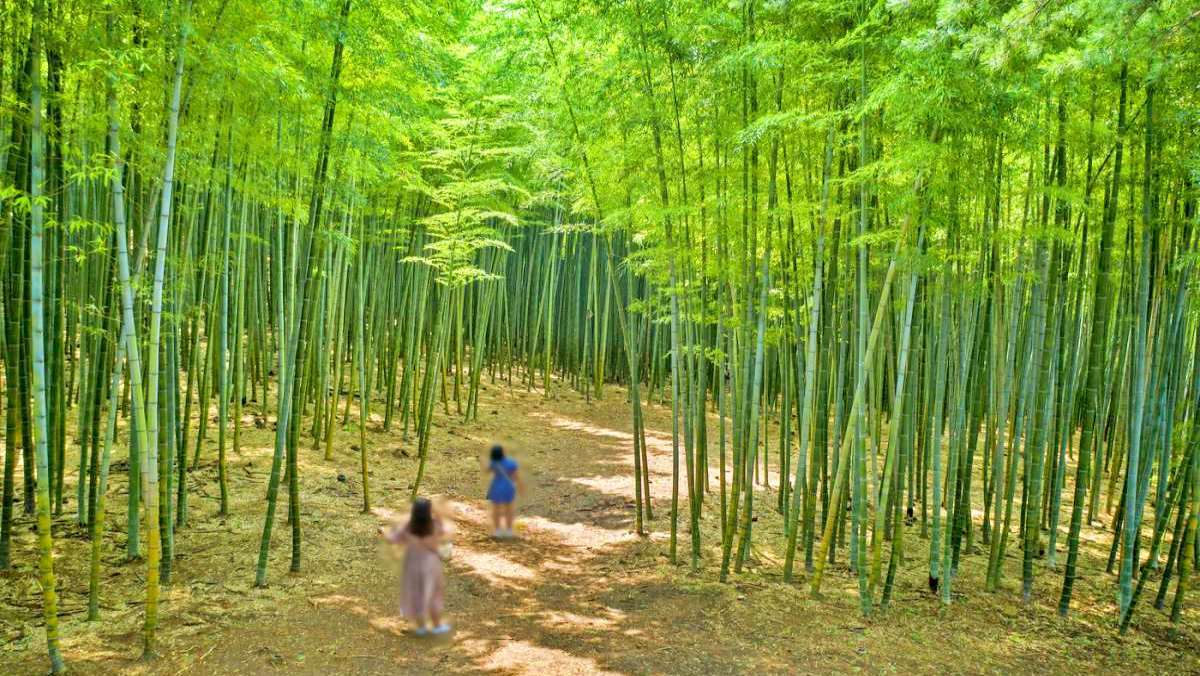
The first striking sight on the trail is the tall stand of moso bamboo. The dense bamboo creates a green panorama that’s one of the forest’s signature scenes. When the wind passes, the leaves brush and click, sharpening the forest’s mood. Further in, you’ll find trees aged roughly 100 to 300 years—Korean red pine, hinoki cypress and cedar among them. The site favors the forest’s natural form over artificial landscaping, letting the woods’ original texture lead. As you walk, tree height, density and the way light filters through change by section, so different parts of the same forest leave distinct impressions.
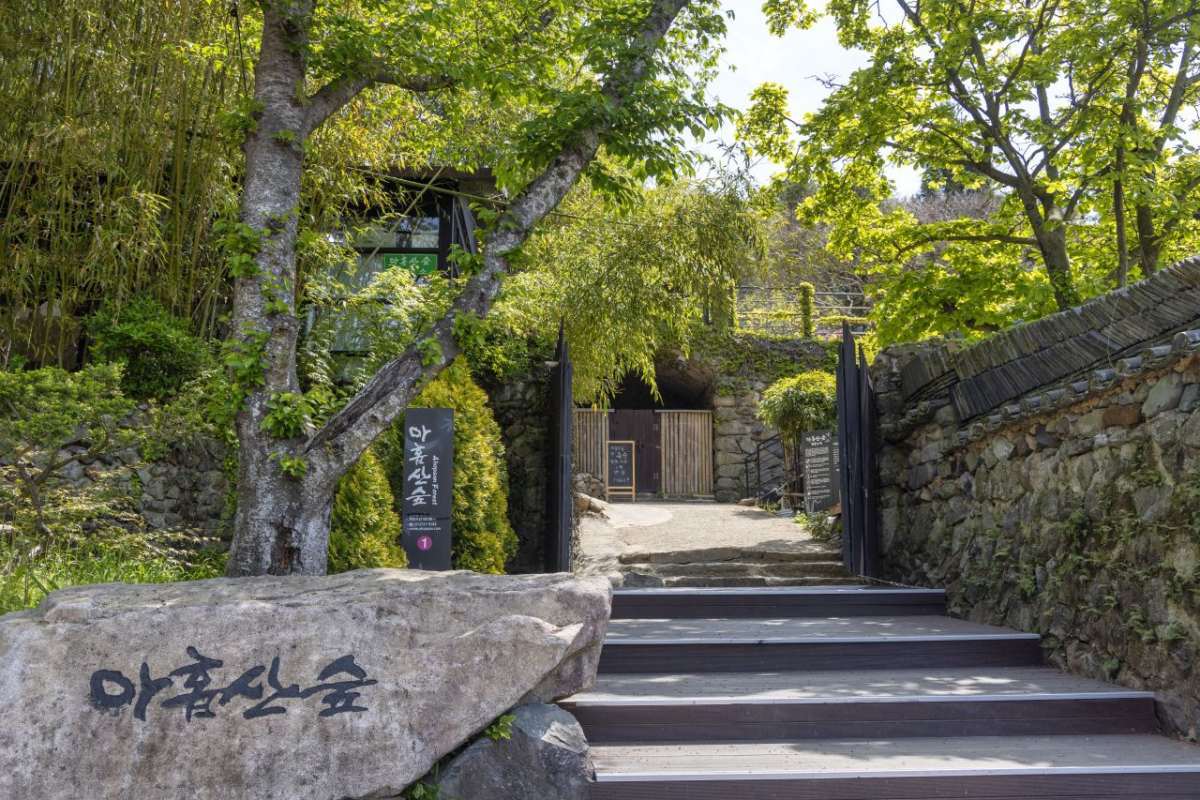
Ahopsan Forest has also served as a filming location. Its towering bamboo groves and deep, atmospheric trails translate beautifully on screen, making it the backdrop for several productions. At the same time, it’s become a popular photo spot on social media, drawing a steady stream of visitors. The path from bamboo to pine and cypress flows naturally; visitors tend to linger on the forest’s inherent character rather than staged scenes.
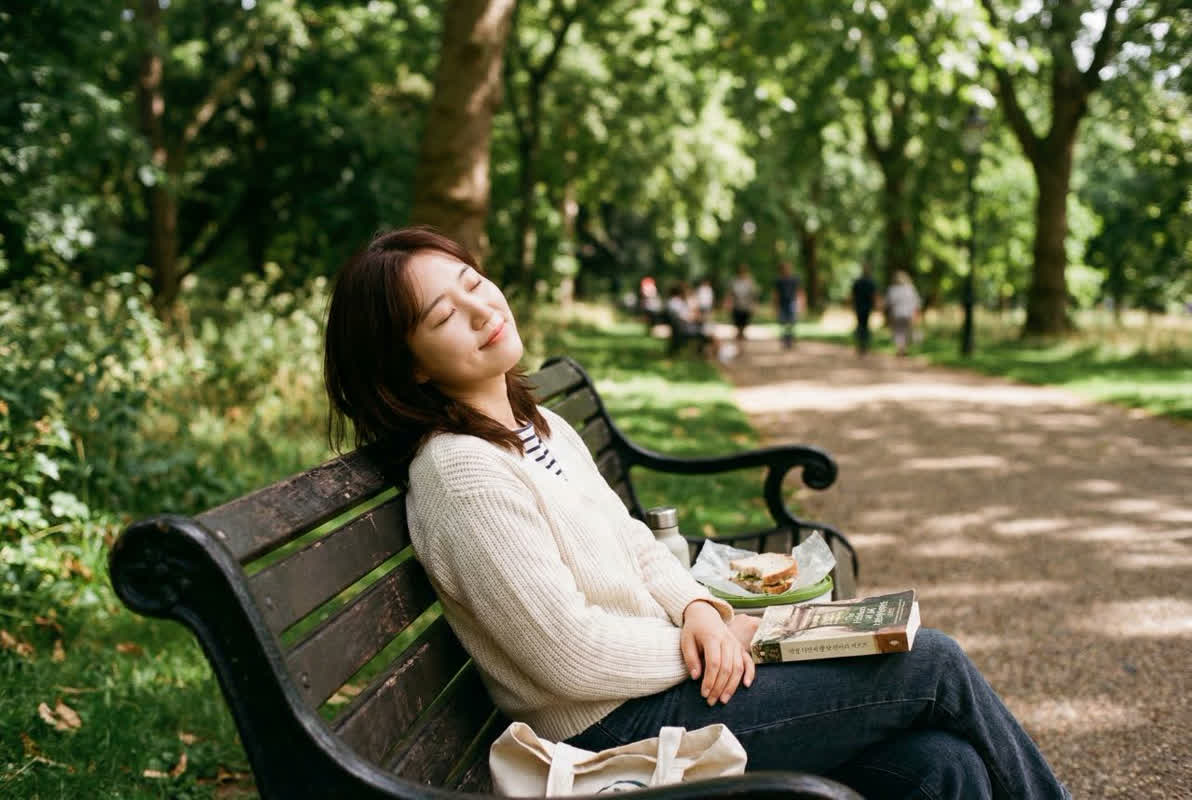
The walking trails are relatively gentle, so you can explore at an easy pace. A full loop usually takes about one to two hours. Along the way, you’ll feel the packed earth beneath your feet and breathe the rich scent of trees up close. Online reviews often praise the well-maintained paths and the quiet atmosphere. Many visitors note that, unlike attractions built around flashy sights or facilities, the forest’s depth and stillness are what linger in the memory. Although the woodland is extensive, the routes are straightforward, so you can calmly see the main areas without rushing.
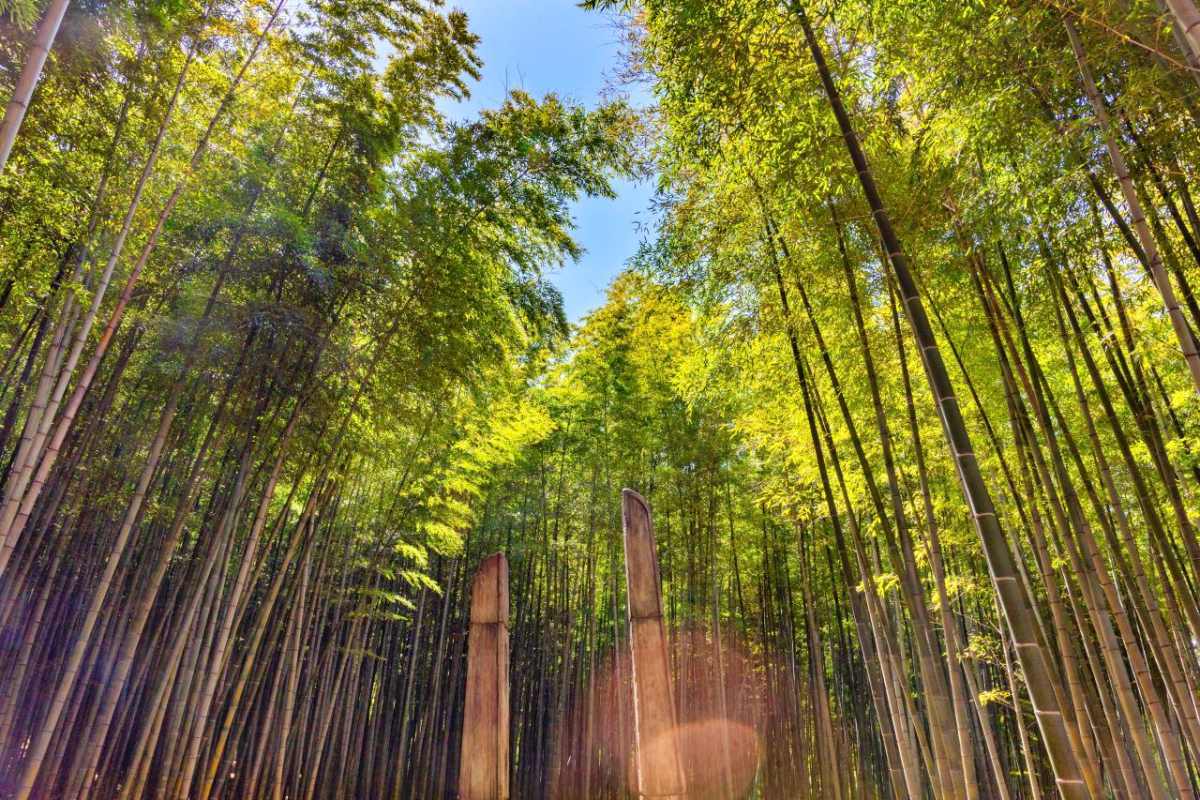
The forest’s look changes with the seasons. In spring and summer the bamboo and conifers grow even lusher and greener; in autumn the trails reveal pockets of seasonal color; in winter, with fewer leaves, the lines of bamboo and pine become more distinct. Depending on when you visit, the forest’s mood shifts, and many visitors return in different seasons for that reason. Rather than dramatic displays, the place reveals measured differences in density, color and air—seasonal changes that feel clear yet subtle.
It’s a good idea to check the visitor rules before you go. Opening hours are 9 a.m. to 6 p.m., with last admission at 5 p.m. Admission is 8,000 KRW (approximately $6) for adults, 7,000 KRW (approximately $5.25) for seniors and groups, and 5,000 KRW (approximately $3.75) for teenagers and children. To protect the terrain and avoid damaging tree roots, strollers, bicycles and hiking poles are restricted. Damaging plants or collecting insects is also prohibited. Because details like opening hours can change, check the official website before you go.
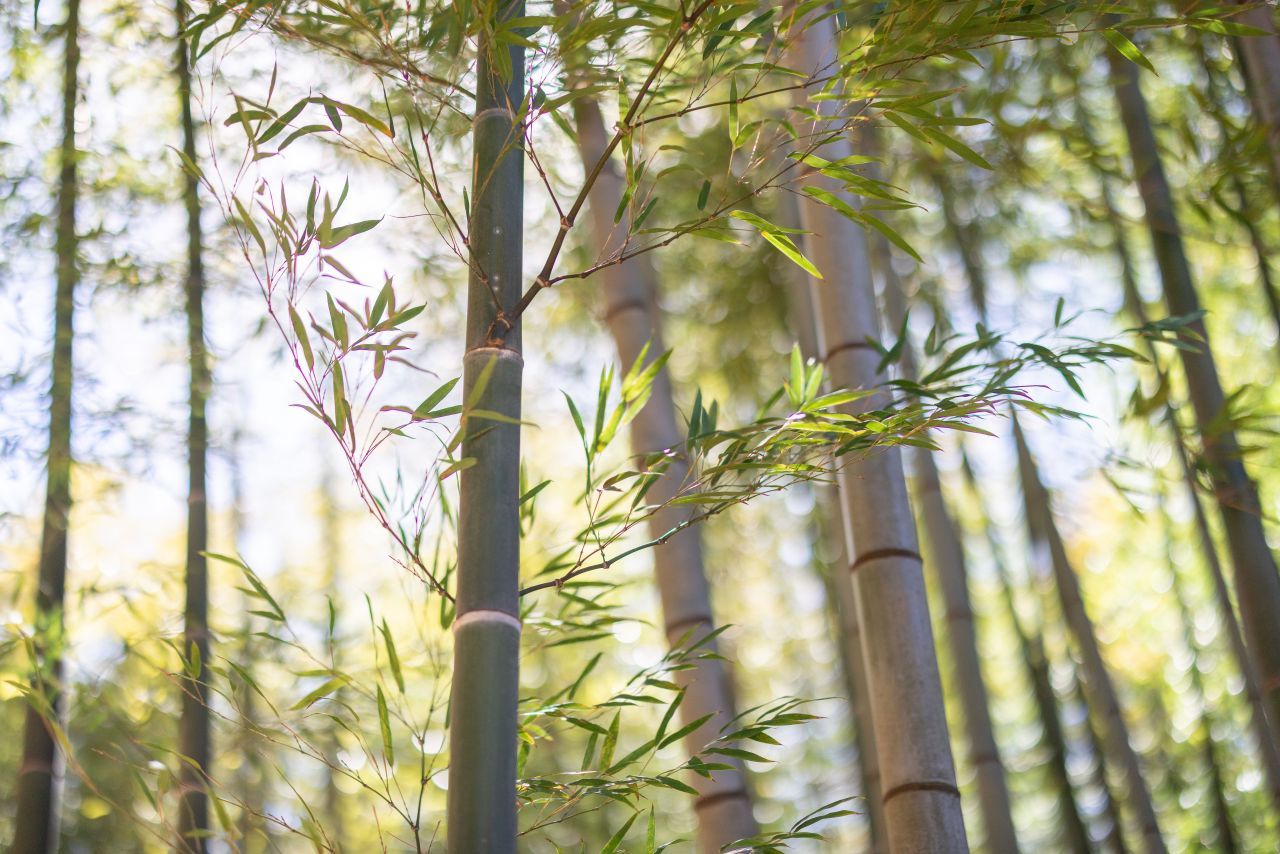
Gijang County has plenty of other nearby spots worth adding to your itinerary. After a forest stroll, you can head to Haedong Yonggungsa Temple for dramatic ocean views or visit the Jukseong Dream Set to enjoy seaside scenery and stage-like backdrops. Because the forest and the coast are close, it’s easy to plan a one-day route. If Ahopsan Forest offers a sense of depth and calm, the Gijang coastline opens into broader vistas—so the mood naturally shifts within the same day.
Get your daily fortune report! How will your day go?