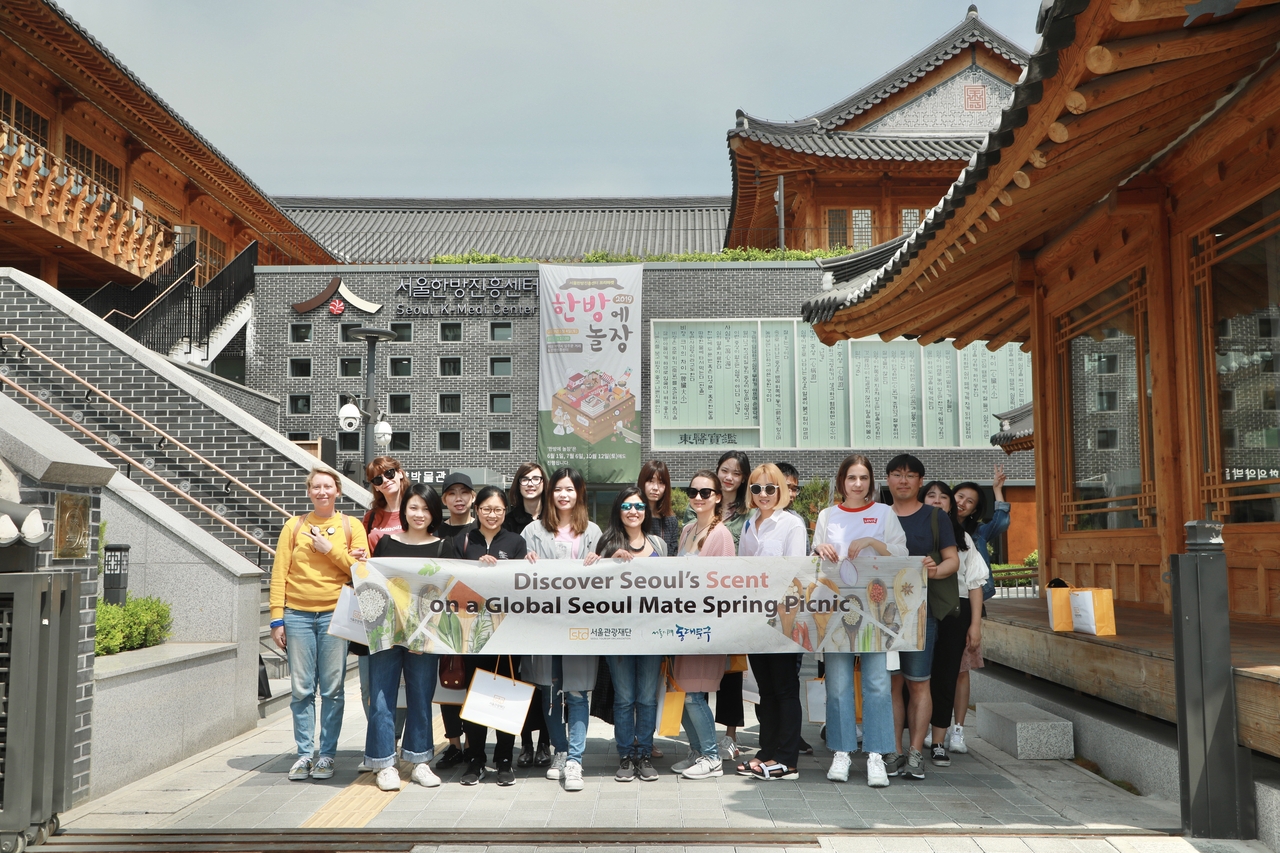
Kyungdong draws goods from all over Korea and hosts the government-certified Seoul Hanbang Promotion Center, making it a fast-rising K-tourism hotspot. Lately, you’ll notice more international visitors wandering its lanes.
Traditional markets are becoming the best places to experience K-food and K-culture up close. The Ministry of Culture, Sports and Tourism and the Korea Tourism Organization (KTO) have named Kyungdong and 10 other markets as official “K-Tourism Markets.”
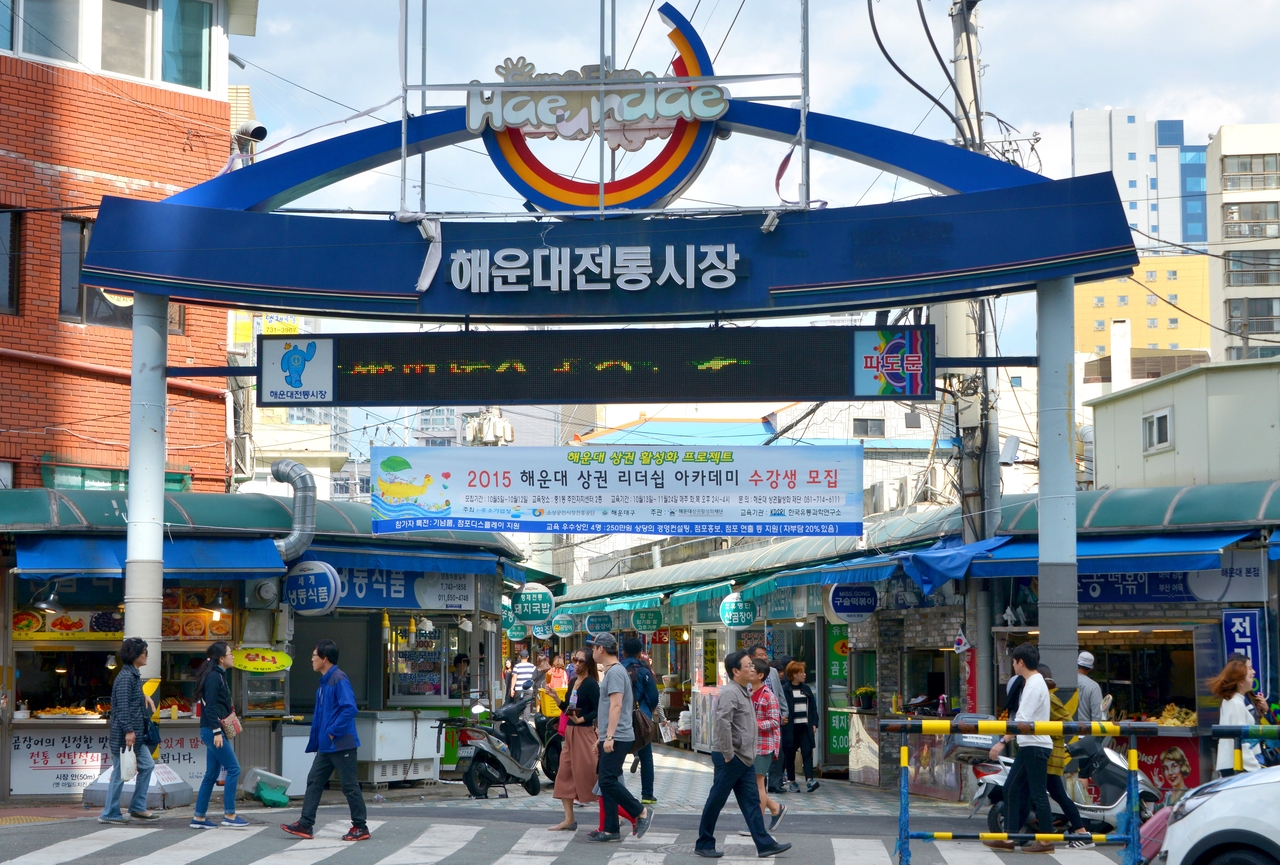
The markets named K-Tourism Markets are Kyungdong Market and: ▷Seoul’s Mangwon Market ▷Busan’s Haeundae Market ▷Daegu’s Seomun Market ▷Incheon’s Sinpo International Market ▷Suwon’s Nammun Market ▷Sokcho Tourist Fisheries Market ▷Danyang Gukkyung Market ▷Jeonju’s Nambu Market ▷Andong Old Market Alliance ▷Jeju Dongmun Traditional Market.
Kyungdong is a one-stop for rice cakes, jeon (savory pancakes), fried chicken, seolleongtang, samgyetang, fresh fruit and veggies, seafood, beef, pork, cod roe, herbal teas, ssanghwatang, and medicinal herbs. It often beats supermarkets and smaller markets on value. You can join hands-on herbal medicine workshops, take guided tours of the traditional medicine alleys, enjoy herbal foot baths and healing experiences, or visit the Seoul Yakryeongsi Korean Medicine Museum. Nearby attractions — Cheongnyangni shopping district, Dongdaemun Design Plaza (DDP), Hwanghak-dong antique market, Majang-dong meat market, and Bomunsa Temple — make it easy to stack your itinerary.
Mangwon Market in Mapo District pairs perfectly with a Han River picnic and a stroll down Mangridan-gil. Expect mouthwatering street eats like hot dogs, sweet-and-spicy fried chicken, croquettes, craft beer, and tempting desserts. Browse the flea markets and youthful pop-ups, then wander Mangwon Hangang Park and Mangridan-gil. With Hongdae just a short hop away, Mangwon is an easy fit for global travelers.
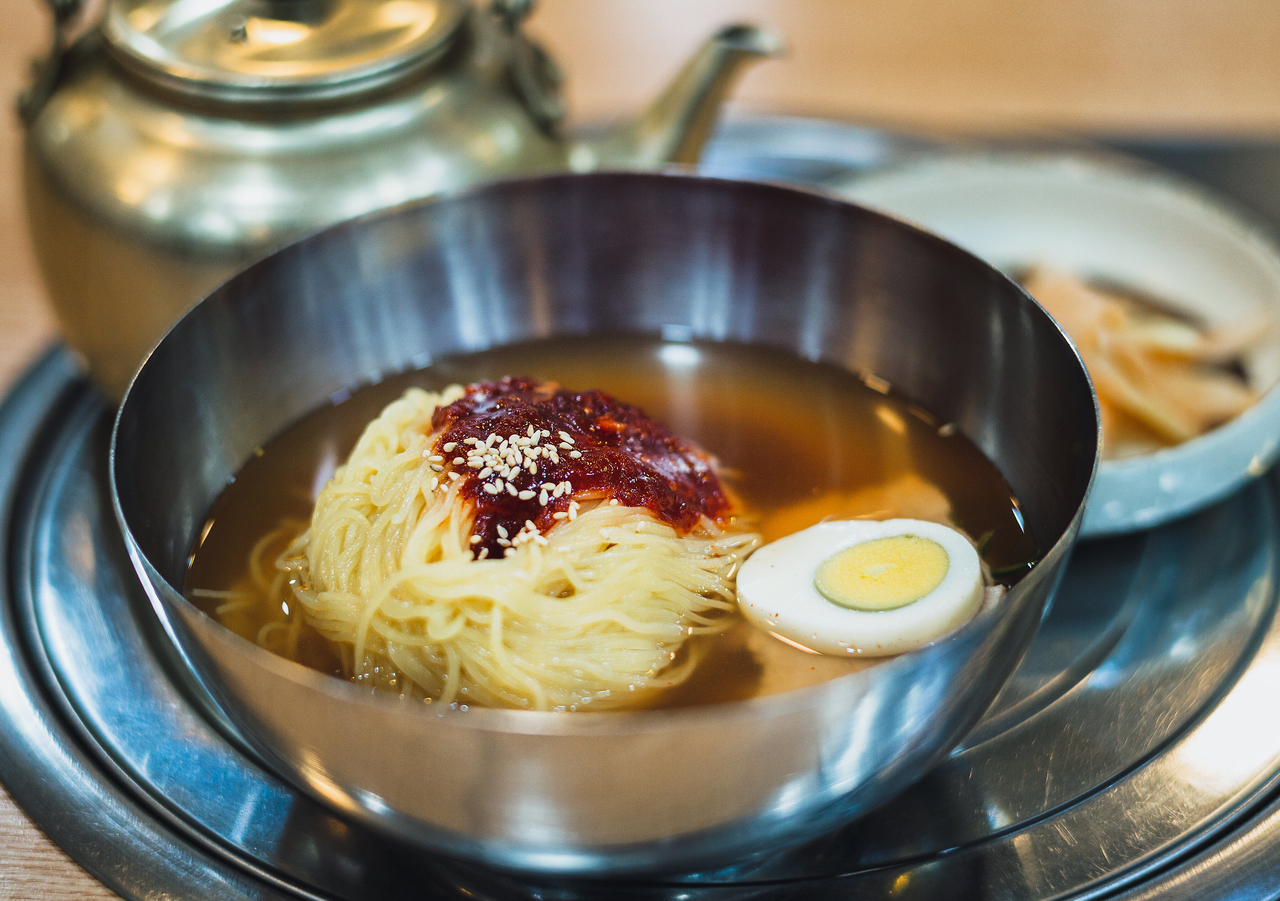
Daegu’s Seomun Market is known for kaljebi, flat dumplings, triangular dumplings, makchang, yukjeon, bean-sprout fish cakes, and chestnut treats. Its night market media façade and photo zones add a playful vibe. Close by are Dongseongno, E-World and Daegu 83 Tower, and cultural walking routes through historic and fashion districts.
Incheon’s Sinpo International Market connects to a time-travel route across Wolmido, Chinatown, and the old port district. Alley specialties — sliced croaker, sweet-and-spicy fried chicken, globe-shaped bread (gonggari bread), sundae (blood sausage), and chewy noodles — draw a lot of millennial and Gen Z crowds. You can join port-history tours and try period costume experiences. Songwol-dong Fairy Tale Village and Songdo Central Park are also nearby.
Suwon’s Nammun Market is famous for its fried chicken alley, Suwon-style royal galbi chicken, jokbal (pig’s trotters), sundae, tteokgalbi, and traditional sweets. The market runs Suwon Hwaseong tours, traditional craft workshops, and nighttime fortress walks. Hwaseong Haenggung Palace and Haengnidan-gil are close enough to add to your day.
Sokcho Tourist Fisheries Market serves up sweet-and-spicy fried chicken, red crab ramen, surichit rice cake, live sashimi, fried snacks, and beef-head soup. It connects to seafood-specialty lanes. Nearby attractions include the ferry to Abai Village — famous for squid skewers and its role in the drama Autumn in My Heart — a lighthouse observatory, Yeonggeomjeong, and the Sokcho Eye Ferris wheel.
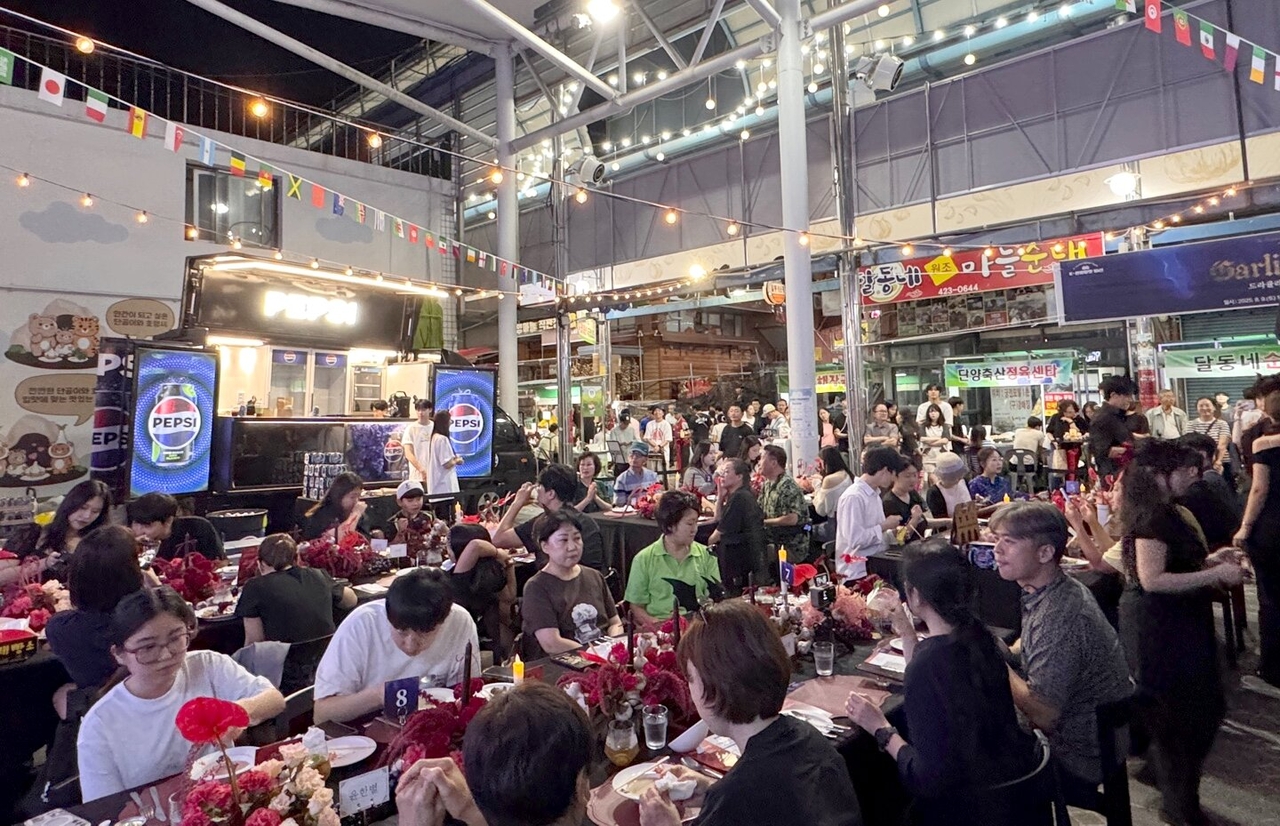
Jeonju’s Nambu Market is the place for kongnamul-gukbap (bean-sprout soup with rice) and Jeonju bibimbap, plus traditional drinks like moju. The market’s youth mall offers creative, Instagram-ready spots. Pair a market visit with a walk through Jeonju Hanok Village for a full cultural day.
Andong Old Market is celebrated for Andong jjimdak (braised chicken), Andong hanwoo ribs, salted mackerel, and Andong soju. Mammoth Bakery has become a must-visit for bread lovers. The market also hosts art flea markets, Hahoe Byeolsingut mask-play performances, and Saturday folk markets. Nearby highlights include Hahoe Village, Dosan Seowon, Byeongsan Seowon, and Woryeonggyo Bridge.
Jeju Dongmun Traditional Market offers Jeju-exclusive treats: black pork skewers, grilled cutlassfish and mackerel, Hallabong citrus, and omegitteok rice cakes. It’s a great base for northern Jeju adventures — Samseonghyeol, Yongduam Rock, Iho Tewoo Beach, Aewol, flower fields in Ora, and haenyeo (women divers) experiences in Woljeongri are all within easy reach.
The KTO will support these 11 markets with brand strategy planning, overseas marketing, experiential market tours, and development of longer-stay tourism packages. It will help improve services like transparent pricing, payment systems, and multilingual guidance. The agency will also build luggage-storage facilities for foreign visitors and expand regional festivals and nighttime tourism offerings.
Reporter Ham Young-hoon