Nairobi is often dismissed as just a gateway to safaris, but it’s a layered African metropolis—with colonial railway history, contemporary art, and a thriving café scene.
This route focuses on Nairobi’s central business district (CBD) and nearby neighborhoods—essentially a day spent walking through the city’s past and its modern pulse.
Start at the Nairobi National Museum to trace Kenya’s roots, catch your breath at a downtown café, then head to the Nairobi Railway Museum to feel the rail era up close. Enjoy a late lunch at the iconic Carnivore Restaurant, and finish at the Karen Blixen Museum to soak up literature and pastoral landscapes.
01 Nairobi National Museum Nairobi National Museum |
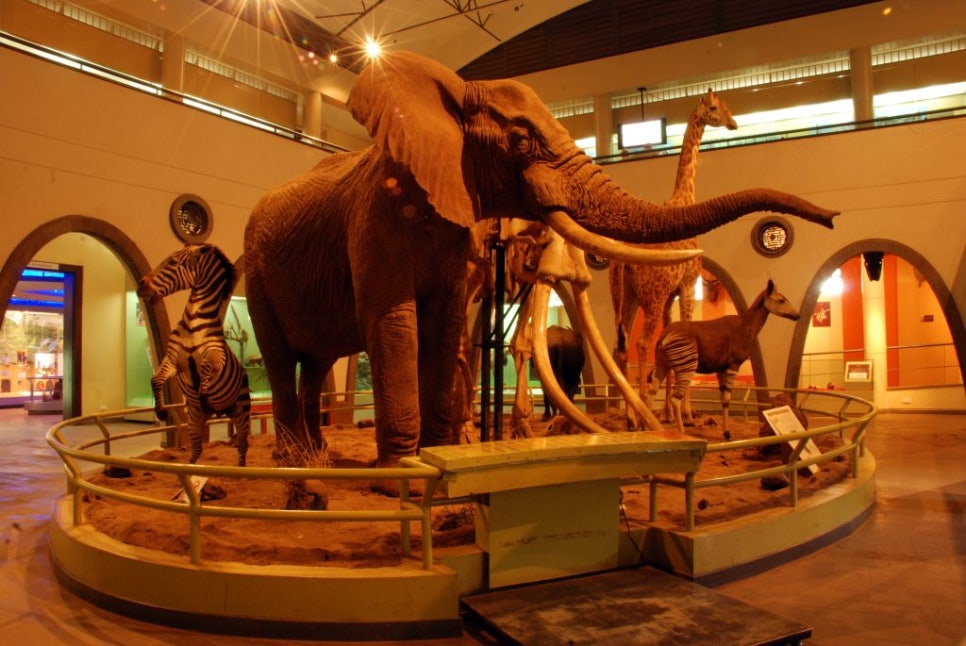
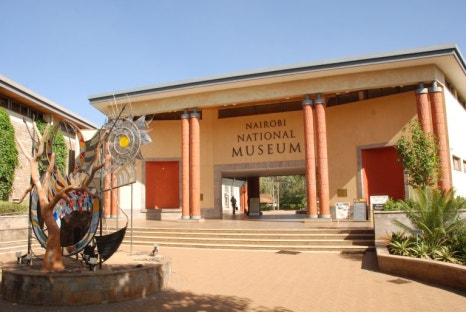
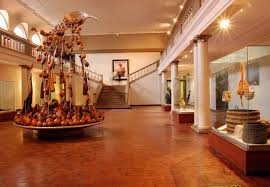
Nairobi National Museum / Photo: Nairobi National Museum
The first stop is the Nairobi National Museum. Located on the north side of the city, the museum offers a broad, well-organized look at Kenya’s natural history, human evolution, ethnic cultures, and modern history. Many travelers recommend visiting on day one to get a strong sense of the country. Inside you’ll find taxidermy of East African birds and mammals, prehistoric fossils, traditional clothing and tools from Kenya’s tribes, and exhibits covering colonial rule and the independence struggle.
The museum is open daily from 8:30 a.m. to 5:30 p.m., including holidays. Admission for non-resident adults is roughly 16,000 KRW (approximately $12 USD), and for children around 8,000 KRW (approximately $6 USD). There’s also a slightly pricier combo ticket that includes the Snake Park. Visitors often praise the clear exhibition layout—perfect for a focused two- to three-hour visit—and note the convenience of an on-site café, gift shop, and parking. Arrive in the morning and spend about two hours to leave with a solid background in Kenya’s safari traditions, urban life, and culture.
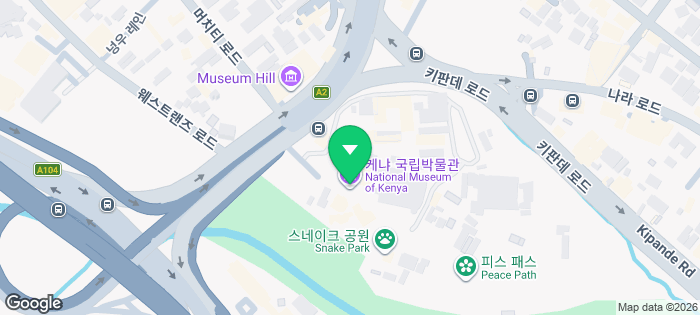
Kipande Rd, Nairobi, Kenya
02 Cafe Clarion Cafe Clarion |
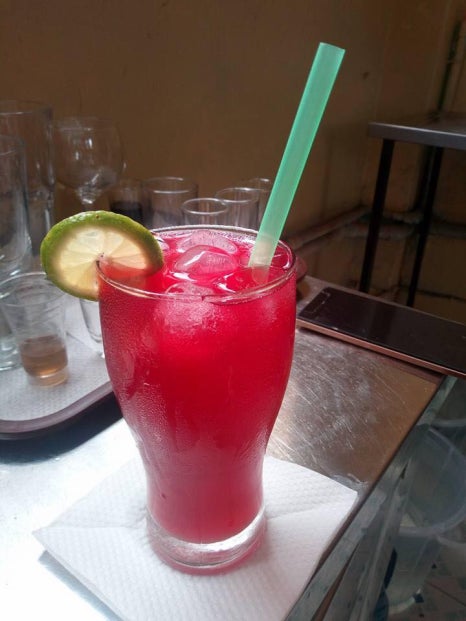

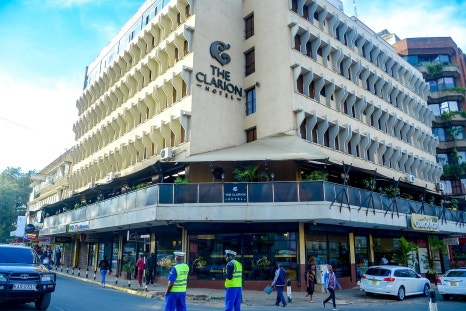
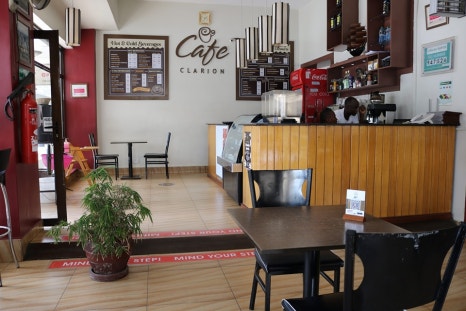
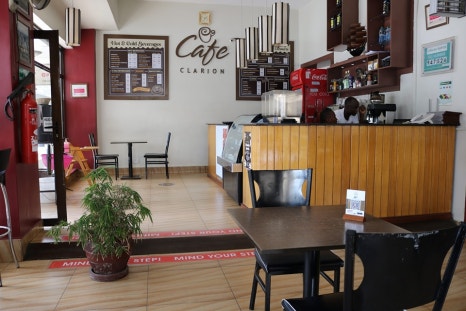
Cafe Clarion / Photo: Cafe Clarion Facebook
The second stop is Cafe Clarion, which overlooks Moi Avenue and the Jevanji Gardens. Sitting at the corner of Moi Avenue and Muranga Road, the café features large glass walls that frame the busy intersection and the gardens. Its menu blends international dishes with local flavors, and the café aims to create a memorable dining experience for both locals and visitors.
It’s a great spot for coffee and light brunch fare—burgers, pasta, and local plates—making it an ideal place to relax after the museum. The café is about a 10-minute taxi ride from the museum. Along with Kista Cafe, Clarion is often recommended as one of the best CBD spots for people-watching and city views—if you want to soak in Nairobi’s urban energy, Clarion is a top pick.
03 나이로비 철도박물관 Nairobi Railway Museum |
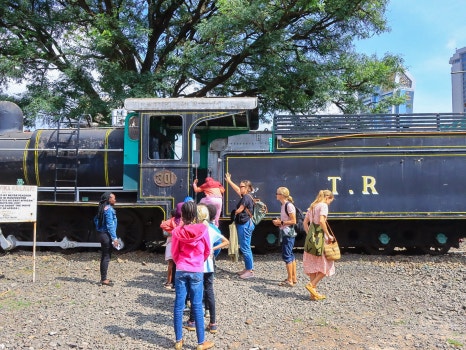
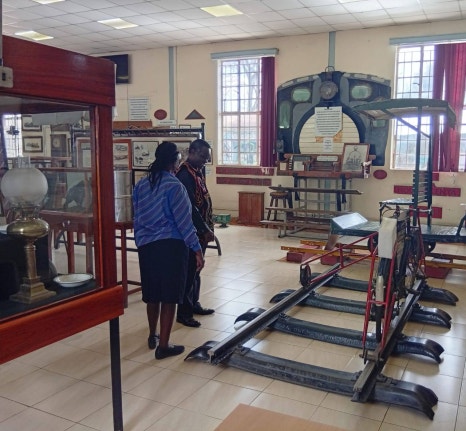
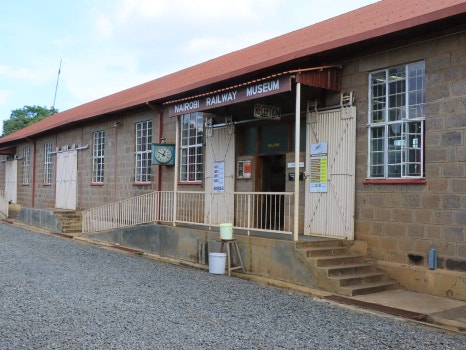
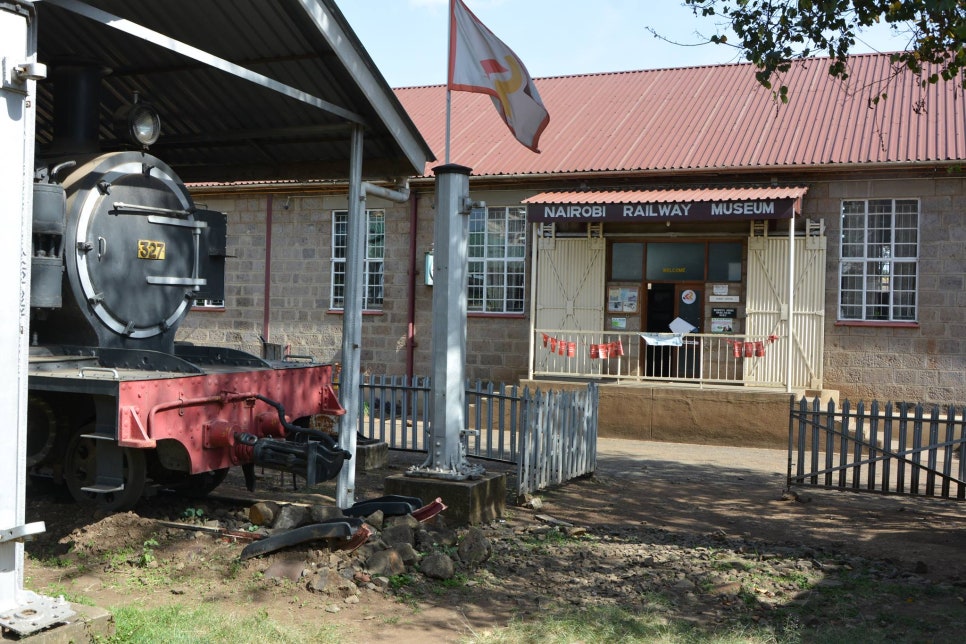
Nairobi Railway Museum / Photo: Nairobi Railway Museum Facebook
The third stop is the Nairobi Railway Museum. Located at the southern edge of the CBD beside an active rail line, the museum tells the story of Nairobi’s birth alongside the colonial railway. Outdoors you’ll find old steam and diesel locomotives and passenger cars—perfect for photos—and inside are early rail maps, colonial-era documents and photos, and a range of railway artifacts.
One notable exhibit centers on the story of Sabo’s lion—a lion attack during railway construction—which tends to capture visitors’ interest. Travelers often say that if you loved trains as a kid, this place is a must-see; while some displays feel a bit dated, visitors enjoy being able to climb aboard and walk among the coaches. The museum generally opens around 8 a.m. and closes by 5 p.m., and admission is modest—typically a few thousand Kenyan shillings, or roughly 10,000–20,000 KRW (approximately $7–$15 USD). For the latest fees, check the museum’s official information. From the National Museum and Cafe Clarion, it’s an easy 5–10 minute drive to the south end of the CBD where the railway museum sits.
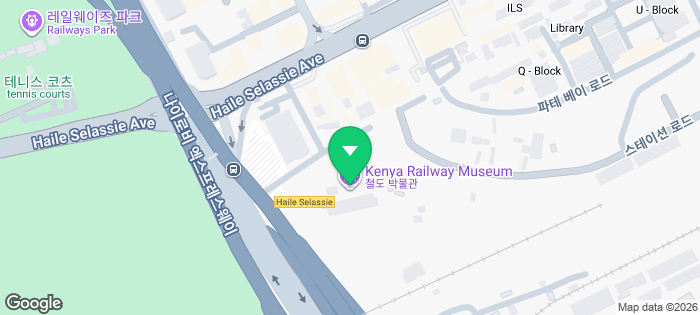
PR4F+MX5, Station Rd, Nairobi, Kenya
04 Carnivore Restaurant Carnivore Restaurant Nairobi |
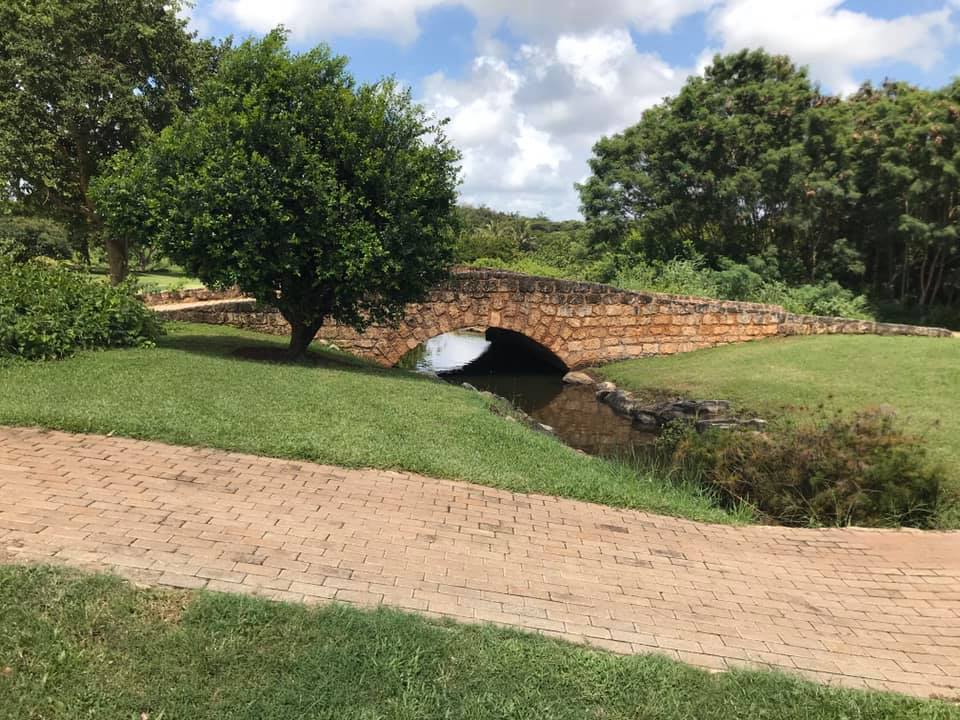
Photo: Carnivore Restaurant Facebook
The fourth stop is the Carnivore Restaurant, one of Nairobi’s signature dining experiences. Located in the Langata area, this open-air restaurant has been operating since 1980 and is often listed among Kenya’s most famous eateries. The restaurant’s "Beast of a Feast" set is a fixed-price, all-you-can-eat experience featuring an ever-rotating parade of meats served to your table.
Typical offerings include rump steak, turkey, lamb legs and ribs, a variety of beef and pork sausages, BBQ ribs, chicken wings, organ meats like liver and heart, and tilapia—about 16 standard items—plus a handful of exotic options such as crocodile, ostrich (and ostrich meatballs), and beef testicles, bringing the total to roughly 20 different items. The meal begins with a vegetable soup, bread, and salad; main meats circulate in a churrasco-style service until you lower a table flag to signal you’re done. Desserts include fruit salad with ice cream, ginger pudding, coffee or tea, or vanilla crème brûlée.
Prices vary with exchange rates and season, but expect to pay around 53,333 KRW (approximately $40 USD) per person. It’s about a 15–25 minute drive from the Nairobi Railway Museum to Carnivore; booking for lunch or early dinner will reduce wait times.
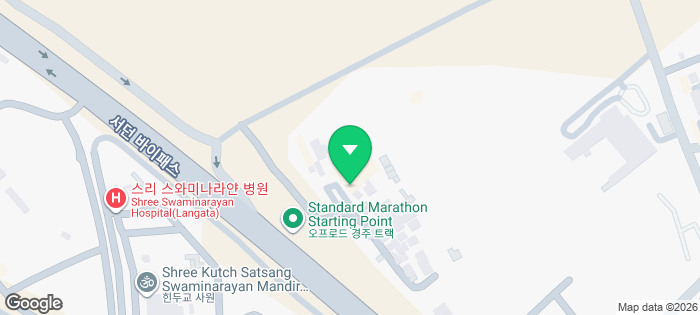
Langata Link Rd, Nairobi, Kenya
05 Karen Blixen Karen Blixen Museum |
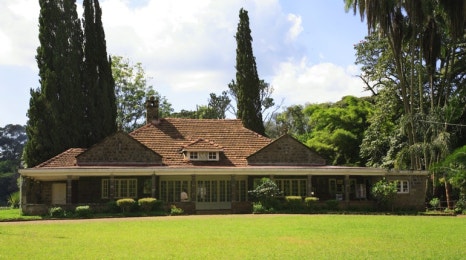
Photo: Kenya National Museum website
The final stop is the Karen Blixen Museum. Set on the rolling hills and former farmlands of the Karen neighborhood southwest of Nairobi, the museum preserves the house where Danish author Karen Blixen lived in Kenya during the 1910s–1930s. Famous as the backdrop for the film Out of Africa, the red-roofed house, gardens, and the old coffee farm grounds remain intact.
The museum is open daily from 8:30 a.m. to 6 p.m., year-round. According to TripAdvisor, admission is 200 KES for Kenyan citizens and 1,200 KES for non-resident foreigners—about $9–$12 USD depending on exchange rates. Guided tours are included, which explain daily life at the time, the history of white-owned farms during the colonial era, and Blixen’s literary world as you tour the house and gardens. Visitors describe it as a peaceful garden escape from the city and a meaningful stop for film lovers; many arrive in the late afternoon to enjoy the sunset-lit grounds. From Langata, where Carnivore is located, it’s about a 20–30 minute drive to Karen, making it a convenient follow-up after a meal.
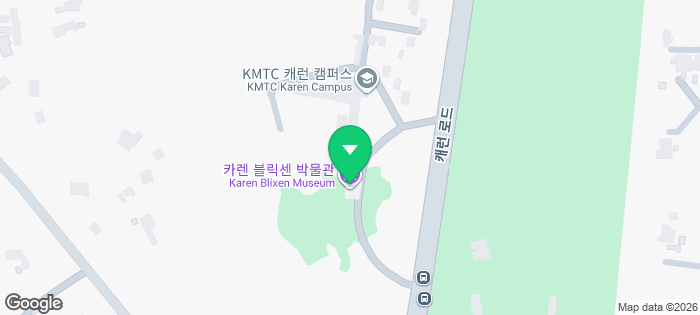
Karen Rd, Nairobi, Kenya
You can experience Nairobi’s history, railway heritage, café culture, carnivore cuisine, and literary farm landscapes without going on a safari. If you have additional time, consider visiting signature safari destinations like Maasai Mara or Amboseli, or taking a side trip to Mombasa’s beaches.
Seoyeon Moon, Travel+ reporter