In Rome’s narrow, tangled alleys, the view suddenly opens onto a plaza framed by columns that look like they belong in Greek myth. This monument greets you as if it escaped the passage of millennia — the Pantheon, often called the pinnacle of ancient architecture.
Most visitors pass through it at least once on a trip to Rome, but knowing the stories inside and a few practical tips beforehand will make the experience hit home.
From a temple to all gods to a church for the Virgin Mary
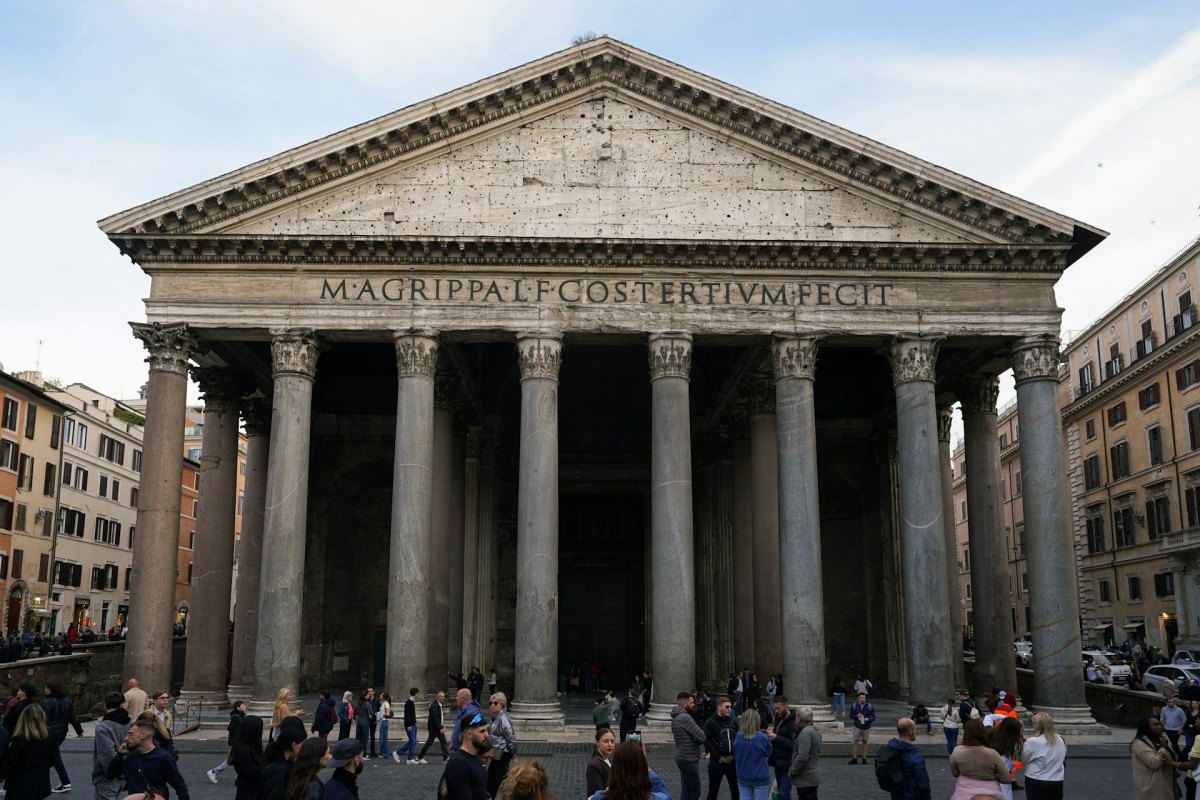
Marcus Agrippa first built the Pantheon in 27 BC, but a fire destroyed that early structure. Emperor Hadrian rebuilt it around AD 125, and that is the form we see today. The name “Pantheon” combines the Greek pan (all) and theon (gods), since Romans originally dedicated it to all the gods they worshiped.
People often misinterpret the inscription on the front that credits Agrippa, but Hadrian actually designed and completed the building in its current form.
The reason the building has survived more than 2,000 years largely intact is that Pope Boniface IV consecrated it to the Virgin Mary and the martyrs in AD 609. At a time when many ancient Roman structures were dismantled for building stone, the Pantheon received protection as a sacred church and preserved its grandeur. Its official status remains a church today, and it still holds Masses every week.
The massive dome and the oculus
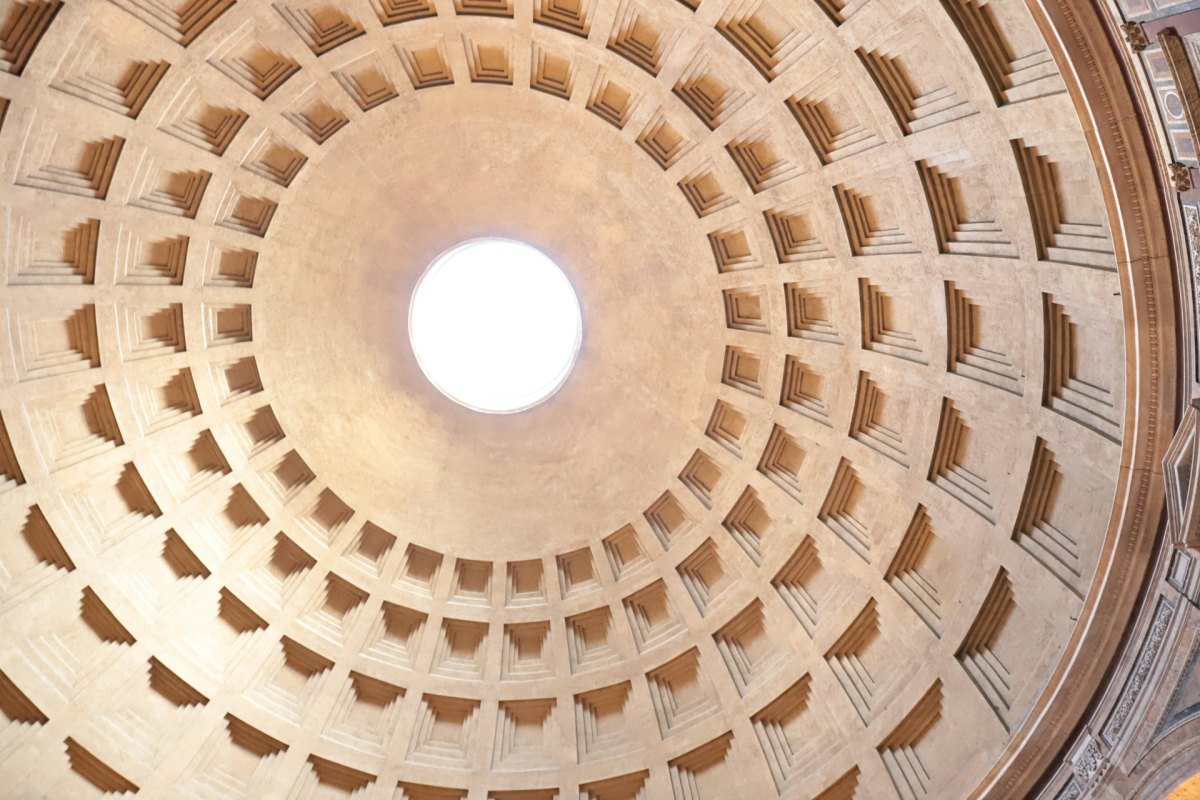
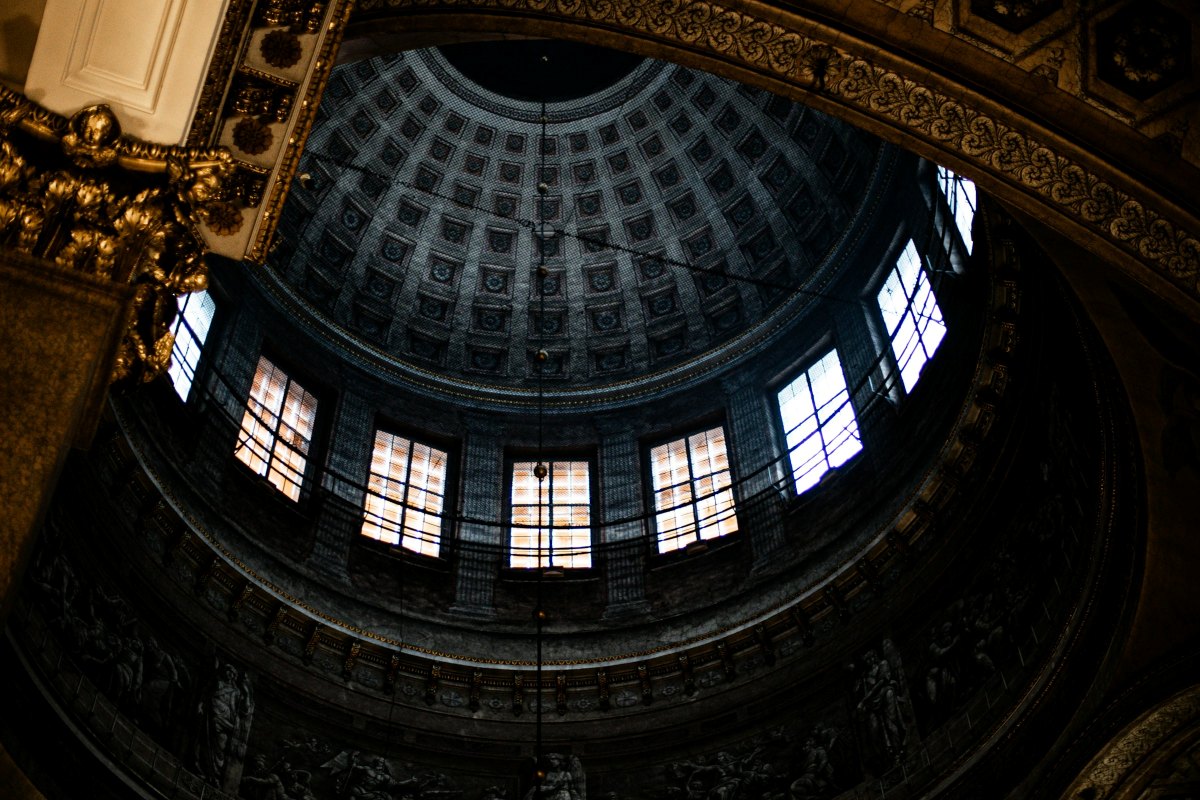
Step inside and, almost on cue, everyone looks up. The vast interior forms a perfect sphere: its diameter and height both measure exactly 43.3 meters (≈142.1 ft). This dome is the largest unreinforced dome in the world, built only from concrete and brick without modern reinforced-concrete techniques.
The Romans mixed progressively lighter volcanic stone toward the top to reduce load — a reminder of just how advanced their engineering was two millennia ago.
At the dome’s center sits the oculus, a 9-meter (≈29.5 ft) wide opening that provides the interior’s only natural light. As the sun moves, a shaft of light travels across the space. Many people ask whether rain ever comes in through the hole; the answer is that it does.
Rainfall does enter through the oculus, but the floor’s slight slope and 22 drainage channels channel the water away naturally. Visiting the Pantheon on a rainy day to see this for yourself can be a memorable experience.
Resting place of Italy’s kings
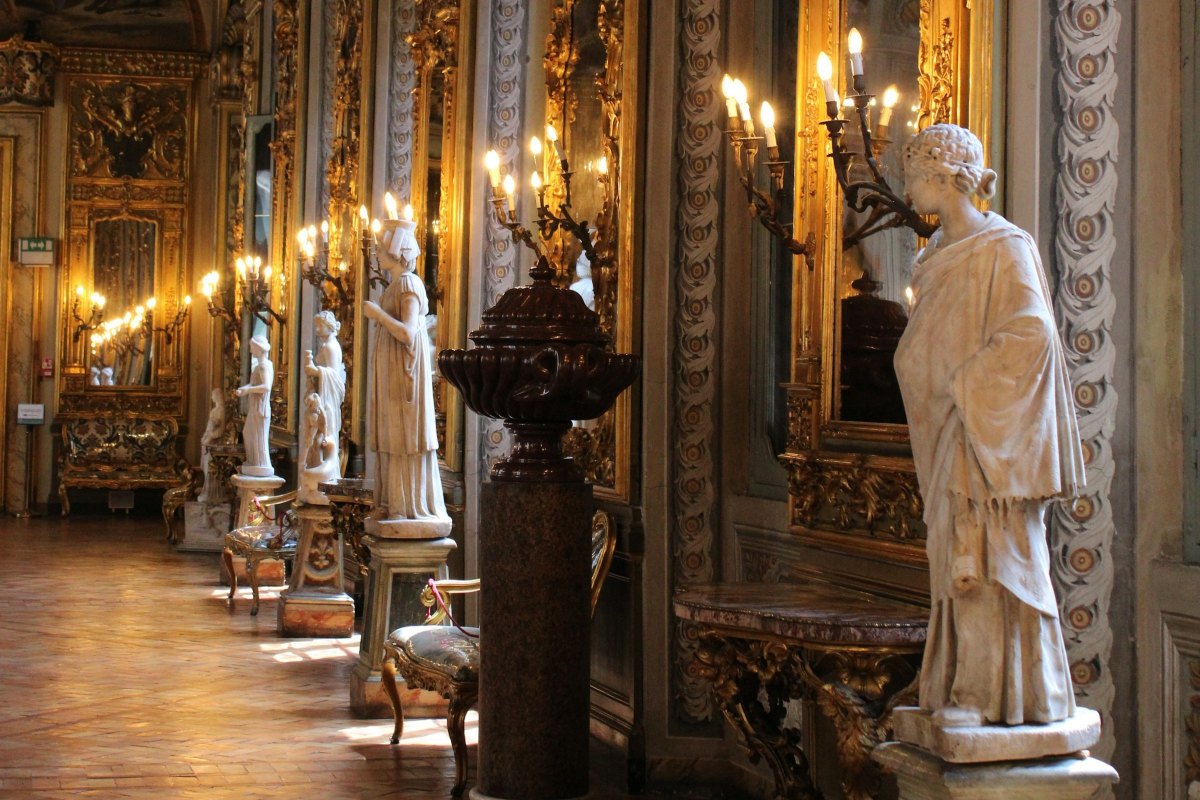
As you stroll the Pantheon’s ornate interior, you’ll find the tomb of the genius painter Raffaello Sanzio, a leading figure of the Renaissance. He died at just 37 and had expressed a strong wish to be buried here.
An epitaph by his friend Cardinal Bembo on his sarcophagus famously reads that nature feared being outdone by him while he lived and feared dying when he died.
Besides Raphael, the Pantheon contains the tombs of King Victor Emmanuel II and King Umberto I, central figures in Italy’s unification. It’s striking that a space once dedicated to ancient Roman gods has become the final resting place for leaders and artists who shaped modern Italy.
Spend time taking in the Renaissance paintings and marble decorations that line the walls, and you’ll find yourself lost in the atmosphere before you know it.
How to book and practical tips for a pleasant visit
The Pantheon used to offer free admission, but since the second half of 2023 it charges an entry fee. Adults pay 5 euros (≈$5.35), and because it’s so popular you can expect long lines if you buy tickets on site. We recommend reserving through the official booking site before you travel.
On weekends and public holidays, you may be unable to enter without a reservation, so book as soon as your schedule is set.
The best time to visit is around noon. Between 12 and 1 PM, when the sun is overhead, you can see a vertical column of light stream through the oculus. Remember that the Pantheon still functions as a church and enforces a strict dress code. If your shoulders or knees are exposed, staff may deny entry, so bring a light cover-up or scarf.
After your visit, wrap up your outing with an espresso con panna at the well-known Tazza d’Oro café near the piazza.