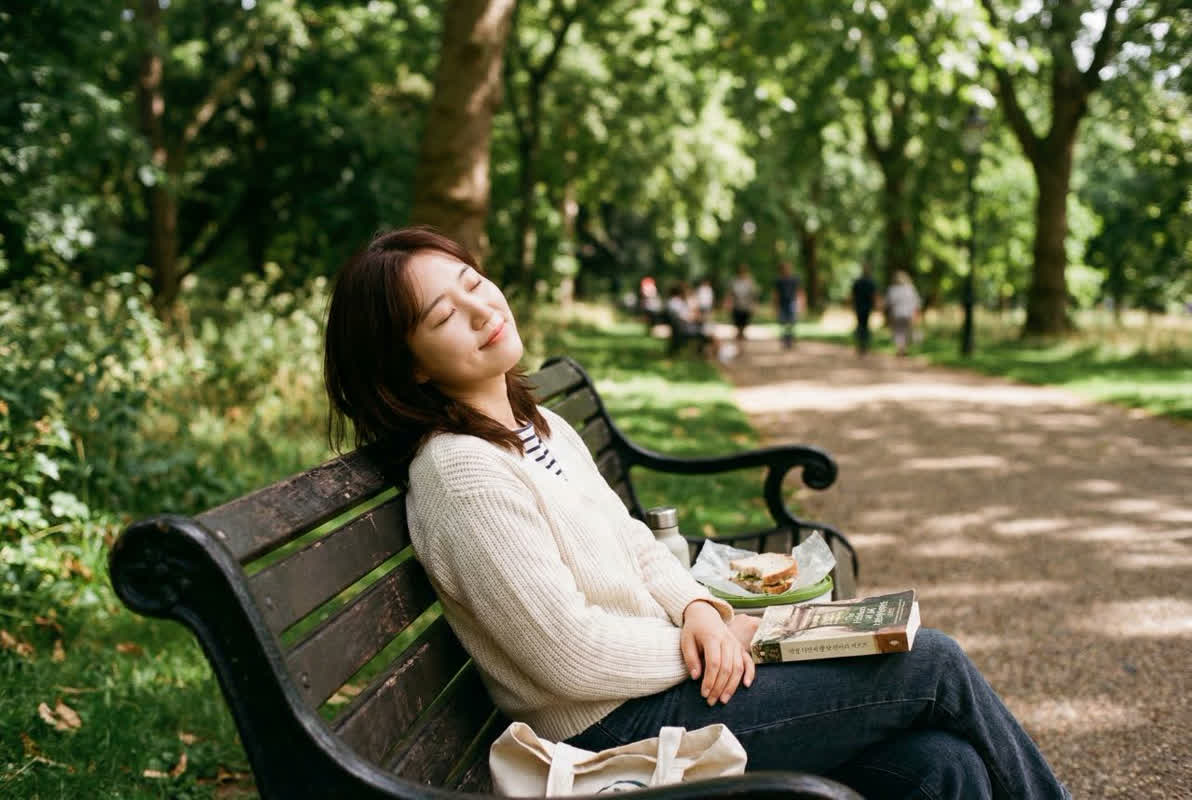
Some places need no introduction—their quiet resilience speaks for itself. Tucked into the rugged mountains of Wanju, Wibong Fortress, Historic Site No. 471, dates back to King Sukjong’s reign during the Joseon dynasty. Built as a symbol of royal authority and safety, it once served as a secure refuge to move King Taejo Yi Seong-gye’s royal portrait and ancestral tablets from Jeonju Gyeonggijeon in times of emergency.
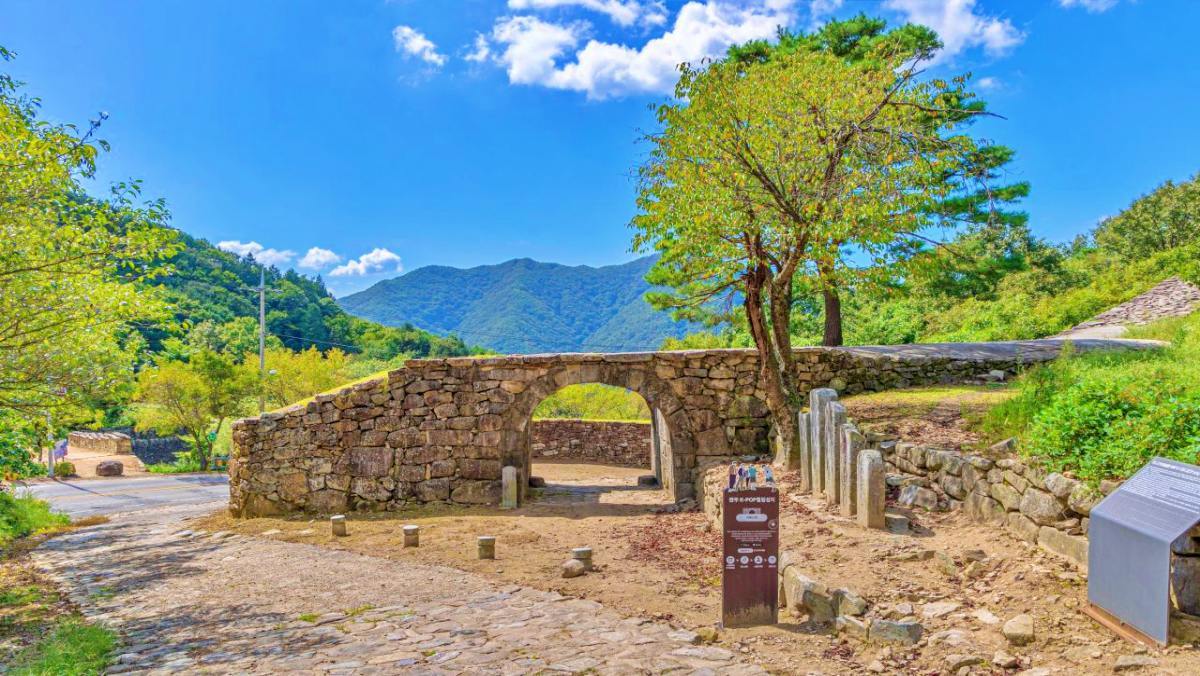
The fortress played that role when history grew turbulent. After Jeonju fell during the 1894 Donghak Peasant Movement, officials moved the royal portrait and tablets here to keep them safe. A small temporary palace, or haenggung, once stood within the walls to house those treasures, but time has erased the buildings—only the foundations remain, hinting at what once was. Of the three gates that opened to the east, west, and north, only the western arched stone gate facing Jeonju survives intact. Moss-covered stones snugly set above the rainbow-shaped arch give it an honest, organic charm.
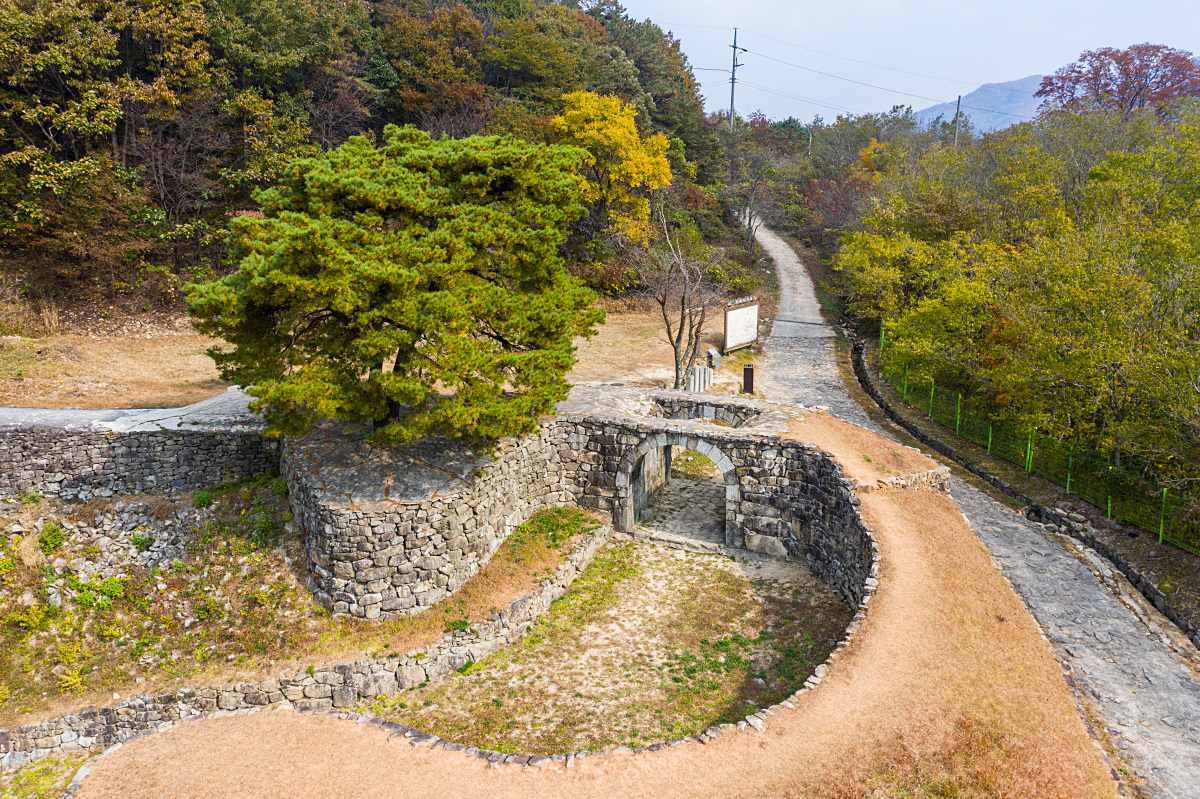
The vintage stone arch got a modern glow-up in 2019 when K-pop group BTS shot a photo spread here. The spots where the members posed have since become popular selfie destinations. Leaning against those weathered stones and clicking the shutter, you can actually feel the playful crossover of centuries-old history and contemporary culture.
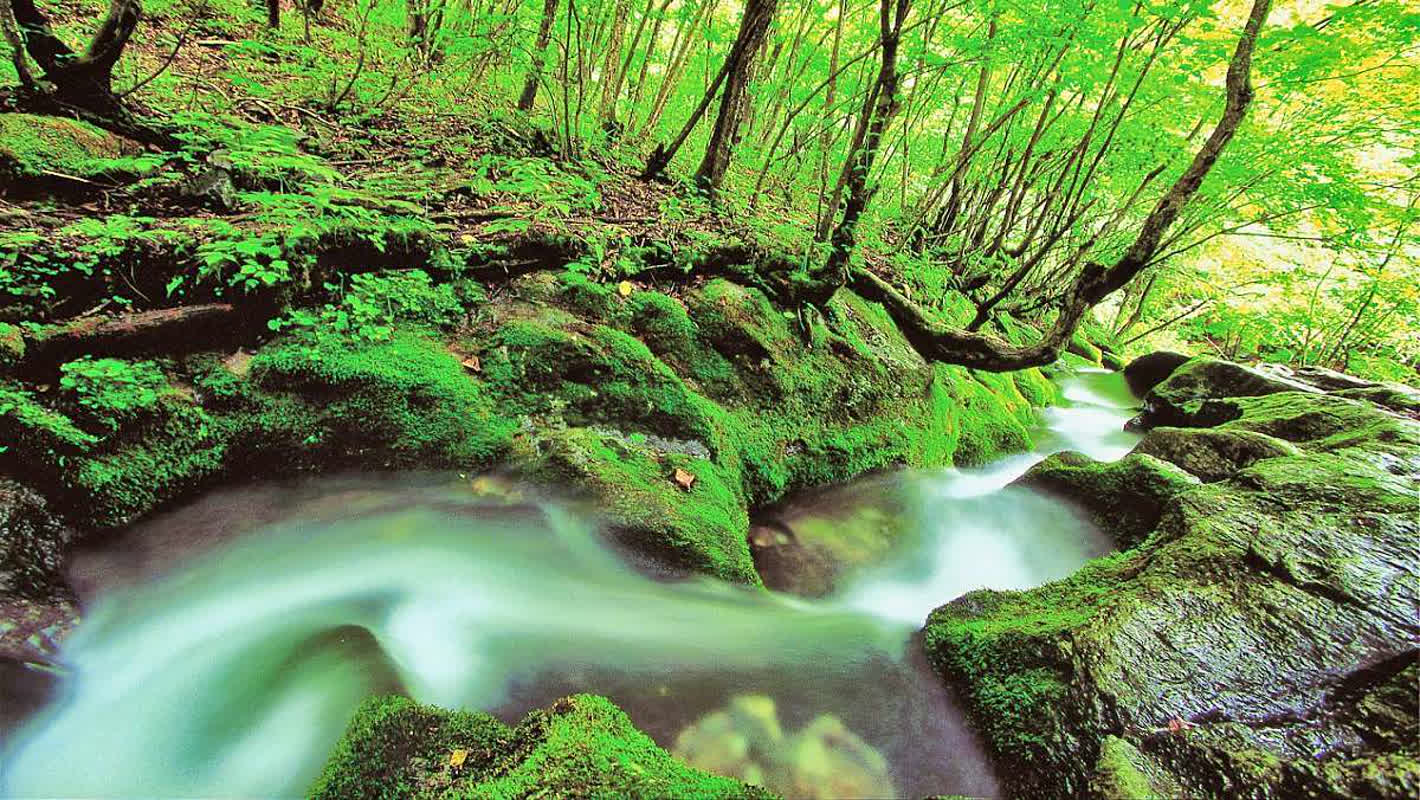
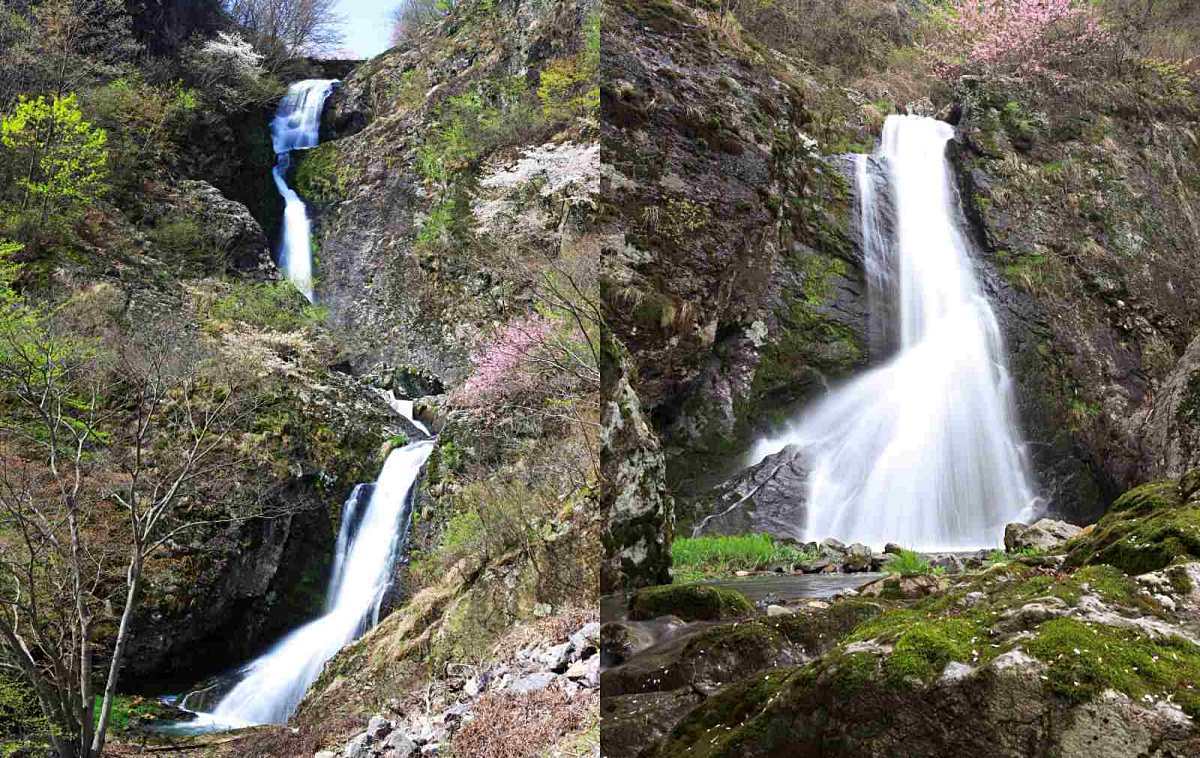
After you soak in the fortress vibes, wander to Wibong Falls tucked inside the site. Counted among Wanju’s nine scenic spots, the falls plunge roughly 60 meters (about 197 ft), delivering a refreshing, dramatic cascade. The two-tiered drop tumbles over rugged rock formations and through dense forest, composing a scene that feels like a living landscape painting. Walk the trail that leads below the falls and let the sound of rushing water and the scent of the woods settle you. Here, the fortress’s solid presence and the waterfall’s flowing energy exist in beautiful balance—a real-life meeting of history and nature.
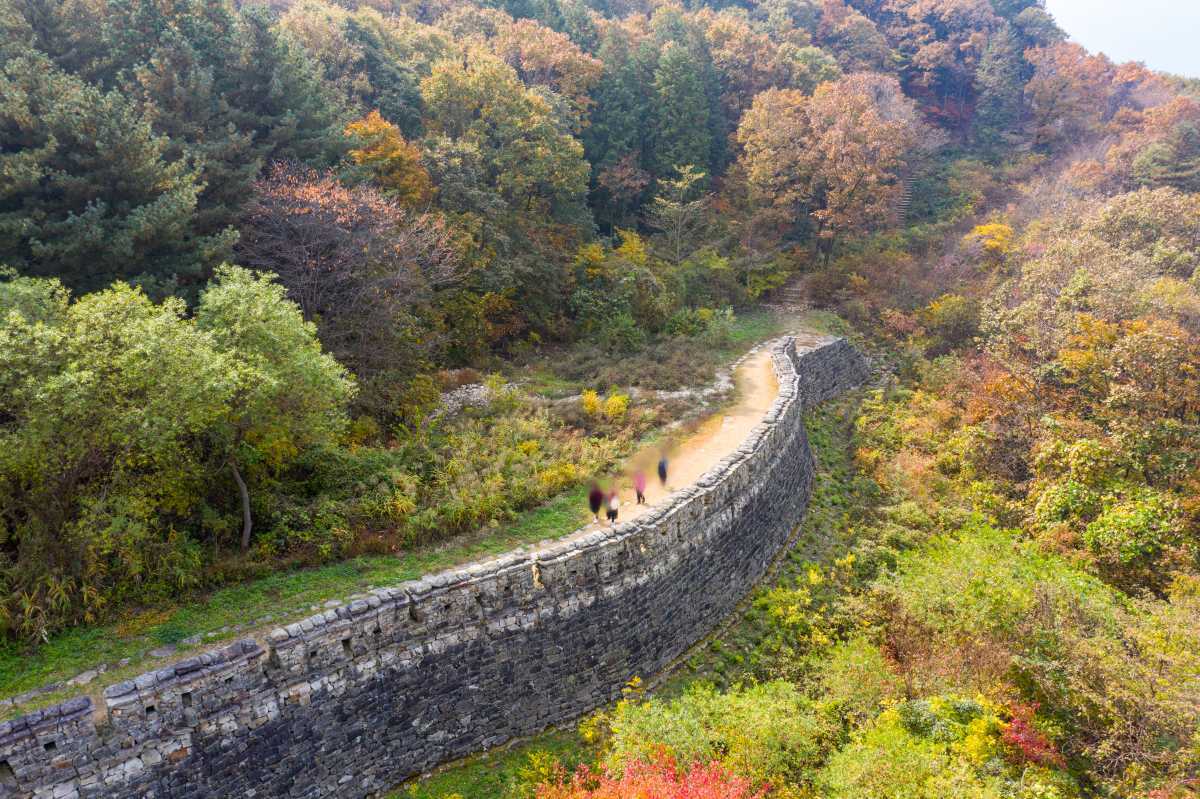
Wibong Fortress is free to visit and open year-round, so you can catch whatever seasonal mood you love. In spring, new light-green shoots soften the walls; in summer, deep foliage offers a refreshing canopy; in fall, fiery maples set the stonework aglow; and in winter, snow-dusted ramparts and the arched gate create a serene, ink-wash tableau. Pause here for a moment and let a little Joseon-era atmosphere add a memorable note to your everyday routine.