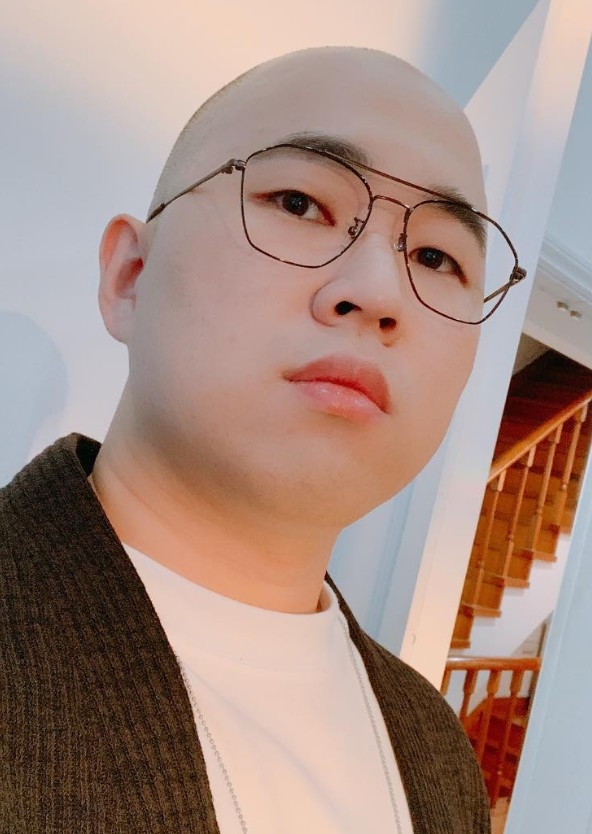
[Sports Seoul | Reporter Bae Woo-geun] Jerry.K (born Kim Jin-il), a rapper whose sharp social commentary made him a prominent voice in South Korea’s hip-hop scene, has died. He was 42.
According to his family, Jerry.K passed away on the 27th after battling glioblastoma, an aggressive brain tumor, for about two years. A wake has been set up at the Sinchon Severance Hospital funeral hall; the funeral service is scheduled for the 29th.
His last public trace was a social media post from May of last year. He wrote, “I was suddenly diagnosed with a brain tumor, had surgery, and I’m recovering. I don’t know what all this means yet, but I hope I can get even a little better,” adding, “Please think of me sometimes. Thank you.” That hope for recovery, expressed amid a painful struggle, ultimately went unfulfilled.
Born in 1984, Jerry.K graduated from Seoul National University’s Department of Communication and Information and debuted in 2004 with the mini-album Ilgal. He later formed the hip-hop duo Loquence with Meixsense and drew critical attention with his 2008 full-length album Mawang (The Devil King). At the time, he said, “Through this album, I finally feel I can connect with the world.”
His music was consistently engaged with the realities of Korean society. His third studio album Reality, Enemy and the song “Call Center (feat. Woo Hyo)” were both nominated for Best Rap/Hip Hop at the Korean Music Awards, affirming both his artistry and his message.
He did not remain silent offstage. In 2009 he joined the “Korean Musicians’ Declaration Against an Era of Greed and Control,” criticizing authoritarianism and democratic backsliding. After the 2016 Gangnam Station incident, he posted, “Because we are the same human beings, that should be enough,” and during the political scandal over abuse of power he released the song “Hayae” (Step Down), directly criticizing the political establishment.
As head of the Days Alive label, he also confronted internal issues with a sense of responsibility. During a controversy involving one of the label’s artists, he said, “I feel deep responsibility. I deeply apologize to the victims,” and made firm decisions in response.
He engaged with the moment in other ways as well — performing on the eve of the May 18 commemorations, contributing music to the documentary Memories of MB, and appearing in Respect, among other projects.
Kwon Young-guk, leader of the Justice Party, mourned him as “a musician who always sang about the world with keen, exceptional sensibility” and “a comrade who spoke for labor, equality, and justice,” adding, “His music will remain a compass for justice and equality for a long time.” kenny@sportsseoul.com